


 English
 русский
 Español
 عربى
عربى

Content
- 1 Why Lightweight Roofing Matters in Modern Construction
- 2 Structural Characteristics of Aluminium Diamond Roofing Tiles
- 3 Installation Advantages of Aluminium Diamond Roofing Tiles
- 4 Performance Under Weather and Environmental Conditions
- 5 Comparison with Traditional Roofing Materials
- 6 Applications Suited to Lightweight Roofing Systems
- 7 Maintenance and Long-Term Weight Stability
- 8 Why Aluminium Diamond Roofing Tiles Support Lightweight Roofing Goals
Why Lightweight Roofing Matters in Modern Construction
Lightweight roofing systems are increasingly preferred in residential, commercial, and industrial construction due to their impact on structural load, installation efficiency, and long-term performance. Reducing roof weight lowers stress on load-bearing walls and foundations, which is particularly important for renovation projects, steel structures, modular buildings, and areas with seismic considerations. Aluminium diamond roofing tiles address these requirements by combining low material weight with reliable mechanical strength.
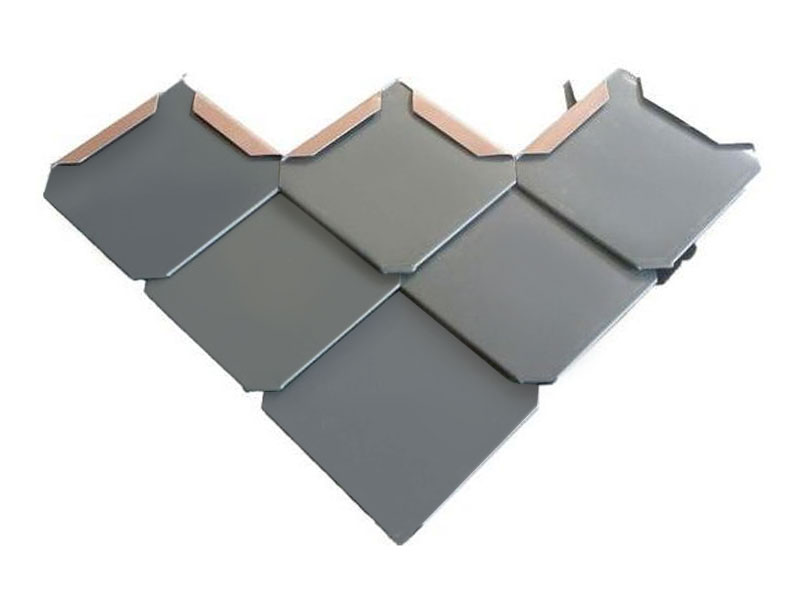
Structural Characteristics of Aluminium Diamond Roofing Tiles
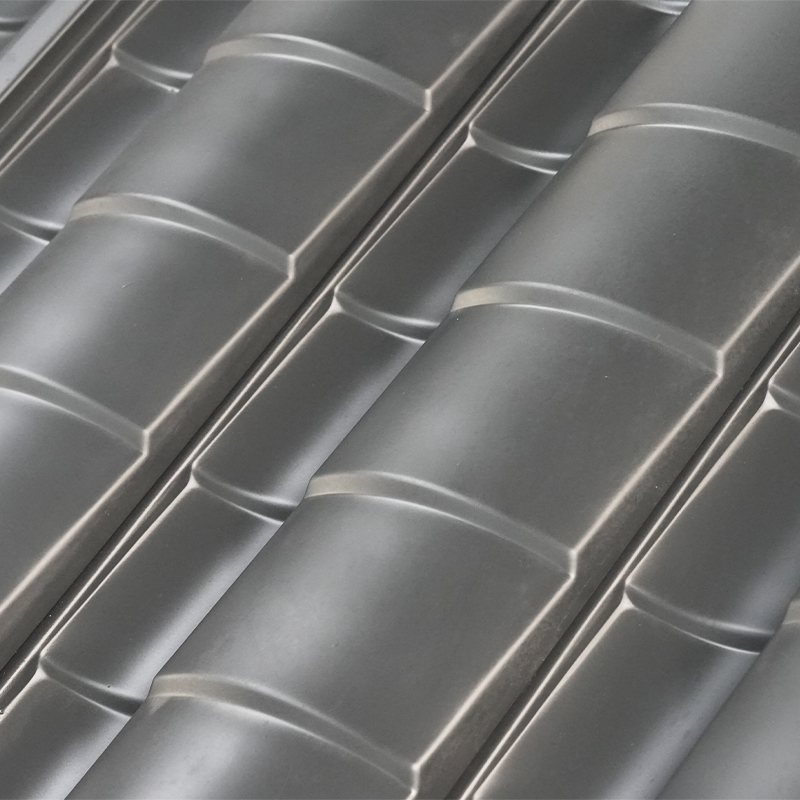
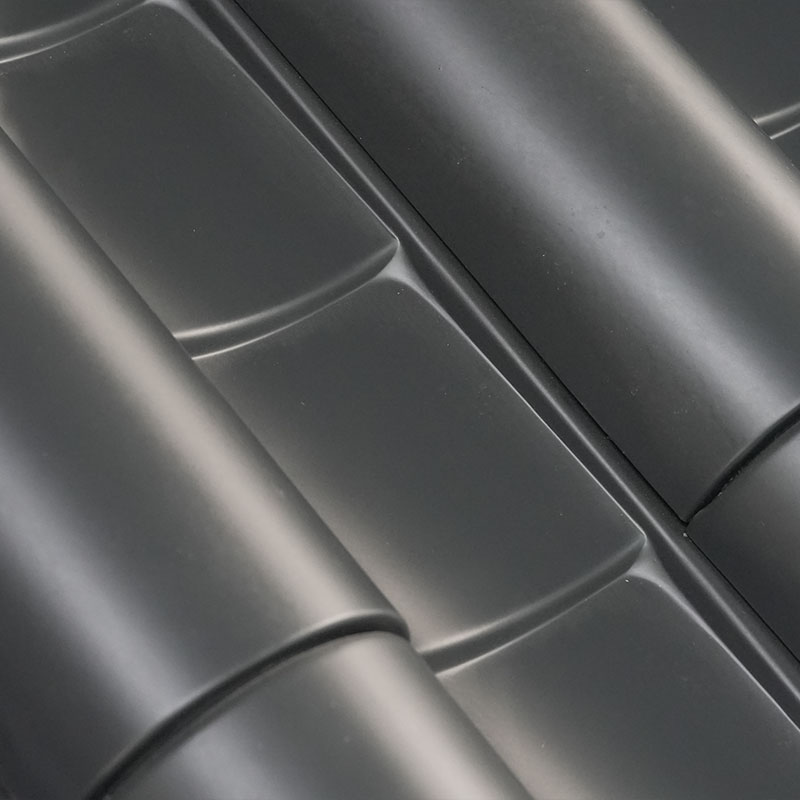
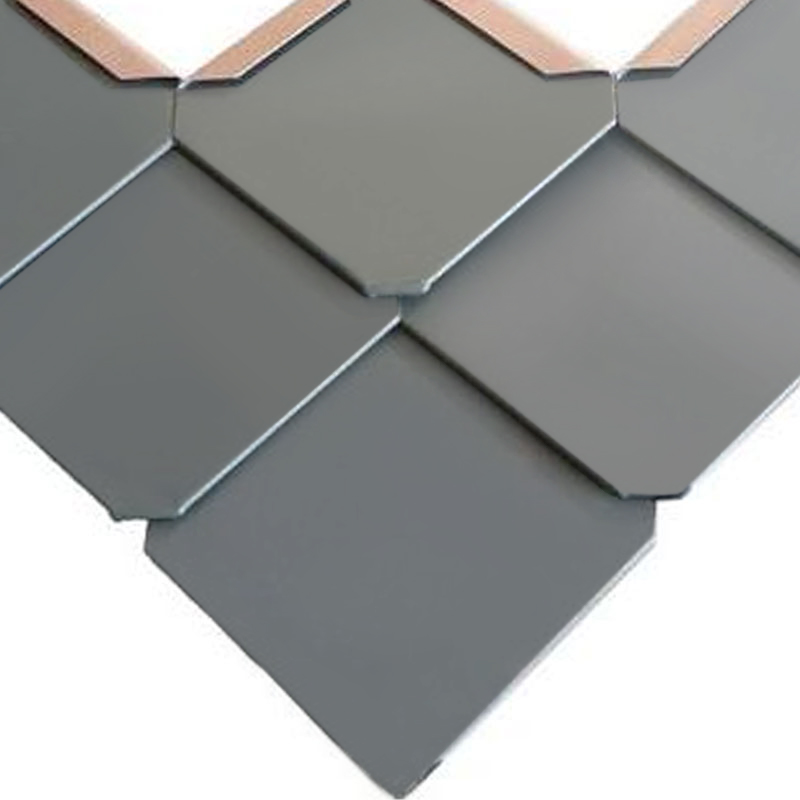
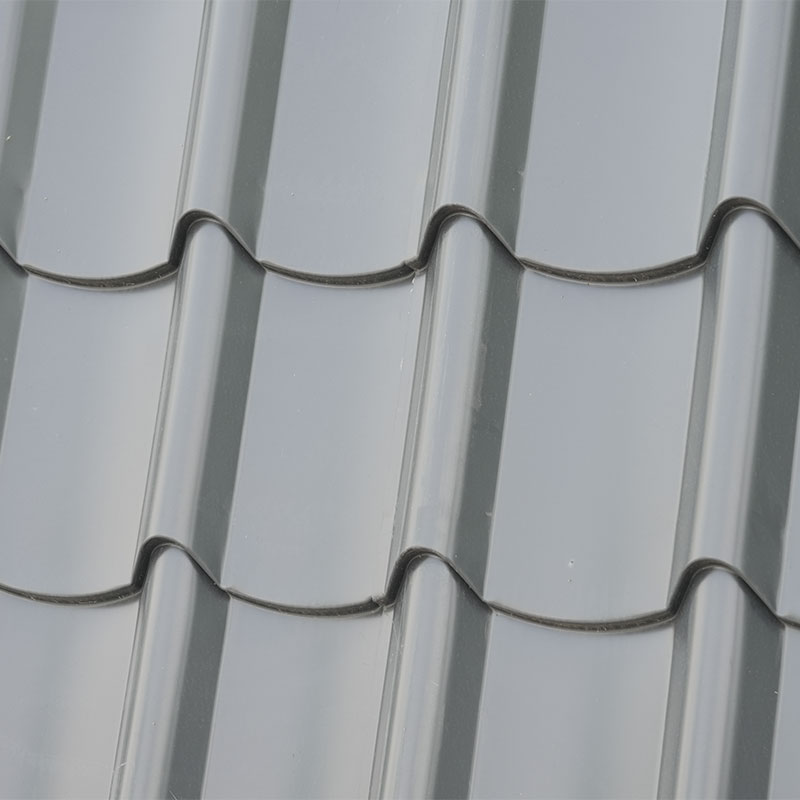
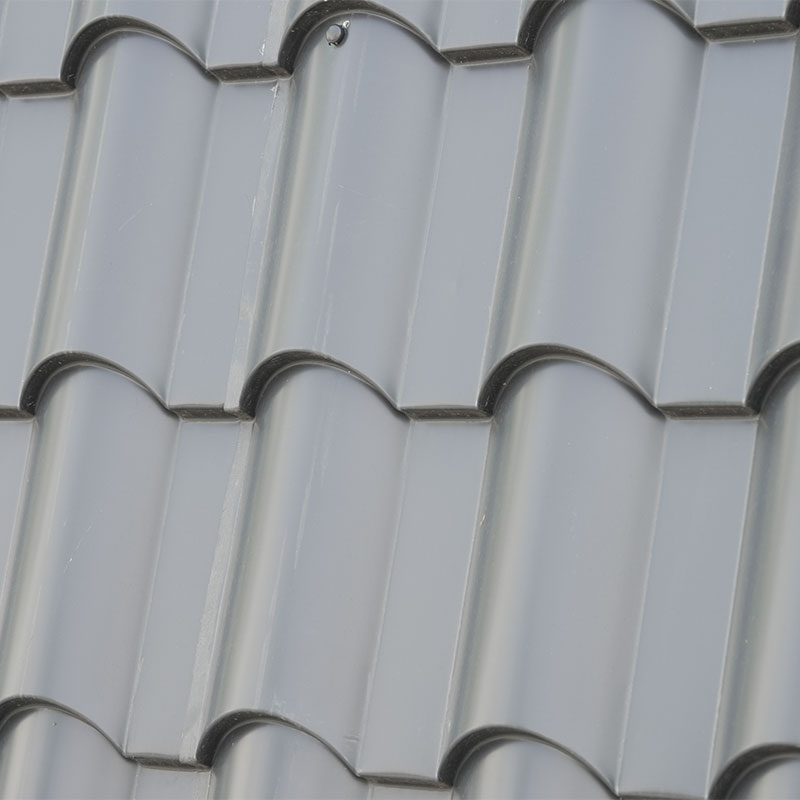
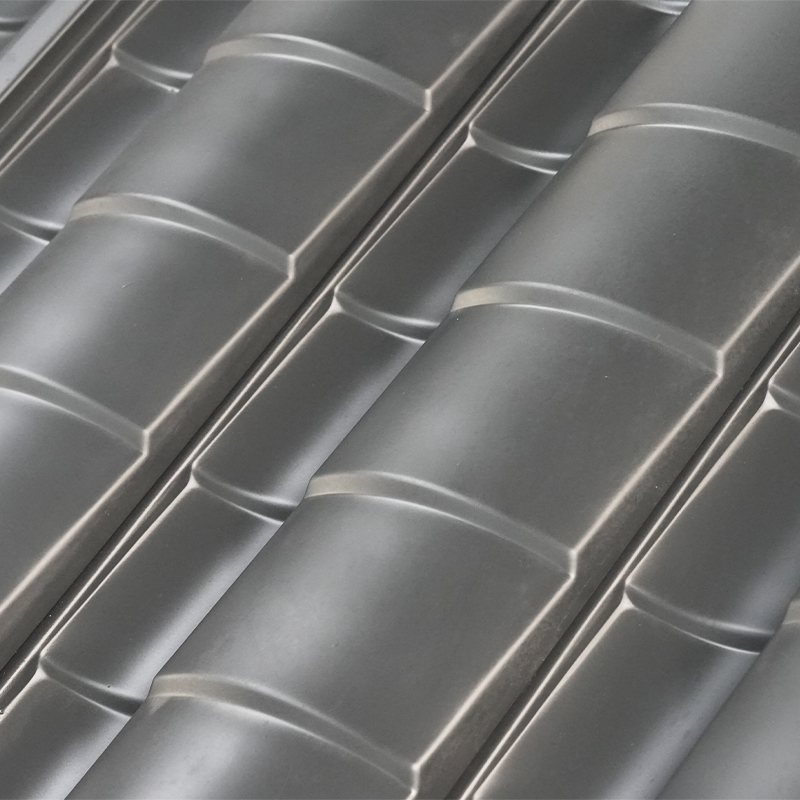
Aluminium diamond roofing tiles are manufactured with a diamond-shaped surface pattern that enhances rigidity without increasing material thickness. This geometric design improves load distribution across the tile surface, allowing the roofing system to maintain stability while remaining lightweight. The aluminium base material further contributes to weight reduction while offering consistent dimensional accuracy.
Material Properties Supporting Lightweight Design
Aluminium naturally provides a high strength-to-weight ratio, making it suitable for roofing applications where reduced mass is required. The diamond embossing reinforces the tile surface, improving resistance to deformation under wind pressure or maintenance loads without relying on thicker panels.
Installation Advantages of Aluminium Diamond Roofing Tiles
Lightweight aluminium diamond roofing tiles simplify transportation, handling, and installation compared to heavier roofing materials. This directly affects construction timelines and labor requirements, especially on large roof areas or elevated structures.
- Reduced lifting effort during installation, improving on-site safety.
- Lower transportation costs due to reduced overall material weight.
- Faster roof coverage with less dependence on heavy lifting equipment.
- Compatibility with light steel structures and prefabricated building systems.
Performance Under Weather and Environmental Conditions
Despite their low weight, aluminium diamond roofing tiles provide reliable performance under various environmental conditions. Aluminium resists corrosion, making these tiles suitable for coastal, industrial, and high-humidity environments. The diamond pattern also assists with water runoff, reducing the risk of water accumulation on the roof surface.
Wind and Rain Resistance
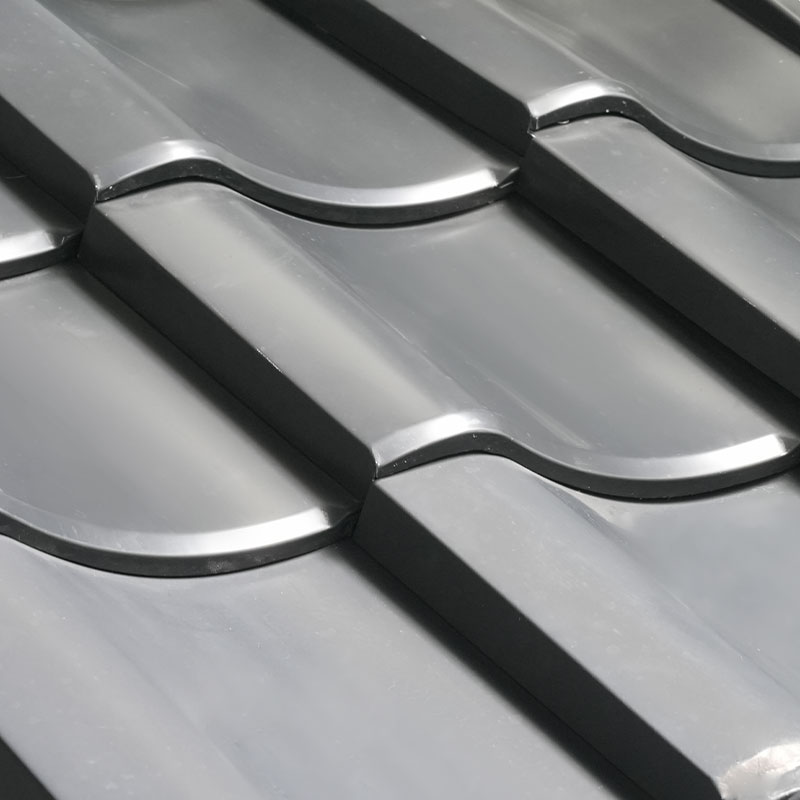
The interlocking installation method commonly used with diamond roofing tiles improves resistance to wind uplift. Combined with proper fastening systems, the lightweight structure remains stable during strong winds while efficiently channeling rainwater away from the roof.
Comparison with Traditional Roofing Materials
| Roofing Material | Weight Impact | Structural Demand |
| Clay or Concrete Tiles | High | Requires reinforced support |
| Steel Roofing Sheets | Medium | Moderate structural support |
| Aluminium Diamond Roofing Tiles | Low | Suitable for lightweight structures |
Applications Suited to Lightweight Roofing Systems
Aluminium diamond roofing tiles are commonly used in projects where structural efficiency and reduced load are priorities. Their adaptability allows them to be applied across a range of building types without compromising performance.
- Residential homes with light steel or timber roof frames.
- Renovation projects where existing structures have limited load capacity.
- Industrial buildings requiring large roof spans with reduced weight.
- Temporary or modular buildings designed for quick assembly.
Maintenance and Long-Term Weight Stability
Unlike roofing materials that absorb moisture or degrade over time, aluminium maintains consistent weight throughout its service life. This stability helps preserve the original structural design assumptions and reduces the need for reinforcement or corrective maintenance. Routine inspections typically focus on fasteners and surface finishes rather than structural concerns.
Why Aluminium Diamond Roofing Tiles Support Lightweight Roofing Goals
Aluminium diamond roofing tiles combine low material weight, structural reinforcement through surface patterning, and reliable environmental performance. These characteristics make them a practical solution for lightweight roofing systems where efficiency, safety, and long-term stability are essential considerations in modern construction projects.