

 English
 русский
 Español
 عربى
عربى
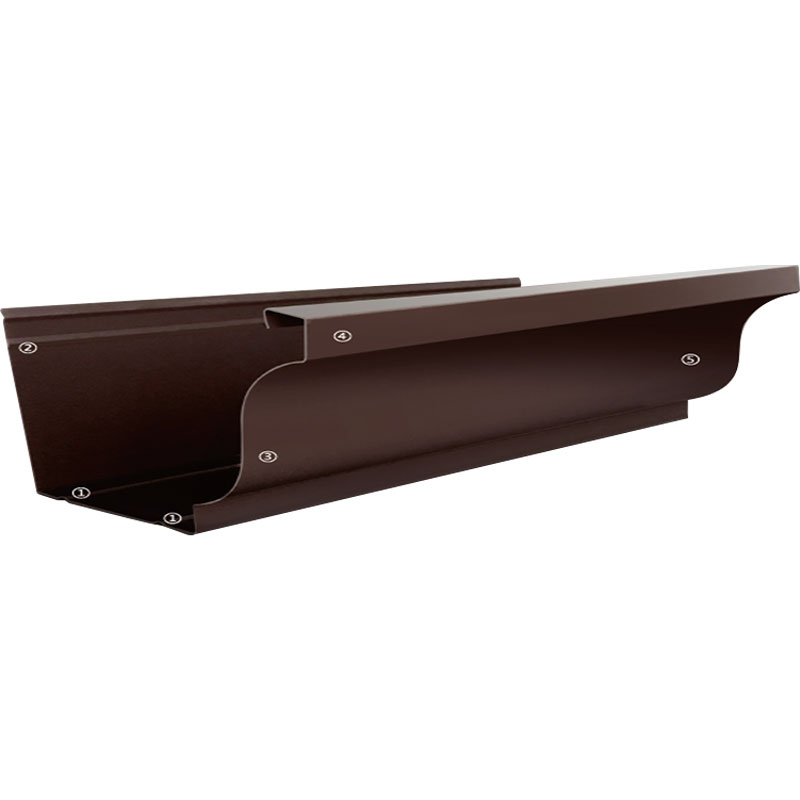
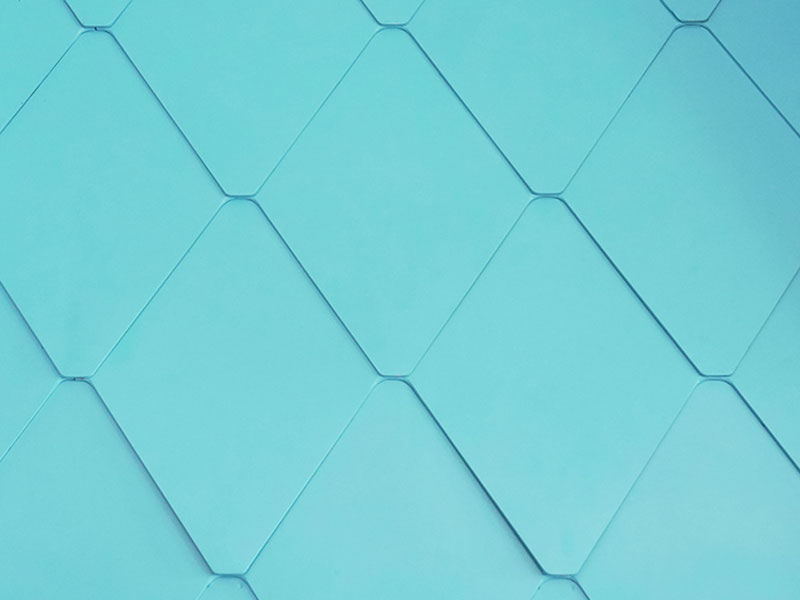
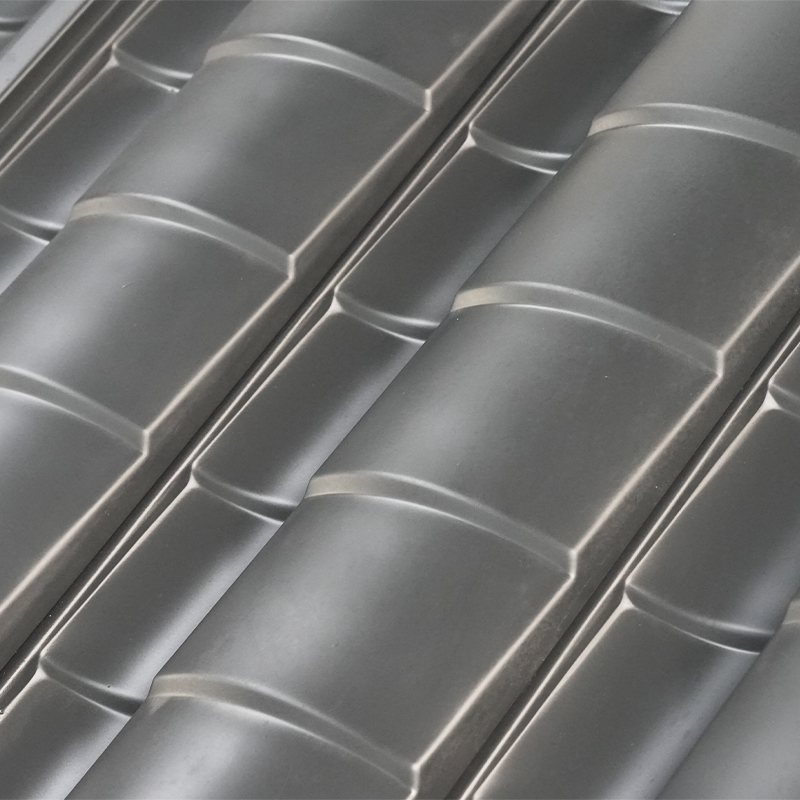
Insulated aluminium roof tiles are increasingly favored by architects and builders for both residential and commercial projects. Their combination of durability, thermal performance, aesthetic versatility, and sustainability makes them a practical choice in modern construction. Understanding the reasons behind this preference requires examining factors such as energy efficiency, installation benefits, long-term cost savings, and environmental impact.
Content
Energy Efficiency and Thermal Performance
One of the main reasons architects specify insulated aluminium roof tiles is their superior energy efficiency. The built-in insulation layer reduces heat transfer, keeping interiors cooler in summer and warmer in winter. This reduces the reliance on heating and cooling systems, contributing to lower energy consumption and utility costs. High thermal performance is especially critical in regions with extreme temperatures, where traditional roofing materials may fail to provide adequate insulation.
Optimizing insulation and energy savings
- Insulated aluminium tiles maintain consistent indoor temperatures, enhancing occupant comfort.
- Reducing heat gain or loss lowers demand on HVAC systems, extending their lifespan.
- Compatible with green building certifications due to improved energy efficiency.
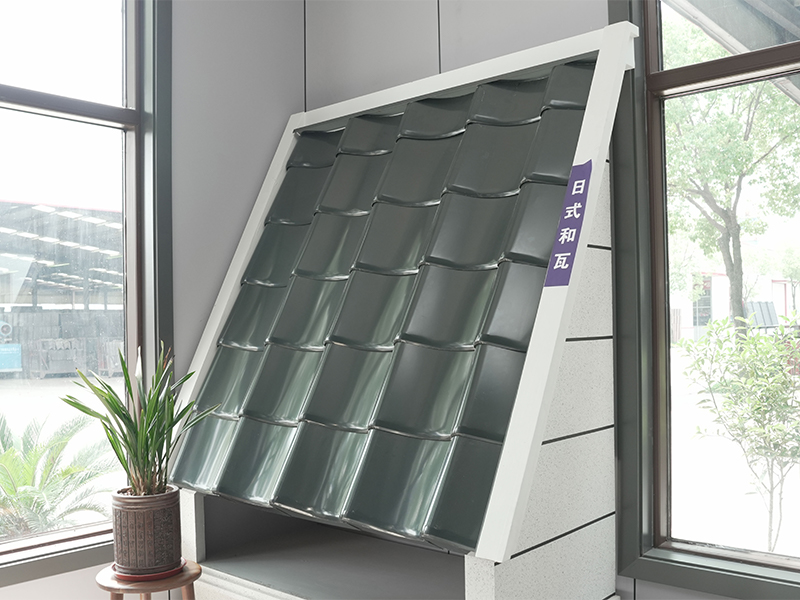
Durability and Weather Resistance
Insulated aluminium roof tiles are extremely durable, resisting corrosion, rust, and structural deformation. Aluminium’s natural resistance to moisture and oxidation ensures longevity in harsh weather conditions, including heavy rain, snow, and high winds. The insulation layer also prevents condensation and thermal expansion issues, which can compromise roofing integrity over time.
Advantages in construction and maintenance
- Long lifespan reduces the frequency of roof replacement, lowering long-term costs.
- Resistant to fading, warping, and cracking, maintaining aesthetic quality over time.
- Requires minimal maintenance compared to traditional roofing materials like asphalt or clay tiles.
Design Flexibility and Aesthetic Appeal
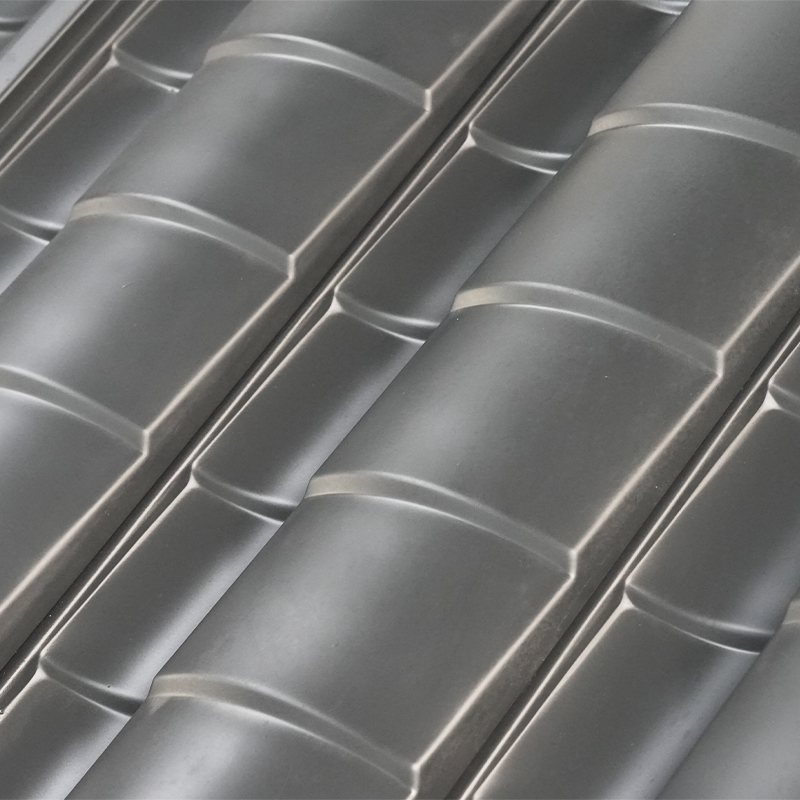
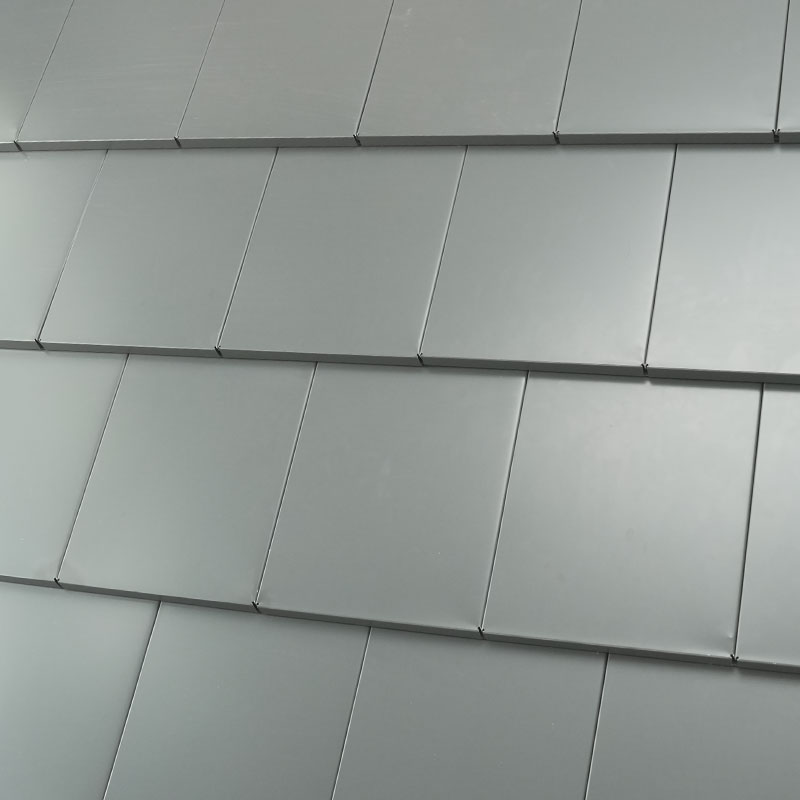
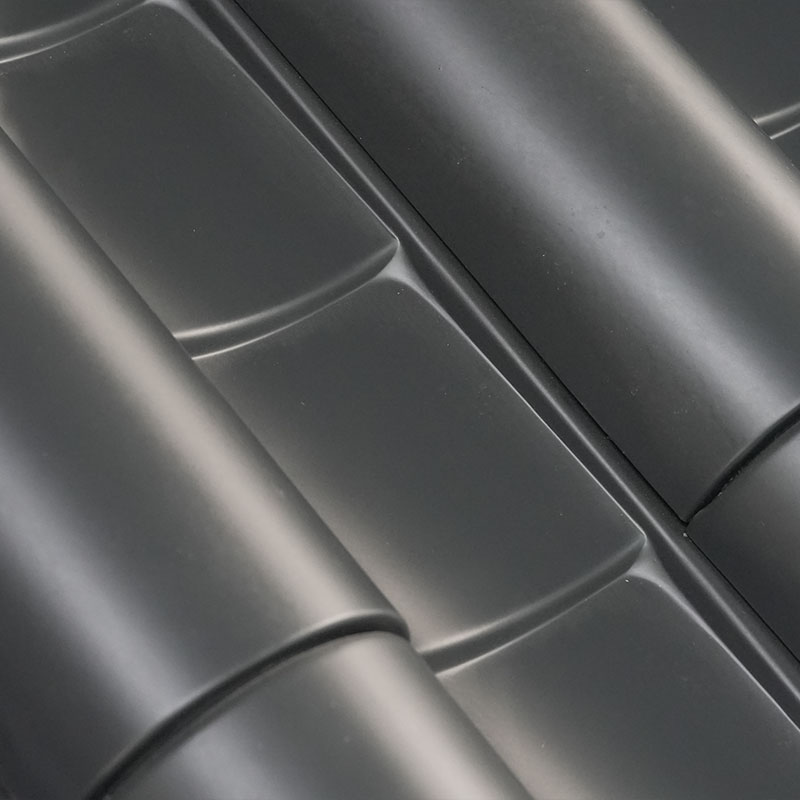
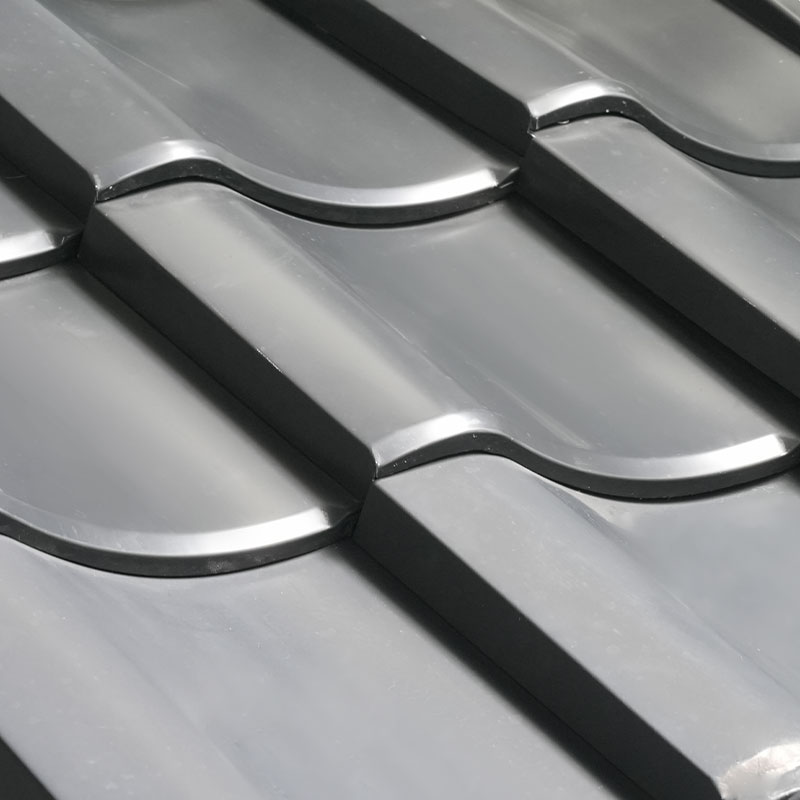
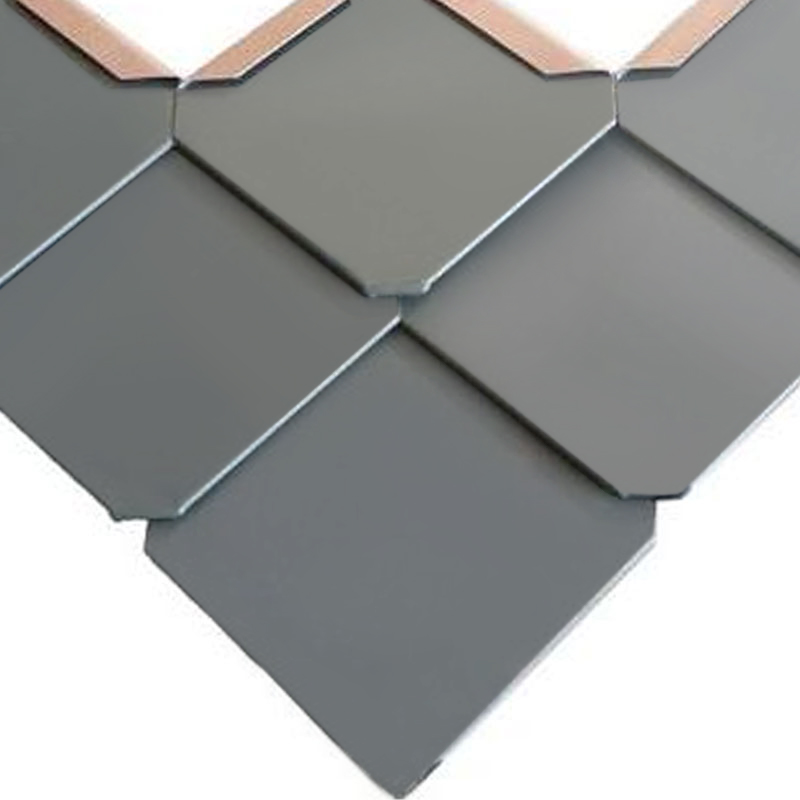
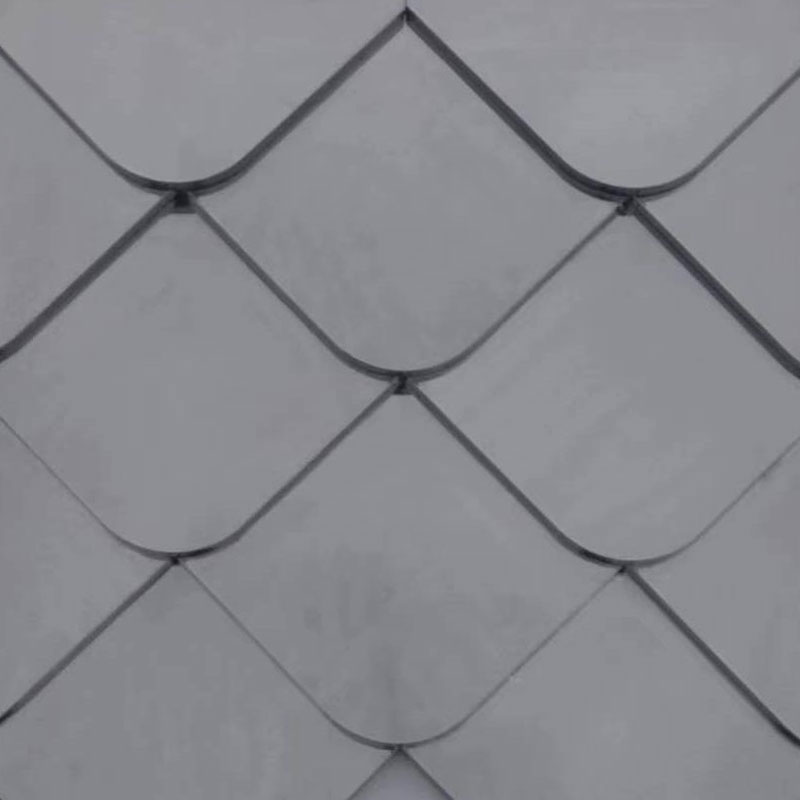
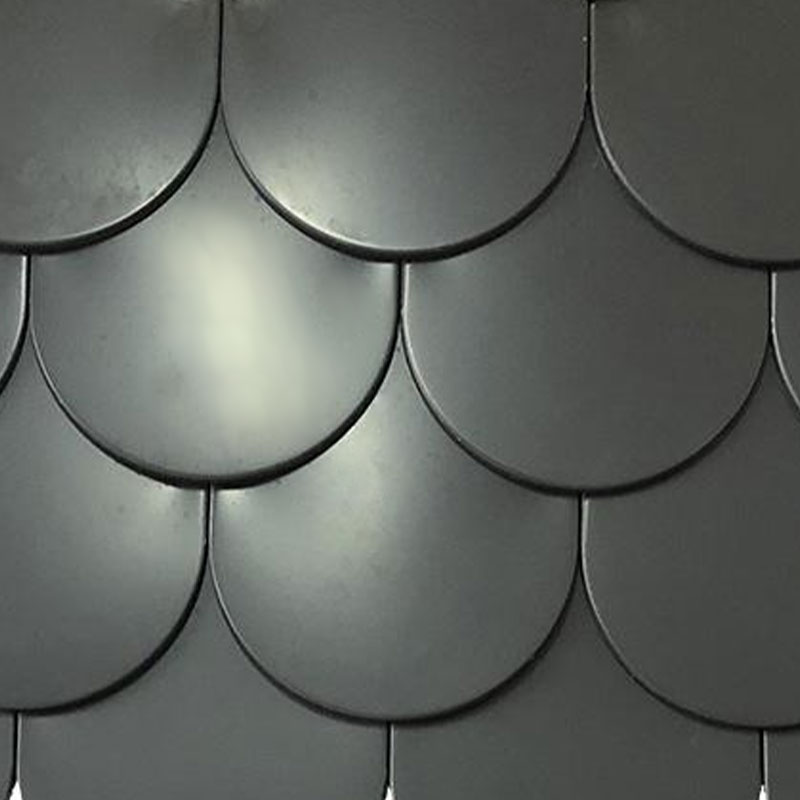
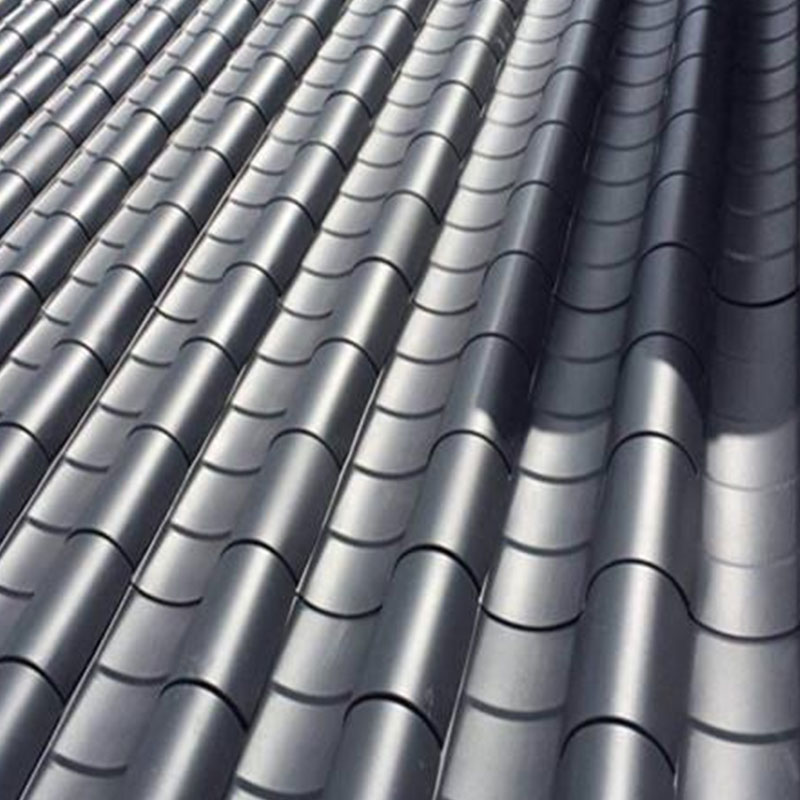
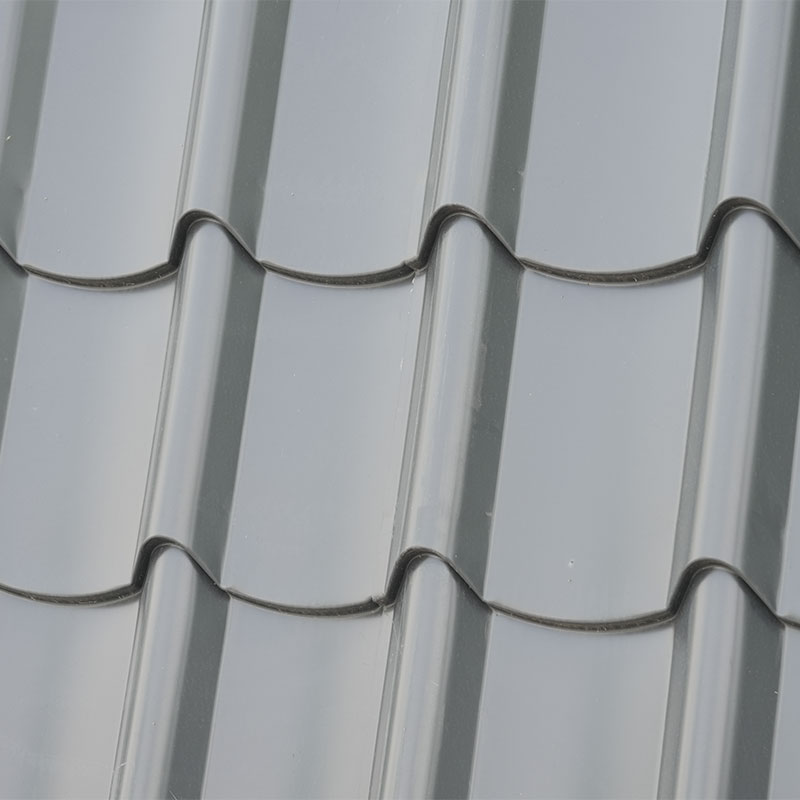
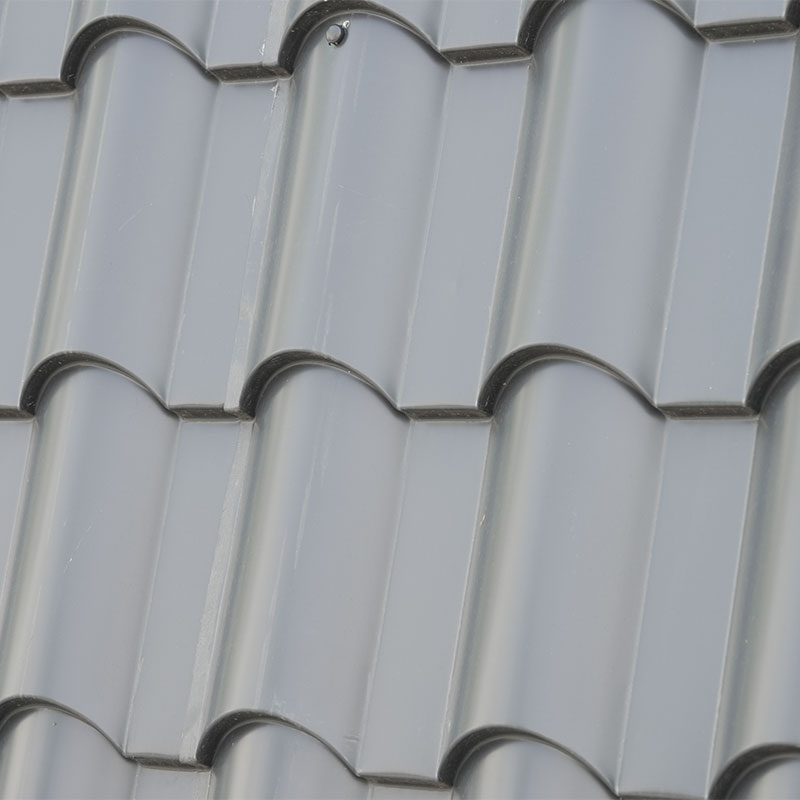
Architects appreciate the design flexibility offered by insulated aluminium roof tiles. They are available in a wide range of colors, finishes, and profiles, allowing integration with diverse architectural styles. Aluminium tiles can mimic traditional materials such as slate or clay while offering superior performance, giving designers the freedom to achieve a desired look without compromising functionality.
Customizing roof appearance
- Variety of colors and coatings enable matching with exterior design schemes.
- Textured finishes replicate traditional roofing aesthetics for visual continuity.
- Lightweight construction allows creative roof shapes and angles without structural constraints.
Installation Efficiency and Structural Benefits
Insulated aluminium roof tiles are lightweight and modular, making installation faster and easier compared to conventional roofing systems. Their reduced weight lowers structural load on supporting frameworks, which can minimize material costs for beams and trusses. Additionally, interlocking designs ensure secure attachment, reducing installation errors and improving roof performance under stress.
Efficiency considerations for builders
- Modular panels simplify handling and reduce labor time on site.
- Lightweight tiles decrease transportation costs and the need for heavy lifting equipment.
- Interlocking systems provide superior resistance to wind uplift and water ingress.
Sustainability and Long-Term Cost Benefits
Sustainable building practices increasingly favor insulated aluminium roof tiles due to their recyclability, energy efficiency, and long service life. Reduced energy consumption lowers operating costs for building owners, while recyclable aluminium contributes to environmental responsibility. Over time, these factors make insulated aluminium roofing a cost-effective choice that aligns with both economic and ecological goals.
Economic and environmental advantages
- Lower heating and cooling costs due to enhanced insulation performance.
- Extended roof lifespan reduces material waste and replacement frequency.
- Recyclable aluminium contributes to sustainable construction practices.
Conclusion: why professionals prefer insulated aluminium roof tiles
Architects and builders favor insulated aluminium roof tiles because they combine energy efficiency, durability, aesthetic versatility, installation ease, and sustainability. These qualities address both functional and design requirements while reducing long-term costs and environmental impact. By selecting insulated aluminium roof tiles, professionals can deliver high-performance, visually appealing, and sustainable roofing solutions for modern construction projects.