

 English
 русский
 Español
 عربى


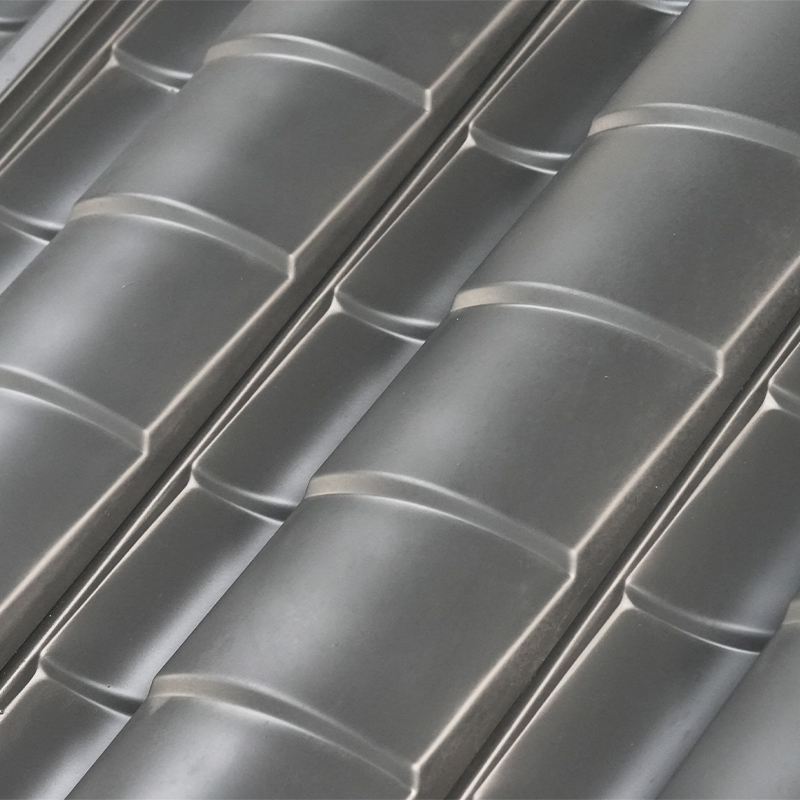
On a gutter replacement job, the difference between 3003-H24 and 3105-H24 coil often shows up at the brake, not in the brochure. The 3105 coil may resist handling dents better, but if the temper, coating, and width allowance are not controlled, the installer can still lose time to oil-canning, springback, and rejected bends. For buyers comparing quotations, the useful question is not simply “Is 3105 better?” but “Where does 3105 aluminum coil earn its cost in a roof or drainage system?”
The short answer: 3105 aluminum coil is a practical upgrade over 3003 when you need moderate extra strength, good corrosion resistance, and reliable formability for roofing tiles, fascia, soffit, trim, and gutters. It is not a substitute for structural design, and it should not be bought on alloy name alone. Temper consistency, coating system, thickness tolerance, and flatness matter as much as the alloy designation.
Practical conclusion: specify 3105 aluminum coil for formed roof components and rainwater systems where 3003 is marginal on stiffness or dent resistance, then lock down temper, paint adhesion, width tolerance, and coil flatness in the purchase order.
For roof build-ups, the coil is only one part of wind uplift and water-shedding performance. Review how thickness and profile design affect wind uplift before selecting a single temper or alloy.
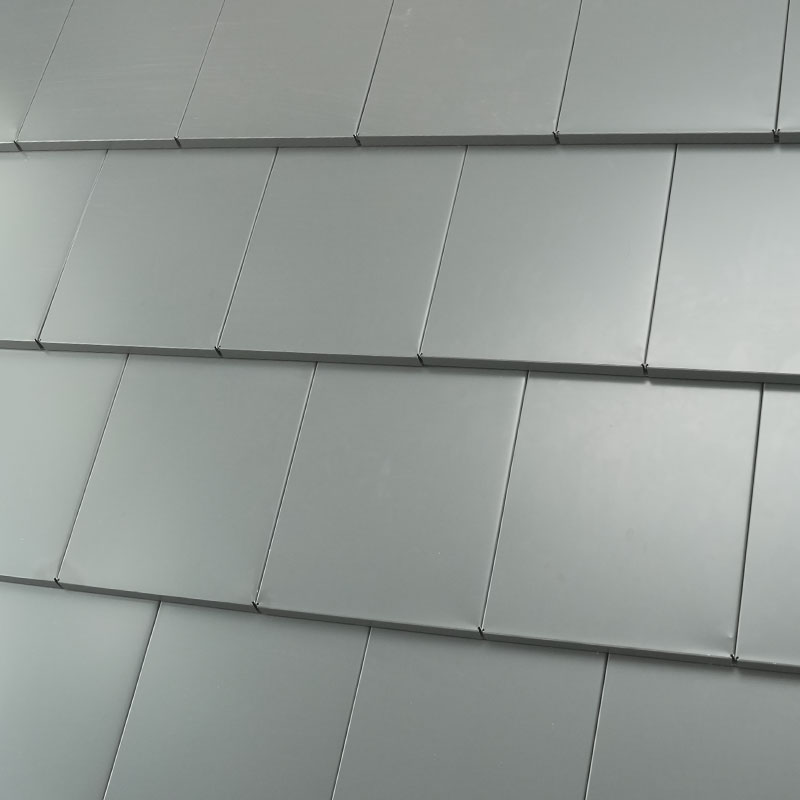
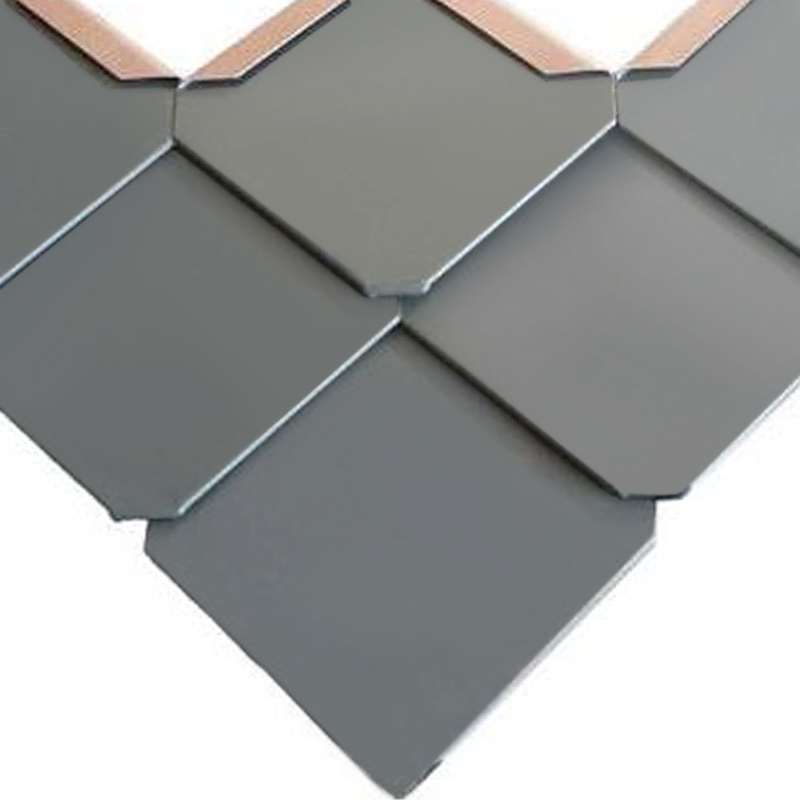
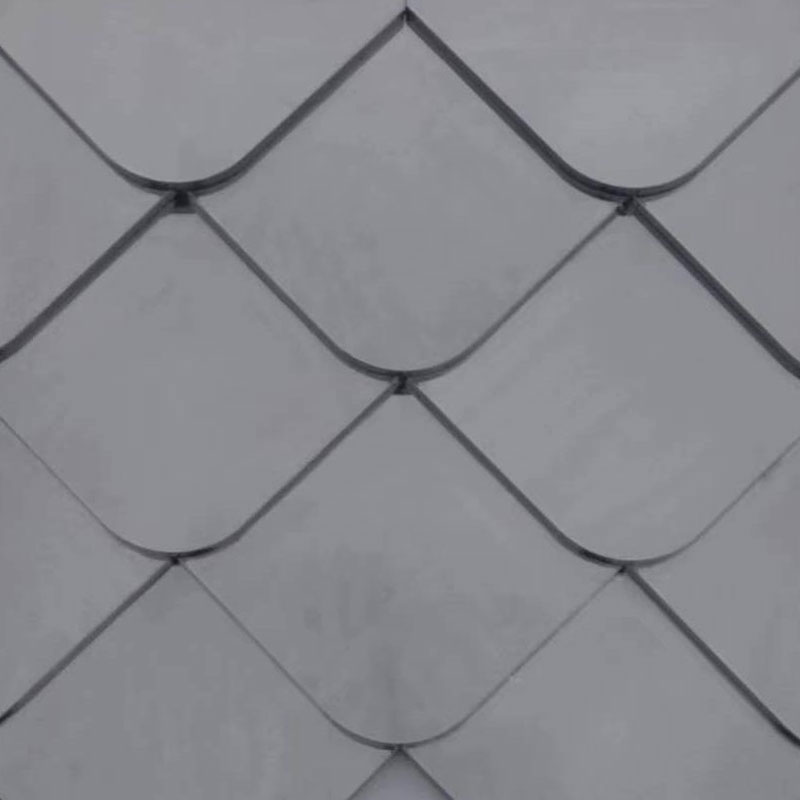
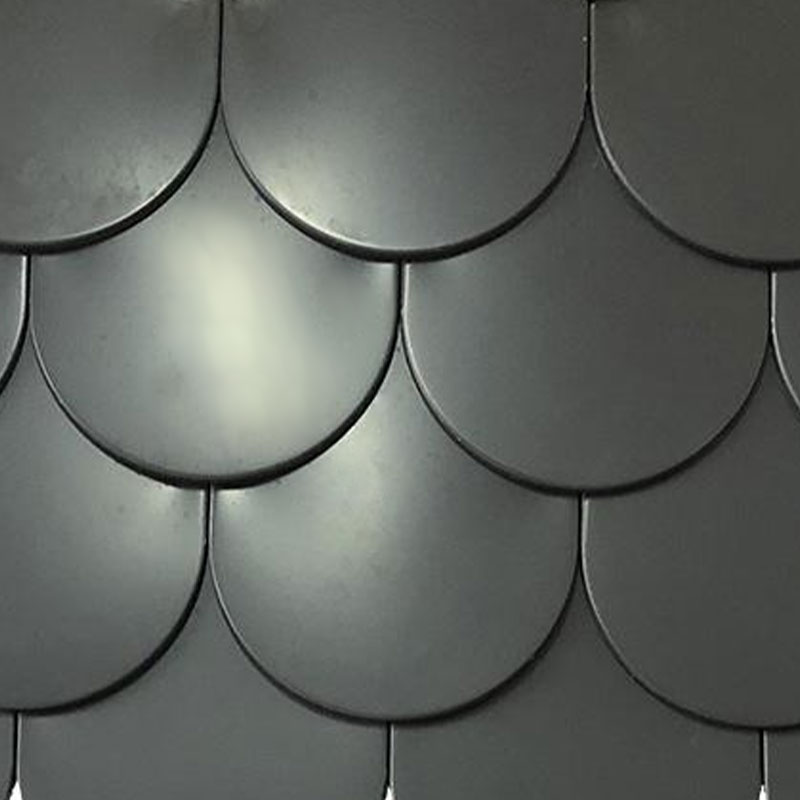
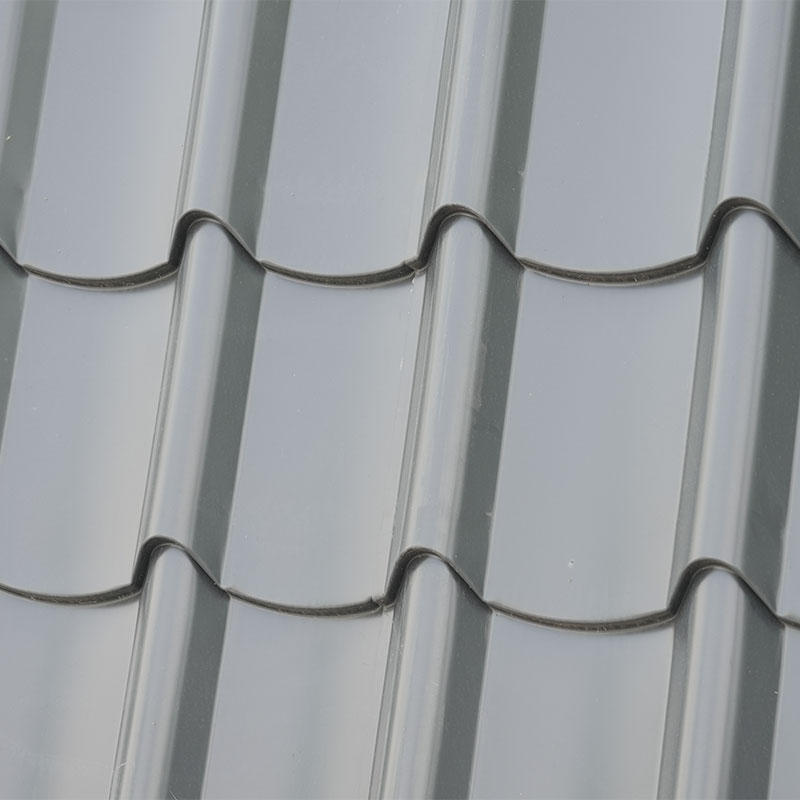
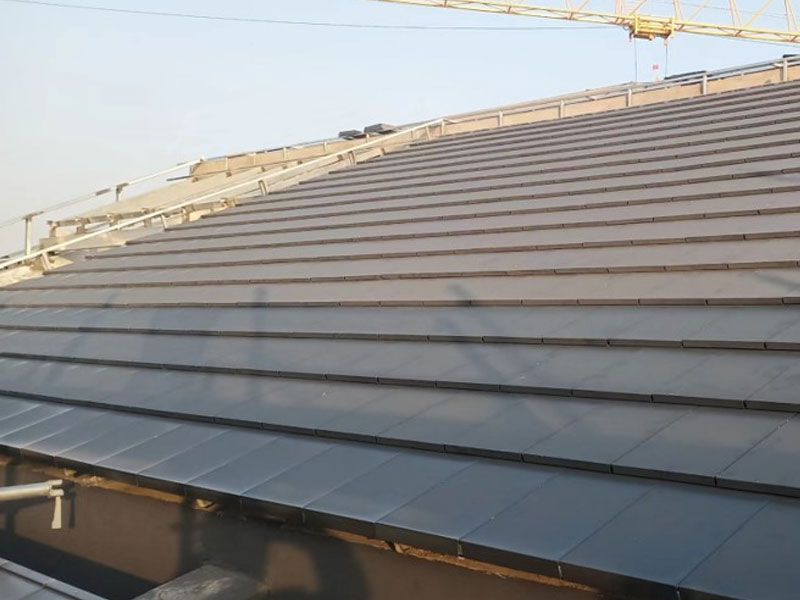 Aluminum Magnesium Manganese Flat Metal Roofing TileFlat-profile roofing tile made from aluminum-magnesium-manganese alloy with fluorocarbon finish, suitable for painted architectural roofing where lightweight, bendable metal is needed.View Product →
Content
What 3105 Aluminum Coil Brings to a Roofing Project
3105 is an aluminum-manganese-magnesium alloy. The magnesium addition gives it more strength than 3003 in comparable tempers, while manganese supports corrosion resistance and forming behavior. In practice, 3105-H24 or 3105-H26 coil is often used for painted roof tiles, edging, gutter sections, downspout stock, and architectural trim where the metal must bend cleanly but still hold shape on the roof.
The grade is not automatically “better” for every part. A deep-drawn or highly complex profile may still favor a softer temper or a different alloy. A long, exposed fascia run may need tighter flatness and better paint adhesion than a short trim piece. The specification should match the forming operation, exposure category, and visible finish quality.
Strength without excessive springback
3105 offers a useful middle ground for brake-formed trim and shallow roof profiles. It can reduce handling dents compared with softer 3003 tempers, provided the fabricator sets bend allowances for the actual temper.
Good atmospheric corrosion resistance
Aluminum-manganese systems perform well in many urban and coastal conditions, but coastal salt exposure, industrial fallout, and contact with dissimilar metals still require coating and fixing details that suit the project.
Paint system decides service life
A multi-layer fluorocarbon coating can protect color and gloss, but pretreatment, primer, and cure control are the hidden variables. Ask for coating adhesion and impact test records, not just the alloy certificate.
Where the roof uses standing-seam or concealed-fixing profiles, the coil’s temper and thickness must support seaming without cracking. A standing-seam roof also depends on clip design, panel width, and substrate condition, so the coil specification should be read alongside the system details.
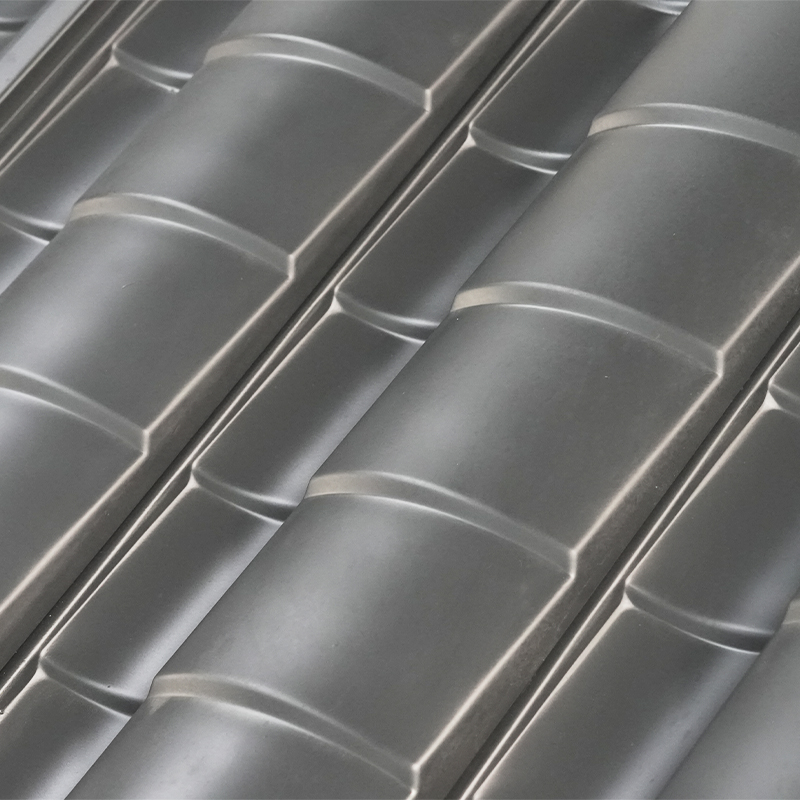
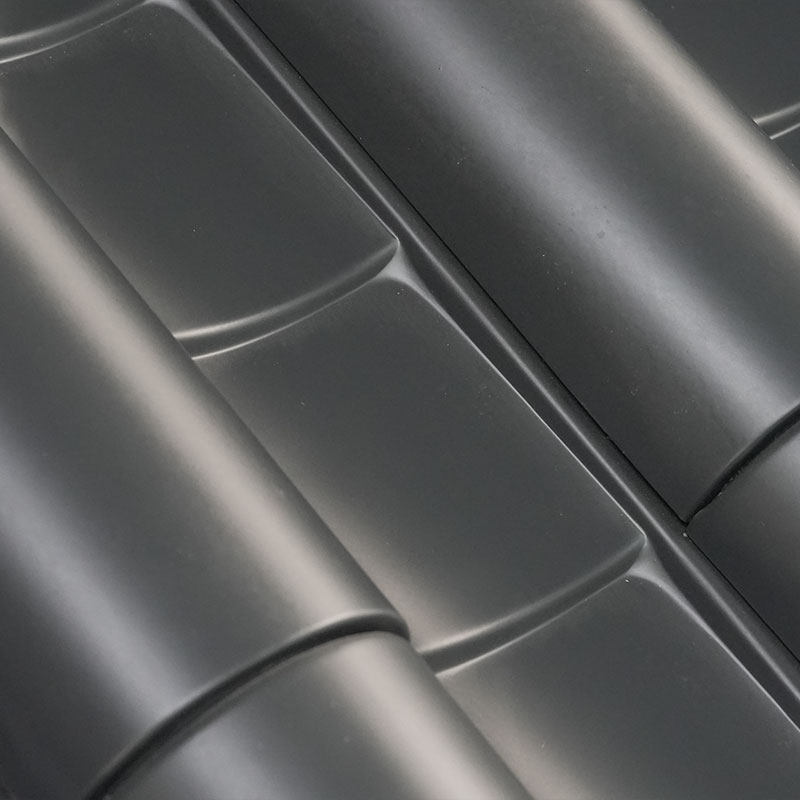
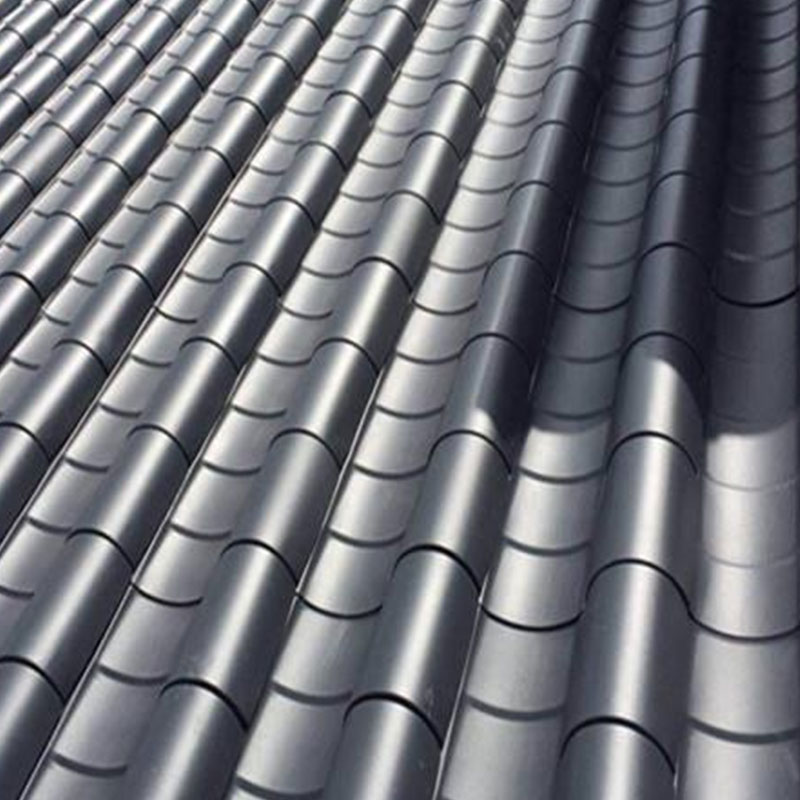
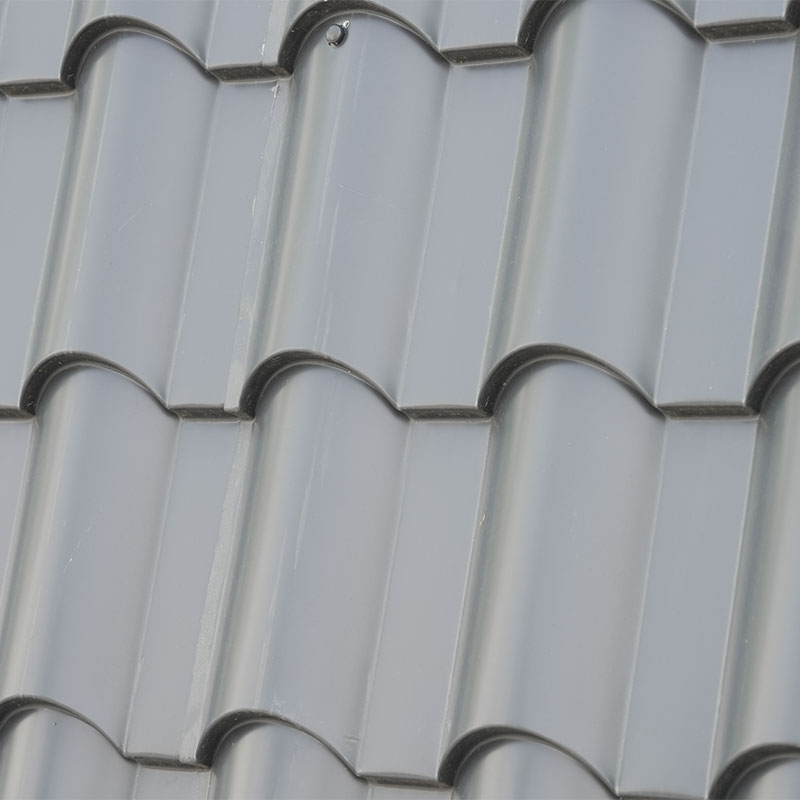
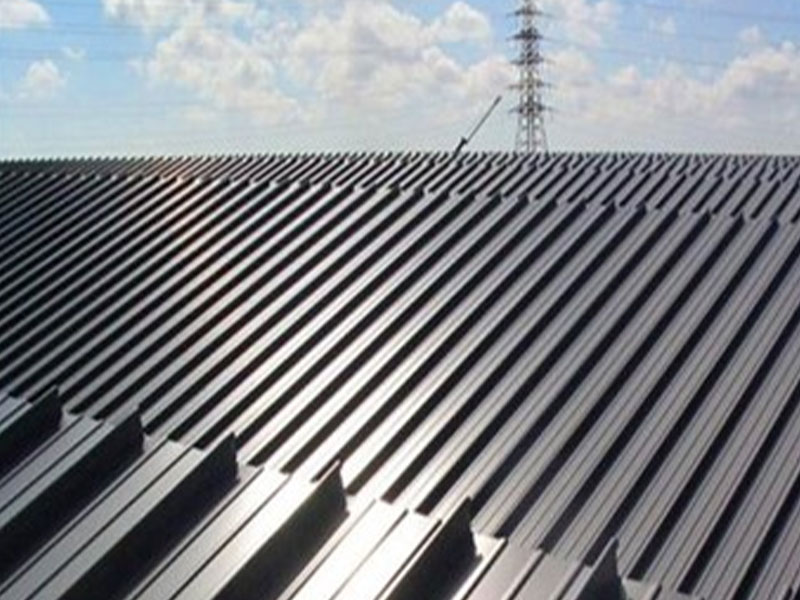 Aluminum Magnesium Manganese Standing Seam Metal Roof TileStanding-seam roof tile in aluminum-magnesium-manganese alloy with fluorocarbon or polyester coating, designed for concealed-fixing roofs needing waterproofing and corrosion resistance.View Product →
Data Comparison: 3105 Against Common Coil Alloys
The comparison below is a specification aid, not a replacement for mill certificates or project testing. Use it to frame questions for suppliers, then verify actual mechanical properties and coating performance against the finished component.
Hidden Cost Drivers in 3105 Coil Procurement
Most buyers watch the alloy price per tonne. The bigger surprises often come from yield loss, rework, and site delays. The chart below shows typical hidden cost areas to audit during supplier selection; the percentages are planning ranges, not fixed rules.
A coil that is 30 mm short on usable width can create more scrap than a small alloy price difference. Inconsistent temper can change springback, causing mating parts to gap or seals to sit unevenly. Poor interleaving or edge damage can force operators to cut away the first metres of every coil. These are commercial issues as much as technical ones.
Where 3105 Aluminum Coil Is Used
In metal roofing and drainage systems, 3105 coil tends to appear in formed components rather than heavy structural sections. The distribution below reflects common project demand patterns for painted aluminum coil in these applications; individual projects can shift the mix significantly.
- 42% Roof tiles and panel profiles
- 24% Gutters, downspouts, and rainwater fittings
- 18% Fascia, soffit, capping, and edge trim
- 10% Signage, cladding trim, and architectural detail
- 6% Other formed components
Selection and ROI Guide for Buyers
The lowest-cost coil is rarely the lowest-cost roof component once fabrication loss, coating failure, and site callbacks are included. A simple sequence keeps the decision grounded in the finished system.
1. Define exposure
Confirm coastal salt, industrial pollution, rainfall intensity, and cleaning regime. These factors drive coating choice and fixing details more than alloy name alone.
2. Match temper to forming
Ask the fabricator to trial the exact profile at the proposed temper. Record springback, bend radius, and visible cracking before approving the coil.
3. Lock coating and colour
Require pretreatment, primer, topcoat, and cure records. For visible roof areas, agree colour tolerances and gloss limits under project lighting.
4. Audit width and flatness
Check usable width, camber, edge condition, and interleaving. Small flatness errors become expensive when panels are long and visible.
5. Buy as a system
Pair coil with compatible fixings, closures, and drainage. A complete metal roofing and gutter system reduces interface risk between trades.
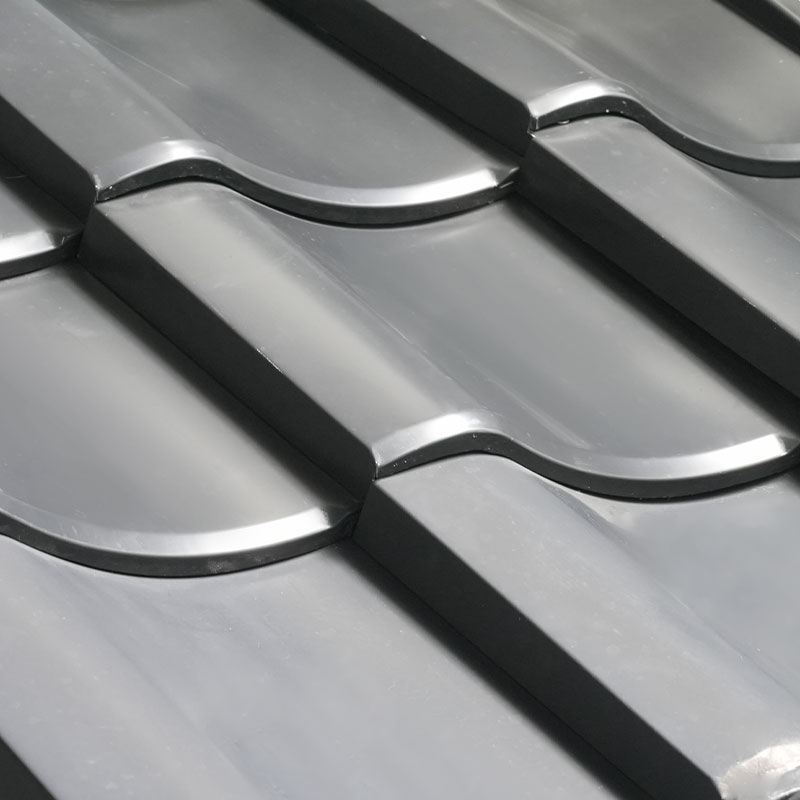
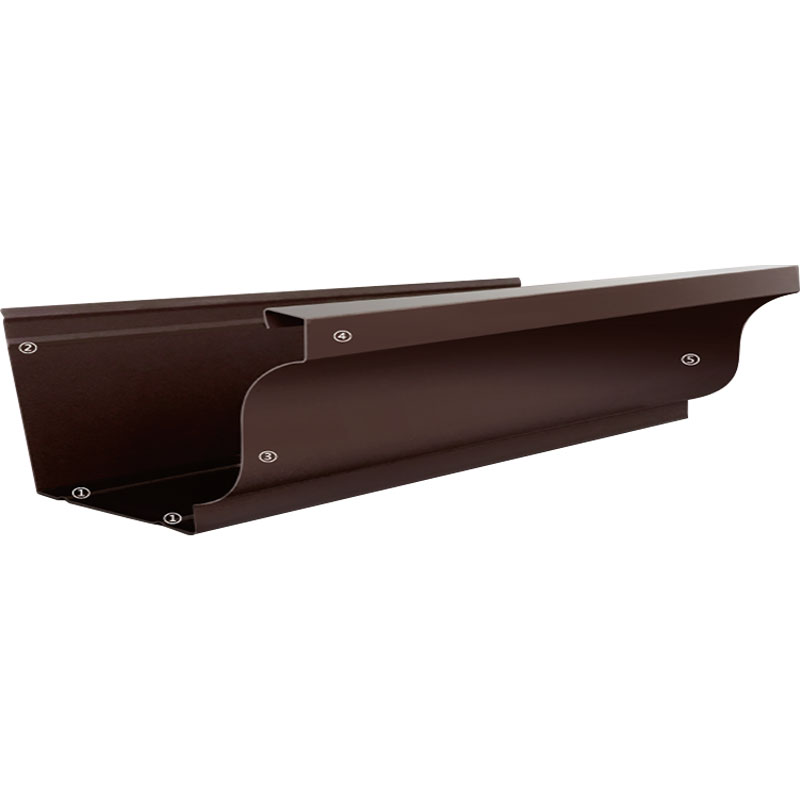
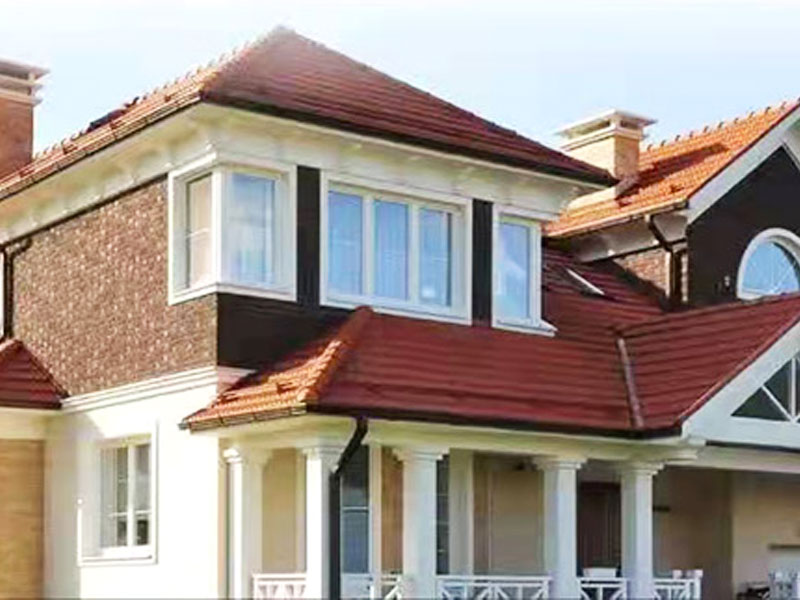 Manganese Aluminum Alloy Roof GutterRoof rain gutter in 3003H24 manganese-aluminum alloy with coating and double water-stop design, suited to drainage and eave decoration with color options.View Product →
Maintenance and Compliance Notes
A 3105 aluminum coil roof or gutter system should be maintained as a coated metal assembly, not as a maintenance-free surface. Simple routines preserve appearance and reveal problems before they become leaks.
- Wash exposed surfaces periodically with mild detergent and clean water; avoid abrasive pads and strong acids that attack the coating.
- Inspect gutters, outlets, and downspouts before heavy rain seasons; trapped debris raises water levels and promotes overflow at joints.
- Check cut edges, scratches, and fixing points. Touch-up should follow the coating supplier’s repair procedure, not an arbitrary paint match.
- Keep aluminum away from direct contact with copper, uncoated steel, or other dissimilar metals unless an isolation detail is specified.
- Retain mill certificates, coating reports, batch labels, and installation records for warranty and compliance reviews.
For projects governed by building codes or insurer requirements, confirm fire classification, wind-load design, and coating warranty terms in writing. A supplier’s general brochure is not a project-specific compliance document.
What to Put in the Purchase Order
A clear purchase order prevents most disputes over 3105 aluminum coil. State the alloy and temper, coil dimensions and usable width, thickness tolerance, coating system and colour target, flatness and edge requirements, interleaving, packaging, and the test records required at delivery.
- Alloy and temper, with mechanical property range confirmed by mill certificate.
- Coil ID, OD, weight, width, and thickness tolerance suitable for the forming line.
- Coating build-up, pretreatment type, adhesion test method, and colour approval sample.
- Surface requirements, including acceptable scratches, dents, stains, and edge damage limits.
- Packing method, moisture protection, handling marks, and batch traceability.
When these details are fixed, 3105 aluminum coil becomes a predictable material for roofing and rainwater components: stronger than a basic 3003 specification where it matters, but still dependent on disciplined fabrication and coating control.