

 English
 русский
 Español
 عربى
عربى
Content
- 1 Aluminium Coil Coating Water Treatment: A Roof Buyer’s Guide
- 2 Water-Related Control Points on a Coil Coating Line
- 3 Why Water Quality Determines Coating Performance
- 4 Hidden Metrics: Contaminant Removal Performance
- 5 Aluminium Coil Coating in Construction: Where the Demand Goes
- 6 Compliance Timeline and Why It Matters
- 7 What to Check Before You Specify a Coil-Coated Aluminium Roof
- 8 Maintenance and Compliance Advice for Building Owners
- 9 Conclusion
Aluminium Coil Coating Water Treatment: A Roof Buyer’s Guide
Most roofing material buyers never think about the water used during coil coating. But that water determines whether the paint film will peel after five years or hold its color for decades. In the coil coating line, every rinse tank and pretreatment bath leaves a trace on the metal surface. Poor water quality or inadequate wastewater treatment can lead to poor adhesion, spotting, and even regulatory fines. By understanding the basics of aluminium coil coating water treatment, architects, contractors, and building owners can ask the right questions and choose a coated aluminium roof system that is durable, reliable, and environmentally responsible.
Core insight: Water treatment in aluminium coil coating is not just a factory issue. It directly affects coating adhesion, corrosion resistance, and the long-term appearance of a metal roof. It also determines whether the production process meets environmental limits.
Water-Related Control Points on a Coil Coating Line
Before diving into treatment technology, it helps to see where water actually touches the metal. The comparison below summarizes the main stages where water quality and water treatment directly influence coating success.
Why Water Quality Determines Coating Performance
Several principles explain why water treatment cannot be an afterthought in aluminium coil coating:
- Surface energy depends on cleanliness. Any residual oil or oxide layer changes how the conversion coating forms. Without a clean metal surface, the organic coating cannot anchor properly.
- Rinse water chemistry controls spotting. Dissolved minerals in hard water deposit on the coil surface during drying, creating invisible salts that later attract moisture under the paint.
- Pretreatment baths are living systems. Aluminium, zinc, and fluoride concentrations rise as the bath ages. Precise water treatment maintains the chemical balance needed for a uniform, corrosion-resistant surface.
- Wastewater treatment closes the loop. Spent cleaners and rinse waters contain regulated pollutants. Neutralisation, flocculation, and filtration allow the line to operate within environmental permits while protecting process consistency.
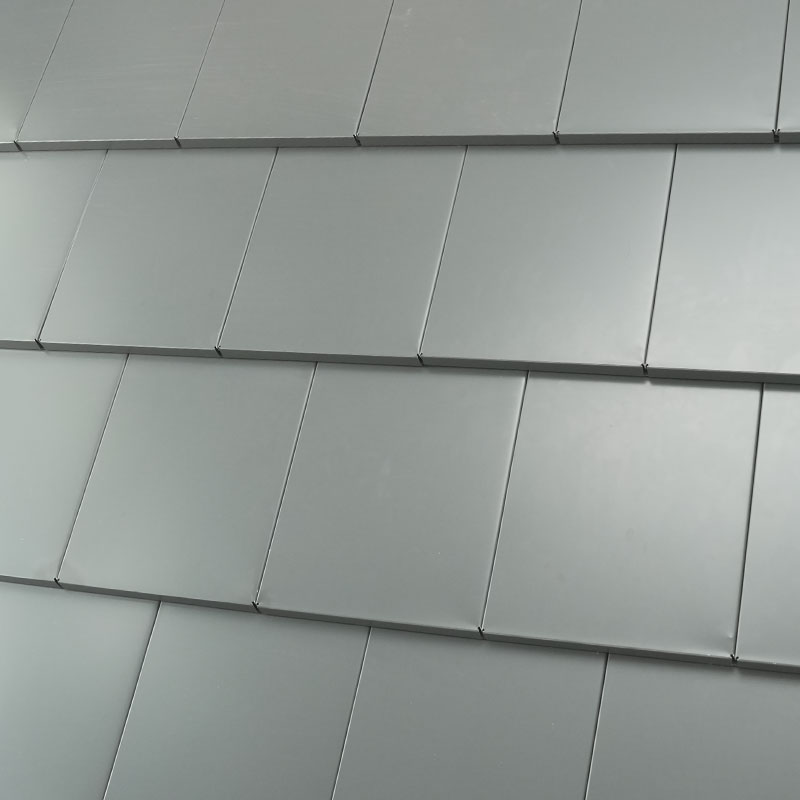
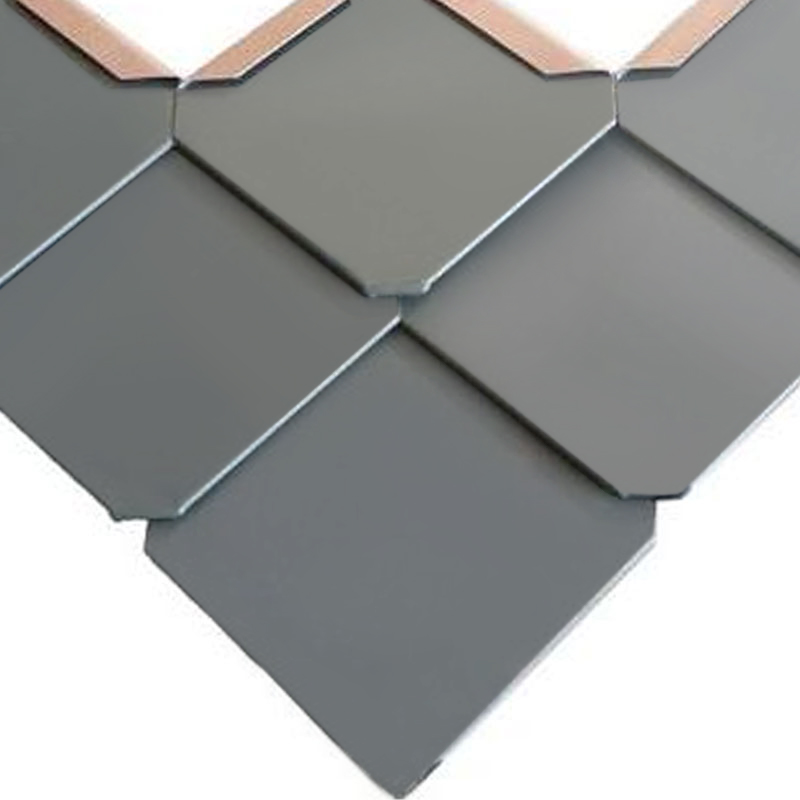
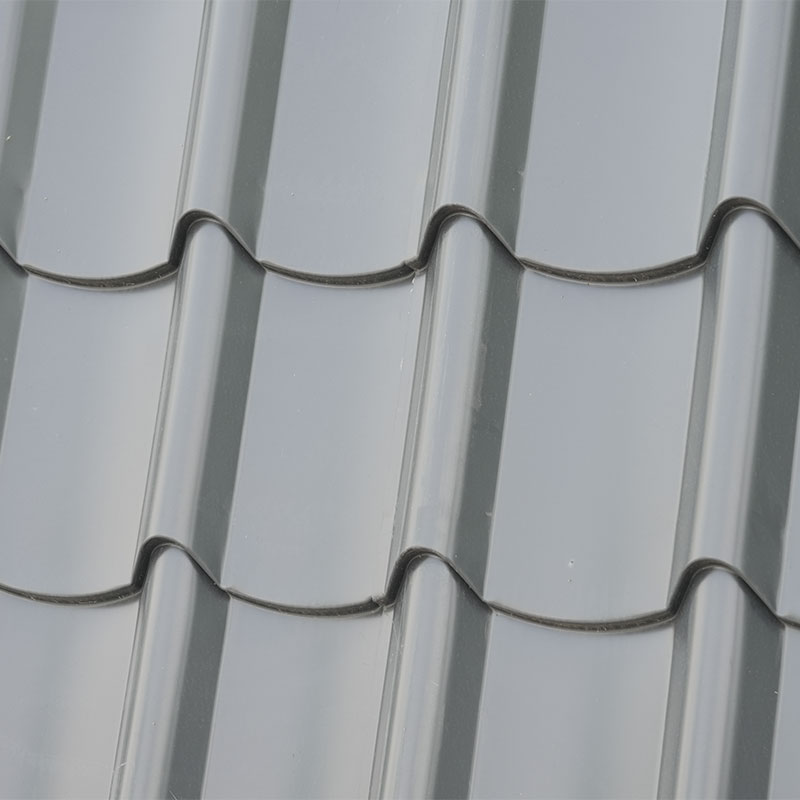
The same surface-quality discipline explains why our own production line applies controlled pretreatment and multiple fluorocarbon layers to the aluminium magnesium manganese flat metal roofing tile. Buyers who inspect coating consistency, edge retention, and colour uniformity are effectively checking the hidden water history of that product.
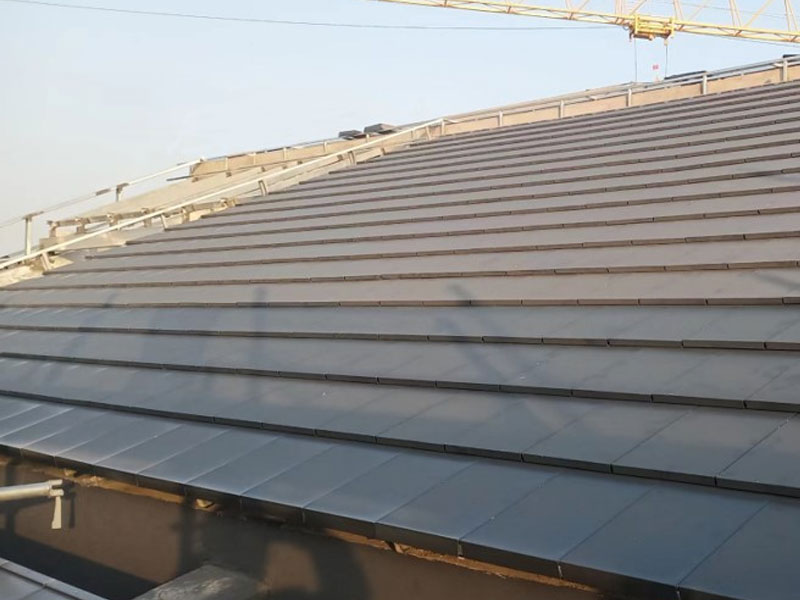 Square Flat Aluminium Roof Tiles Manufacturers, Roof Metal Flat Tiles FactoryAs Aluminum Magnesium Manganese Flat Metal Roofing Tile Manufacturers and Square Flat Aluminium Roof Tiles Factory in China, Meiningjia o...View Product →
Hidden Metrics: Contaminant Removal Performance
A well-designed water treatment system does not just meet discharge limits; it also protects product quality. The bar chart below illustrates typical removal efficiencies for key pollutants in coil coating wastewater.
Indicative removal ranges from modern chemical-physical wastewater treatment systems used in coil coating facilities.
Aluminium Coil Coating in Construction: Where the Demand Goes
It is useful for roof buyers to understand the broader market for coil-coated aluminium. The pie chart below shows the approximate distribution of coil-coated aluminium end-use segments in the building industry.
- Building & construction — 45%
- Transportation — 20%
- Appliances — 15%
- Packaging — 10%
- Other — 10%
Because building and construction is the largest user of coil-coated aluminium, the way producers handle water treatment during manufacturing has an outsized effect on the quality of metal rooftops, wall panels, gutters, and architectural profiles.
Compliance Timeline and Why It Matters
Environmental compliance is a reliable proxy for process discipline. The timeline below marks the key regulatory milestones for aluminium coil coating wastewater in the United States.
EPA issues the initial effluent limitation guidelines for the coil coating point source category, setting numeric pollutant limits.
EPA amends the guidelines to cover canmaking operations, expanding the scope of wastewater monitoring and control.
Industrial permits require best available technology for metals, oil and grease, and pH. Compliant facilities are generally better equipped to maintain stable surface quality.
What to Check Before You Specify a Coil-Coated Aluminium Roof
For roof buyers, the goal is not to become water-treatment engineers. Instead, focus on the evidence that a manufacturer has the process under control. Use the following checklist as a practical starting point.
Ask for process control records
Look for pH, conductivity, and bath composition logs. Consistent records indicate a producer that treats water quality as a production variable, not an afterthought.
Verify coating adhesion data
Cross-hatch adhesion, reverse impact, and salt spray results tell you whether the pretreatment and rinse stages really prepared the metal surface.
Understand the topcoat system
Fluorocarbon systems typically outperform polyester in UV resistance and colour retention, which is why high-end metal roofing relies on modified PVDF coatings.
Match profile to roof drainage
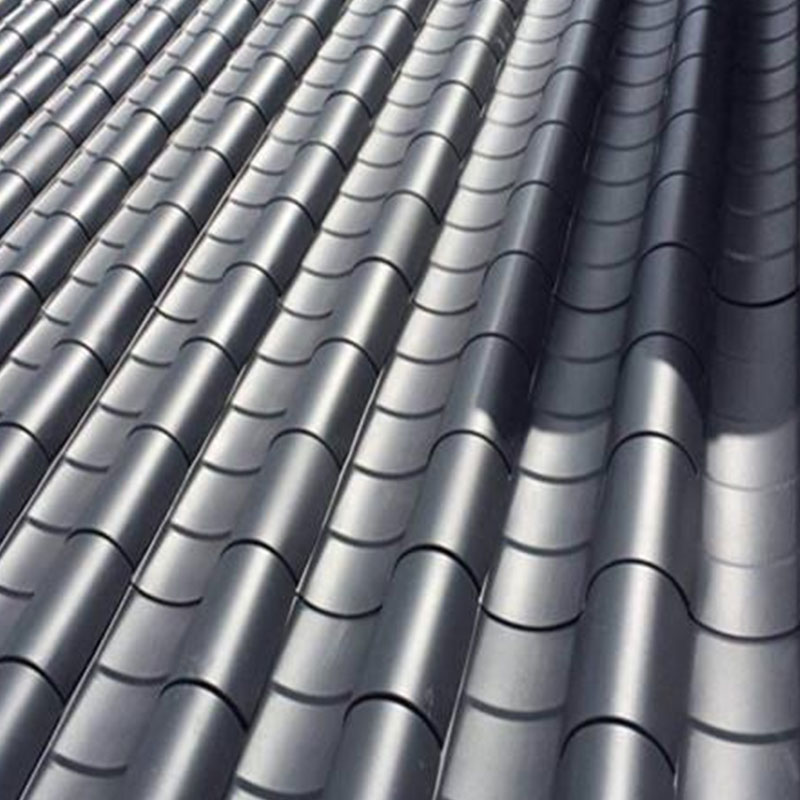
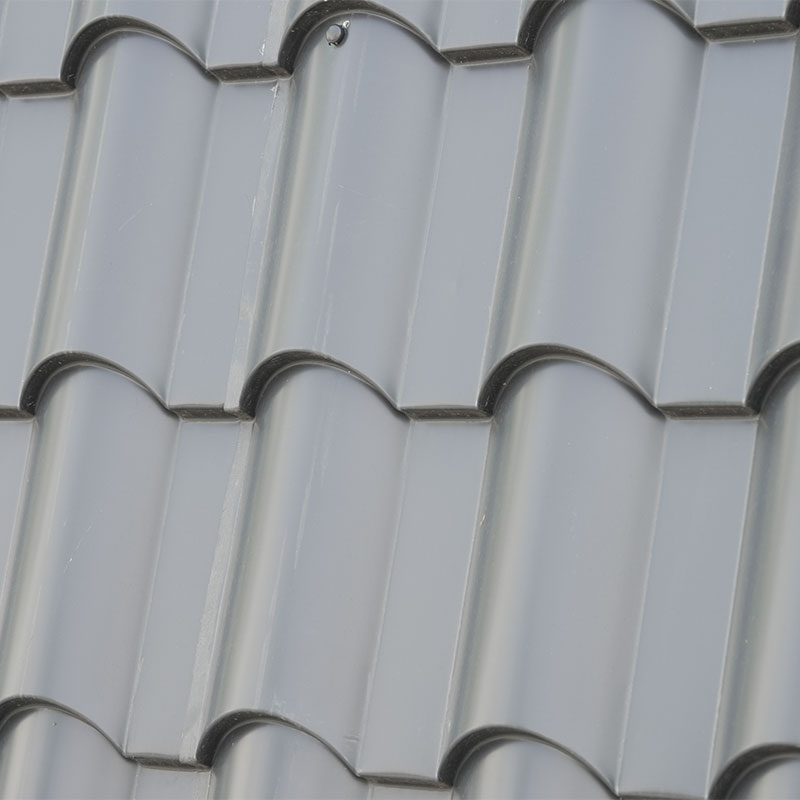
Long-term exposure to standing water attacks the coating and the cut edges. For low-slope projects, a standing seam metal roof tile can improve water shedding and reduce ponding.
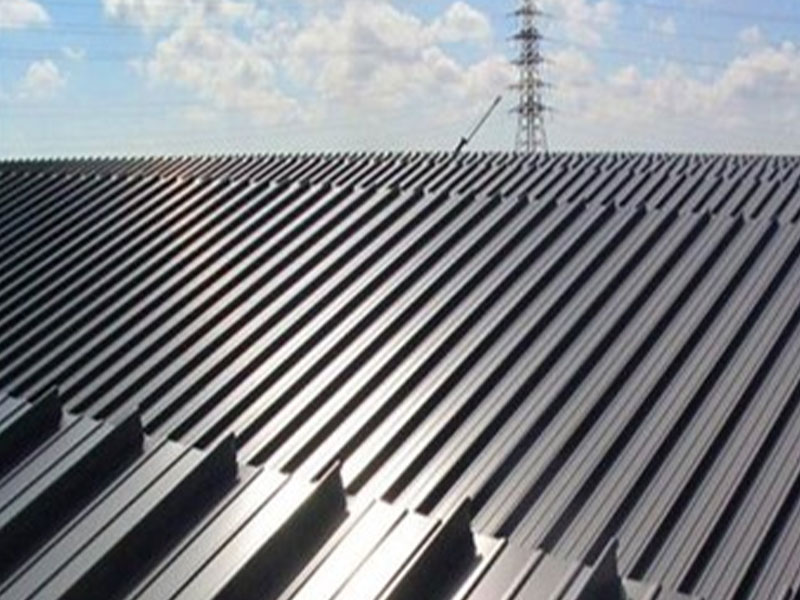 Residential Standing Seam Metal Roof Manufacturers, FactoryMeiningjia are Aluminum magnesium manganese Standing Seam Metal Roof Tile Manufacturers and Residential Standing Seam Metal Roof Tile Fac...View Product →
Review the warranty carefully
Warranty length and exclusions reveal how much confidence the manufacturer has in its surface preparation and coating technology.
Check environmental compliance
Ask about wastewater permits, treatment methods, and surface treatment substance restrictions. Responsible manufacturers are usually more transparent about these topics.
Maintenance and Compliance Advice for Building Owners
Once the coil-coated aluminium roof is installed, a few practical habits protect the finish and the investment.
- Inspect the roof twice a year for scratches, edge corrosion, or debris accumulation. Early repair of minor damage prevents moisture from reaching the substrate.
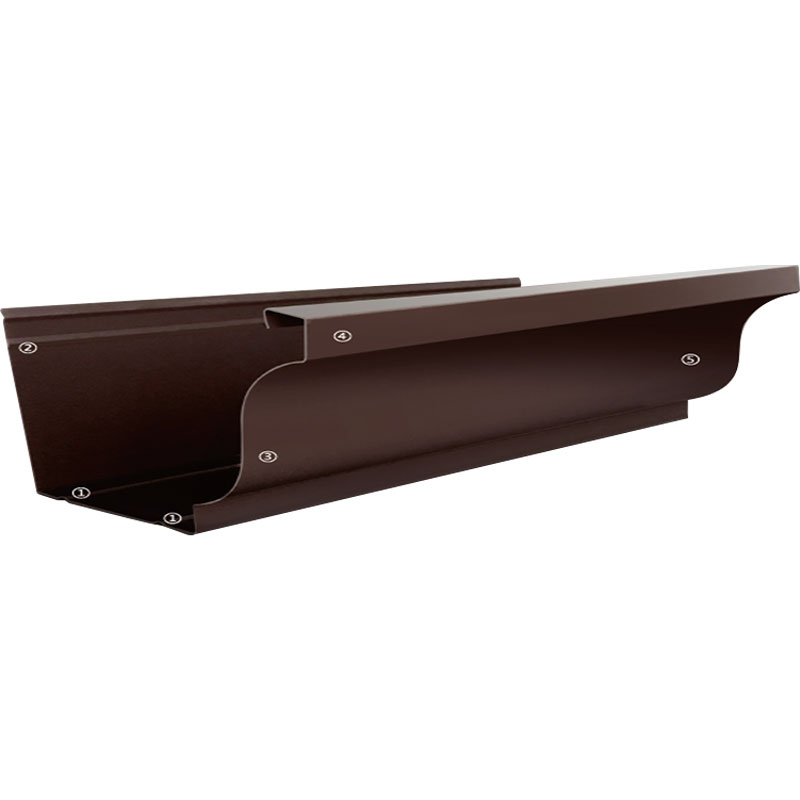
- Keep gutters and downpipes clear. The manganese aluminium alloy roof gutter
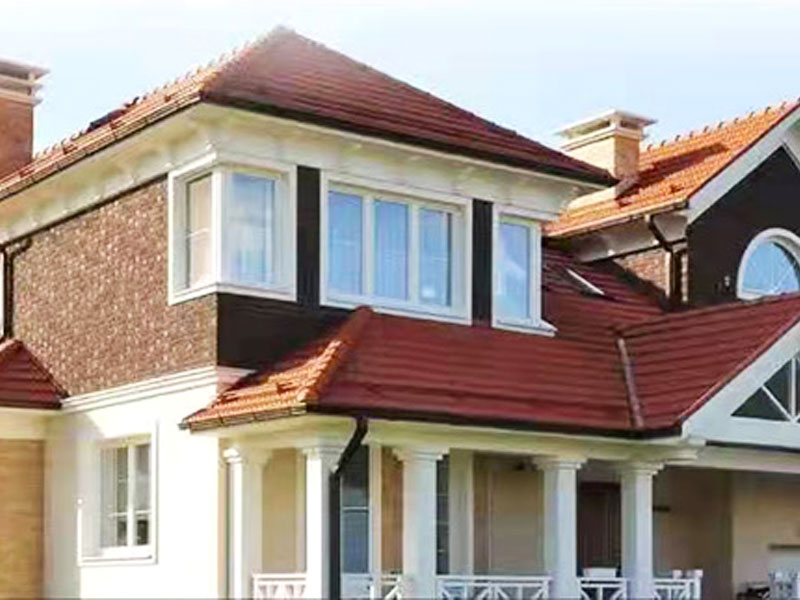 Wholesale Manganese Aluminum Alloy Roof Gutter Manufacturers, Factory - MeiningjMeiningjia are Manganese Aluminum Alloy Roof Gutter Manufacturers and Factory in China, Wholesale Manganese Aluminum Alloy Roof Gutter fo...View Product → is designed to handle the runoff from coated metal roofs, but blocked gutters force water back under the edge of the cladding.
 - Use neutral or mildly alkaline cleaners from an authorized supplier. Aggressive solvents can soften the topcoat and reduce its service life.
- Keep records of maintenance and coating inspections. If a warranty claim becomes necessary, documented care makes the process smoother.
For those planning a new building or renovation, understanding the link between coil coating water treatment and finished quality is also a procurement advantage. A producer that controls water chemistry and effluent is more likely to control coating thickness, colour uniformity, and long-term weatherability. You can read more about how coloured aluminium rain gutter systems maintain their colour stability in our industry notes.
Conclusion
Aluminium coil coating water treatment may sit behind the scenes, but it is one of the most reliable indicators of a roofing product’s true performance. From cleaning and rinsing to pretreatment and wastewater discharge, each water-based step leaves a trace in the finished coil. Buyers who ask about water quality, process records, and compliance history are not being overly technical; they are protecting their roof’s lifespan and their building’s appearance.
When you evaluate coated aluminium roofing for your next project, look for a manufacturer that treats surface preparation seriously and can point to equipment, testing, and product consistency. Explore the aluminium magnesium manganese metal roofing tile range to see how a complete coated-metal roof system combines the process discipline described here with the visual detail your project needs.