

 English
 русский
 Español
 عربى
عربى
Along the Gulf Coast, a builder I know stopped offering vinyl soffit after the third warranty call in one subdivision. The panels had drooped, the color had chalked, and a wasp nest sat behind a sagging vent. He switched the spec to 0.032-inch aluminum with a fluoropolymer finish and has not gone back. That anecdote matches the material data: for eave and overhang undersides, aluminum soffit offers the best balance of corrosion resistance, low weight, and lifespan among the five common soffit materials.
Verdict: specify 0.032-inch aluminum soffit with a 70-percent PVDF fluoropolymer coating, continuous vented panels sized to the attic net-free-area ratio, and aluminum or stainless fasteners. It costs more than vinyl upfront, but over three decades it is usually the least expensive and most maintenance-free choice for coastal, humid, and freeze-thaw climates.
Content
- 1 Why aluminum soffit performs: the engineering basics
- 2 Aluminum soffit vs. steel, vinyl, fiber cement, and wood composite
- 3 The numbers most spec sheets do not quote
- 4 Where aluminum soffit is actually installed
- 5 Selecting and installing an aluminum soffit that stays straight
- 6 Maintenance and code compliance that keep a soffit new
Why aluminum soffit performs: the engineering basics
Aluminum looks simple, but four properties decide how it behaves under an eave. All of them matter more than the panel color.
Self-healing oxide layer
When a scratch cuts through the coating, the exposed metal oxidizes instantly into a dense, self-limiting film. The scratch dulls to gray and stops - no rust trails, no edge creep, no paint bleed. That is why aluminum soffit survives salt air better than steel, where a cut edge starts a visible rust process.
Lightness with a gauge trade-off
At 0.024 inch, aluminum weighs about 0.5 lb per square foot - at least 40 percent lighter than steel at the same thickness - so eave framing does not need reinforcement. The trade-off is that thin panels dent from hail and ladder pressure. Use 0.032 inch for standard residential and 0.040 inch for wide overhangs or wind-borne debris zones.
The coating defines the lifespan
The finish, not the metal, controls when a soffit first needs attention. A 70-percent PVDF fluoropolymer coating holds color and chalk resistance for 25 to 30 years in marine exposure, while standard polyester fades within 8 to 12 years. Ask for the coating warranty before comparing prices, because repainting soffits is expensive and usually poorly done.
Thermal movement must be planned
Aluminum expands about 0.0128 inch per 10 feet for every 20 F of temperature change. Panels need a gap at the J-channel and slotted nail holes; otherwise they buckle on hot roofs. During repairs, aluminum panels can be removed and reinstalled, while vinyl often breaks on removal.
Aluminum soffit vs. steel, vinyl, fiber cement, and wood composite
The decision is not about which material is best, but which trade-off fits your climate, budget, and maintenance appetite. The comparison below reflects typical installed performance in exterior eave applications.
The numbers most spec sheets do not quote
Warranties describe the finish; they do not say when a soffit starts to look ragged or demands capital outlay. Based on field performance in coastal North American and Asian installations, this is the realistic service life before major intervention is needed:
The steel line looks respectable, but the failure mode is the problem: rust appears first at punched nail holes and cut edges, and it stains the fascia. Fiber cement fails by hairline cracks that let moisture into the material. Vinyl ends through UV embrittlement, which usually shows first on the south-facing eave. Aluminum ends through gradual coating chalk - a cosmetic event, not a structural one. That difference changes the total cost of ownership.
Where aluminum soffit is actually installed
Aluminum soffit's market split tracks climate and architectural pace. From material consumption patterns in North American and Asian roofing distribution, the application mix breaks down as follows:
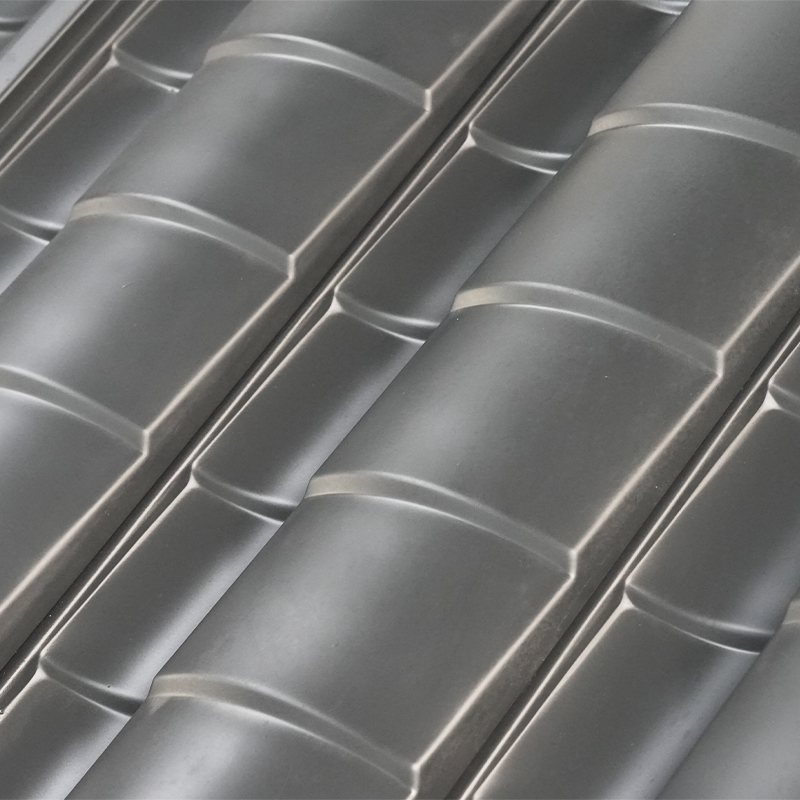
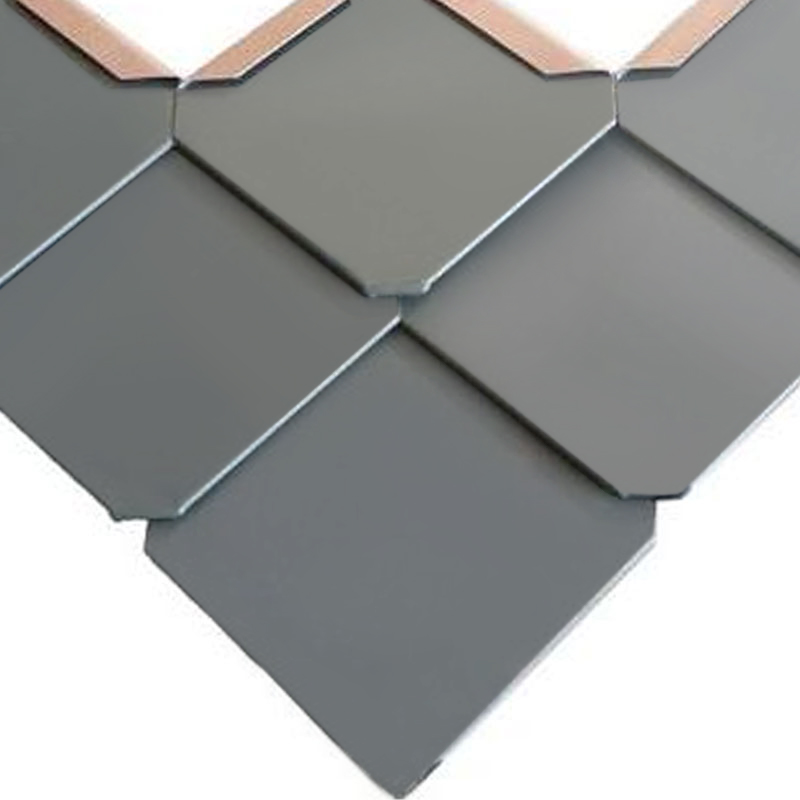
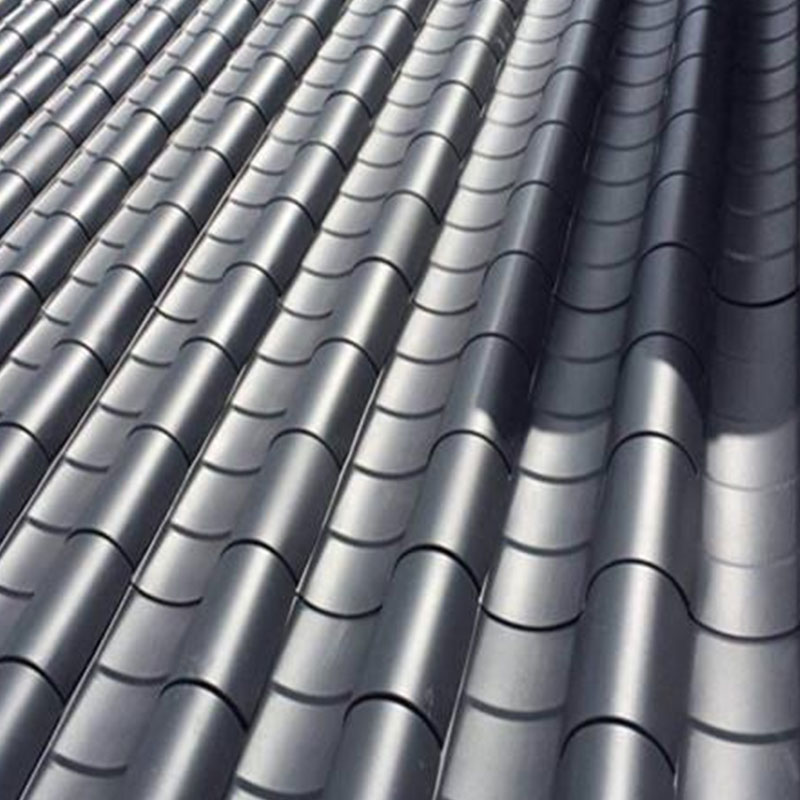
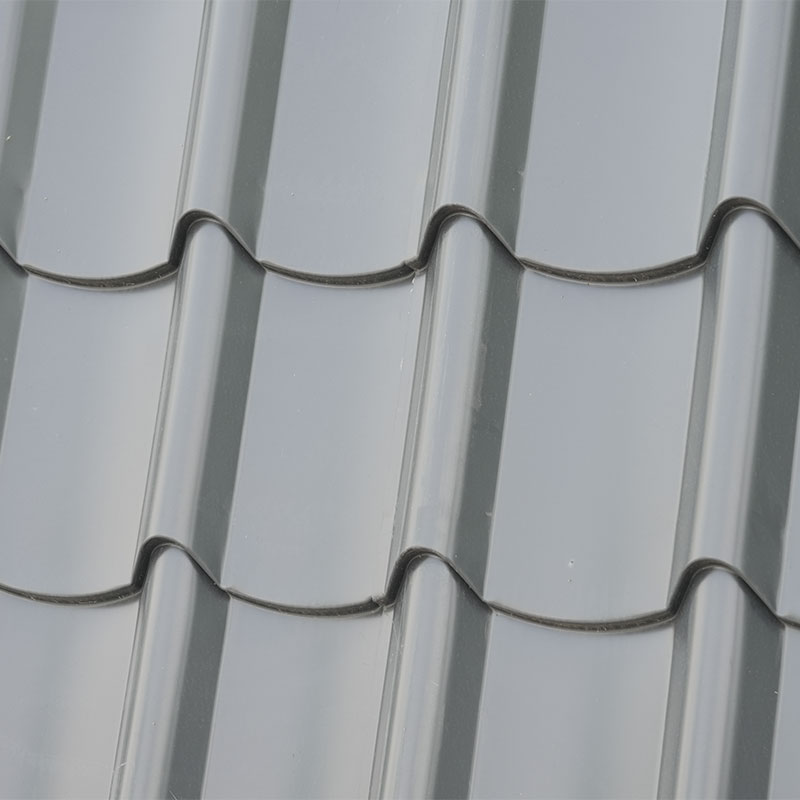
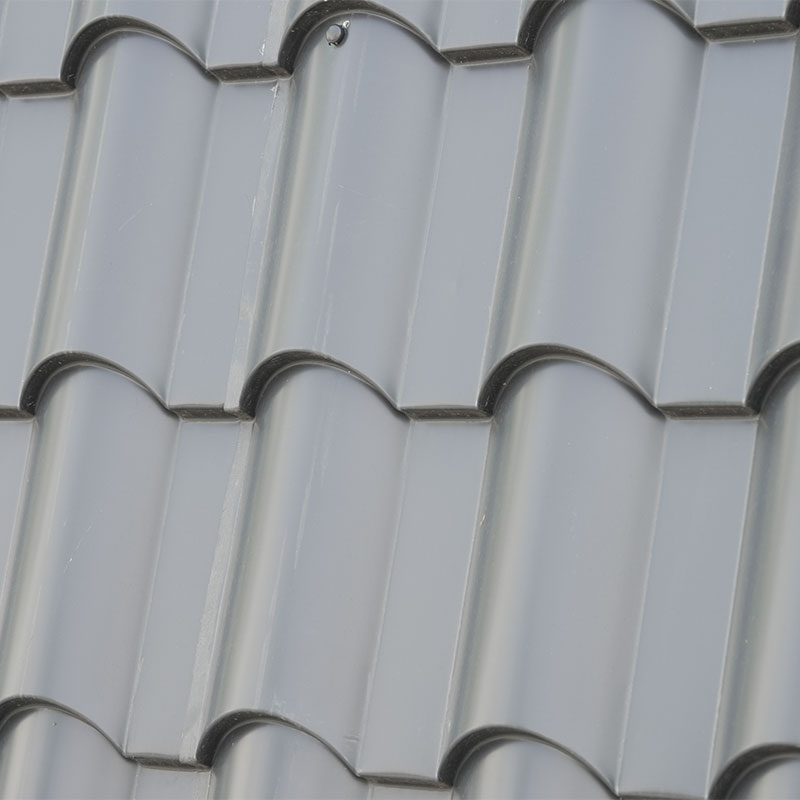
Residential projects dominate because the homeowner pays for maintenance labor directly. When a metal roofing system is present - for example standing-seam aluminum-magnesium-manganese roof tiles on a steep slope - owners usually upgrade the soffit and gutters in the same pass, because the eave is where the whole roof's durability becomes visible.
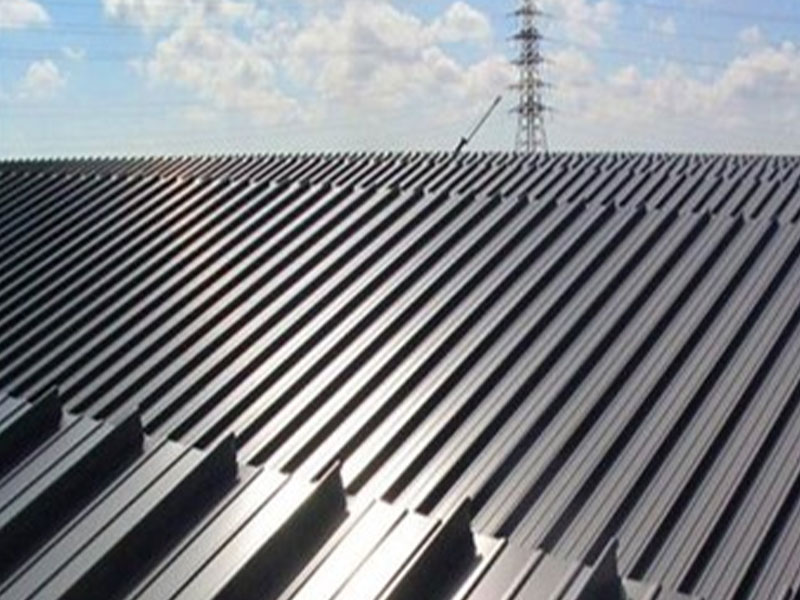 Residential Standing Seam Metal Roof Manufacturers, FactoryMeiningjia are Aluminum magnesium manganese Standing Seam Metal Roof Tile Manufacturers and Residential Standing Seam Metal Roof Tile Fac...View Product →
Selecting and installing an aluminum soffit that stays straight
The installation sequence below is the one that consistently avoids callbacks. Work through it in order, and the panel movement, airflow, and drainage all cooperate.
Calculate the vent area first. Net-free vent area for attic intake must be at least 1/150 of the attic floor area, or 1/300 when a Class I or II vapor barrier is present under the roof deck and exhaust is handled at the ridge. Divide by the vented panel's net-free-area rating to get the number of vented pieces, then use solid panels for the rest.
Lock the gauge and coating. 0.032-inch aluminum with a 70-percent PVDF finish is the default for residential. Drop to 0.024 inch only for short overhangs in sheltered locations; go to 0.040 inch in hurricane wind environments.
Place vented panels continuously. A continuous intake strip along the eave creates even airflow and prevents the hot spots that drive ice dam formation on the roof edge. Scattered vented panels are far less effective.
Install with expansion gaps. Use aluminum or stainless fasteners - never copper or galvanized steel in direct contact with aluminum. Leave a 3/16- to 1/4-inch gap inside the J-channel and set fasteners in slotted holes so the panel can move with temperature swings.
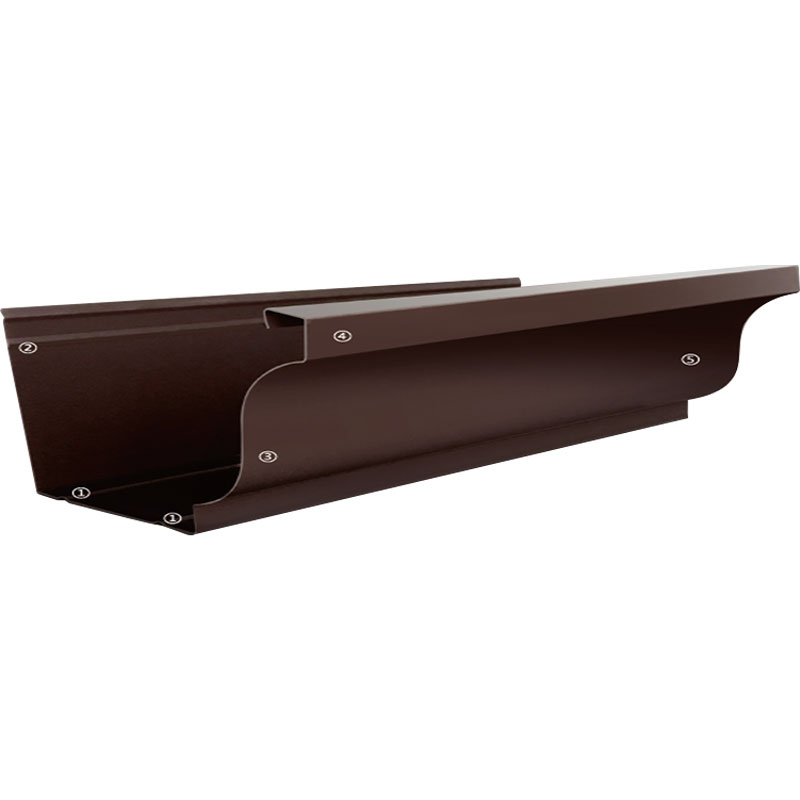
Aluminum soffit is one piece of the eave assembly, and it works best when the surrounding details are specified as a system. A manganese-aluminum alloy roof gutter at the eave carries runoff away before it can streak the vent slots, while the PVDF layer that protects the soffit also drives how colored aluminum gutters maintain long-term durability and color stability.
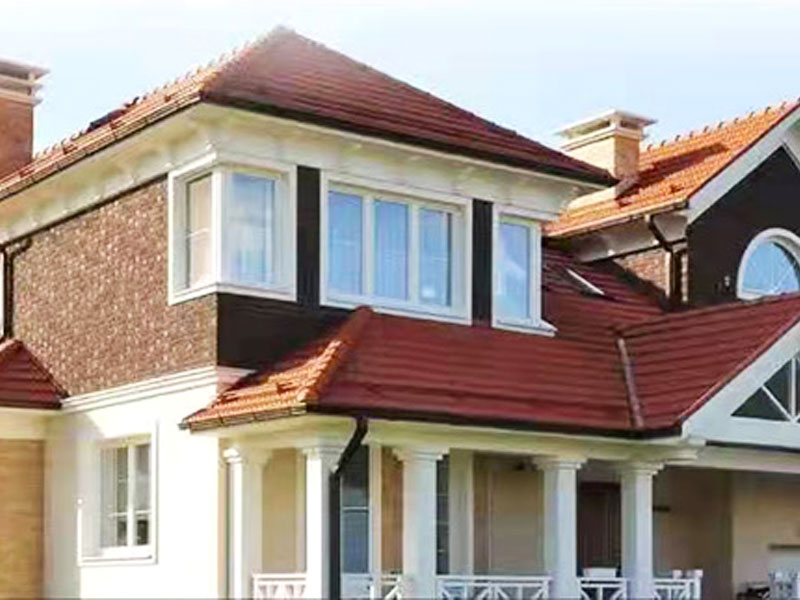 Wholesale Manganese Aluminum Alloy Roof Gutter Manufacturers, Factory - MeiningjMeiningjia are Manganese Aluminum Alloy Roof Gutter Manufacturers and Factory in China, Wholesale Manganese Aluminum Alloy Roof Gutter fo...View Product →
Maintenance and code compliance that keep a soffit new
Routine care
- Rinse panels annually with plain water and a soft brush; concentrated coastal salt spray needs a spring wash.
- Inspect J-channel gaps after storms. If a panel binds because the gap has closed, re-set the panel rather than forcing it.
- Keep vent openings clear; a vent hole with a full coat of field paint is not a vent.
- Deburr and touch up cut edges after on-site cutting so the exposed alloy stays protected.
The care routine extends to the drainage half of the eave. Follow the recommended maintenance practices for colored aluminum gutters so downspout joints and end caps do not become the first point of failure. Small trim pieces deserve the same finish spec: aluminum rain gutter accessories are where leaks and color mismatches usually start, so order them from the same finishing line as the soffit panels.
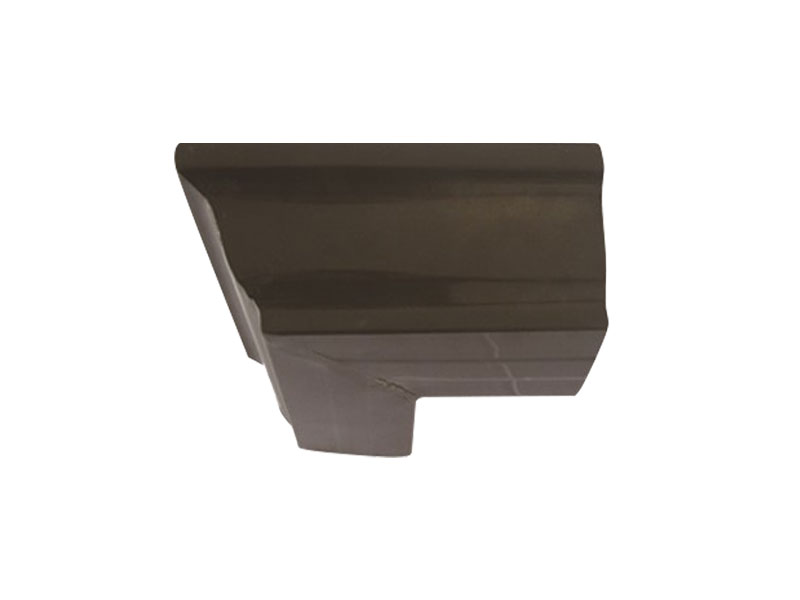 Wholesale Aluminum Rain Gutter Accessories Manufacturers, Factory - Meiningjia RMeiningjia are Aluminum Rain Gutter Accessories Manufacturers and Factory in China, Wholesale Aluminum Rain Gutter Accessories for sale, ...View Product →
Compliance points to verify
- IRC Section R806 attic ventilation requires net-free vent area of at least 1/150 of attic floor area, or 1/300 when a Class I or II vapor barrier is present, with intake distributed at the eave.
- In high-velocity hurricane zones, specify 0.040-inch panels and tested fastener patterns where the local code requires components-and-cladding wind pressure ratings.
- Check material and finish standards: ASTM B209 for aluminum sheet and ASTM D4214 for coating chalk resistance.
- Fire classification: aluminum soffit is non-combustible and typically contributes to a Class A roof assembly rating.
Why this matters for total cost
Aluminum is recyclable without quality loss. After three decades of UV and salt exposure, the panels can be removed, recycled into new sheet, and replaced with the same profile - one reason aluminum roofing materials are a sustainable and durable solution for modern construction, and the reason lifecycle cost, not first cost, should drive the specification. An aluminum soffit is not the cheapest option this year; it is usually the cheapest option over thirty.