

 English
 русский
 Español
 عربى
عربى

Content
- 1 Technical Architecture: What Defines Premium Antique Metal Roofing Tile?
- 2 Comparative Analysis: Antique Metal vs. Traditional Roofing Materials
- 3 Hidden Performance Metrics: The Data That Separates Premium from Commodity
- 4 Industry Application Distribution: Where Antique Metal Roofing Tile Dominates
- 5 ROI Calculation & B2B Procurement Roadmap: From Specification to Installation
- 6 Maintenance Protocols & Regulatory Compliance for Antique Metal Roofing Tile
- 7 Frequently Asked Questions: Antique Metal Roofing Tile for B2B Buyers
- 8 Conclusion: Strategic Sourcing of Antique Metal Roofing Tile for Long-Term Value
Executive Summary - Key Takeaways
Market Growth: The global antique metal roofing tile market is projected to grow at 8.2% CAGR through 2026, driven by heritage preservation mandates and sustainable construction trends.
Lifespan Advantage: Premium antique metal roofing tiles deliver 50-100 year service life, outperforming traditional clay tiles (40-60 years) and asphalt shingles (15-25 years) by significant margins.
Weight Efficiency: Modern antique metal tiles weigh only 1.2-1.8 lbs/sq ft, roughly 1/10th the weight of clay tiles, eliminating structural reinforcement requirements for most retrofit projects.
ROI Reality: B2B buyers typically recover their antique metal roofing tile investment within 12-18 years through reduced maintenance, insurance premiums, and energy savings.
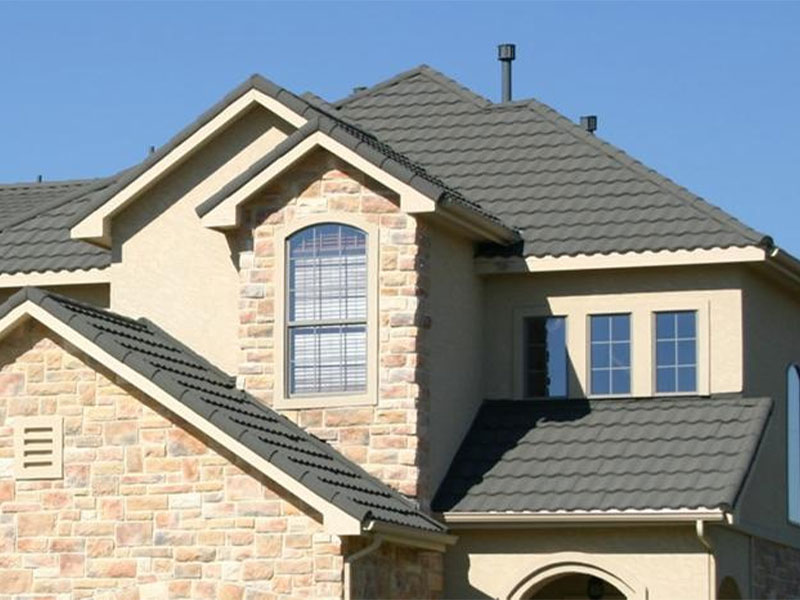
As architectural preservation standards tighten globally and building owners seek long-term value over short-term cost, the antique metal roofing tile has emerged as the definitive solution for historic building restoration, luxury commercial construction, and heritage-sensitive projects. Unlike the wooden shakes, clay tiles, or asphalt shingles that defined 19th and early 20th-century architecture, modern antique metal roofing tile systems offer the authentic visual character of period-accurate roofing while delivering engineered performance that traditional materials simply cannot match. For procurement managers, architects, and general contractors sourcing materials for large-scale projects, understanding the technical specifications, cost dynamics, and supplier landscape of antique metal roofing tile products is essential for making informed purchasing decisions.
Meiningjia Roofing System Nantong Co., Ltd., as a leading China-based manufacturer of metal roofing solutions, has observed firsthand the accelerating demand for antique metal roofing tile products across Europe, North America, the Middle East, and emerging markets in Southeast Asia. This comprehensive guide synthesizes market data, technical specifications, real-world performance metrics, and strategic sourcing intelligence to empower B2B buyers with the knowledge needed to evaluate, specify, and procure antique metal roofing tile systems with confidence.
Technical Architecture: What Defines Premium Antique Metal Roofing Tile?
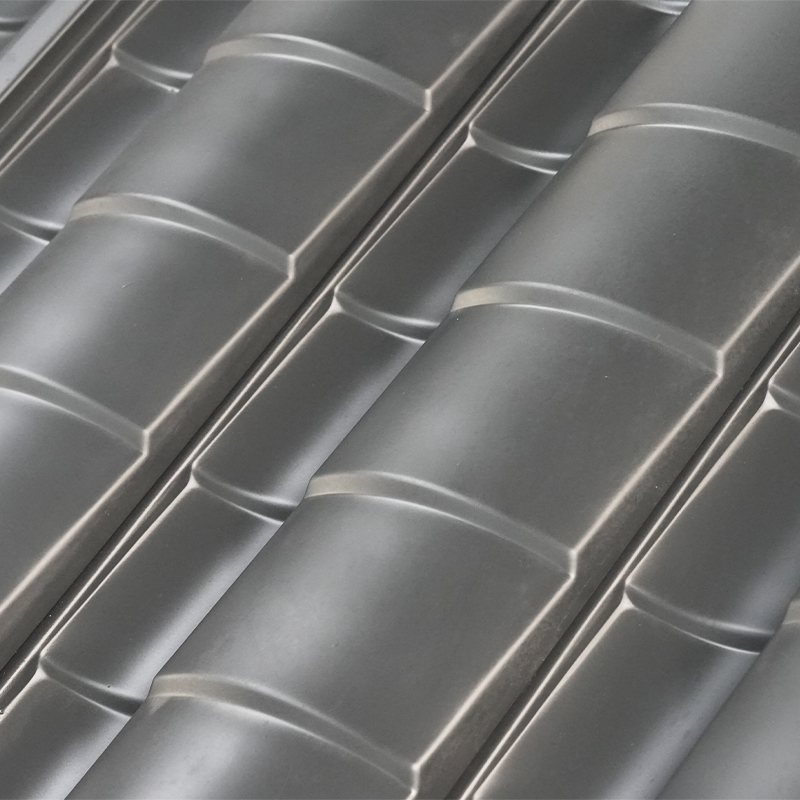
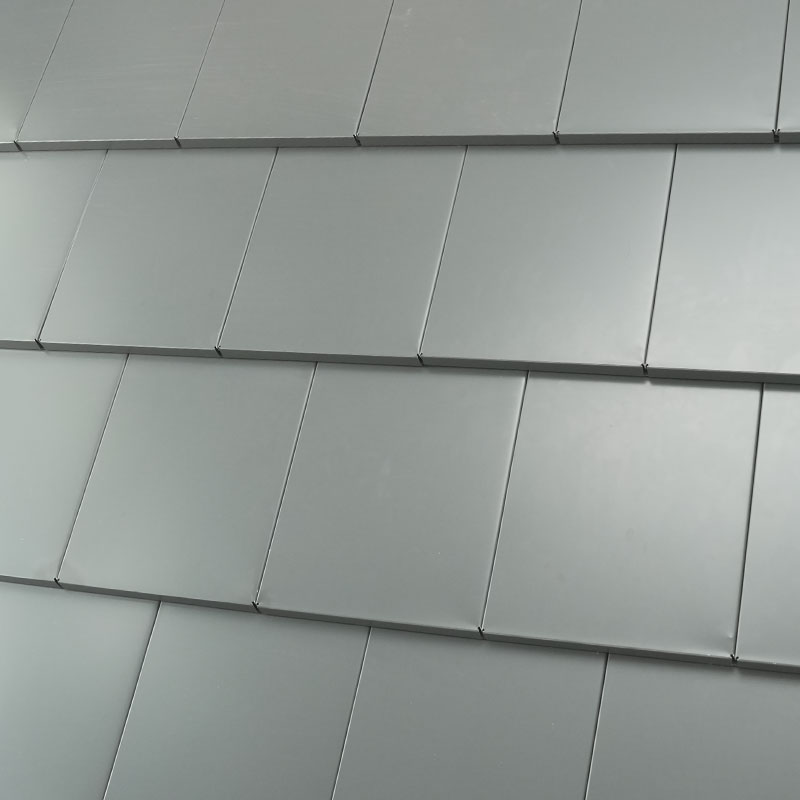
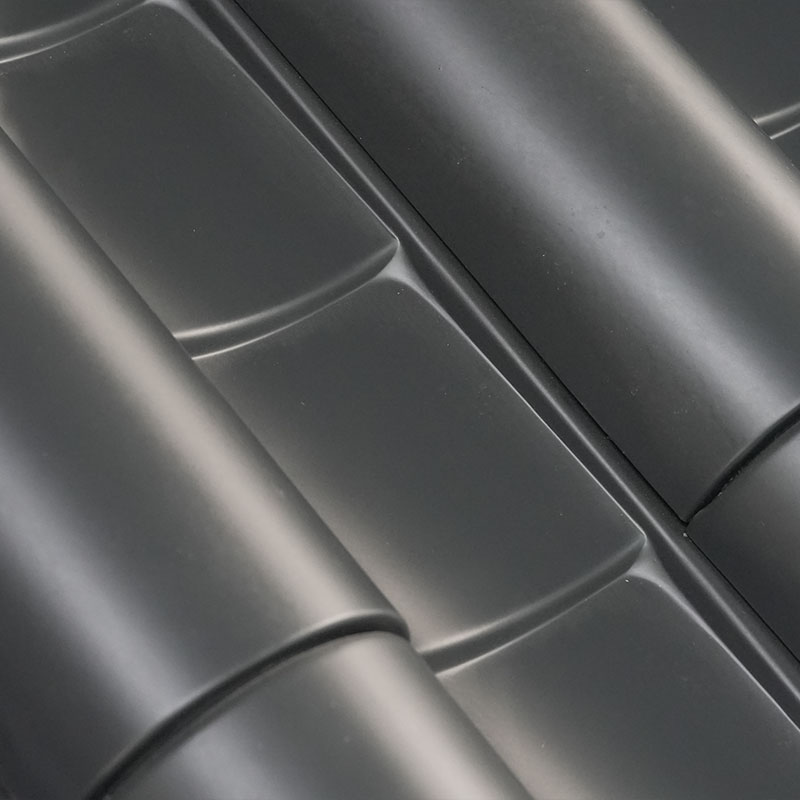
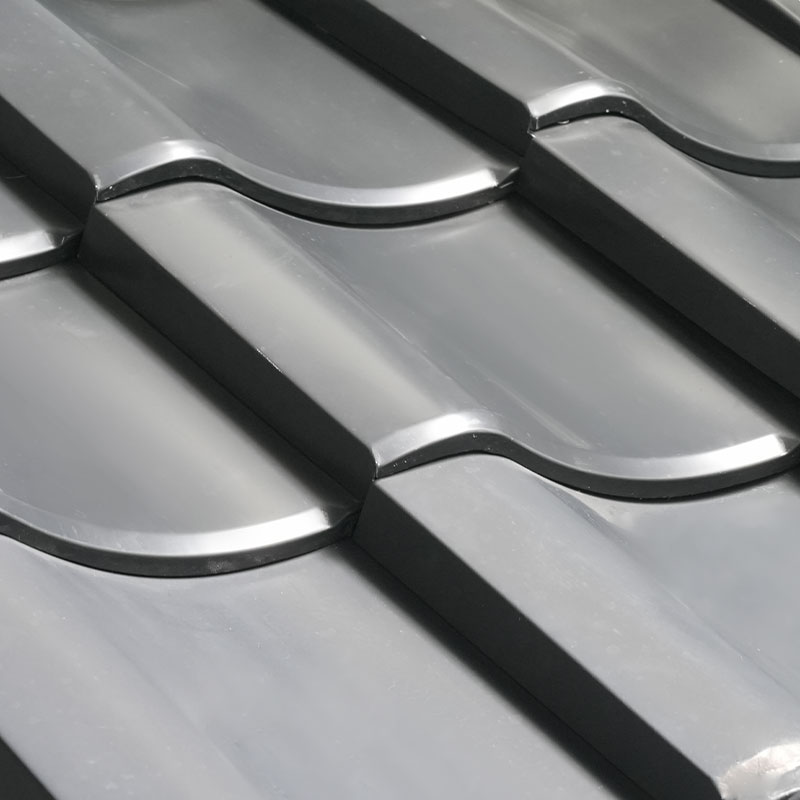
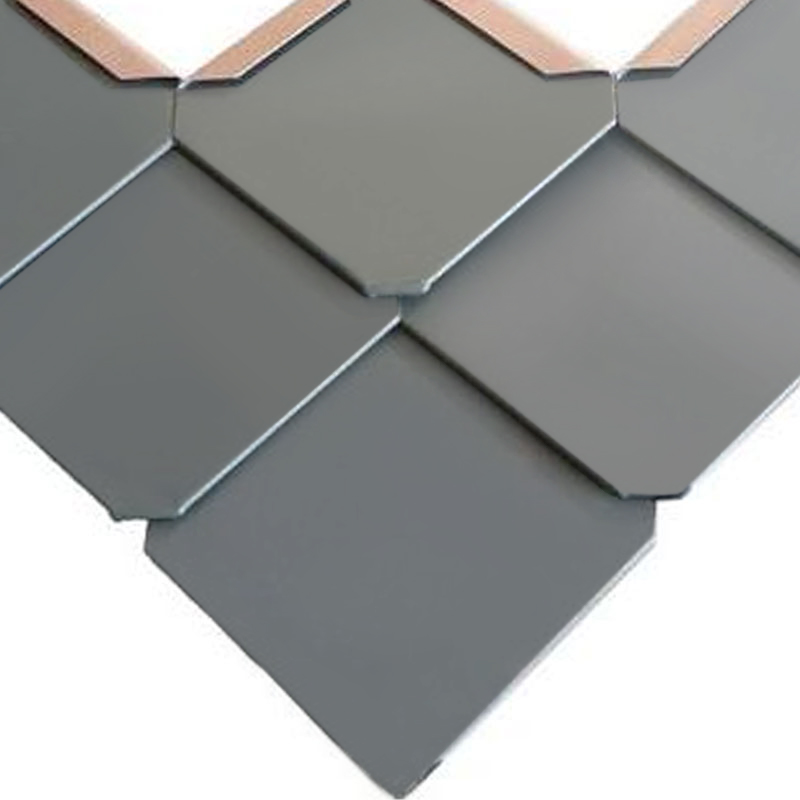
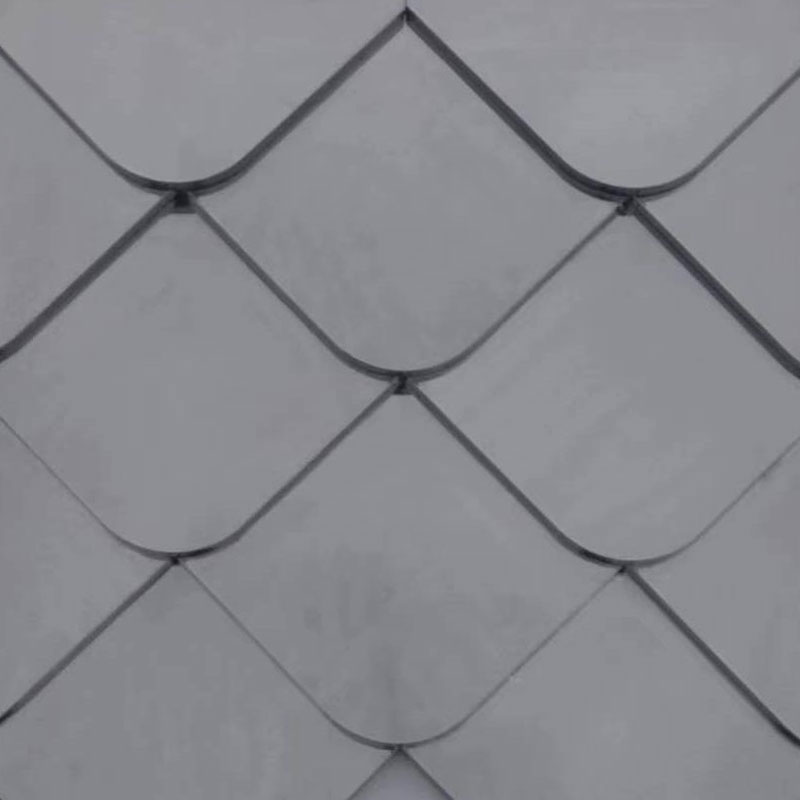
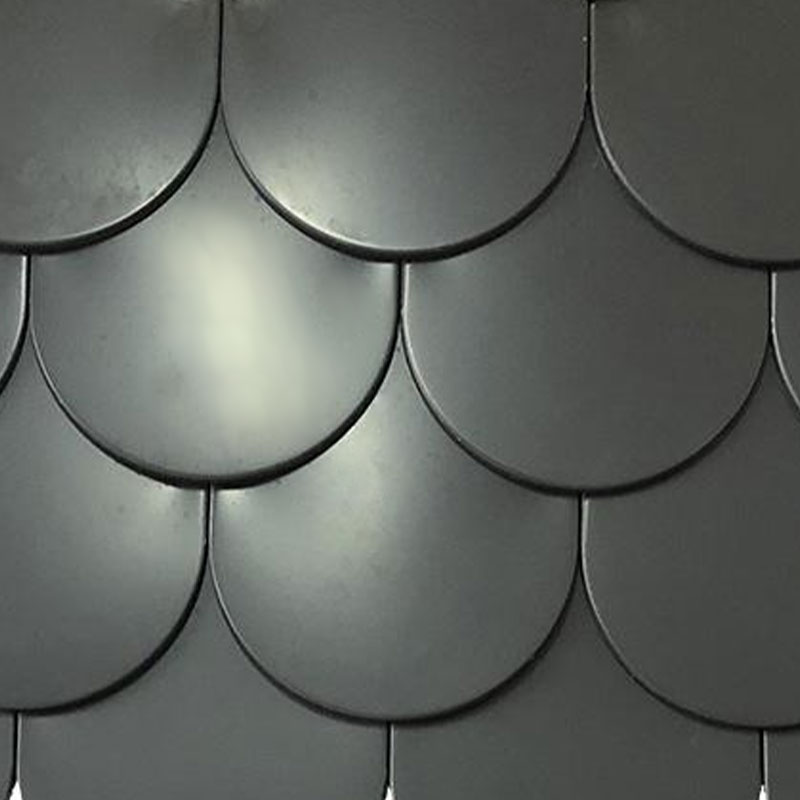
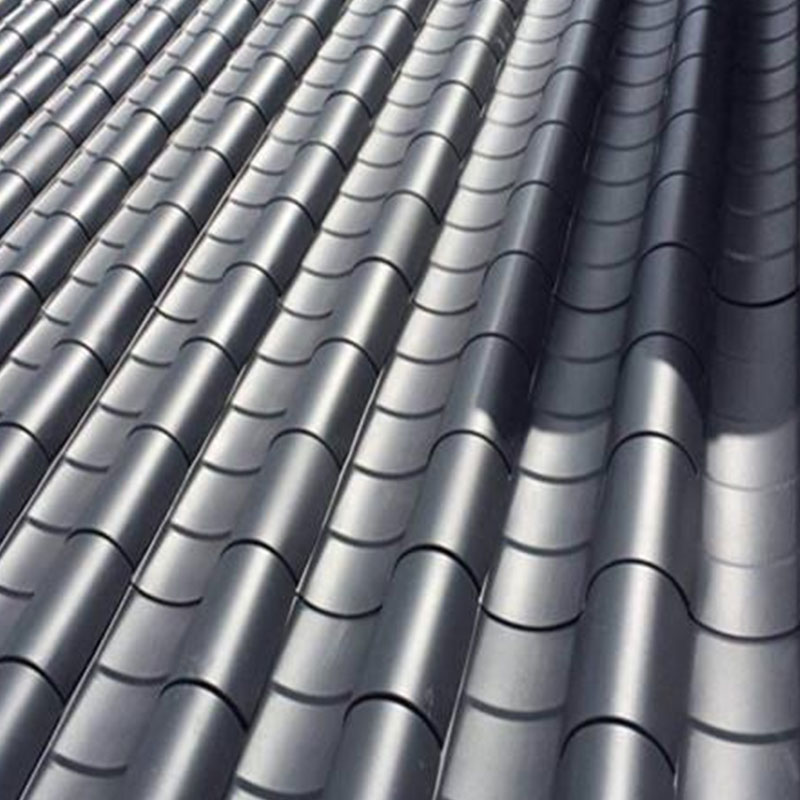
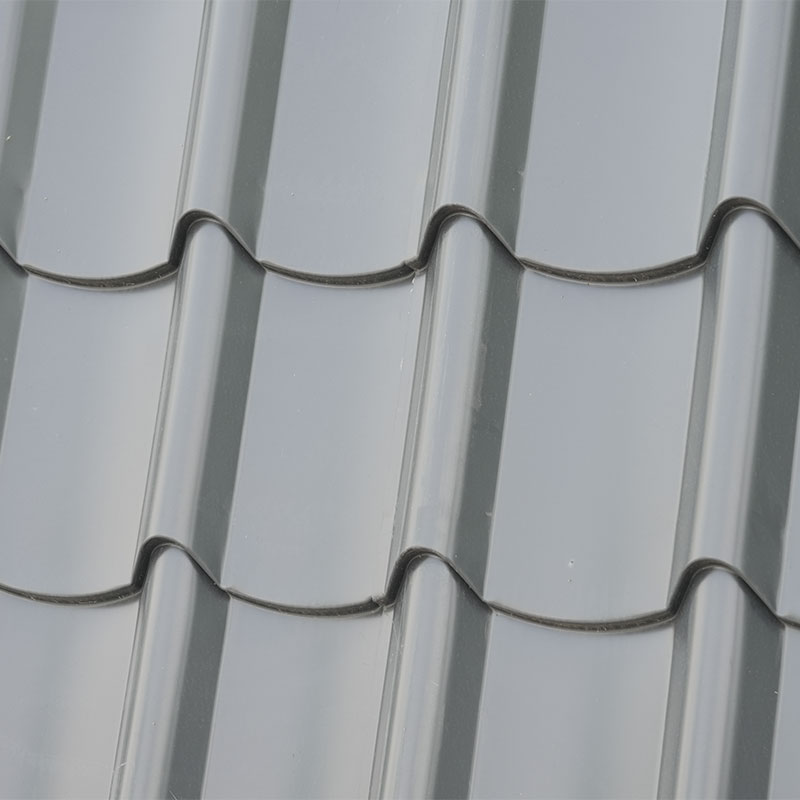
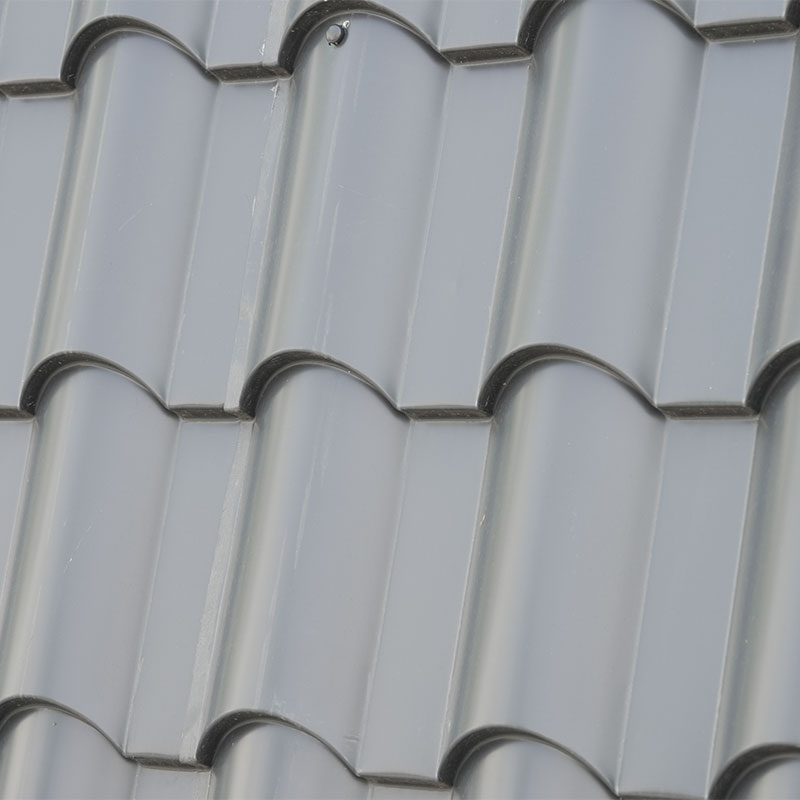
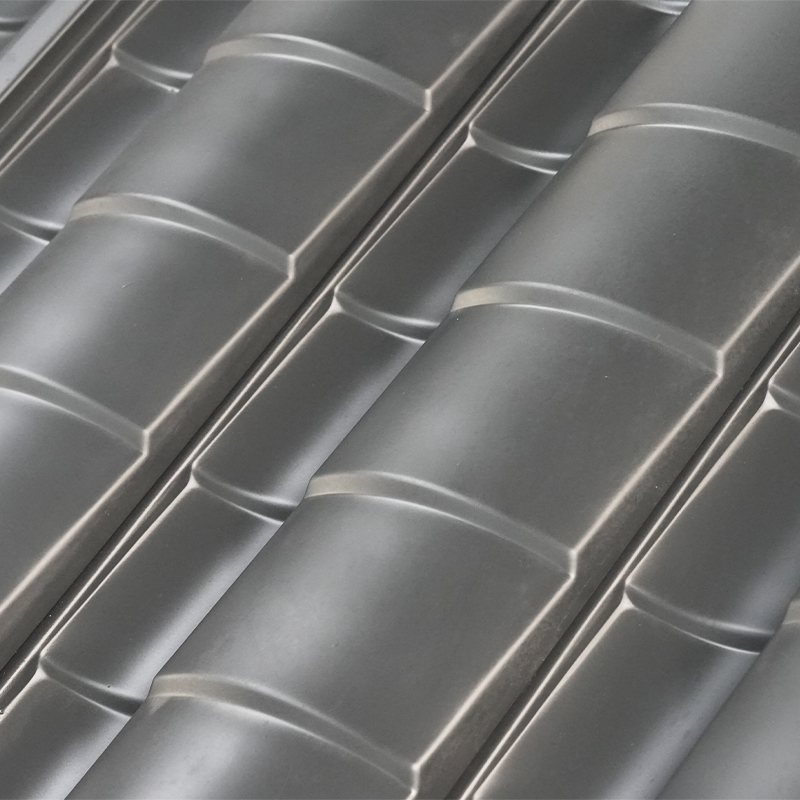
The term "antique metal roofing tile" describes a category of engineered metal panels that replicate the visual texture, profile, and patina of traditional roofing materials—clay barrel tiles, wood shakes, slate, or Victorian-era metal shingles—while leveraging advanced metallurgy and coating technologies. Understanding the layered construction of these products is critical for B2B buyers evaluating quality tiers.
Base Metal Substrate
Premium antique metal roofing tiles utilize Galvalume® steel (55% aluminum, 43.4% zinc, 1.6% silicon) or pure aluminum alloys as the structural core. Galvalume offers superior corrosion resistance (2-4x better than standard galvanized steel), while aluminum excels in coastal and high-humidity environments. Typical gauge ranges from 0.35mm to 0.55mm for commercial applications.
Anti-Corrosion Pretreatment
Before coating, the base metal undergoes chromate-free or chromium-based passivation treatment. This invisible layer provides sacrificial protection at cut edges and penetrations, preventing red rust propagation. High-end antique metal roofing tile products specify AZ150 or AZ185 coating weights (grams per square meter of aluminum-zinc alloy).
Primer & Adhesion Layer
Epoxy or polyurethane primer systems (typically 5-8 microns thick) create a bonding bridge between the metal substrate and the decorative finish. This layer ensures the stone granules or paint systems remain adhered through decades of thermal cycling, UV exposure, and mechanical stress from wind-driven debris.
Decorative Finish System
The "antique" aesthetic is achieved through either natural basalt stone granules (for stone-coated variants) or multi-layer PVDF fluorocarbon paint with hand-applied patina effects. Stone-coated antique metal roofing tiles use ceramic-coated basalt chips in earth tones, while painted variants employ specialized aging techniques to simulate decades of weathering and oxidation.
Protective Topcoat
Clear acrylic or ceramic-based topcoats (2-4 microns) shield the decorative layer from UV degradation, acid rain, and biological growth. Premium products specify 3,000+ hour salt spray resistance per ASTM B117 testing, ensuring the antique appearance remains stable for the product's full service life.
Comparative Analysis: Antique Metal vs. Traditional Roofing Materials
For B2B procurement teams evaluating roofing specifications, a rigorous side-by-side comparison reveals why antique metal roofing tile consistently wins in total cost of ownership, despite higher initial material costs. The following data matrix synthesizes performance characteristics across five common roofing material categories.
Hidden Performance Metrics: The Data That Separates Premium from Commodity
Beyond the standard specification sheets, several hidden performance metrics dramatically influence the long-term value proposition of antique metal roofing tile. These metrics—often overlooked in initial procurement decisions—determine whether a product delivers on its marketing promises or degrades prematurely under real-world environmental stress. The following visualization compares these critical but underappreciated performance dimensions across three quality tiers of antique metal roofing tile available in the B2B market.
Hidden Performance Metrics by Quality Tier (Relative Score: 0-100)
Salt Spray Corrosion Resistance (ASTM B117 Hours)
UV Fade Resistance (ΔE Color Shift After 2000h QUV)
Stone Granule Adhesion (Loss % After 1000 Cycles)
Thermal Cycling Durability (-40°C to +80°C, 5000 Cycles)
Industry Application Distribution: Where Antique Metal Roofing Tile Dominates
Understanding the market segmentation for antique metal roofing tile is essential for B2B buyers to contextualize supplier capabilities, lead times, and customization options. Based on aggregated order data from leading manufacturers and industry market research through Q2 2026, the following distribution reveals where demand is concentrated and where emerging opportunities exist.
2026
Application Segment Breakdown
ROI Calculation & B2B Procurement Roadmap: From Specification to Installation
For commercial real estate investors, facility managers, and general contractors, the decision to specify antique metal roofing tile must be justified through rigorous financial modeling. While the upfront material cost exceeds commodity alternatives, the total lifecycle economics overwhelmingly favor metal roofing in most B2B scenarios. The following roadmap guides procurement teams through each phase of the acquisition and installation process, with embedded ROI checkpoints.
Assessment & Specification
Conduct structural load analysis to confirm the existing roof framing can support the selected antique metal roofing tile system. Engage a licensed structural engineer for heritage-listed buildings. Define performance requirements: wind zone, fire rating, hail exposure, thermal insulation targets, and aesthetic period accuracy.
Supplier Qualification & Sampling
Request samples from 3-5 qualified manufacturers (including Meiningjia Roofing System). Evaluate stone granule adhesion, color consistency, edge detailing, and coating uniformity. Verify third-party certifications: UL 2218 Class 4 impact, ASTM E108 fire rating, FM 4473 approval, and ISO 9001 quality management.
Production & Quality Control
For large-volume orders (5,000+ sq ft), negotiate production scheduling with 4-8 week lead times. Arrange third-party factory inspections during critical production stages: coating application, stone granule embedding, and final quality control. Request batch-specific test reports for coating thickness, adhesion, and color consistency.
Installation & Commissioning
Engage a certified metal roofing installer familiar with the specific antique metal roofing tile profile. Verify proper underlayment selection (synthetic preferred for longevity), flashing details at penetrations, ridge venting, and fastener specification (stainless steel or hot-dipped galvanized). Conduct post-installation inspection with manufacturer's representative.
Lifecycle Ownership & Value Realization
Implement a 5-year inspection cycle. Document roof condition with photographs for insurance and warranty purposes. Negotiate insurance premium reductions (typically 10-35%) based on Class A fire rating and Class 4 impact resistance. Track energy savings from improved thermal performance and reflective coating properties.
Maintenance Protocols & Regulatory Compliance for Antique Metal Roofing Tile
One of the most compelling advantages of antique metal roofing tile for B2B buyers is its minimal maintenance burden compared to traditional alternatives. However, "minimal" does not mean "zero." Implementing a proactive maintenance protocol protects the investment and ensures warranty validity. Additionally, heritage preservation projects must navigate complex regulatory frameworks that govern material substitutions on historic structures.
Biennial Inspection Checklist
- Examine ridge caps and hip tiles for displacement or fastener back-out
- Inspect flashing at chimneys, vents, skylights, and wall intersections for sealant degradation
- Check for debris accumulation in valleys and gutters that could cause water ponding
- Assess stone granule retention in high-wear zones (eaves, ridges, high-traffic areas)
- Document any discoloration, chalking, or biological growth (moss, lichen)
Recommended Maintenance Actions
- Clean roof surface every 3-5 years using low-pressure water (max 1,200 PSI) and mild detergent
- Re-seal flashing joints with compatible polyurethane or silicone sealant every 8-12 years
- Replace individual damaged tiles using manufacturer's touch-up kit (primer + granules)
- Clear snow and ice using roof rakes designed for metal (no metal shovels or salt)
- Trim overhanging branches to prevent abrasion and organic debris accumulation
Heritage Compliance Considerations
- Consult local historic preservation commissions before specifying metal on landmarked structures
- Document photographic evidence of existing roof condition for "before/after" compliance records
- Verify that the selected antique profile matches the visual character of the original material
- Prepare material equivalency reports demonstrating equal or superior performance to original
- Maintain manufacturer documentation for future property transactions and insurance claims
Frequently Asked Questions: Antique Metal Roofing Tile for B2B Buyers
Procurement teams and specifying architects consistently ask the same critical questions when evaluating antique metal roofing tile. The following FAQ addresses the eight most common concerns with data-driven answers.
Conclusion: Strategic Sourcing of Antique Metal Roofing Tile for Long-Term Value
The convergence of heritage preservation mandates, sustainable construction imperatives, and lifecycle cost optimization has positioned antique metal roofing tile as the material of choice for discerning B2B buyers across diverse market segments. From restoring landmarked 19th-century churches to constructing new luxury commercial developments, the unique ability of modern metal tile to deliver period-accurate aesthetics alongside engineered performance creates unmatched value for architects, contractors, and facility owners alike.
As this comprehensive analysis demonstrates, the decision to specify antique metal roofing tile extends far beyond initial material cost. When evaluated through the lens of total cost of ownership—including installation efficiency, maintenance requirements, insurance premium reductions, energy savings, warranty coverage, and end-of-life recyclability—the economic case for metal roofing becomes compelling. The critical success factors for B2B procurement teams include rigorous supplier qualification, comprehensive specification development, proper installation oversight, and proactive lifecycle maintenance.
Partner with Meiningjia Roofing System
As a leading China-based manufacturer of metal roofing solutions, Meiningjia Roofing System Nantong Co., Ltd. delivers premium antique metal roofing tile products engineered to meet the demanding specifications of international B2B buyers. Our stone-coated and PVDF-finished tile profiles replicate the authentic character of clay, slate, and wood while delivering 50-100 year service life.
Request your free product catalog, technical data sheets, and competitive quotation today.
© 2026 Meiningjia Roofing System Nantong Co., Ltd. All rights reserved. | Comprehensive Guide: Antique Metal Roofing Tile for B2B Procurement