
 English
 русский
 Español
 عربى
عربى
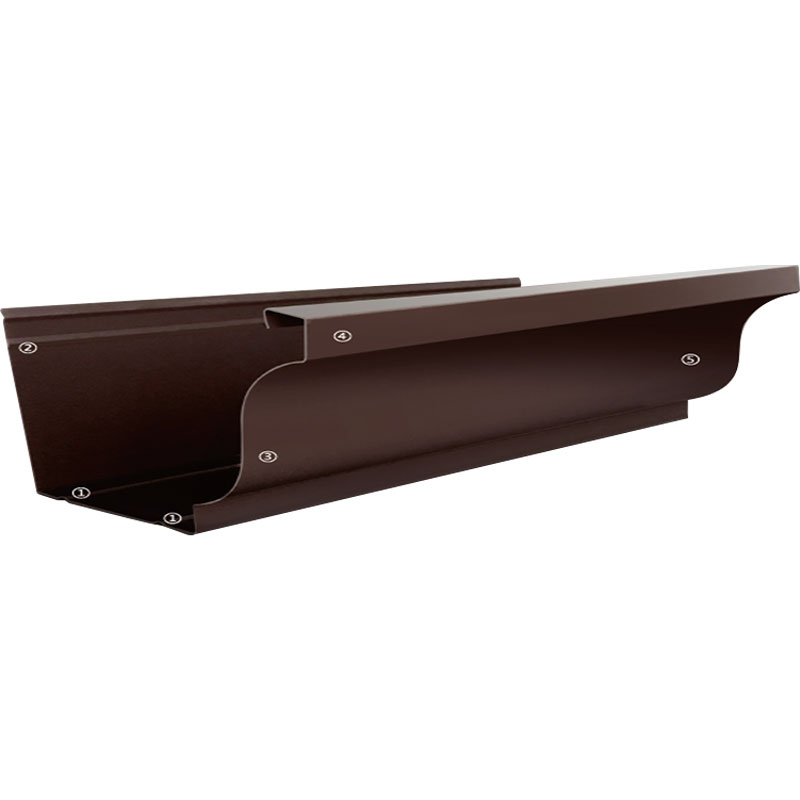
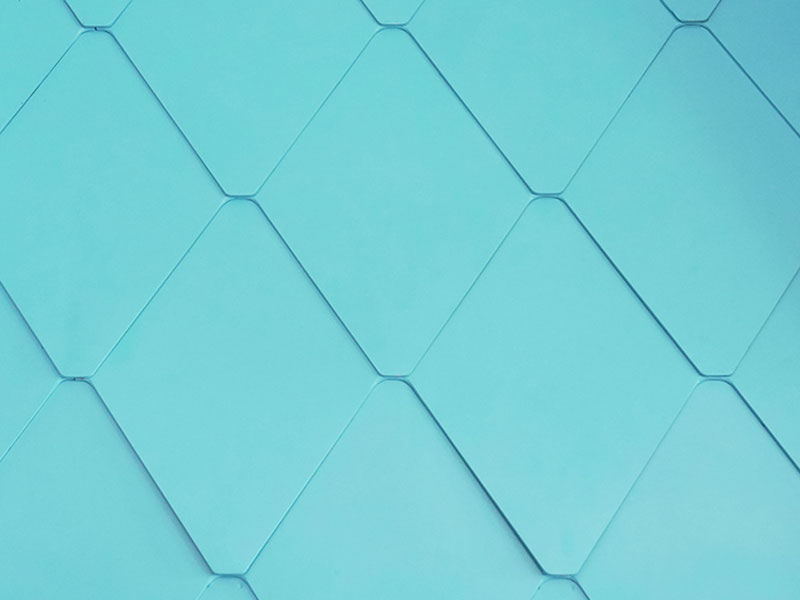
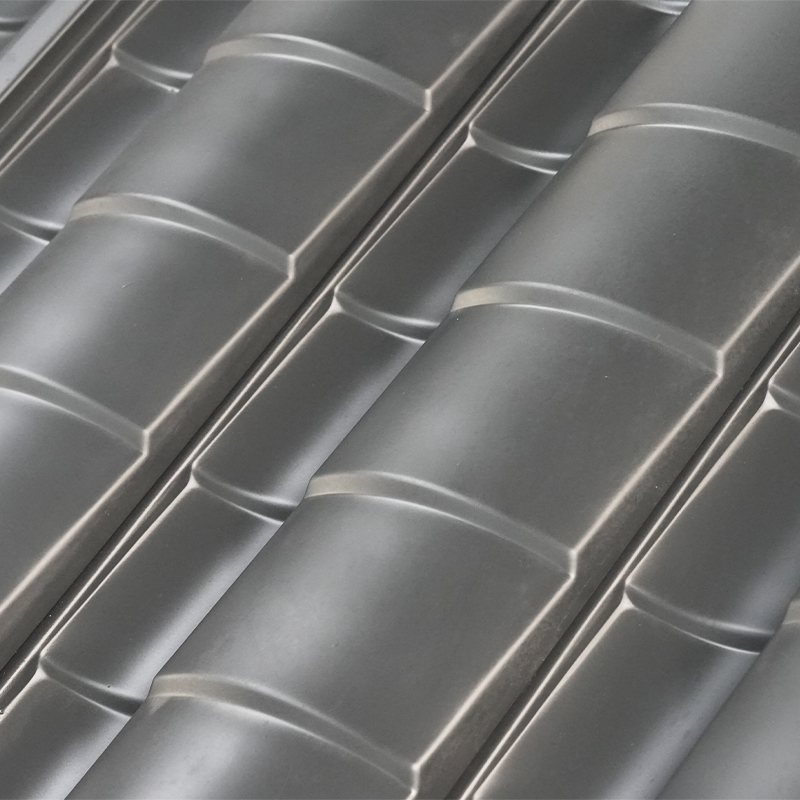
Japanese Metal Roof Tile is becoming a strategic roofing option for industrial buildings, logistics warehouses, commercial complexes, public facilities, residential houses and renovation projects. It combines the visual appeal of traditional roofing tiles with the lightweight strength, fast installation, transport efficiency and design flexibility of engineered metal roofing. For B2B buyers, the real value is not only the tile appearance, but also the total system performance, including substrate quality, coating durability, fixing accessories, waterproofing details and long-term maintenance cost. This article provides a practical procurement framework for Meiningjia Roofing System Nantong Co., Ltd. customers, covering technical principles, data comparison, hidden indicators, market applications, ROI analysis, selection steps, maintenance advice and frequently asked questions.
Content
- 1 Six High-Value Judgments for Procurement Managers
- 2 1. Japanese Metal Roof Tile Technical Principles and Engineering Value
- 3 2. Japanese Metal Roof Tile Data Comparison with Common Roofing Materials
- 4 3. Hidden Indicators and Deeper Analysis of Japanese Metal Roof Tile
- 5 4. Market Application Distribution of Japanese Metal Roof Tile
- 6 5. Japanese Metal Roof Tile ROI Analysis and Selection Process
- 7 6. Maintenance and Compliance Recommendations for Japanese Metal Roof Tile
- 8 7. Japanese Metal Roof Tile FAQ: Eight Common Buyer Questions
- 9 Conclusion: Japanese Metal Roof Tile Is a Strategic Option for Modern Roofing Procurement
Six High-Value Judgments for Procurement Managers
- For projects with load-sensitive structures, tight construction schedules or higher seismic considerations, Japanese Metal Roof Tile can be significantly lighter than traditional clay or concrete tiles, often reducing roof dead load by a large margin.
- With a proper substrate, coating system, accessories and maintenance plan, high-quality metal roof tiles can provide long service life, especially when the specification is matched to the local climate.
- Buyers should not evaluate only the tile price per square meter. Total procurement value includes transport damage risk, installation efficiency, accessory completeness, waterproofing details, warranty terms and lifecycle maintenance.
- Metal roofing is not a single product. It is a complete roof system. Tiles, battens, underlayment, ridge caps, eaves, gutters, flashings, fasteners and sealing details work together to determine final performance.
- In old roof renovation, light steel construction, modular buildings, high wind zones and fast-delivery projects, Japanese Metal Roof Tile often creates stronger cost and schedule advantages.
- Before ordering, buyers should request samples, color charts, coating test information, salt spray data, wind uplift references, installation drawings and detailed node solutions from the supplier.
1. Japanese Metal Roof Tile Technical Principles and Engineering Value
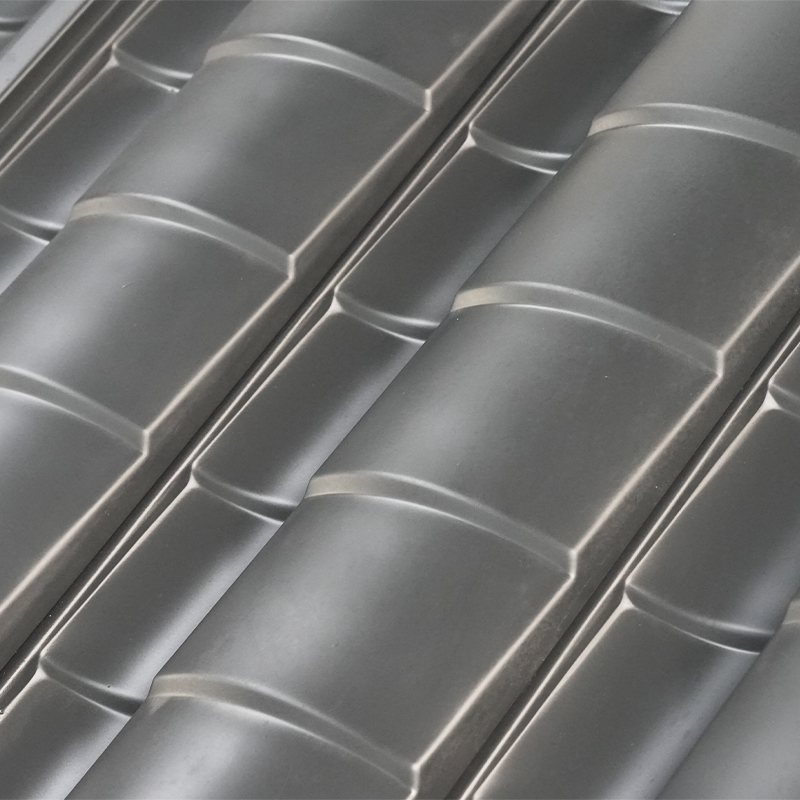
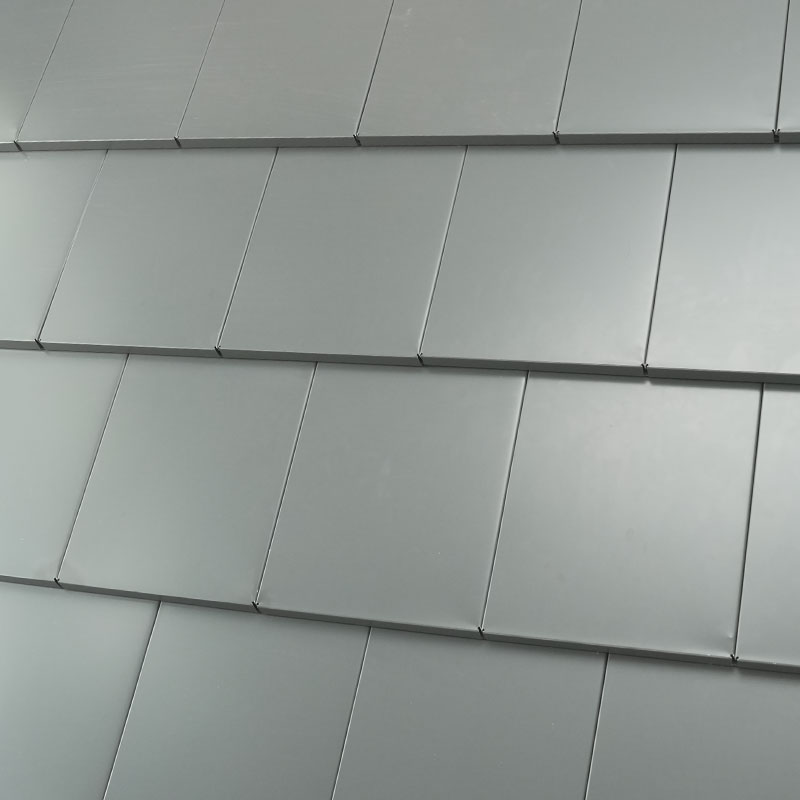
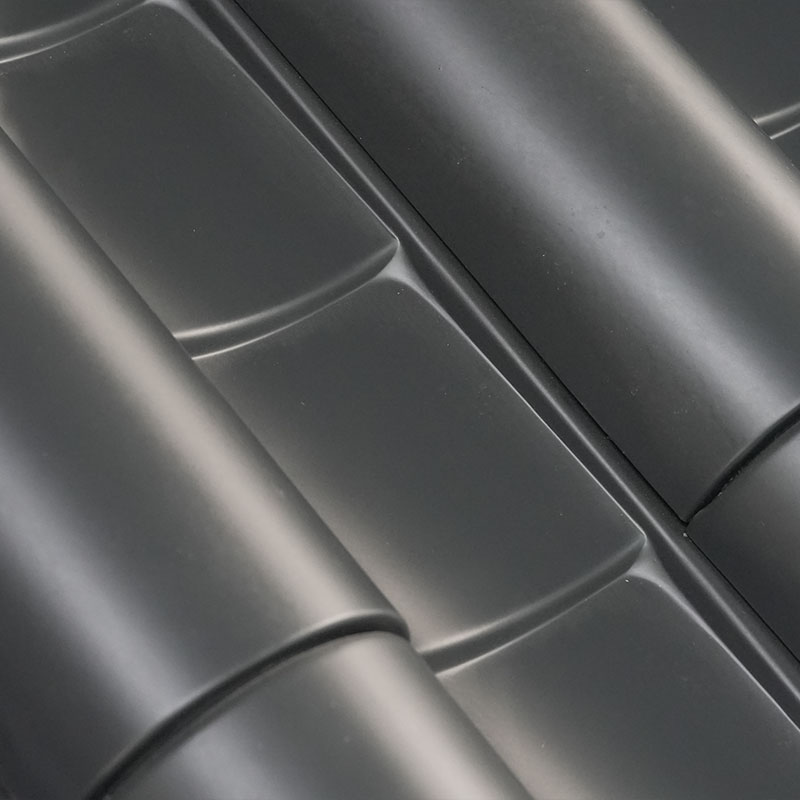
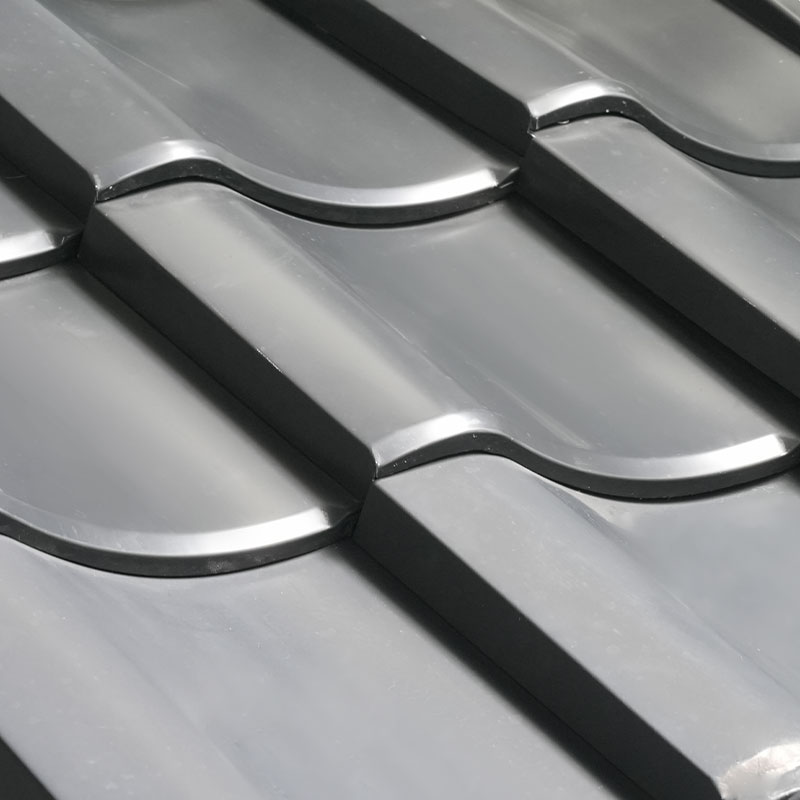
Many buyers initially describe Japanese Metal Roof Tile as a pressed metal sheet that looks like a traditional roof tile. However, for professional procurement, it should be understood as an engineered roofing system. The tile panel is only one visible part of the solution. The real performance depends on the metal substrate, corrosion protection layer, decorative coating, profile geometry, interlocking design, fixing method, underlayment and flashing accessories. A well-designed system can provide an attractive roof surface while meeting modern requirements for weight control, installation speed, wind resistance, waterproofing and transport economy.
The production process generally starts with galvanized steel, Galvalume steel or another suitable metal substrate. The substrate is formed into tile profiles by roll forming equipment, creating a shape that imitates traditional tile patterns while providing structural ribs, laps and fixing zones. Surface treatment may include primer, decorative paint, protective coating or film lamination depending on the project specification. The differences between suppliers are often not visible in a small sample. They appear later in coating adhesion, color consistency, edge protection, dimensional accuracy, accessory quality and installation compatibility.
Lightweight Metal Substrate
A quality metal substrate gives the tile enough strength while keeping the roof light. This helps reduce load on purlins, trusses and supporting structures, which is especially useful for steel buildings and renovation projects.
Corrosion Protection Layer
The metallic coating is one of the most important hidden factors. It protects the base steel from corrosion, particularly in humid, coastal or industrial environments. Buyers should confirm coating type and coating mass.
Decorative Protective Coating
The top coating affects color retention, UV resistance, chalking resistance, surface hardness and visual consistency. For commercial and public projects, batch color control and long-term appearance are critical.
Lap and Fixing Details
Waterproofing performance depends heavily on panel laps, side interlocks, fastener positions, ridge details, eave closure and flashing design. A complete accessory system is essential for reliable project delivery.
Why Japanese Metal Roof Tile Supports Faster Construction
Traditional clay or concrete tiles are often heavy, fragile and time-consuming to handle. They may require more labor for lifting, sorting, cutting and positioning. Japanese Metal Roof Tile can be supplied in panels or tile-effect sheets that cover larger areas with fewer handling steps. This can reduce on-site labor time, scaffolding duration and construction management pressure. For industrial and commercial projects with strict delivery dates, faster roof installation can also allow interior work to proceed earlier, improving the overall project schedule.
Why Japanese Metal Roof Tile Is Suitable for Roof Renovation
Renovation projects often face a difficult question: can the existing structure carry a new roof load? Because Japanese Metal Roof Tile is lightweight, it may be considered for overlay solutions after structural assessment. This can reduce demolition volume, construction waste and disturbance to building users. However, the existing roof condition must still be checked carefully. If there is severe decay, leaking, insufficient fixing base or poor ventilation, the substrate should be repaired or replaced before installation.
How the Decorative Effect Is Achieved
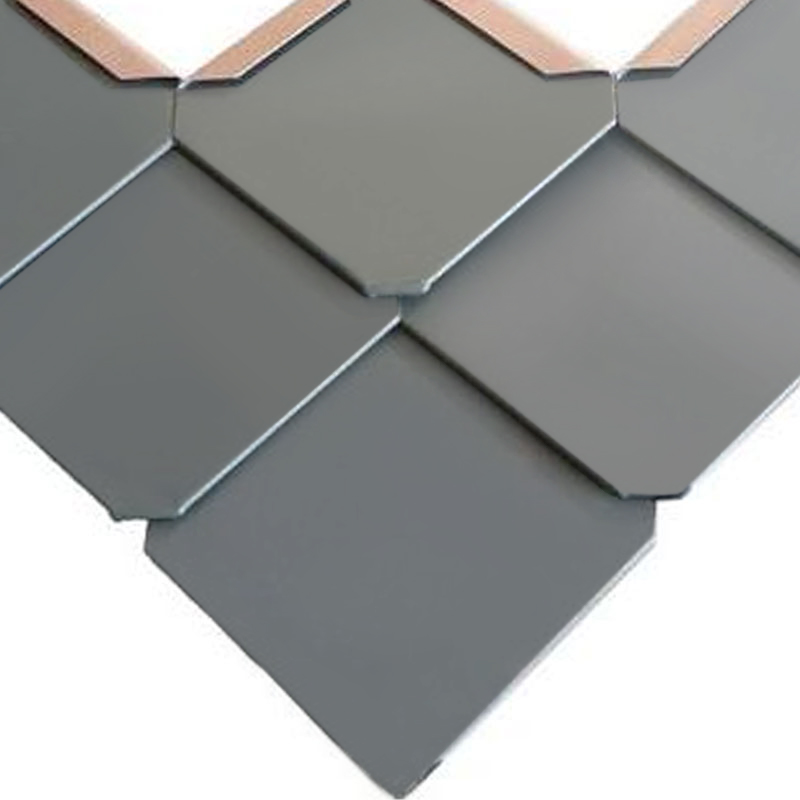
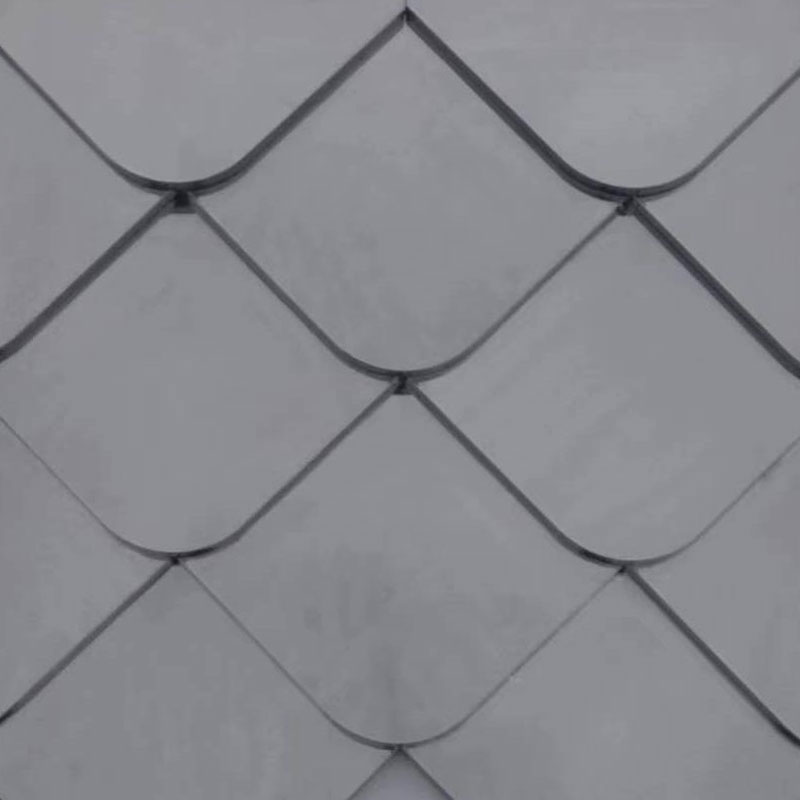
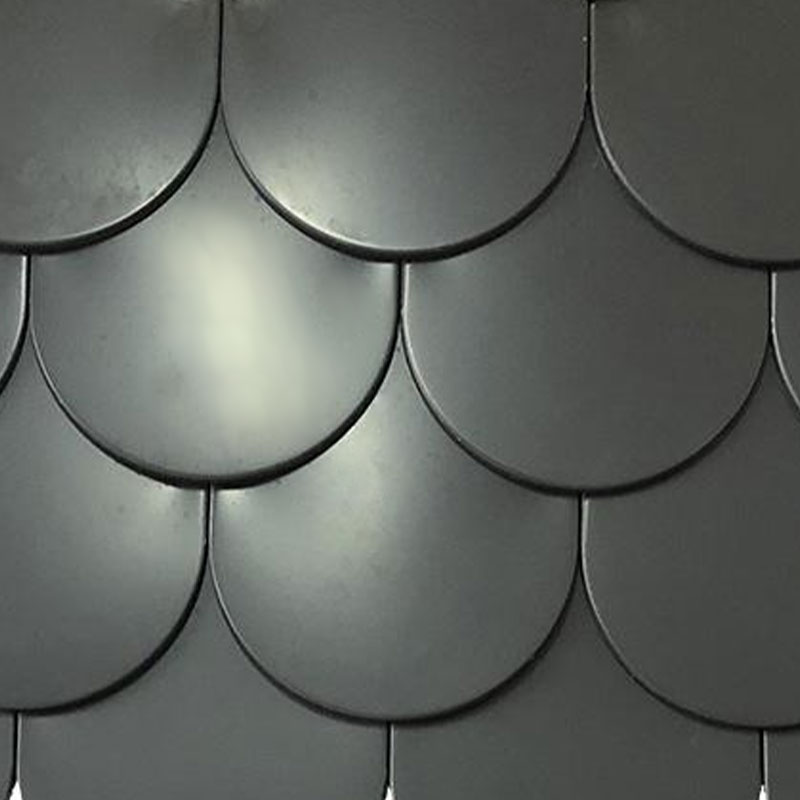
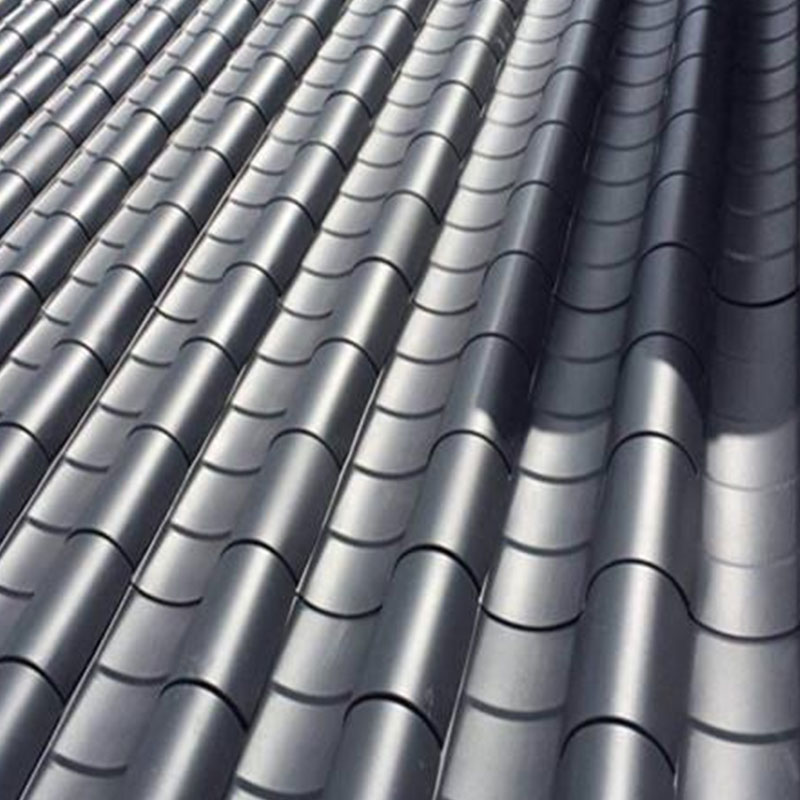
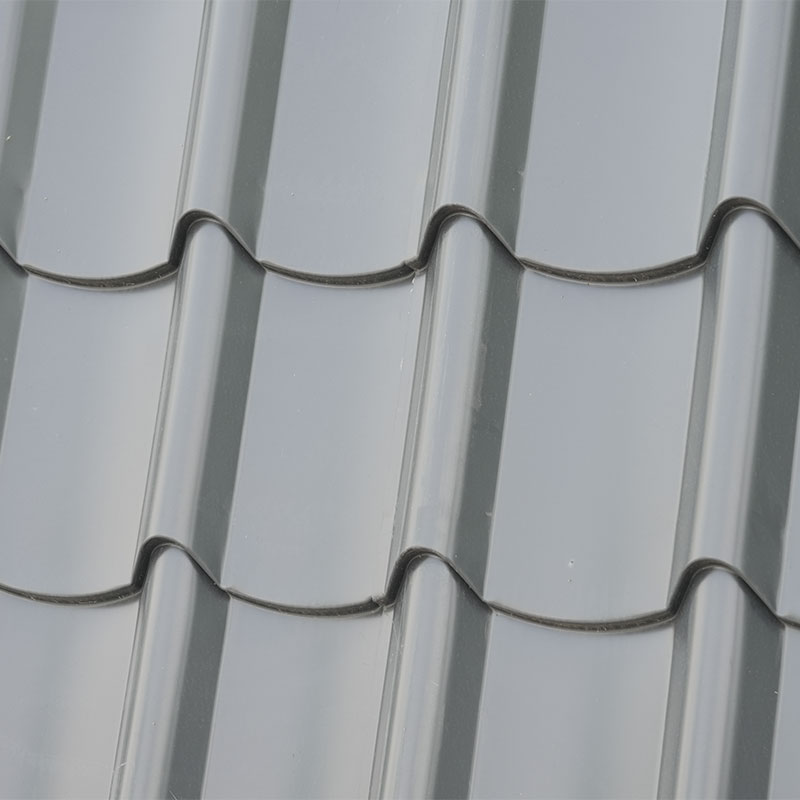
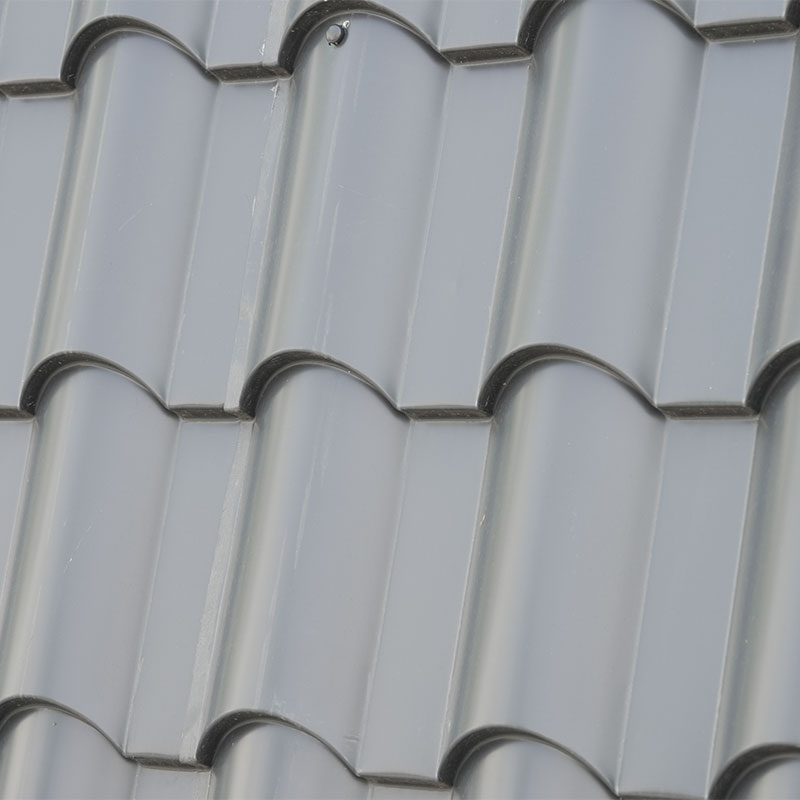
Japanese Metal Roof Tile profiles are designed to create shadow lines and overlapping patterns similar to traditional roofing. The visual effect can suit residential houses, villas, resorts, schools, hospitals, industrial parks and light steel buildings. Different colors and surface finishes allow architects and owners to match the building style. For brand-sensitive commercial projects, color consistency between production batches is an important quality control point. Buyers should review large samples or reference projects instead of relying only on small color chips.
2. Japanese Metal Roof Tile Data Comparison with Common Roofing Materials
The following comparison uses typical ranges for common roofing materials. Actual values depend on product specification, roof design, installation quality and local climate. For B2B procurement, the purpose is not to declare one material as always better, but to understand which material fits the project budget, structural condition, construction schedule and maintenance capability.
Note: The above data is a typical procurement reference and does not represent every brand, specification or project environment. For formal ordering, buyers should confirm technical details with Meiningjia Roofing System Nantong Co., Ltd. based on drawings, reports and local requirements.
3. Hidden Indicators and Deeper Analysis of Japanese Metal Roof Tile
In B2B roofing procurement, the most common disputes do not always come from price. They often come from hidden quality indicators that are difficult to judge from a small sample. For Japanese Metal Roof Tile, buyers should pay attention to coating mass, coating adhesion, fastener corrosion resistance, edge protection, accessory completeness, drainage design and installation training. These factors influence long-term performance more than many visible cosmetic features.
Suggested Weight of Hidden Procurement Indicators
Metallic Coating Mass
A higher metallic coating level generally improves corrosion protection. For coastal or industrial environments, reducing this specification to save cost can create expensive long-term risk.
Paint Thickness and Adhesion
Paint systems affect appearance, UV resistance and chalking. Buyers may request color difference data, gloss information, adhesion test results and weathering references.
Fastener Quality
Roof life is not decided by the tile alone. Screws, washers and clips must match the roof environment. Poor fasteners can rust or loosen before the tile reaches its expected service life.
Waterproof Node Design
Eaves, ridges, valleys, gables, penetrations and flashings are common leakage points. Detailed drawings and complete accessory supply are essential for professional project execution.
From a deeper procurement perspective, the value of Japanese Metal Roof Tile is not simply that it is light. Its value comes from the combination of material efficiency, system detailing and construction speed. If buyers only compare tile unit price, metal roofing may not always appear cheapest. However, when structure savings, transport efficiency, lower breakage, faster installation and reduced maintenance are included, Japanese Metal Roof Tile often becomes more competitive in many light steel and renovation applications.
4. Market Application Distribution of Japanese Metal Roof Tile
Japanese Metal Roof Tile is no longer used only for residential roofs. It is now widely considered for industrial plants, warehouses, commercial streets, public buildings, cultural tourism projects and renovation programs. Understanding the application scene helps buyers choose the correct tile profile, thickness, coating, color and accessory system. The following pie chart shows a typical market distribution pattern for reference.
Procurement Focus by Application Scene
Residential and villa projects: Buyers usually focus on appearance, color durability, noise control, roof ventilation and living comfort. It is important to confirm insulation, acoustic construction, ridge ventilation, eave closure and flashing details.
Industrial plants and logistics warehouses: The main concerns are installation speed, wind resistance, waterproof reliability, maintenance access and cost control. Large roof areas require careful drainage design, gutter capacity, skylight details and walkway planning.
Commercial and public buildings: Projects often require better visual consistency, fire compliance, approval documentation and long-term appearance retention. Schools, hospitals, exhibition spaces and tourism districts need both safety and architectural effect.
Roof renovation projects: The buyer should evaluate existing structural capacity, demolition volume, waterproof layer compatibility, construction duration and impact on building operation. Japanese Metal Roof Tile is often attractive in renovation because it is lightweight and quick to install.
5. Japanese Metal Roof Tile ROI Analysis and Selection Process
Professional buyers should evaluate Japanese Metal Roof Tile through total cost of ownership, not only purchase price. The real cost model includes tile price, accessory price, transport cost, loading efficiency, cutting waste, installation labor, structural savings, construction schedule, maintenance cost and potential recycling value. A low tile price may hide weak coating, incomplete accessories or poor dimensional accuracy, which can create higher costs during installation and service life.
Six-Step Selection Process for Japanese Metal Roof Tile
Project Diagnosis
Confirm roof slope, building use, wind pressure, snow load, rainfall intensity, salt spray exposure, seismic requirement and structural condition. A correct specification starts from project diagnosis.
Specification Confirmation
Confirm substrate, coating, thickness, tile profile, color, fixing method, accessory system, packing and transport requirements. Key parameters should be written into the purchase contract.
Sample Verification
Request samples, color cards and cross-section pieces. Check profile edges, coating feel, back protection, lap fit and accessory consistency before bulk production.
Cost Modeling
Do not compare only tile price. Add accessories, waste, transport, labor, schedule, structure savings and maintenance budget to build a 10-year or 20-year cost model.
Installation Briefing
Ask the supplier for installation guidance, node drawings, fixing spacing recommendations and site precautions. For important projects, a mock-up roof area can be approved first.
Acceptance and Maintenance
After installation, inspect ridges, eaves, gutters and penetrations. Use water test or rain observation where possible, then create a regular inspection and cleaning plan.
Procurement Formula
Purchase Value = Material Reliability x Installation Quality x Node Completeness x Lifecycle Maintenance Cost / Initial Budget Pressure
If a project only seeks the lowest price, it may ignore coating, accessories and detailing. If a project only follows a famous name, it may overspend. The best approach is to align technical requirements with the actual building environment and budget.
6. Maintenance and Compliance Recommendations for Japanese Metal Roof Tile
The long-term performance of a metal roof system depends partly on material quality and partly on installation and maintenance. Even high-quality Japanese Metal Roof Tile can underperform if drainage is blocked, fasteners are ignored, sealants age prematurely or surface damage is not repaired. For B2B buyers, maintenance planning should be treated as part of procurement risk management, not as an after-sales optional service.
Regular Inspection
Inspect the roof at least once a year and after typhoons, heavy rain, hail or strong wind events. Focus on ridges, eaves, gutters, gables, penetrations and flashing areas.
Drainage Cleaning
Remove leaves, dust, metal debris and blocked gutters. Standing water and corrosive deposits can accelerate coating aging and local corrosion if left untreated.
Fastener Check
Check screws, washers and clips for looseness, aging or corrosion. Replace damaged fasteners with compatible materials to avoid galvanic corrosion and leakage.
Coating Maintenance
Evaluate scratches, impact marks, fading or chalking areas. For coastal projects, keep original color information and consider a higher maintenance frequency.
Compliance Suggestions for Engineering Projects
- Confirm local building code requirements for roof fire rating, wind uplift resistance, waterproofing grade and energy-saving construction.
- In high wind regions, pay special attention to fixing method, interlock design and additional fastening at roof edges and corners.
- For coastal or salt spray environments, choose higher corrosion protection levels and make sure fasteners and flashings match the tile system.
- For public projects, request batch traceability, test reports and certificates to support inspection, acceptance and future maintenance.
- On site, protect workers from falls, avoid improper walking on panels and prevent damage to coating or profile during installation.
- For export projects, confirm packing, container loading, destination climate, local installation habits and technical support capability.
Meiningjia Procurement Advice
Meiningjia Roofing System Nantong Co., Ltd. recommends that buyers clarify roof area, slope, structure condition, color requirement, target service life and budget at the early stage. By confirming Japanese Metal Roof Tile profile, thickness, coating, fasteners and node solutions before production, projects can reduce later changes, avoid installation disputes and improve final delivery quality.
7. Japanese Metal Roof Tile FAQ: Eight Common Buyer Questions
Conclusion: Japanese Metal Roof Tile Is a Strategic Option for Modern Roofing Procurement
Japanese Metal Roof Tile offers more than a traditional tile appearance. It provides a lightweight, efficient, recyclable and installation-friendly roofing solution for modern construction. For industrial plants, warehouses, commercial buildings, public facilities, residential houses and renovation projects, the right Japanese Metal Roof Tile system can balance project cost, construction speed and long-term maintenance performance when the substrate, coating, fasteners and node details are selected correctly.
Meiningjia Roofing System Nantong Co., Ltd. supports B2B buyers with Japanese Metal Roof Tile selection guidance. Based on project location, climate, roof structure, slope, color requirement and budget, buyers can receive practical recommendations for tile profile, thickness, coating level, accessories and installation details. Early technical communication helps buyers obtain more accurate quotations and reduces project risk.
This article is provided for B2B roofing procurement reference. Actual project requirements should follow technical confirmation, contract specifications and local building regulations.