

 English
 русский
 Español
 عربى
عربى
When reviewing bids for a residential or light-commercial roof, the first question is rarely about colour. It is about how the material, the jointing method and the drainage details behave as one system. Aluminiumstak roofing, meaning aluminium roof tiles installed in a stacked or overlapping configuration, offers a strong answer because it reduces dead load, resists corrosion and keeps life-cycle costs predictable.
That conclusion is not a marketing promise. It follows from material density, surface treatment and how the tiles are fixed. Aluminium-magnesium-manganese alloy has a density of roughly 2.73 g/cm³, about one-third that of steel and one-eighth that of a traditional concrete tile. The stacked or interlocking layout gives each tile an independent fixing point, and the small gaps between profiles absorb thermal expansion without creating pressure on the fasteners.
Content
What Aluminiumstak Roofing Actually Is
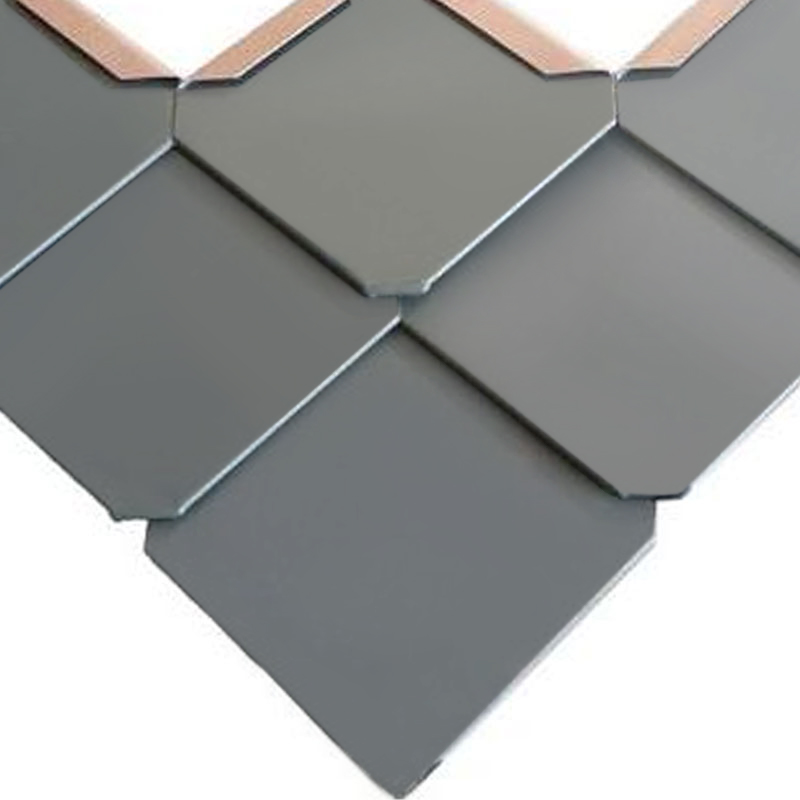
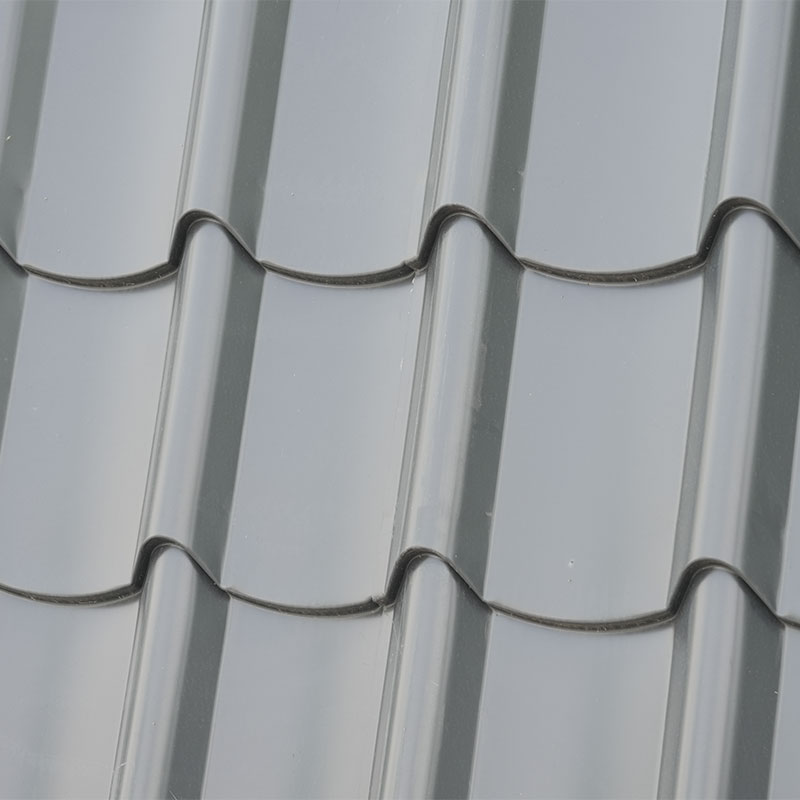
Aluminiumstak is not a single product profile. It is a family of aluminium sheet tiles that overlap or interlock to shed water, usually installed over a breathable underlayment on a ventilated batten system. The most reliable versions are formed from aluminium-magnesium-manganese alloy and finished with a multi-layer PVDF fluorocarbon coating.
Al-Mg-Mn alloy provides good strength at low thickness. Common base thickness for roof tiles is 0.7–1.0 mm, which keeps weight low without making the panel flimsy.
A 25–30 µm fluorocarbon coating resists UV fading, salt exposure and chalking. This matters for coastal buildings and roofs that face strong sun for decades.
Hidden clips or standing seams are preferred for longevity. Exposed screws are cheaper but can become a maintenance point as washers age and thermal movement loosens them.
Because the tiles overlap in repeating rows, the roof surface sheds water in a predictable path. The same geometry also allows air to circulate under the tiles, reducing condensation and keeping the timber structure drier. That combination is why aluminiumstak systems work well on pitched roofs from 15° up to steep heritage-style slopes.
Roof Profiles Compared by Application
Different profiles change the visual rhythm of the roof and also affect drainage, weight and installation time. The table below summarises common aluminiumstak tile families and where each one performs best.
Typical values for ventilated pitched roofs; always confirm with project drawings and local loading requirements.
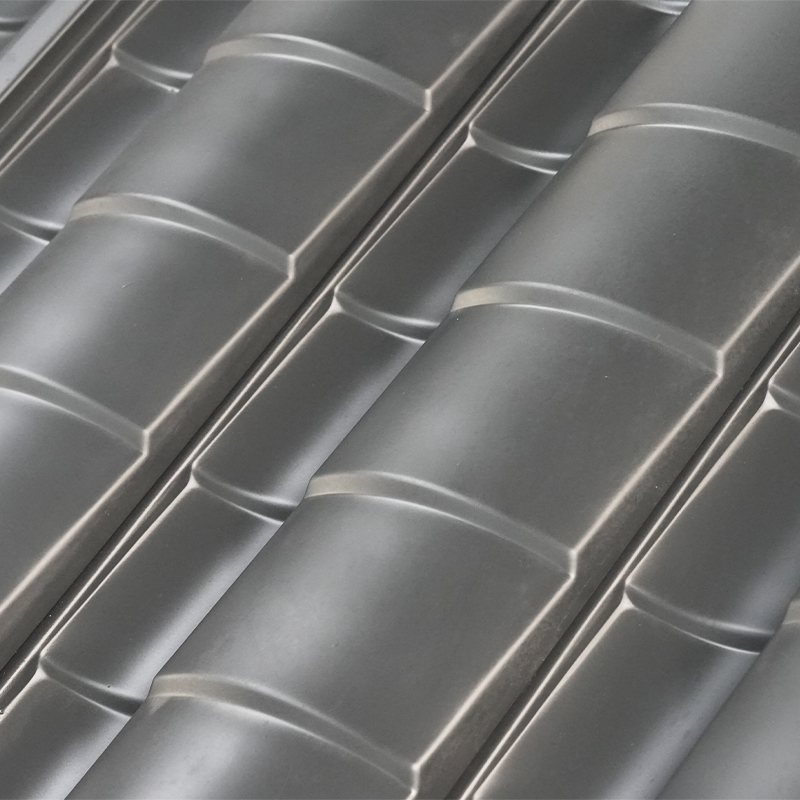
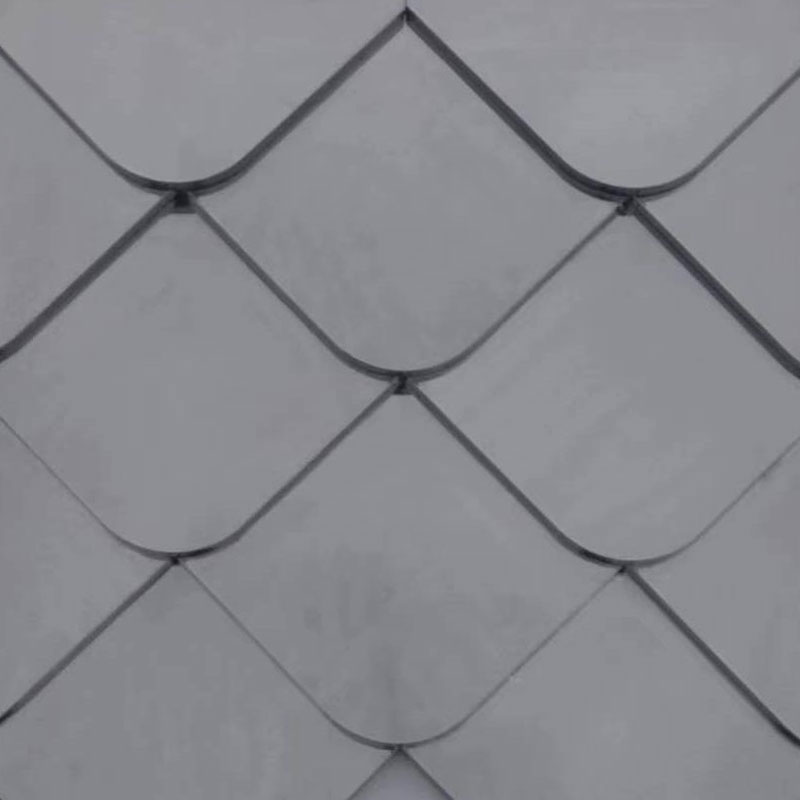
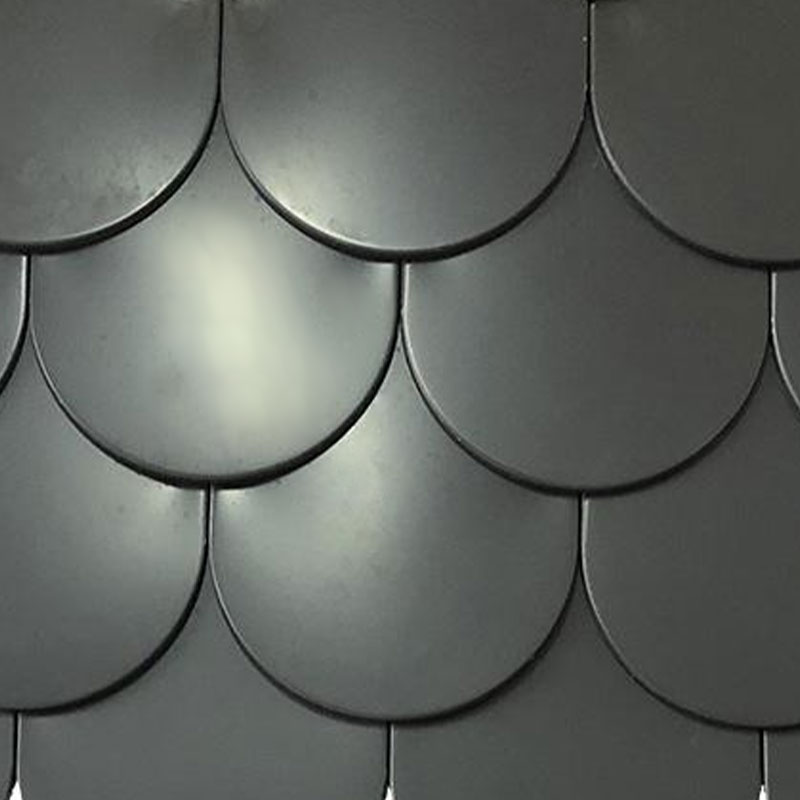
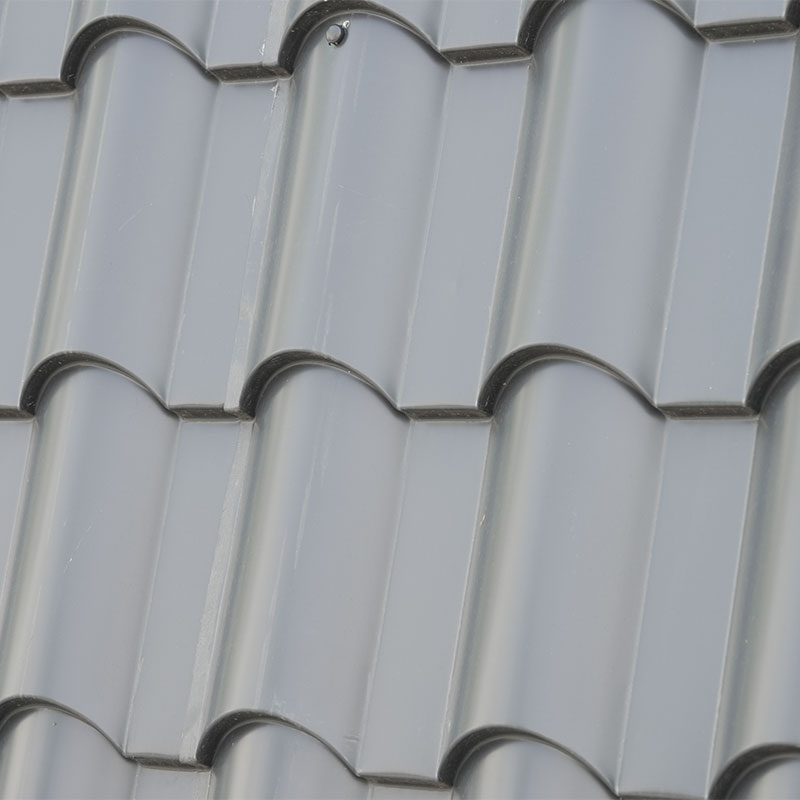
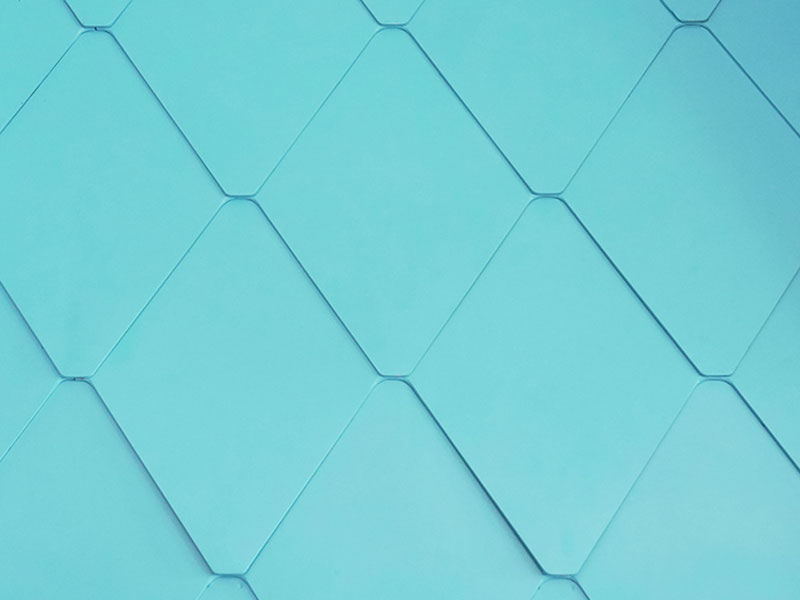
For decorative elevations where the visual rhythm matters more than maximising drainage speed, the fish-scale profile is a common compromise between appearance and reliable water shedding.
 Aluminum Magnesium Manganese Fish Scale Metal Roofing TileThis profile suits decorative elevations where visual rhythm matters. Its light weight, weather resistance and varied shapes make it a practical choice for an attractive roof that still sheds water reliably.View Product →
Hidden Performance Indicators Buyers Often Miss
The brochure will list the coating name and the alloy grade, but it rarely shows the numbers that actually separate a good aluminiumstak roof from a poor one. The most useful comparison starts with weight per square metre, because it drives structural cost from the foundation to the rafters.
Concrete
~45 kg/m²
Steel
~25 kg/m²
Aluminium
~12 kg/m²
Copper
~18 kg/m²
The practical effect is visible in the supporting structure. A lighter roof can often use smaller rafters, simpler wall connections and a cheaper foundation detail. Over the whole building envelope, that saving is not cosmetic; it reduces the total construction budget and opens up design options for parapets or overhangs.
Indicators that are worth asking for
- Coating thickness: A realistic specification is 25–30 µm PVDF on visible surfaces. Lower figures may fade sooner in strong sunlight.
- Corrosion resistance: For coastal sites, ask for salt-spray test results above 1000 hours without blistering.
- Fire performance: Aluminium core products can achieve A2 classification, which simplifies compliance in projects with strict fire codes.
- Temperature range: A well-designed aluminiumstak roof works from roughly -40°C to 80°C without significant distortion when the joint design allows movement.
Industry Application Distribution and What It Tells You
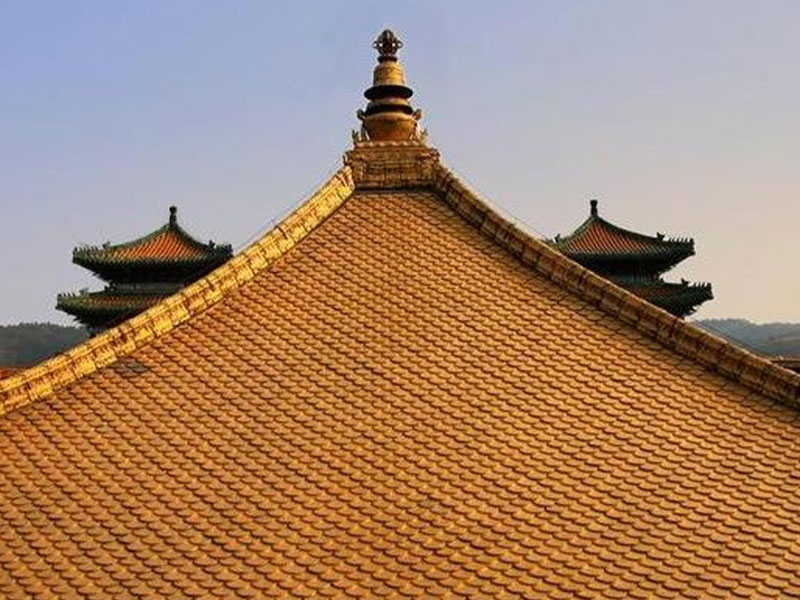
Project experience across different sectors shows a clear pattern. Residential and light commercial roofs make up the largest share, but the fastest-growing segment is heritage-style construction, where aluminium tiles replace clay or cement products that would add too much weight to old timber frames.
Residential roofs — 45%
Heritage & antique-style buildings — 25%
Commercial & public projects — 20%
Industrial roofs — 10%
The residential share is driven by lighter weight and lower maintenance than clay tiles. The heritage share, however, is where aluminiumstak earns a premium: architects specify it because it recreates the silhouette of traditional tiles while solving the structural problems that make genuine clay tile roofs difficult to restore. That shift is not just about looks; it is about making old buildings safer and more sustainable.
Selection and ROI Checklist for Aluminiumstak
Choosing an aluminiumstak roof does not need to be complicated, but skipping one step often leads to hidden costs later. The following sequence works for both small renovations and larger new-build projects.
Define slope and drainage
Measure the actual roof pitch and identify any valleys, dormers or skylights. These details determine whether a standing seam profile or a stacked tile profile is more appropriate.
Check alloy and thickness
Ask for the specific alloy designation and the finished thickness. A 0.7 mm sheet can be fine for simple profiles; larger decorative tiles often need 0.8–1.0 mm to stay flat over time.
Review coating evidence
Request documentation for coating type and thickness. A reputable supplier should be able to show the expected colour retention and salt-spray performance.
Compare the whole system, not just the tile
Include gutters, flashings, clips and nails in the comparison. A cheap tile with poor fasteners will cost more in maintenance than a slightly more expensive tile with a proper concealed fixing system.
Confirm installation and warranty terms
Clarify what the warranty covers: coating only, or also leakage, fastener corrosion and workmanship? Installation quality has a bigger effect on the real service life than any printed specification.
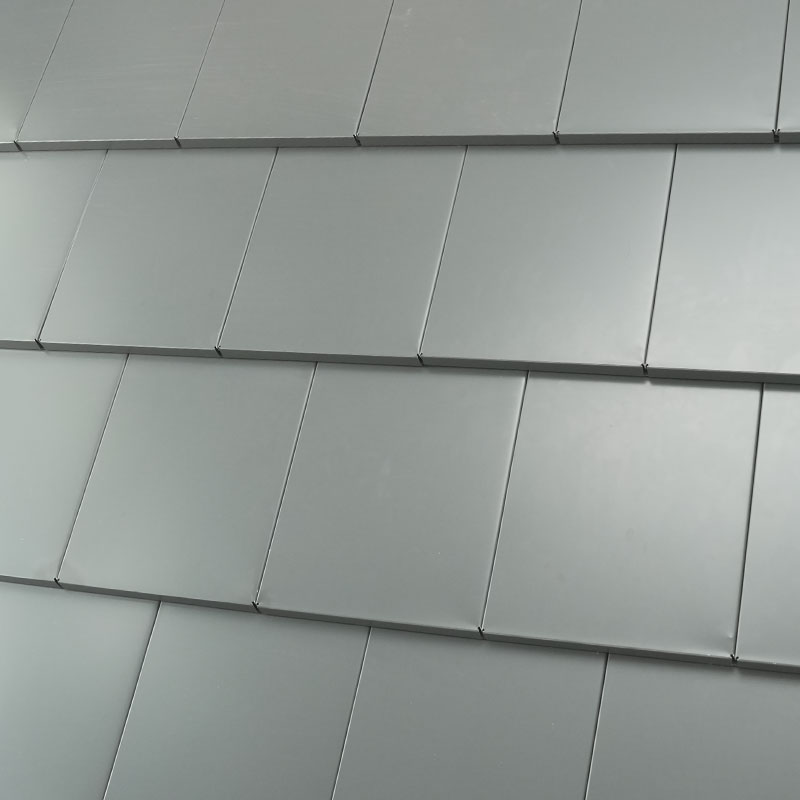
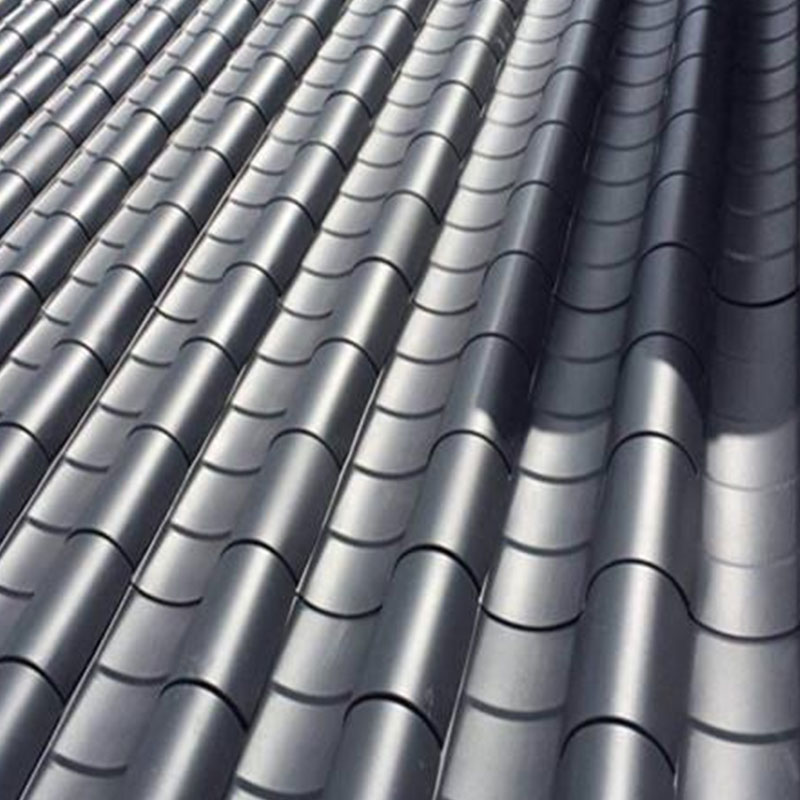
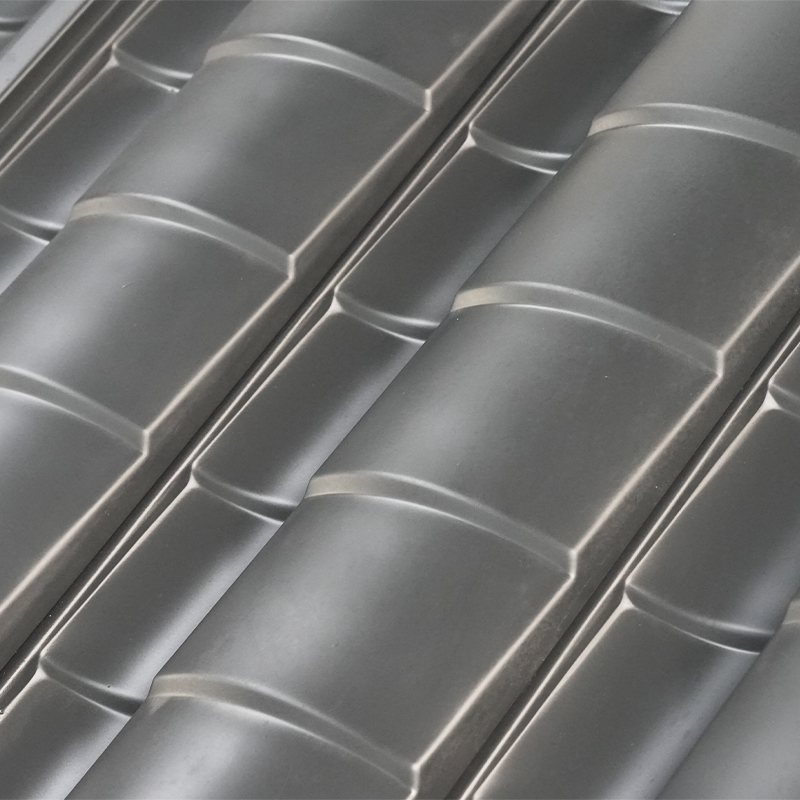
When the roof pitch drops toward the low end, a standing seam profile is often the safer choice because it removes exposed fasteners and creates a continuous waterproof plane.
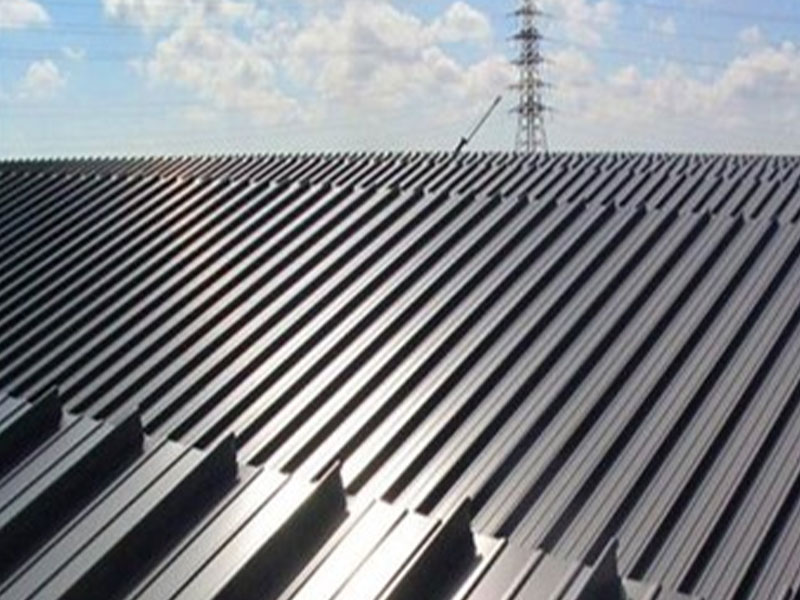 Aluminum Magnesium Manganese Standing Seam Metal Roof TileWith hidden fasteners and a continuous waterproof plane, this standing seam tile is ideal for low-pitch roofs. It offers high strength, corrosion resistance and simple installation across many building styles.View Product →
Maintenance, Ventilation and Code Notes
Aluminiumstak roofs are low-maintenance, but “low” is not the same as “zero”. The small amount of attention required is usually aimed at the points where the roof meets other building elements, not at the tile surface itself.
- Clean gutters twice a year. Aluminium gutters are part of the drainage system, but they still need debris removed to keep water moving quickly away from the eaves.
- Check fixings after extreme storms. Loose or lifted clips are rare, but a fast visual check after a high-wind event prevents small issues from growing.
- Repair scratches early. A deep scratch can eventually expose bare alloy to salt or industrial pollutants. Touch-up paint matched to the original coil coating is usually enough.
- Keep the roof space ventilated. Under-tile airflow reduces condensation in winter and heat build-up in summer. Do not block vents when adding insulation.
- Retain coating batch records. If a future repair is needed, having the batch reference makes colour-matching far easier.
From a compliance perspective, the key document is the fire classification. Aluminium itself has a high melting point and does not contribute fuel to a fire, making it a practical option for buildings where the local code requires reduced combustibility. Always confirm that the chosen profile and its underlayment meet the specific classification requested by the local authority.
For a step-by-step walkthrough of the complete process, see our practical installation and maintenance guide.
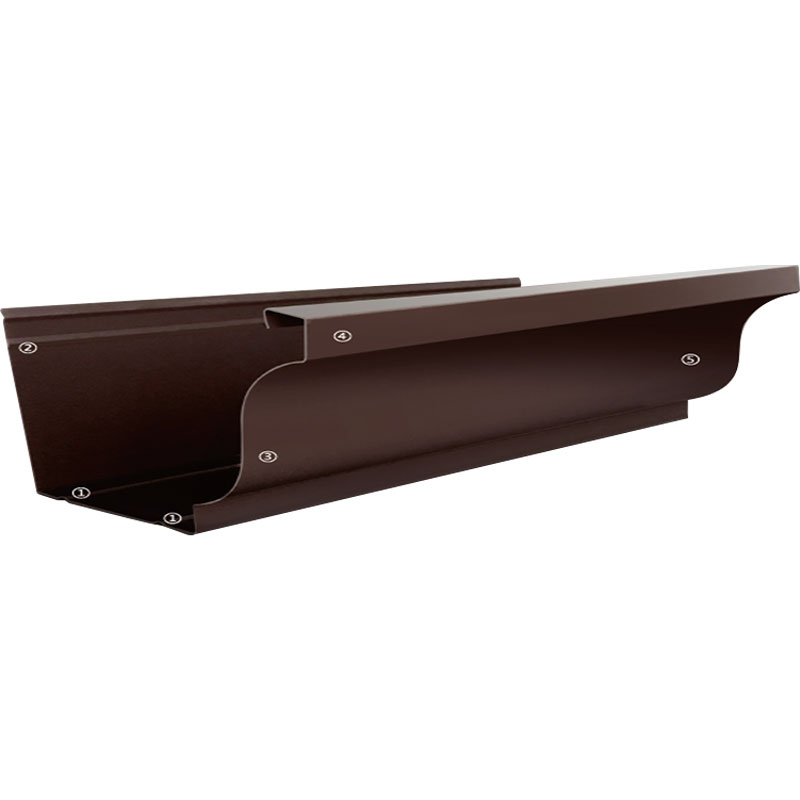
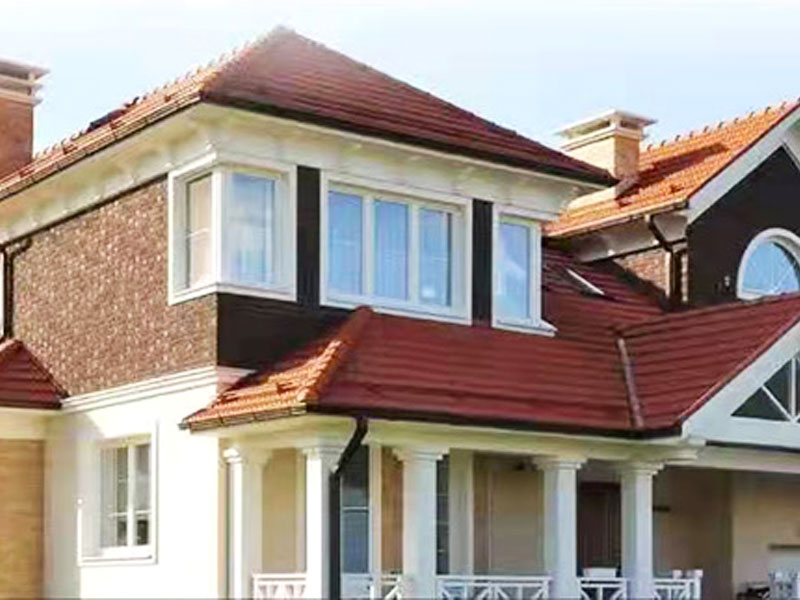 Manganese Aluminum Alloy Roof GutterThis gutter pairs a double water-stop design with decorative lines, protecting eaves from stains while improving appearance. Made of corrosion-resistant 3003H24 alloy, it withstands salt spray and installs quickly.View Product →
An aluminiumstak roof gives you the most value when you treat the whole assembly as a system: the alloy, the coating, the profile shape, the fasteners and the rainwater goods. Comparing those elements alongside the purchase price is what separates a roof that lasts 50 years from one that needs attention in year ten. Start from the structural load, check the hidden performance figures, and keep the maintenance routine simple. That approach will turn a material choice into a sound long-term investment.