


 English
 русский
 Español
 عربى
عربى
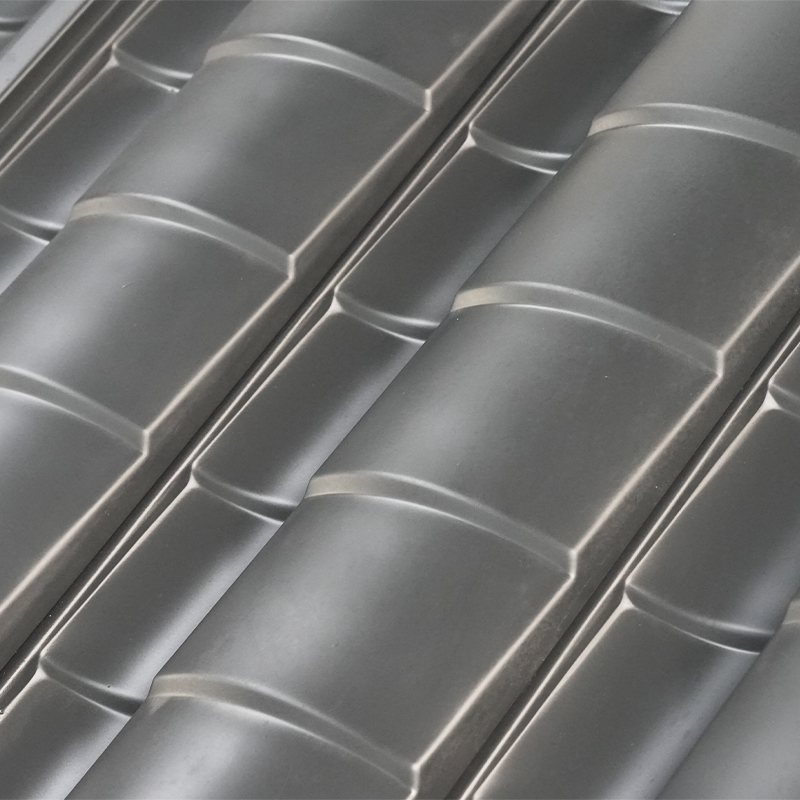
A 0.8 mm aluminum corrugated sheet on a coastal logistics roof almost never fails because the metal was wrong. It fails because the fasteners were carbon steel, the end lap was 90 mm instead of 150 mm, and the coating was a 20-micron polyester that chalked out after four summers. By the time the first leak shows up over a racking aisle, the repair bill is three times the money saved on the cheaper sheet.
Aluminum corrugated sheet roofing is a system, not a product: alloy, temper, profile geometry, thickness, coating build-up, fastener metallurgy, sealant chemistry and flashing detail all have to agree with each other. Buyers who compare only the price per square meter are really comparing how much risk they are willing to carry.
The practical conclusion: for a project that must hold 20 years or more, specify 3003, 3004 or 5052 alloy, 0.7 mm to 1.0 mm thickness, a PVDF coating of at least 25 microns, and stainless steel or aluminum fasteners with EPDM washers. Aluminum sits well above steel in the galvanic series, so a zinc-plated screw creates a small battery at every fixing point and the metal around each hole corrodes first.
Get that combination right and the sheet becomes one of the lowest-maintenance roofing choices available. Get it wrong and you will be re-roofing a bay at a time, chasing leaks that move with the wind direction.
Content
What Aluminum Corrugated Sheet Actually Solves
Corrugated aluminum earns its place where weight, corrosion and maintenance access are the binding constraints. Three properties drive most of the specification decisions.
- Density of roughly 2.7 g/cm³. A corrugated aluminum roof weighs about one third of an equivalent steel profile. On a renovation over an existing 1970s concrete or timber structure, that difference often removes the need for structural strengthening altogether.
- A self-healing oxide layer. Aluminum performs reliably between roughly pH 4 and pH 9. That covers most industrial atmospheres, but not ammonia-heavy livestock buildings or fertilizer storage, where a coated or protected system is required.
- Non-combustible behavior. The metal melts at around 660 °C and contributes nothing to fire load, which matters for insurance classification on warehouses and industrial sheds.
The trade-off is thermal movement. Aluminum expands at approximately 23.1 × 10⁻⁶ per °C, more than twice the rate of steel. Over a 30 m run with a 55 °C surface swing, that is close to 38 mm of movement. Fixed fasteners in the middle of a long sheet will either elongate the holes or tear the sheet. Long runs need slotted cleats or concealed clips that let the profile slide.
Where a project needs concealed fixings and longer spans than a corrugated profile can offer, standing seam systems take over the same alloy family in a different geometry.
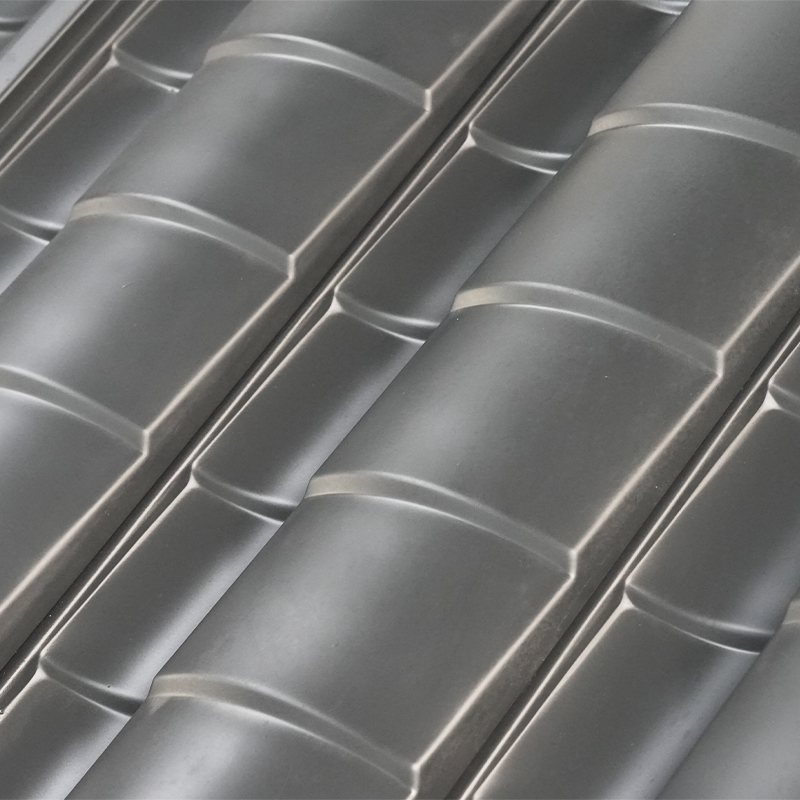
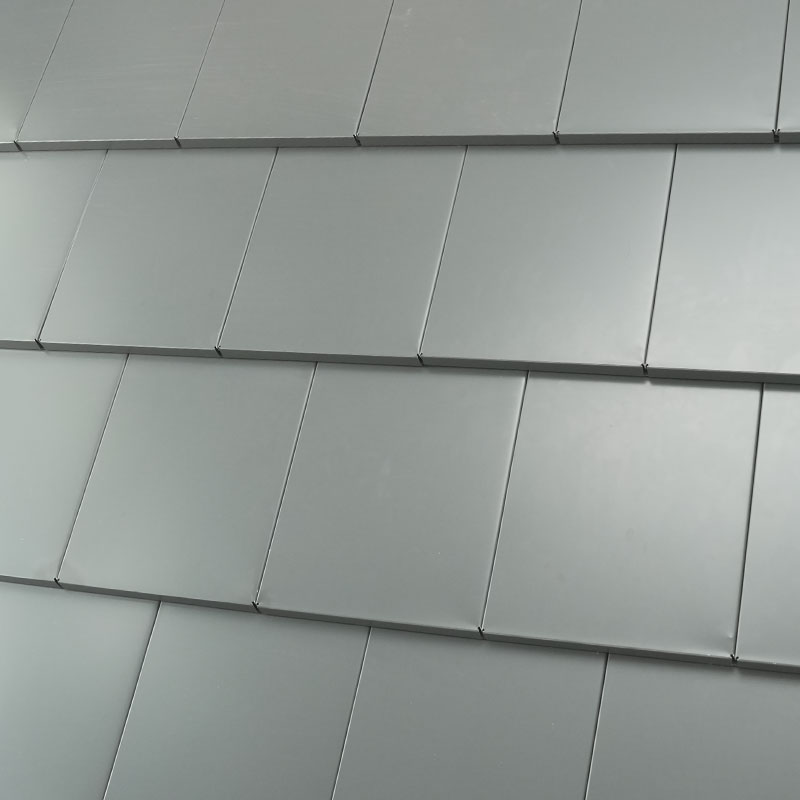
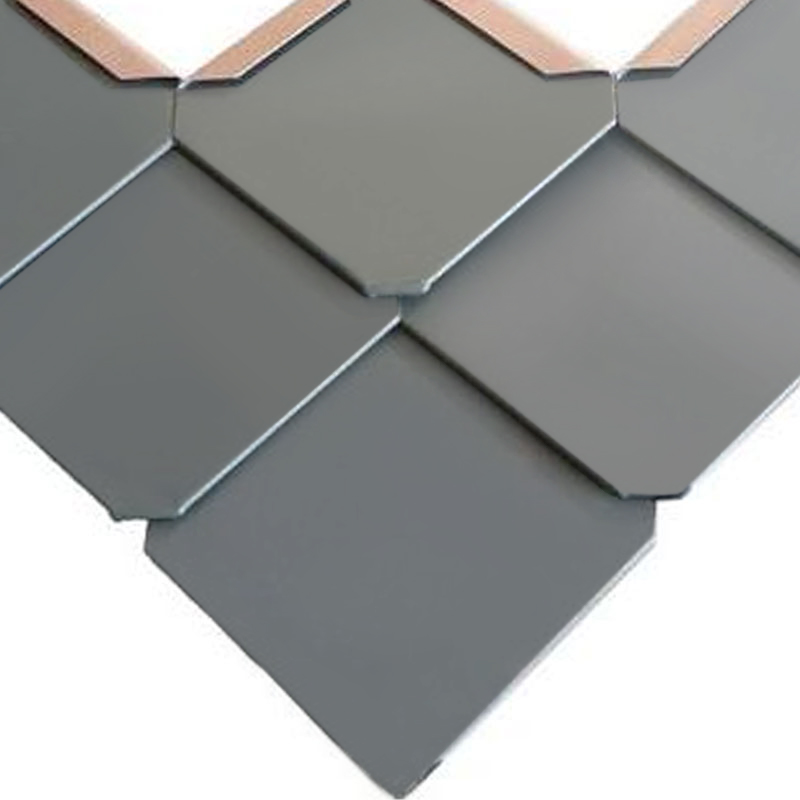
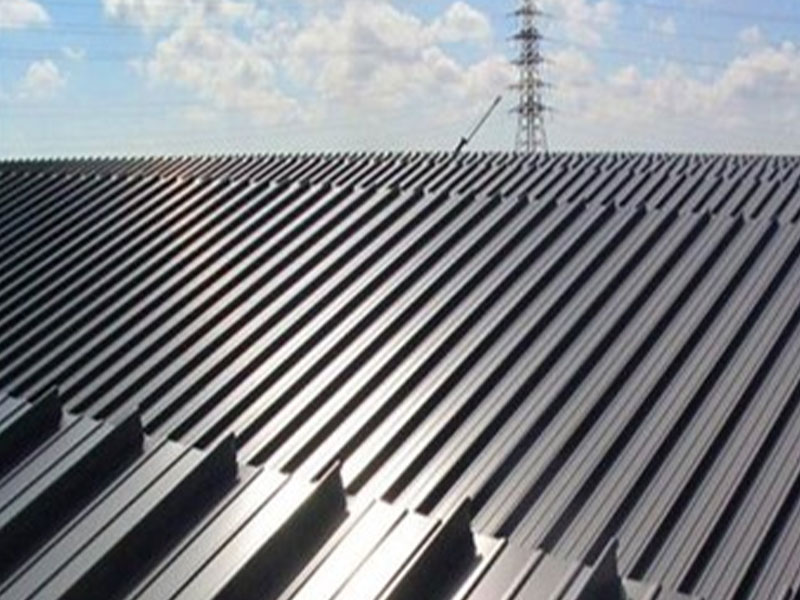 Aluminum magnesium manganese Standing Seam Metal Roof TileUpright vertical edge-locked metal tiles have both high strength and durability, strong waterproofing, corrosion resistance, aesthetics, lightweight, flexible molding,...View Product →
The Four Variables That Decide Service Life
Two roofs can carry the same profile name and behave completely differently. The gap sits in alloy, temper, coating and fixing detail.
A common procurement error is mixing categories. A 5052 alloy with a 15-micron polyester coating is a waste of good metal; a 1050 alloy under a 30-micron fluorocarbon film is a waste of good paint. The costly components should be matched to the exposure the roof will actually see.
Our own production line at Y·H·W- Meiningjia Roof System runs sheet aluminum through press forming, surface treatment and multi-layer fluorocarbon spraying in sequence, which is the same order of operations a buyer should ask about when auditing any supplier. If a factory cannot describe its pre-treatment stages, the coating warranty is worth very little.
The Hidden Indicator Nobody Puts in the Brochure
Salt-spray hours under ASTM B117 testing is the number that predicts how a coated aluminum roof will look in year twelve. It appears in technical data sheets far less often than thickness or color, because it is the hardest figure to make look impressive on a cheap product.
Those ranges are typical industry figures rather than guaranteed values, and a supplier's own test report is the only reliable source. The pattern is what matters: moving from a single-layer polyester to a properly cured fluorocarbon system can multiply the corrosion barrier by six to eight times, while adding a relatively small amount to the material cost.
Two secondary indicators are worth checking alongside it. The first is coating thickness measured in microns, which should be stated as a range with a minimum, not as an average. The second is the adhesion test result after bending, because a film that passes a flat panel test but delaminates when the sheet is folded around a sharp radius will fail at every ridge and eave detail. For a deeper walkthrough of installation tolerances and site practice, this practical guide to aluminum roofing sheet benefits, installation and maintenance covers the site-level checks that protect the coating during handling.
Where Corrugated Aluminum Roofs Get Specified
Demand is not spread evenly across building types. The distribution below reflects how project enquiries typically break down, and it is useful for understanding which performance properties buyers prioritize.
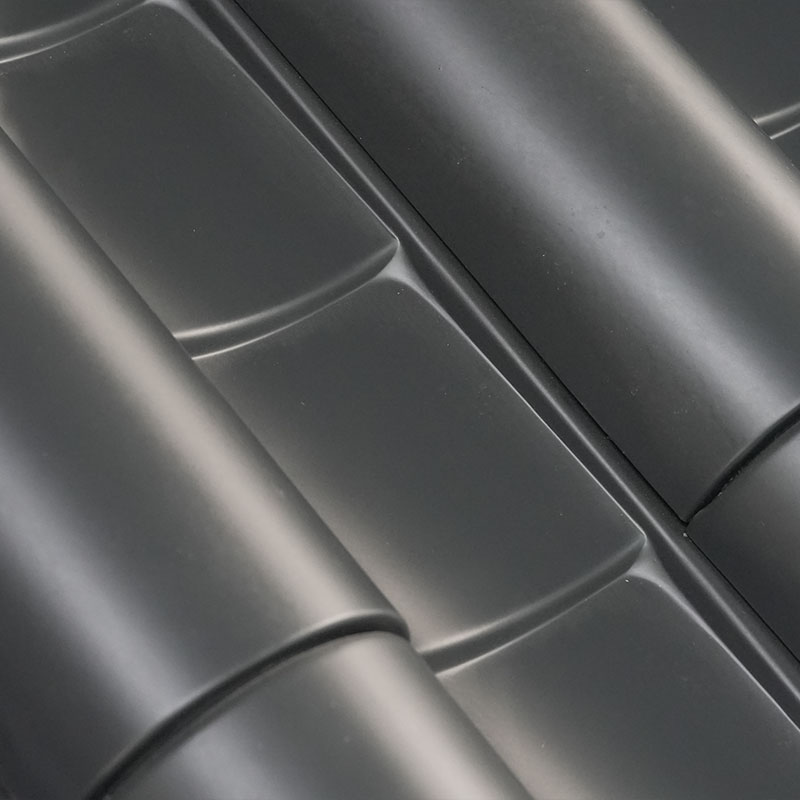
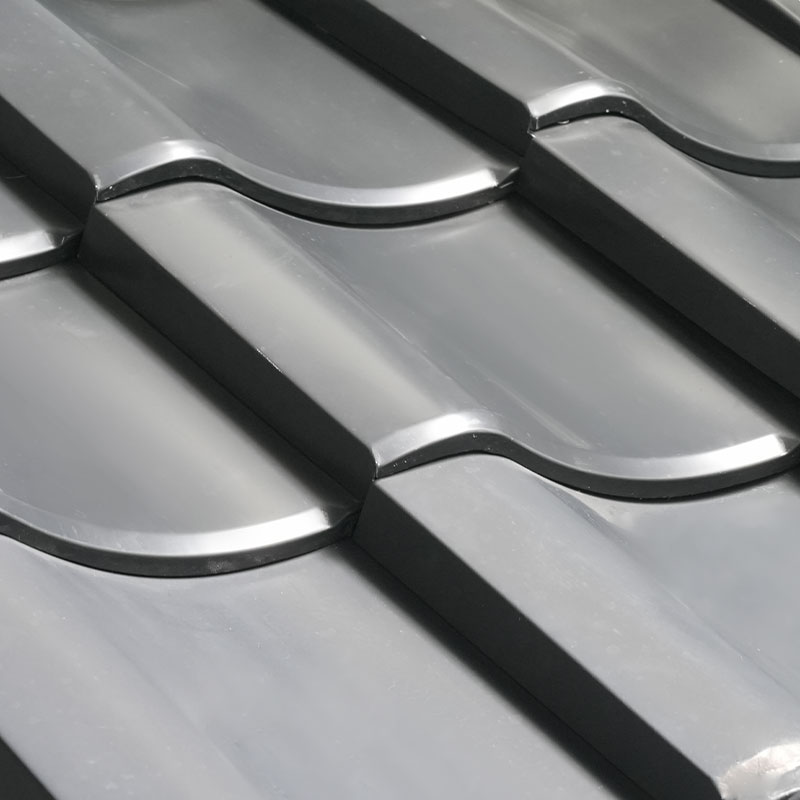
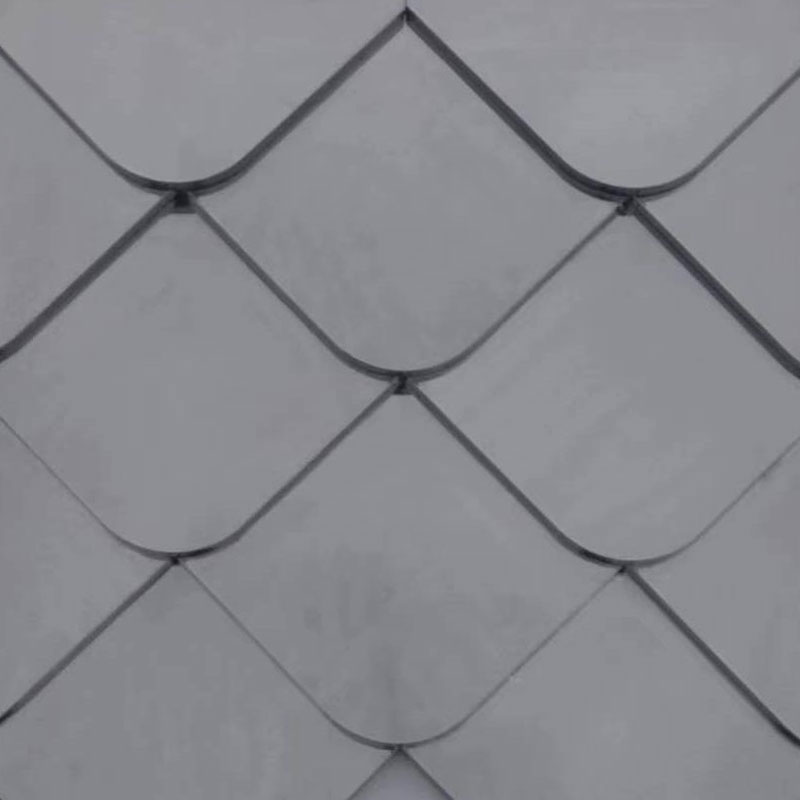
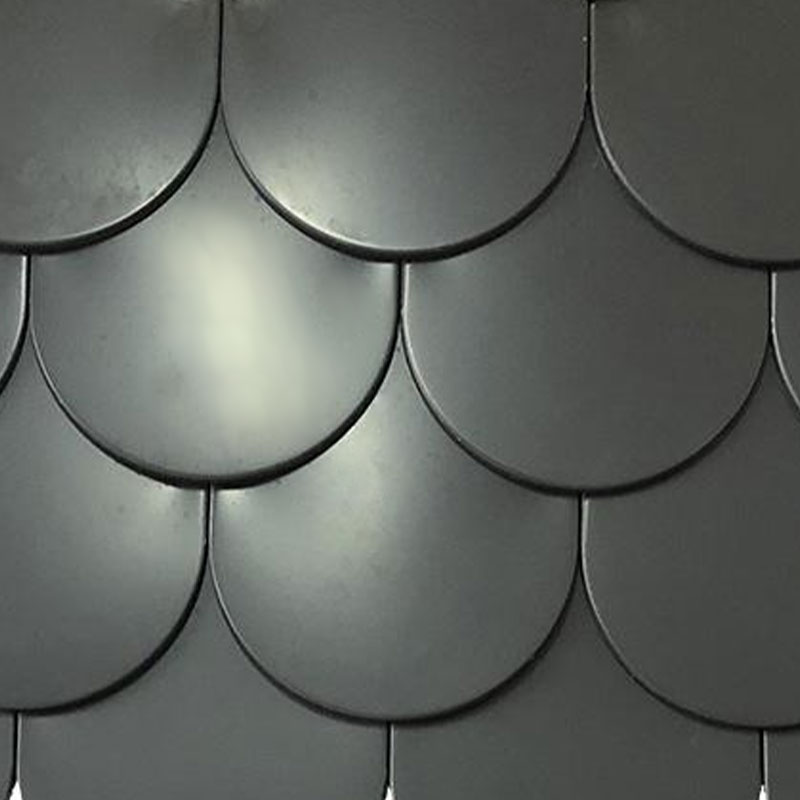
The industrial segment dominates because spanning capability and low dead load matter more there than appearance. Heritage work is the opposite case: corrugated profiles are usually rejected in favor of pressed tiles that reproduce a traditional silhouette, so a different product family applies. Where appearance drives the decision rather than spanning economy, pressed profiles in the same alloy family are the more natural fit, and the composite metal roofing tile range shows how that transitions works.
A Five-Step Specification Sequence
Working through these steps in order prevents the most expensive mistakes, most of which are made before a single sheet is ordered.
- Fix the minimum roof pitch first. Corrugated profiles generally need 3° or more with standard end laps; below that, increase the lap, add a sealant tape and consider a standing seam system instead.
- Calculate wind uplift for the actual site. Coastal and open terrain locations can push uplift pressures high enough that 0.5 mm sheet is disqualified regardless of price, and fastener spacing drops to every second corrugation.
- Match the coating to the atmosphere. Rural and inland sites tolerate SMP; coastal, industrial and high-UV regions justify fluorocarbon.
- Specify fasteners and sealants as separate line items. Stainless steel or aluminum fasteners with EPDM washers, plus neutral-cure silicone or butyl tape. Never leave fixing hardware to the installer's discretion.
- Confirm the gutter and trim supply in the same contract. Mismatched alloys between sheet and guttering reintroduce the galvanic problem at the eave, which is exactly where water concentrates.
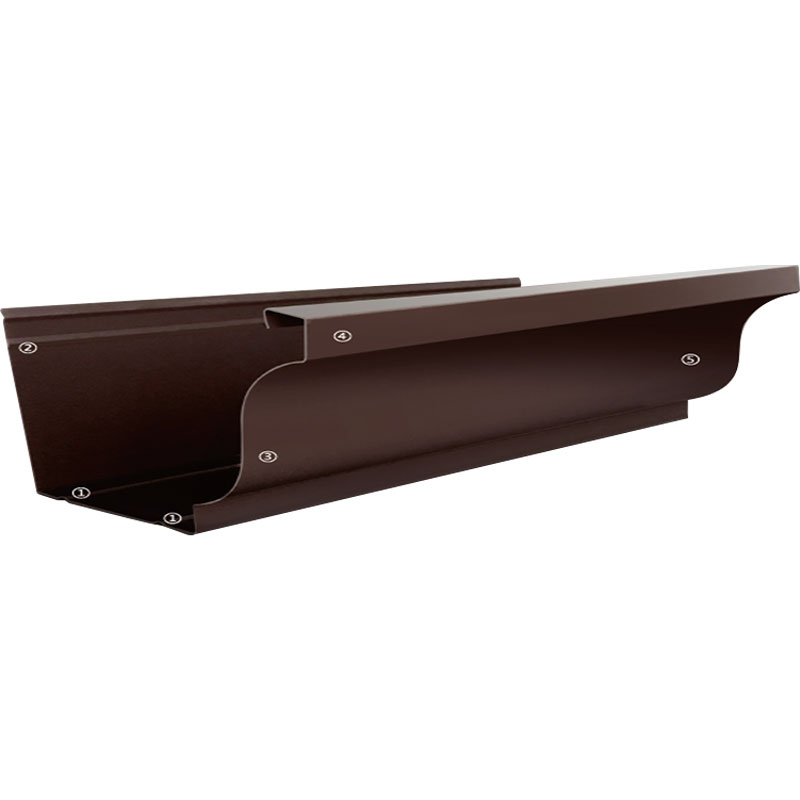
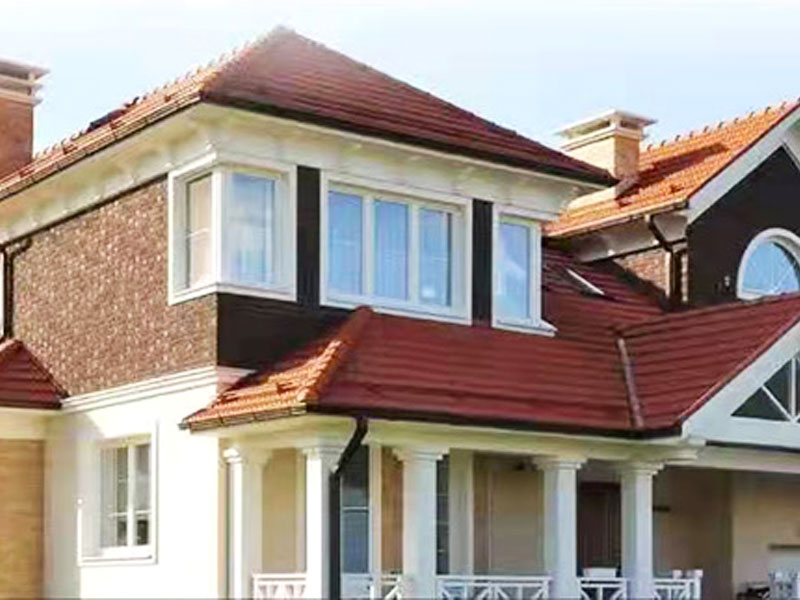 Manganese Aluminum Alloy Roof Gutter1. Bottom double water stop design A. Effectively prevent rainwater from flowing from the bottom of the gutter to the stable opening, causing water stains on the eaves...View Product →
Lifetime Cost, Not Purchase Price
The material premium for upgrading from a thin polyester-coated sheet to a 0.9 mm fluorocarbon-coated sheet is typically in the range of 25 to 40 percent. Repainting or re-coating a corroded roof, by contrast, usually costs more than the original sheet supply, and it also carries access, scaffolding and business-interruption costs.
Aluminum also holds most of its scrap value. Offcuts, replaced sheets and end-of-life material all return to the recycling stream at a meaningful price, which no coated steel or bitumen membrane can match. On large projects, scrap recovery can offset a noticeable share of the initial premium.
Choosing between profiles
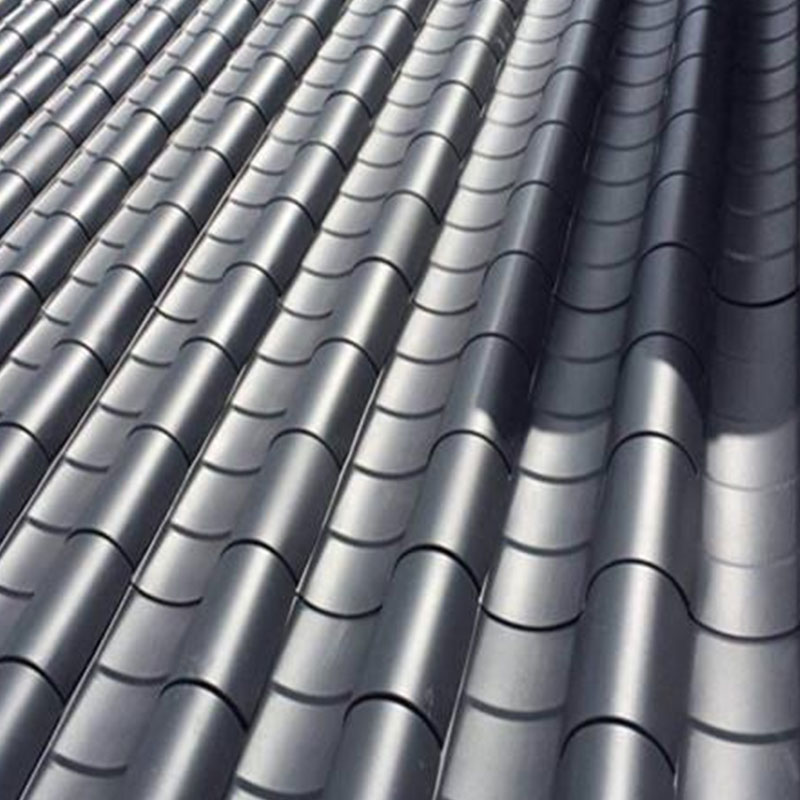
Sinusoidal corrugation is economical and drains well at moderate pitches. Trapezoidal profiles span further and accept insulation more easily. Pressed tile profiles cost more per square meter but change the architectural character of a building entirely, which is often the actual requirement on residential and tourism work.
Maintenance and Compliance Notes
An aluminum roof needs little attention, but the small amount it does need is specific.
- Wash the surface once a year in coastal or industrial areas. Airborne chlorides and sulfates sit on the coating and slowly break it down; a low-pressure rinse removes them before they bond.
- Keep the roof clear of debris that traps moisture, especially behind ridge caps and around gutter outlets.
- Never let copper runoff land on aluminum. Water washing off copper flashings or a copper gutter above an aluminum sheet will deposit copper ions and trigger rapid pitting.
- Replace damaged sheets rather than patching with bituminous products, which are incompatible with aluminum surfaces and trap water against the metal.
- Record batch numbers and coating certificates at handover. Compliance documentation for fire performance, load tables and coating test reports is far easier to assemble while the project file is still open.
Specified carefully, an aluminum corrugated roof is a thirty-year decision made in a single afternoon of procurement. The document that protects it is not the color chart but the technical data sheet behind it.