

 English
 русский
 Español
 عربى
عربى
Content
- 1 Material Composition and Structural Properties
- 2 Weight and Structural Load Considerations
- 3 Installation Efficiency and Labor Requirements
- 4 Thermal Performance and Energy Efficiency
- 5 Durability and Lifecycle Cost Analysis
- 6 Aesthetic Versatility and Design Integration
- 7 Sustainability and Environmental Impact
- 8 Conclusion: Value Assessment for Modern Architecture
Material Composition and Structural Properties
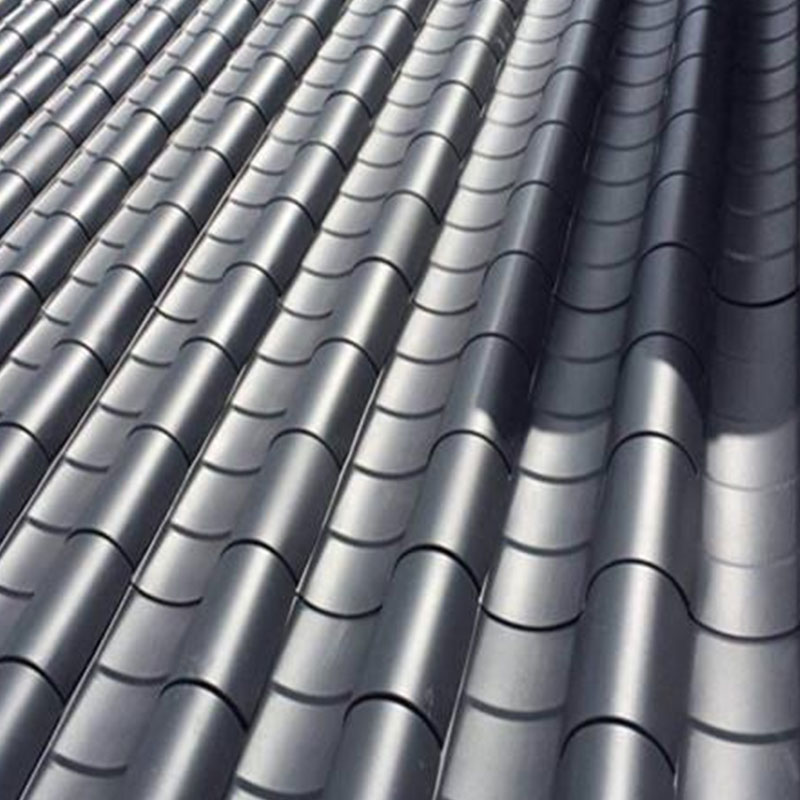
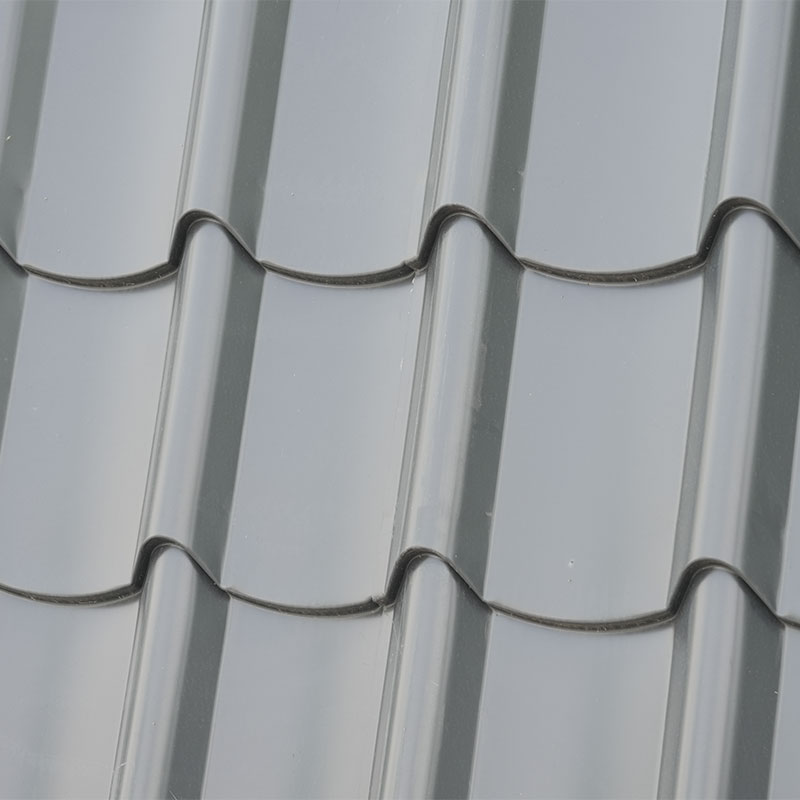
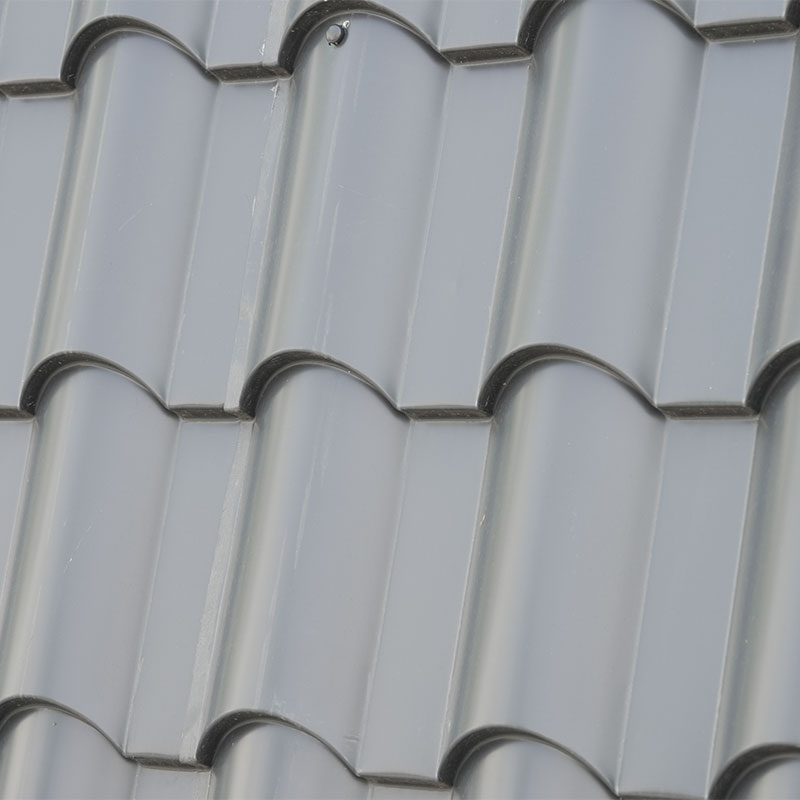
Composite Insulated Aluminium Roof Tiles represent a revolutionary approach to roofing technology, fundamentally differing from traditional clay tiles in both composition and performance characteristics. These advanced roofing systems are manufactured from 3003 series aluminum-manganese alloy bonded with modified asphalt base materials under high-temperature, high-pressure conditions. The aluminum substrate measures 0.45mm in thickness and generates a naturally occurring, hard, dense oxide film (γ-Al2O3) measuring 2.5 to 3.0 nanometers when exposed to atmospheric conditions at room temperature. This self-healing oxide layer provides exceptional corrosion resistance that traditional clay tiles cannot match.
Traditional clay tiles, conversely, are manufactured from natural clay or shale that is molded and fired in kilns at temperatures exceeding 1,000°C. While clay tiles offer time-tested durability, they lack the engineered precision and material consistency of Composite Aluminum Panels. The fluorocarbon roller coating applied to aluminum roofing tiles measures 25 micrometers in thickness and delivers 15 years of outdoor weather resistance without fading or pulverizing. Clay tiles, though naturally UV-resistant, are susceptible to surface erosion, moss growth, and color degradation over comparable timeframes.
Weight and Structural Load Considerations
Comparative Weight Analysis
The weight differential between these roofing materials significantly impacts structural engineering requirements and installation complexity. Composite Insulated Aluminium Roof Tiles typically weigh between 2.5 to 4.5 kilograms per square meter, whereas traditional clay tiles can exceed 40 to 60 kilograms per square meter depending on thickness and profile design. This substantial weight reduction enables aluminium composite panel installation on structures with limited load-bearing capacity and eliminates the need for reinforced roof trusses commonly required for clay tile applications.
Structural Implications for Modern Architecture
Modern architectural designs increasingly favor lightweight roofing solutions that accommodate cantilevered structures, curved rooflines, and innovative geometric forms. Composite Aluminum Panels provide the structural flexibility necessary for these contemporary applications while maintaining the aesthetic appeal traditionally associated with clay roofing. The reduced dead load also minimizes seismic forces transmitted to building frames, offering enhanced safety performance in earthquake-prone regions where heavy clay tiles may pose structural risks.
Installation Efficiency and Labor Requirements
Aluminium Composite Panel Installation Process
Aluminium composite panel installation follows systematic procedures that maximize efficiency and minimize labor costs. The lightweight nature of Composite Insulated Aluminium Roof Tiles allows single-worker handling, reducing crew size requirements compared to clay tile installation. Standard installation rates for aluminum roofing systems range from 80 to 120 square meters per day for experienced contractors, whereas clay tile installation typically achieves 15 to 25 square meters per day due to weight handling constraints and individual piece placement requirements.
The installation methodology for Composite Aluminum Panels incorporates interlocking designs and concealed fastening systems that accelerate project completion. Thermal expansion accommodation is engineered into the panel connections, with expansion gaps of 10-15mm between adjacent panels preventing buckling under temperature fluctuations. Clay tiles require individual fastening with nails or hooks, and the brittle nature of ceramic materials demands careful handling to prevent breakage during installation, further extending project timelines.
Substrate and Weatherproofing Requirements
Both roofing systems require appropriate substrate preparation, though Composite Insulated Aluminium Roof Tiles demonstrate greater tolerance for minor surface irregularities. The substrate for aluminum panel installation must not deviate more than 1/4-inch over any 20-foot span, and a continuous Weather-Resistive Barrier must be installed beneath the panel system. Clay tiles demand more substantial structural support, typically requiring battens or counter-battens that create ventilation spaces while adding material and labor costs to the overall project.
Thermal Performance and Energy Efficiency
The thermal properties of roofing materials directly influence building energy consumption and interior comfort levels. Composite Insulated Aluminium Roof Tiles incorporate modified asphalt base materials that provide thermal conductivity ratings below 0.023 W/(m·K), creating effective thermal barriers that minimize heat transfer. The reflective surface properties of aluminum, combined with the fluorocarbon coating system, contribute to high Solar Reflectance Index (SRI) values that reduce cooling loads in warm climates.
Traditional clay tiles offer natural thermal mass that can moderate temperature fluctuations, though this characteristic becomes disadvantageous in climates requiring rapid cooling response. The thermal mass of clay tiles absorbs and stores heat energy, potentially increasing air conditioning demands during evening hours when stored heat radiates into building interiors. Composite Aluminum Panels provide consistent thermal performance across seasonal variations, supporting year-round energy efficiency objectives.
Durability and Lifecycle Cost Analysis
| Performance Factor | Composite Insulated Aluminium Roof Tiles | Traditional Clay Tiles |
| Service Life | 40-60 years | 50-100 years |
| Color Retention | 15 years no fading | Variable, moss prone |
| Impact Resistance | High flexibility | Brittle, breakage risk |
| Weight per m² | 2.5-4.5 kg | 40-60 kg |
| Installation Speed | 80-120 m²/day | 15-25 m²/day |
| Maintenance Frequency | Minimal | Regular cleaning |
Weather Resistance and Environmental Adaptability
Composite Aluminum Panels demonstrate superior performance in extreme weather conditions. The 3003 series aluminum-manganese alloy maintains structural integrity under freeze-thaw cycles, high wind loads, and hail impact scenarios that frequently damage clay tiles. The self-healing oxide film continuously regenerates when scratched or abraded, maintaining protective properties throughout the service life. Clay tiles, while durable under normal conditions, suffer from freeze-thaw damage in cold climates and are vulnerable to cracking under thermal stress or impact loading.
Total Cost of Ownership Evaluation
While traditional clay tiles may offer extended service life under ideal conditions, the total cost of ownership favors Composite Insulated Aluminium Roof Tiles when installation, structural reinforcement, and maintenance expenses are considered. The reduced labor requirements for aluminium composite panel installation translate to immediate cost savings, while the elimination of structural reinforcement needs further improves project economics. Clay tile installations often require engineered truss systems capable of supporting substantial dead loads, increasing both material costs and construction complexity.
Aesthetic Versatility and Design Integration
Modern architectural projects demand roofing materials that complement diverse design languages while maintaining performance standards. Composite Aluminum Panels offer extensive customization options including:
- Broad color palette availability through fluorocarbon coating technology
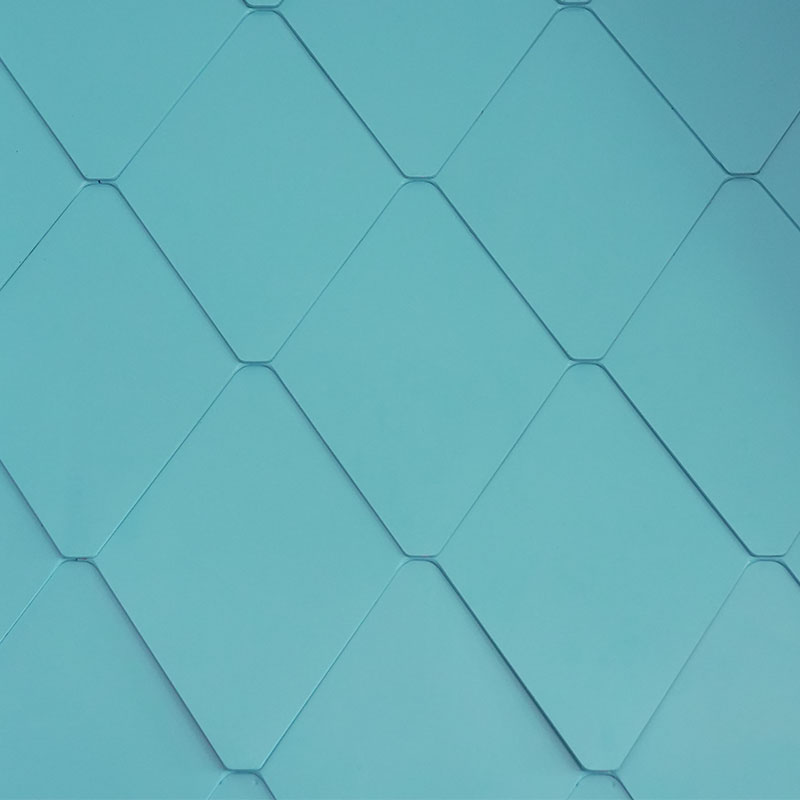
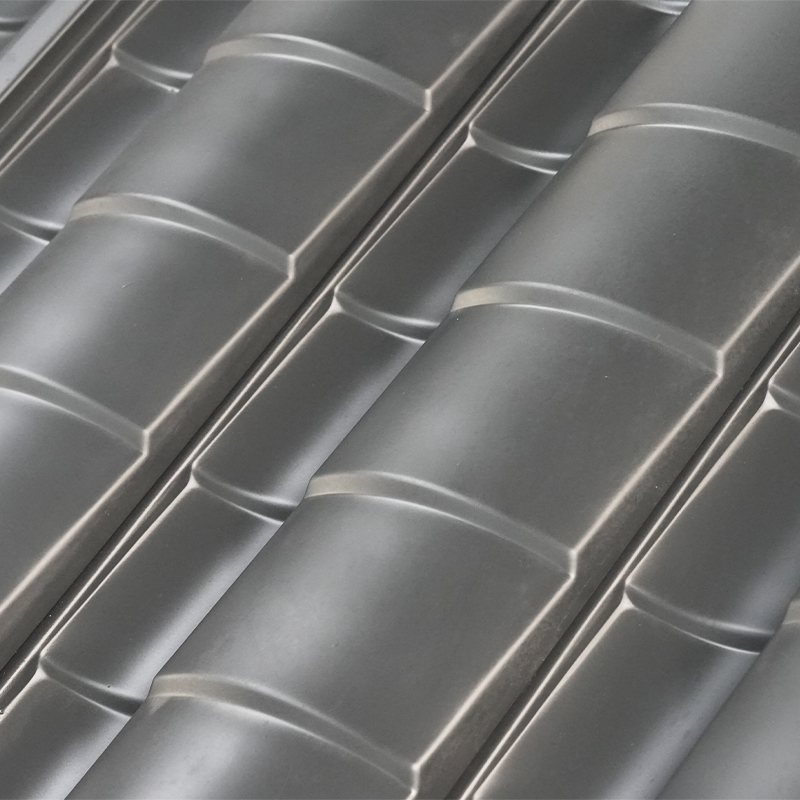
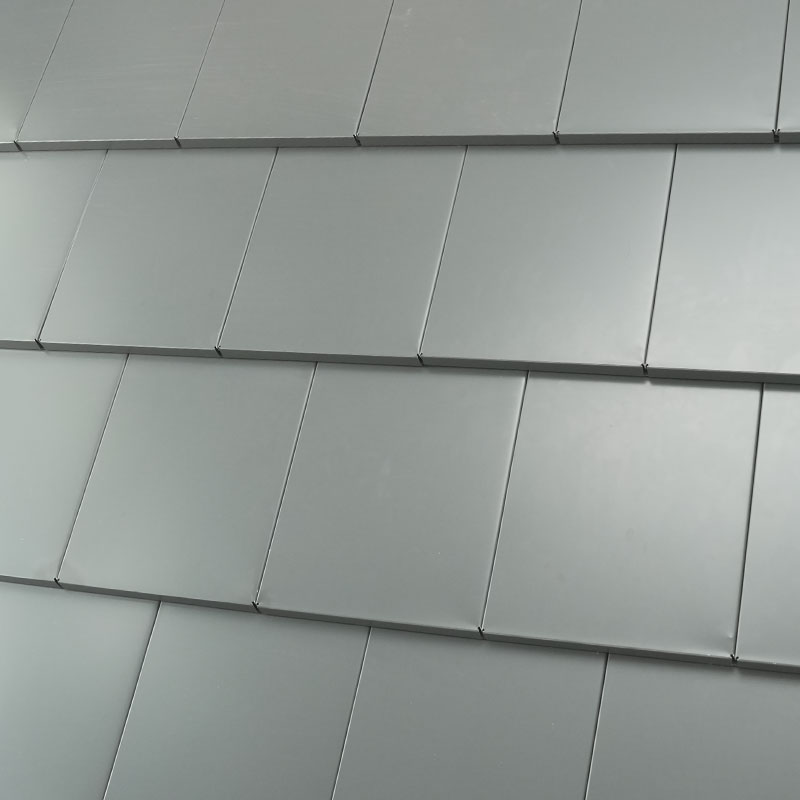
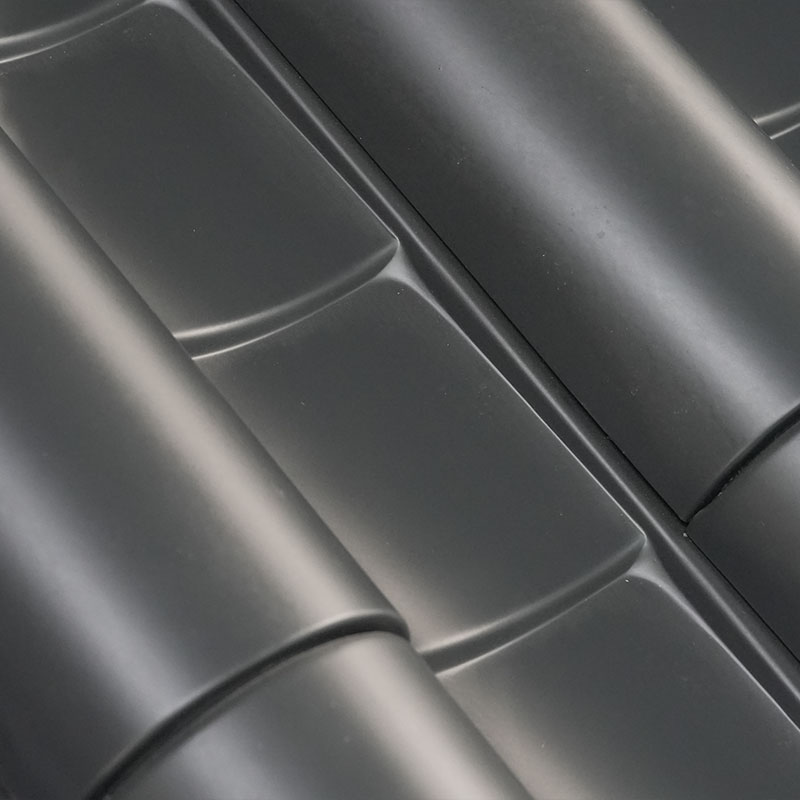
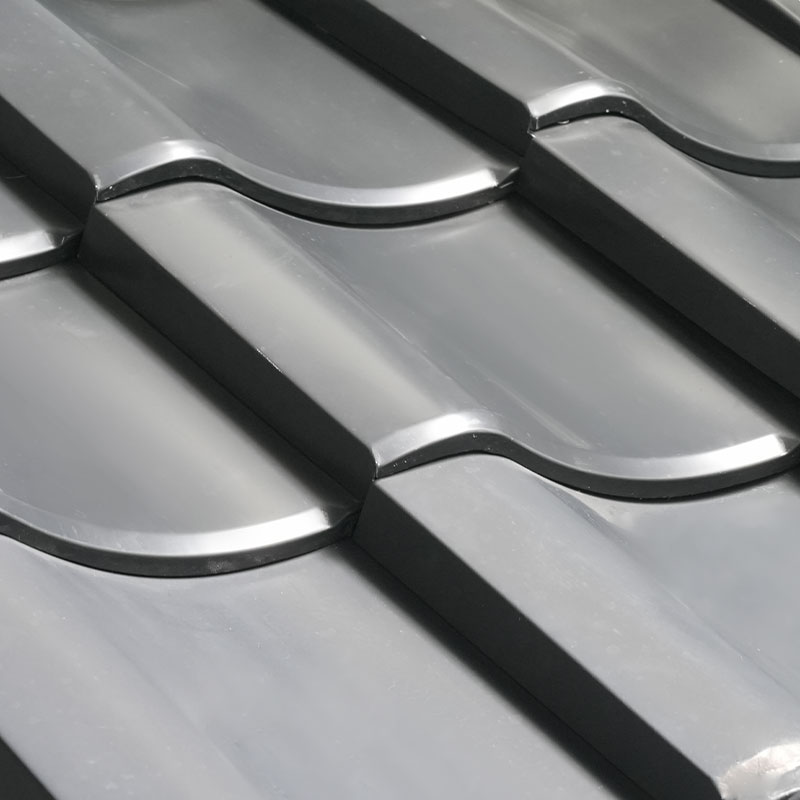
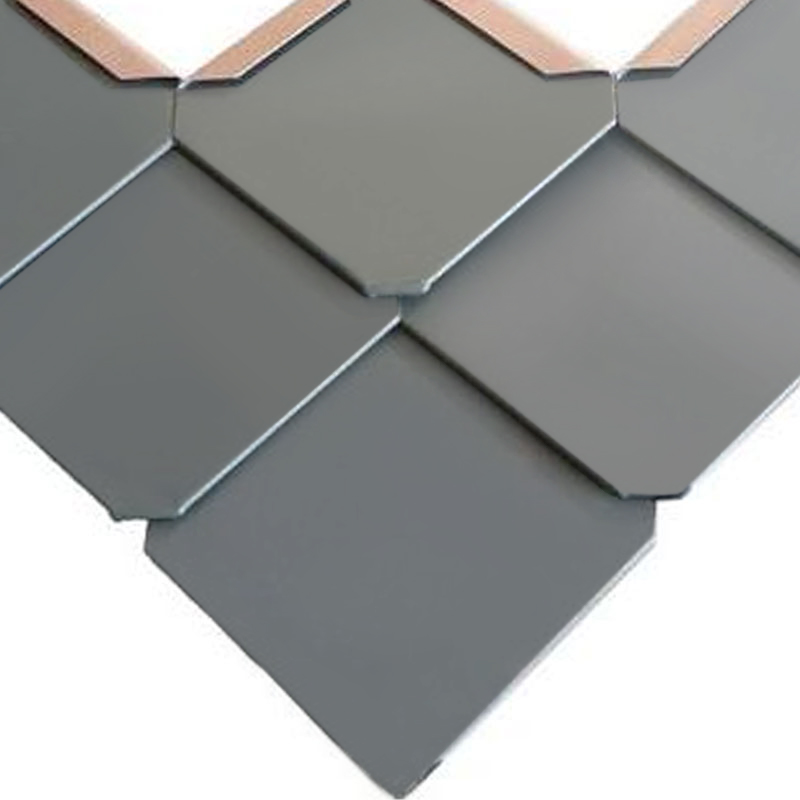
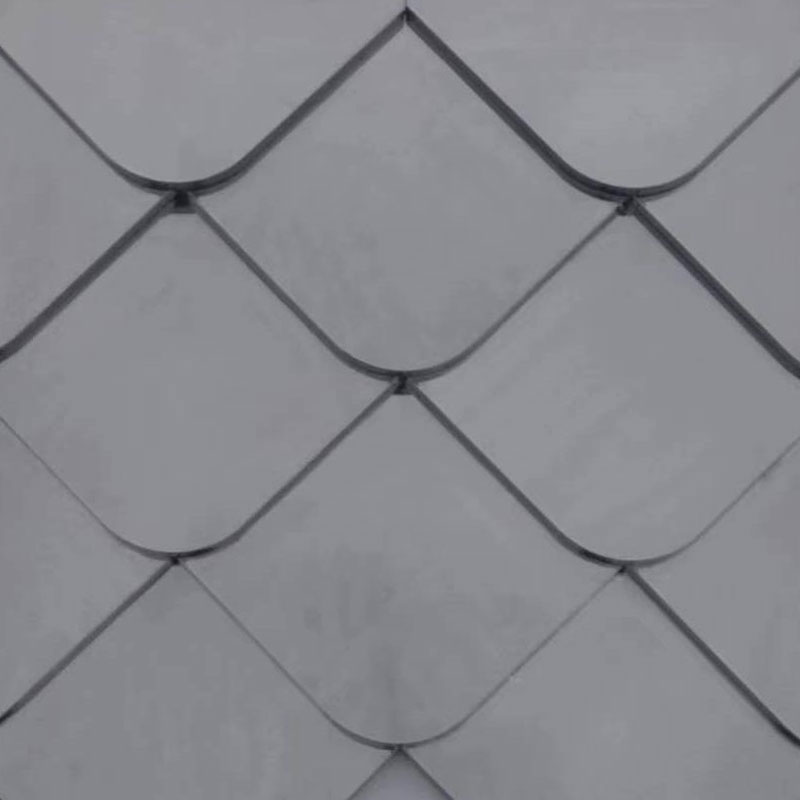
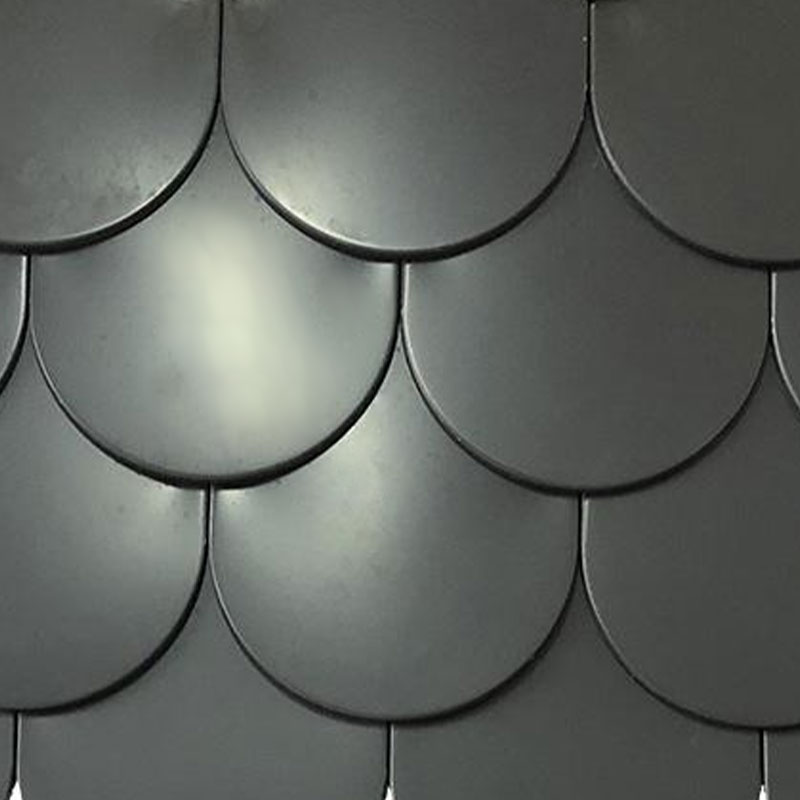
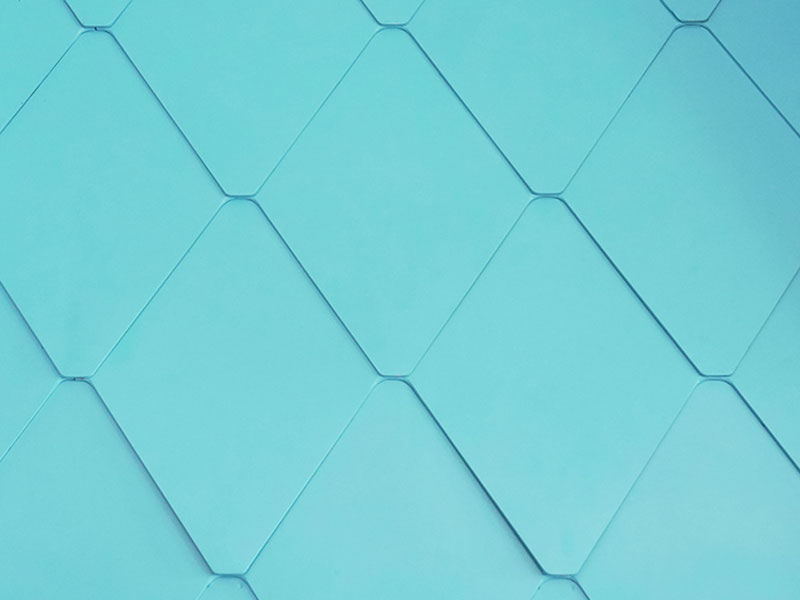
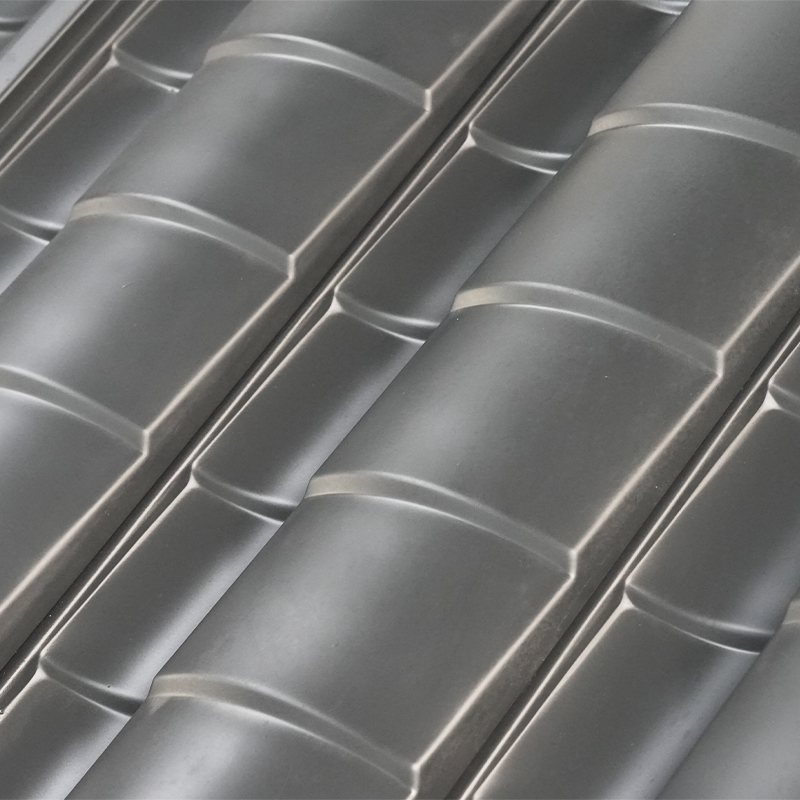
- Profile configurations mimicking traditional clay, slate, or shake aesthetics
- Curved and formed panels accommodating complex roof geometries
- Consistent color matching across large surface areas
Traditional clay tiles provide authentic material character valued in heritage restoration and traditional architectural contexts. However, the natural variation in clay composition creates color inconsistencies that may conflict with modern design requirements for uniformity and precision. Composite Insulated Aluminium Roof Tiles deliver predictable aesthetic outcomes with manufacturing tolerances that ensure consistent appearance across entire roof surfaces.
Sustainability and Environmental Impact
Environmental performance metrics increasingly influence material selection for construction projects. Composite Aluminum Panels contain recycled aluminum content and are fully recyclable at end-of-life, supporting circular economy objectives. The lightweight nature reduces transportation emissions compared to clay tiles, and the energy-efficient thermal properties contribute to reduced operational carbon footprints for buildings.
Clay tiles utilize abundant natural raw materials and offer inherent sustainability through longevity, though the high-temperature firing process consumes significant energy. Mining and transportation of heavy clay products generate substantial carbon emissions that offset some environmental benefits. The 15-year color retention guarantee for Composite Insulated Aluminium Roof Tiles ensures that replacement cycles for aesthetic reasons are minimized, reducing material consumption over building lifecycles.
Conclusion: Value Assessment for Modern Architecture
The comparison between Composite Insulated Aluminium Roof Tiles and traditional clay tiles reveals distinct advantages for contemporary construction applications. Composite Aluminum Panels deliver superior value through reduced structural requirements, accelerated aluminium composite panel installation processes, enhanced thermal performance, and lower lifecycle costs. The engineered properties of 3003 series aluminum-manganese alloy, combined with advanced fluorocarbon coating systems, provide weather resistance and durability that meet or exceed traditional materials while accommodating modern architectural innovations.
Traditional clay tiles maintain relevance for heritage projects and specific aesthetic contexts where authentic material character is paramount. However, for modern architecture prioritizing efficiency, sustainability, and design flexibility, Composite Insulated Aluminium Roof Tiles offer compelling advantages that align with contemporary construction methodologies and performance expectations. The comprehensive benefits of lightweight construction, rapid installation, and long-term durability position aluminum composite roofing as the optimal choice for value-conscious projects seeking to balance initial investment with sustained performance.