


 English
 русский
 Español
 عربى
عربى
Content
- 1 What Are Composite Aluminum Panels and Why They Matter in Modern Roofing
- 2 The Science Behind the Surface: Fluorocarbon Coating and Long-Term Weather Resistance
- 3 Copper Lamination: An Optional Upgrade for Premium Applications
- 4 APP Asphalt Base: The Hidden Waterproofing Core
- 5 Performance Comparison: Composite Aluminum Panels vs. Conventional Roofing Materials
- 6 Ideal Applications and Installation Considerations
What Are Composite Aluminum Panels and Why They Matter in Modern Roofing
Composite aluminum panels represent a significant advancement in roofing material engineering, combining the structural reliability of aluminum alloy with the waterproofing performance of modified asphalt to create a product that outperforms traditional roofing options across nearly every measurable category. At their core, these panels are manufactured by bonding a 0.45mm thick 3003 series aluminum-manganese alloy sheet to a customized APP asphalt membrane base under conditions of high temperature and high pressure. The result is a roofing tile that is simultaneously lightweight, thermally stable, weather-resistant, and visually versatile — qualities that make it increasingly popular in both residential and commercial construction projects around the world.
The 3003 series aluminum-manganese alloy used in these panels is not a generic material. It is specifically chosen for its ability to naturally generate a dense and exceptionally hard oxide film — chemically identified as γ-Al2O3 — when exposed to atmospheric conditions at room temperature. This oxide layer, measuring between 2.5 and 3.0 nanometers in thickness, acts as an invisible protective shield across the entire surface of the panel. Crucially, this film possesses a self-repair function: if the surface is scratched or abraded, the oxide layer reforms automatically when the exposed aluminum comes into contact with air, restoring the corrosion barrier without any maintenance intervention from the building owner.
The Science Behind the Surface: Fluorocarbon Coating and Long-Term Weather Resistance
While the aluminum alloy substrate handles structural integrity and natural corrosion resistance, the surface finish of composite aluminum panels is responsible for their visual performance and outdoor durability. The coating applied to the alloy surface uses a fluorocarbon roller coating process, applied to a precise thickness of 25 micrometers. Fluorocarbon coatings — based on PVDF (polyvinylidene fluoride) resin chemistry — are widely regarded as the most durable exterior architectural coatings available, offering outstanding resistance to ultraviolet radiation, acid rain, humidity, and temperature extremes.
The practical implication of this coating technology is a guaranteed outdoor lifespan of 15 years without fading or pulverizing under standard climatic conditions. Even more impressively, German long-term testing conducted over 30 continuous years recorded no fading or pulverizing of the fluorocarbon-coated surface — a result that places composite aluminum panels in a category of roofing materials genuinely built to last the life of the building. For architects and building owners who are concerned about long-term maintenance costs and aesthetic preservation, this performance data provides meaningful and verifiable assurance.
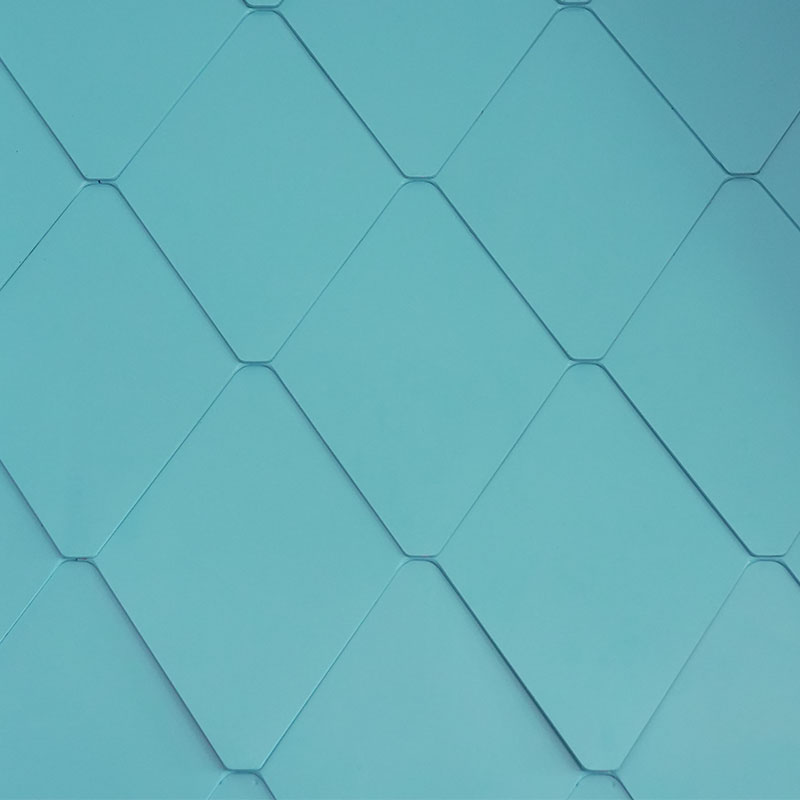
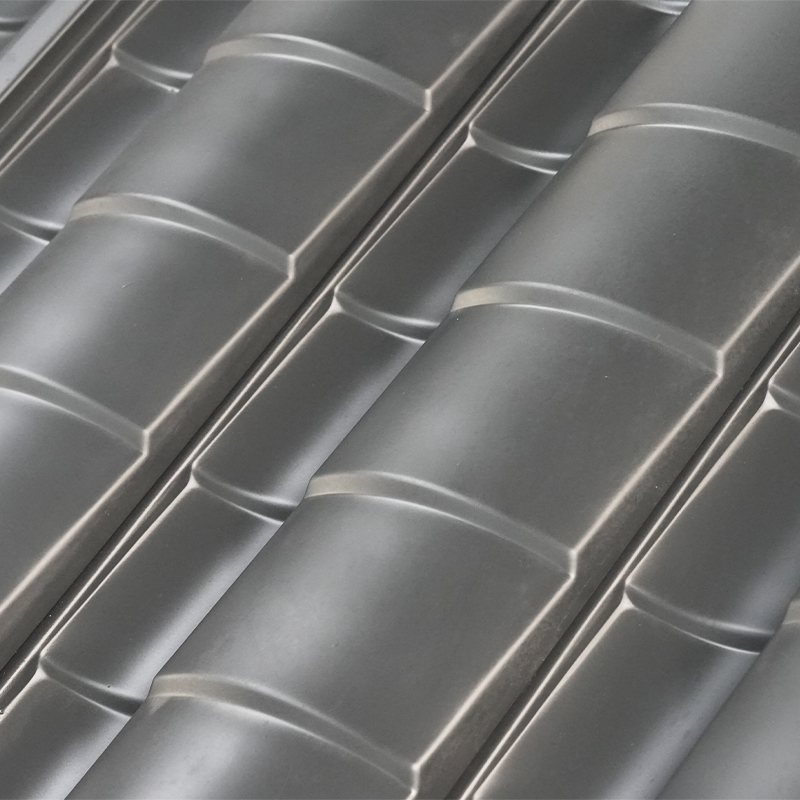
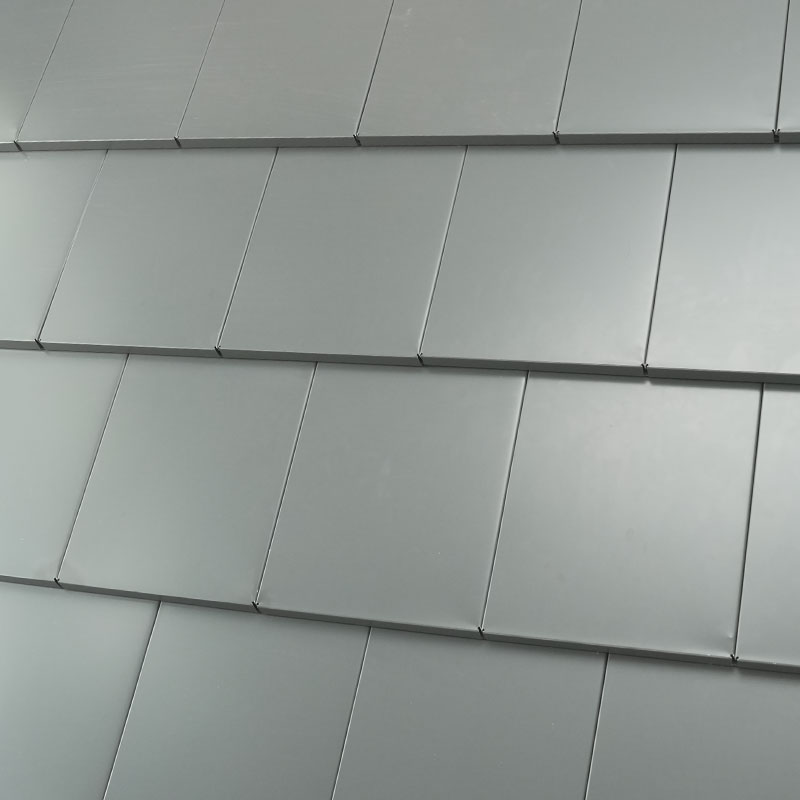
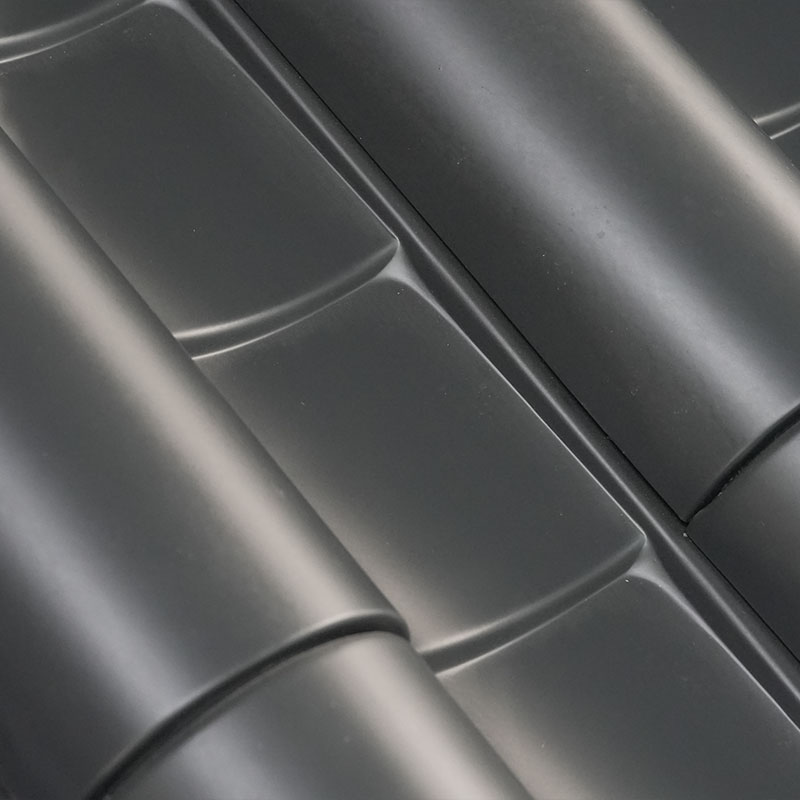
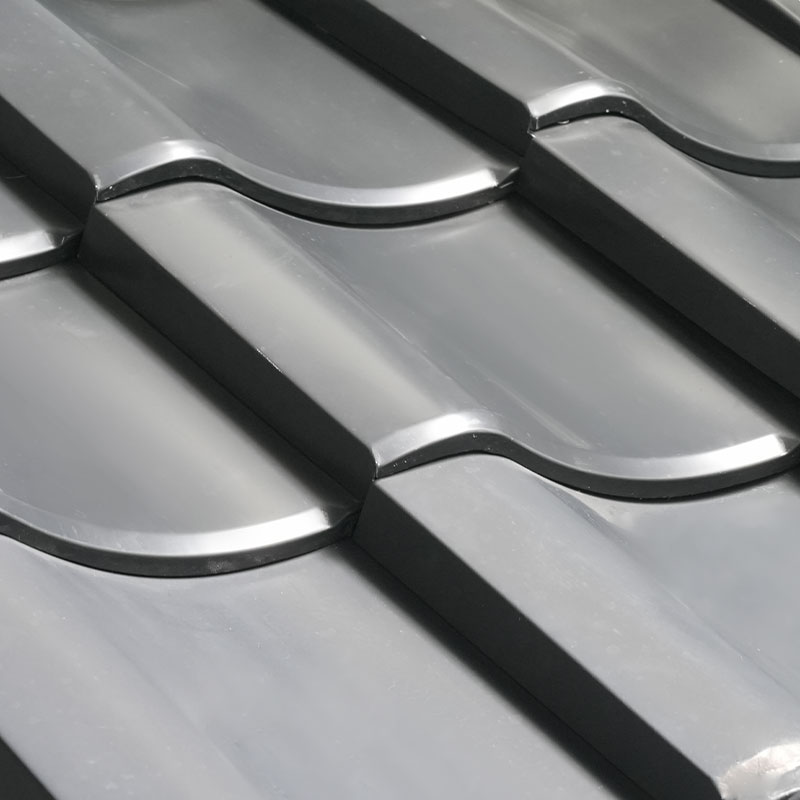
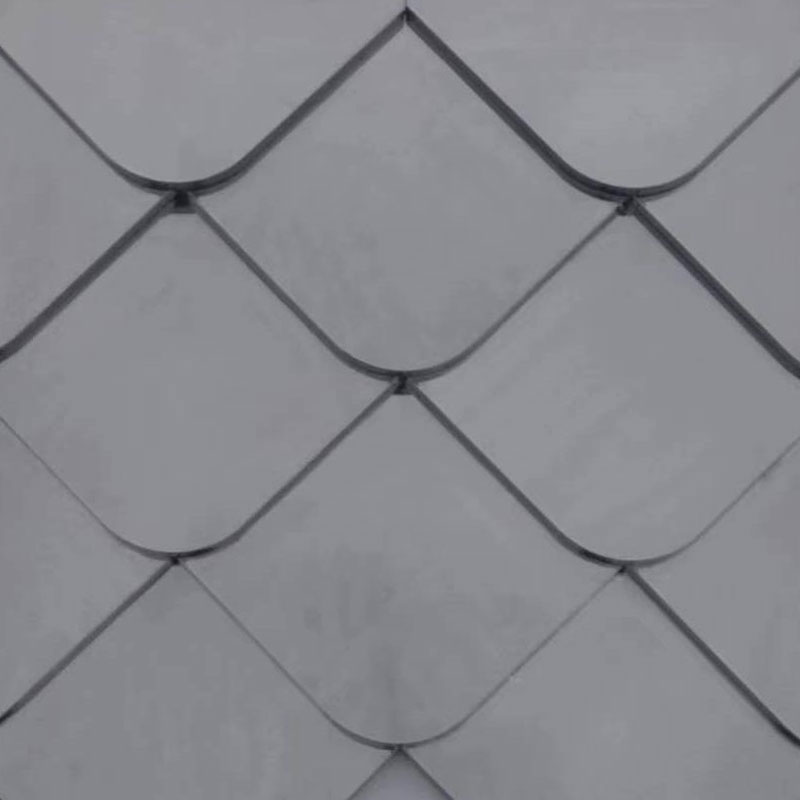
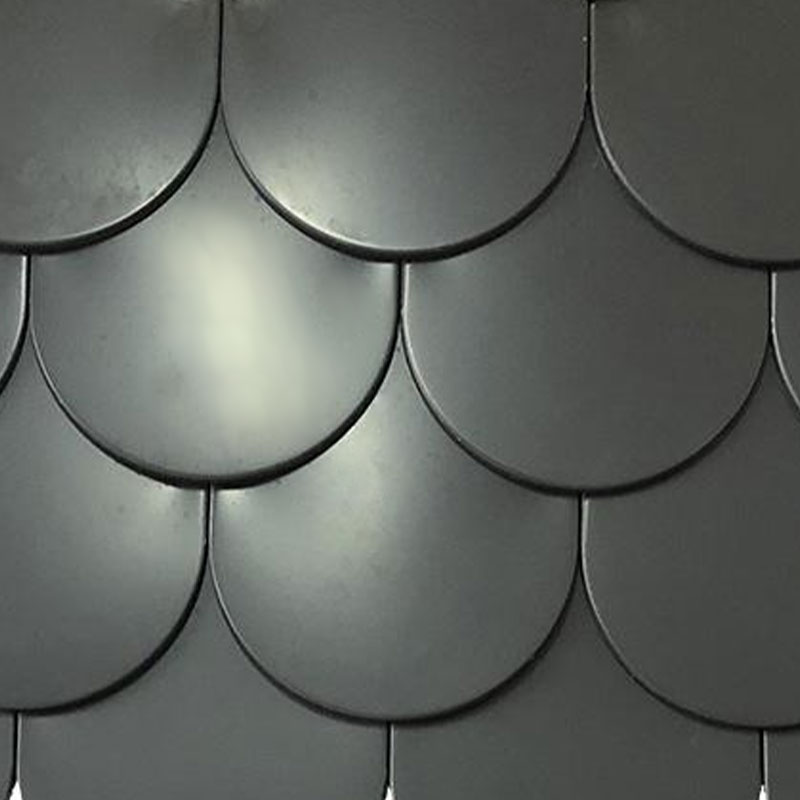
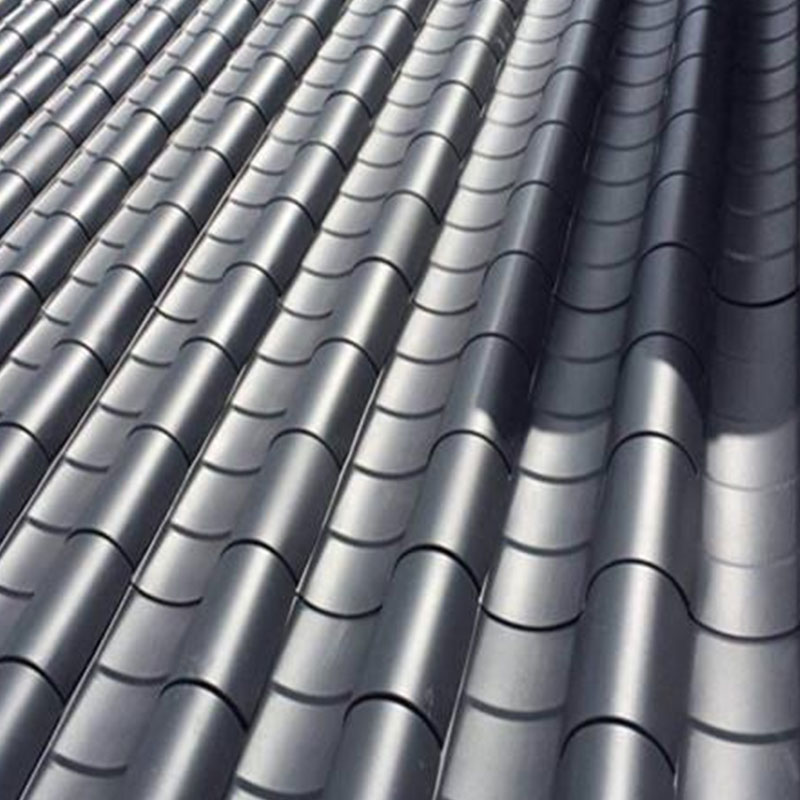
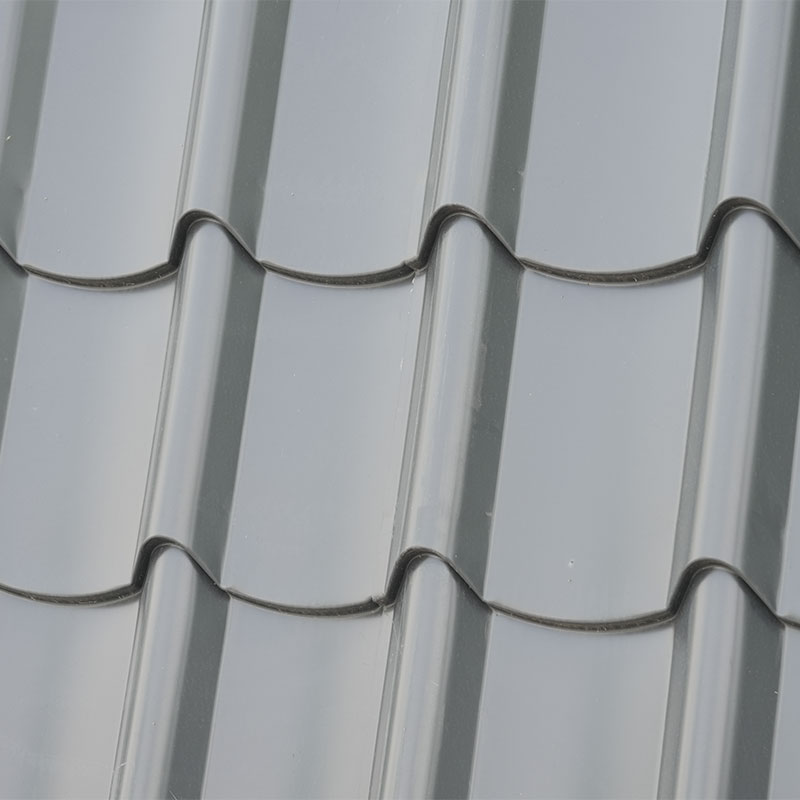
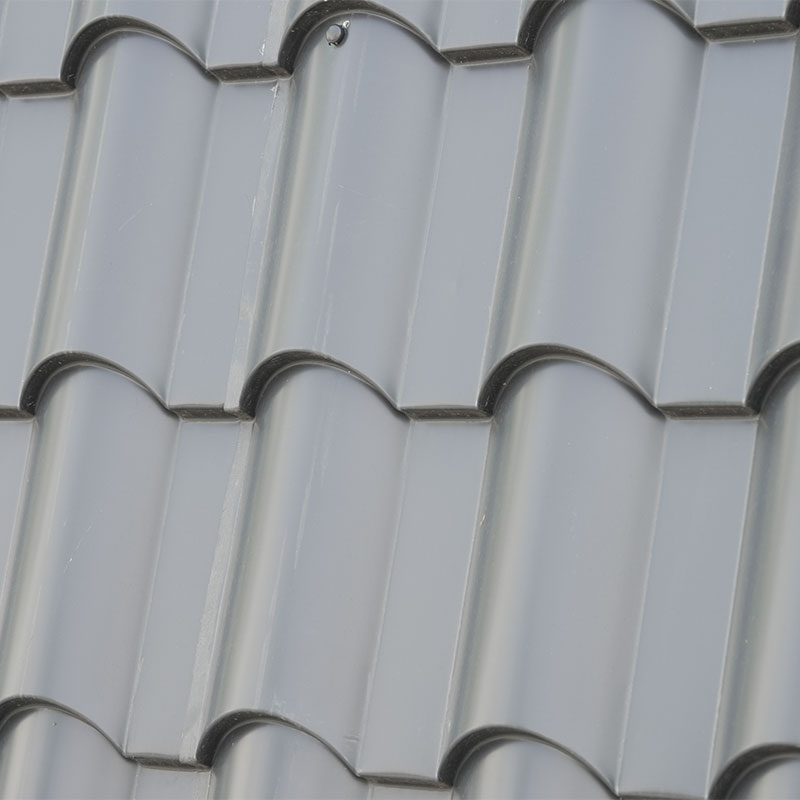
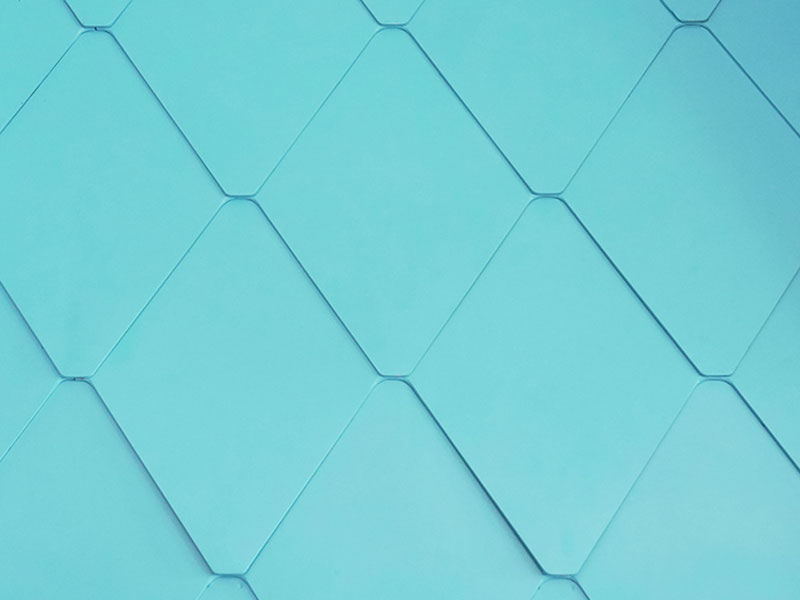
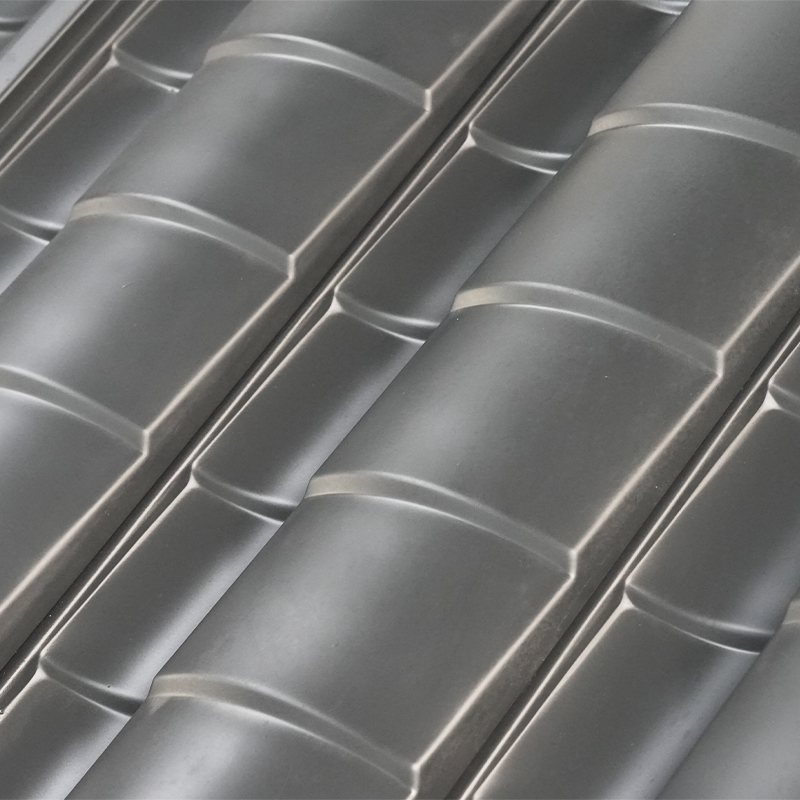
The fluorocarbon roller coating process also enables composite aluminum panels to be produced in a wide variety of colours and finishes. From matte stone textures and terracotta tones to deep charcoals and metallic sheens, the coating system can be precisely formulated to achieve virtually any colour with consistent, uniform results across large panel runs. This variety of colours and finishes is one of the defining commercial advantages of composite aluminum panels, allowing architects to match roofing materials to building facades, local planning requirements, or specific aesthetic visions without compromising on material performance.
Copper Lamination: An Optional Upgrade for Premium Applications
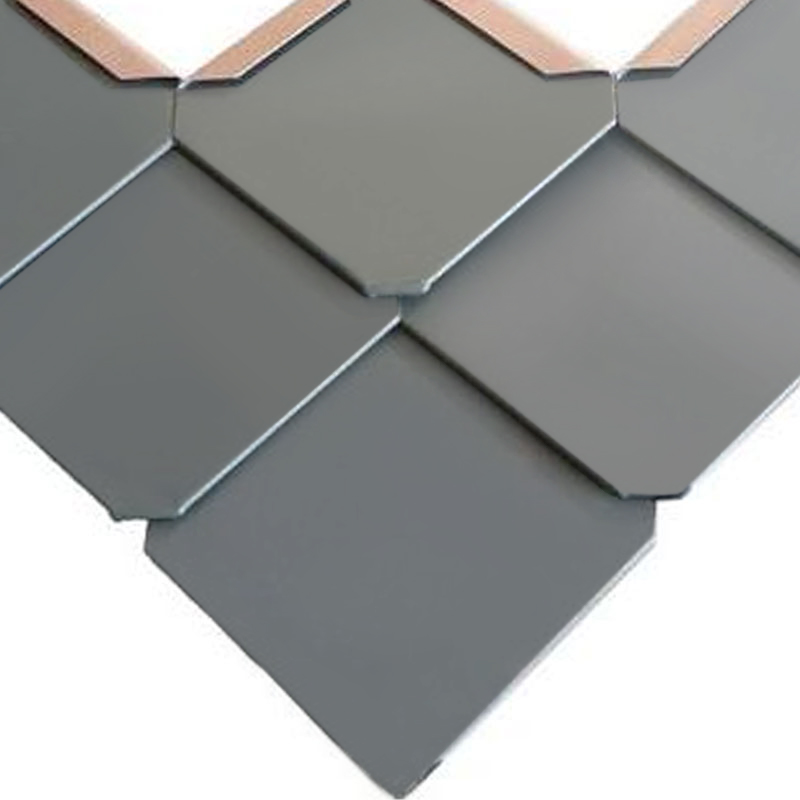
For projects where exceptional longevity and premium aesthetics are the primary objectives, composite aluminum panels can be further enhanced through lamination with a 0.2mm thick copper layer. Copper is one of the most historically proven roofing materials in architecture, valued for its stable chemical properties, excellent ductility, outstanding corrosion resistance, and the distinctive patina it develops over time as it weathers. When laminated onto the aluminum composite base, copper introduces an additional layer of protection while simultaneously giving the roof a refined, high-value appearance that improves with age rather than deteriorating.
Copper-laminated composite panels are easier to maintain than standalone copper roofing because the aluminum-asphalt composite substrate provides structural rigidity and waterproofing performance, reducing the mechanical stress placed on the copper surface layer. The ornamental quality of copper — its warm reddish tones gradually transitioning through browns to the iconic verdigris green — adds architectural character that no painted coating can fully replicate, making this option particularly well suited to heritage restoration projects, luxury residences, and landmark commercial buildings.
APP Asphalt Base: The Hidden Waterproofing Core
Beneath the aluminum alloy surface, the performance of composite aluminum panels depends on their customized APP (Atactic Polypropylene) modified asphalt membrane base. This membrane is not a standard asphalt product — it is a purpose-engineered material with specific characteristics that make it ideal for use as the structural core of a composite roofing tile.
- High-Temperature Stability: The APP membrane does not flow, drip, or slip at temperatures up to 90°C, ensuring that roofs in hot climates or those exposed to intense solar radiation do not experience panel movement or deformation during peak summer temperatures.
- Non-Exposed Configuration: The asphalt base is installed in a concealed, non-exposed form — analogous to an inverted waterproof membrane system. Because the asphalt material is never directly exposed to sunlight, rain, or snow, it cannot be degraded by UV radiation or moisture cycling, which are the primary causes of asphalt deterioration in conventional roofing systems.
- Building-Life Durability: As a direct consequence of its protected position within the panel assembly, the APP asphalt membrane has a service life that is effectively equivalent to the lifespan of the building structure itself — eliminating the periodic waterproof membrane replacement that adds significant cost to buildings using conventional exposed-asphalt roofing systems.
- Thermal Bonding Performance: The high-temperature, high-pressure manufacturing process creates a molecular-level bond between the aluminum alloy and the asphalt membrane, preventing delamination under the thermal cycling stresses that roof assemblies experience daily as temperatures rise and fall.
Performance Comparison: Composite Aluminum Panels vs. Conventional Roofing Materials
Understanding how composite aluminum panels compare to other commonly used roofing materials helps building owners and specifiers make informed decisions based on real performance data rather than price alone. The table below outlines key performance attributes across the most widely used roofing material categories:
| Attribute | Composite Aluminum Panels | Clay/Concrete Tiles | Asphalt Shingles |
| Weight | Very light | Very heavy | Moderate |
| Lifespan | Building life | 50+ years | 15–30 years |
| Colour Options | Variety of colours and finishes | Limited | Moderate range |
| Waterproofing | Integral, protected | Relies on underlayer | Surface-dependent |
| Corrosion Resistance | Excellent (self-repairing) | Good | Poor over time |
| Maintenance Required | Minimal | Moderate | Regular |
Ideal Applications and Installation Considerations
Composite aluminum panels are well suited to a broad range of building types and roof geometries, including pitched residential roofs, commercial low-slope applications, villa-style structures, and building renovation projects where weight reduction is critical. Their light weight dramatically reduces the structural load on roof frameworks compared to clay or concrete tiles, often eliminating the need for structural reinforcement when reroofing older buildings — a significant cost saving on retrofit projects.
Installation is straightforward due to the panel's consistent dimensions and the availability of purpose-designed fastening systems that accommodate thermal expansion and contraction without stressing the panel surface. The wide variety of colours and finishes available means that composite aluminum panels can be specified to complement virtually any architectural style — from traditional pitched-roof residential homes to contemporary flat-roof commercial developments — without requiring custom manufacturing or extended lead times.
For building owners and developers weighing the true total cost of a roofing system over its full service life, composite aluminum panels present a compelling case. The combination of a self-repairing aluminum surface, a 30-year proven fluorocarbon finish, a protected APP asphalt membrane, and an optional copper lamination layer creates a roofing product that requires minimal maintenance, retains its appearance for decades, and offers the design flexibility of a variety of colours and finishes — all within a single, engineered composite panel system built to last as long as the building it protects.