

 English
 русский
 Español
 عربى
عربى
Content
What Is a Composite Metal Roofing Tile?
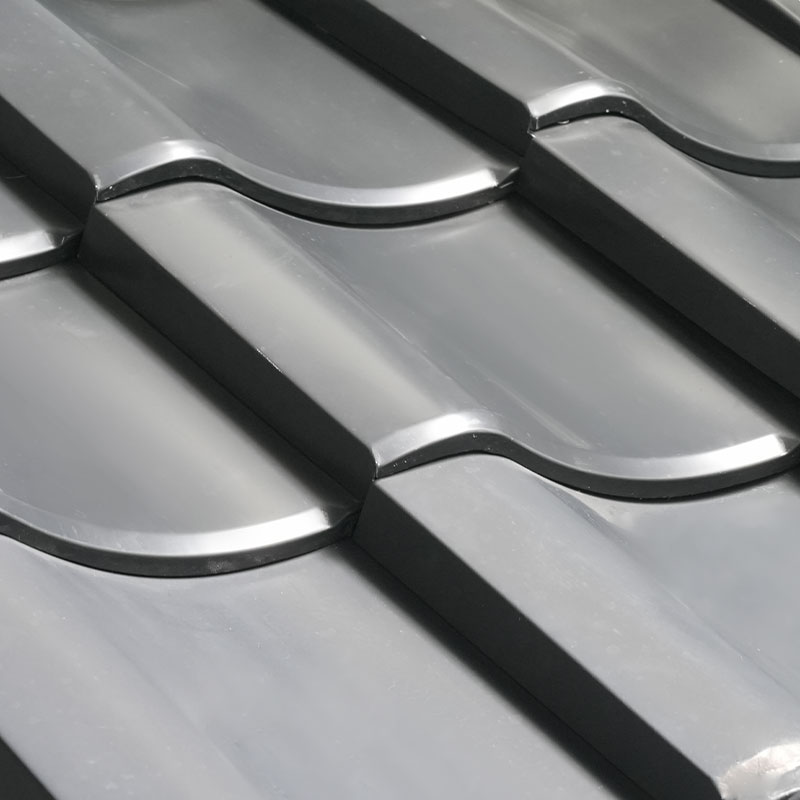
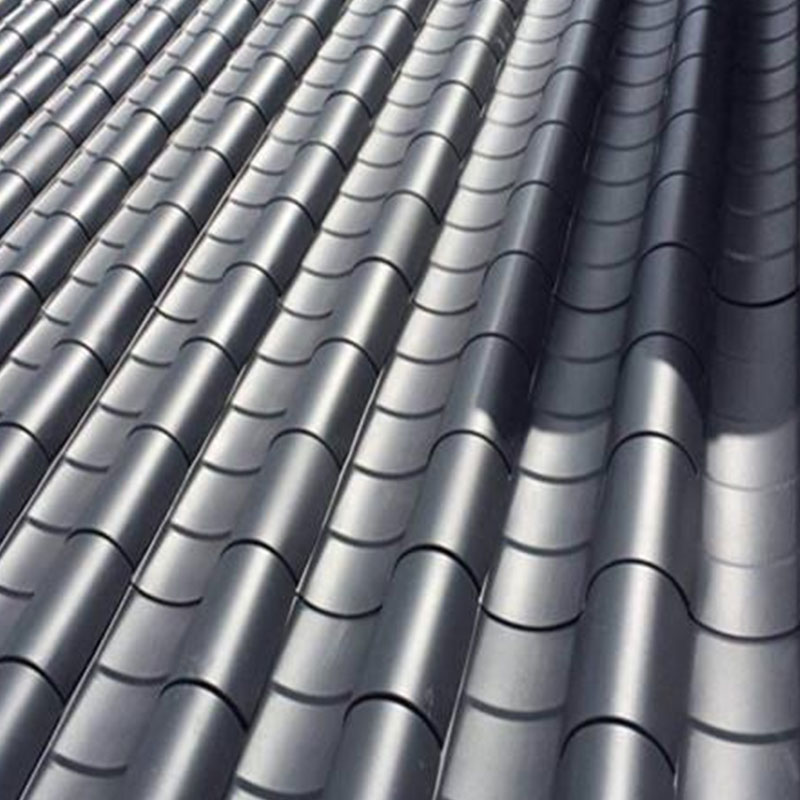
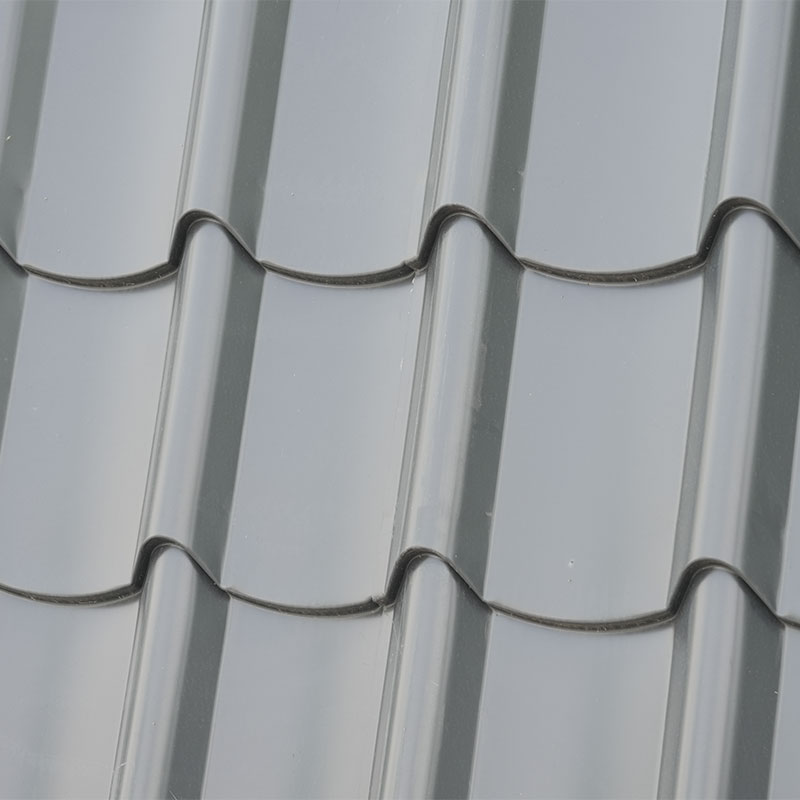
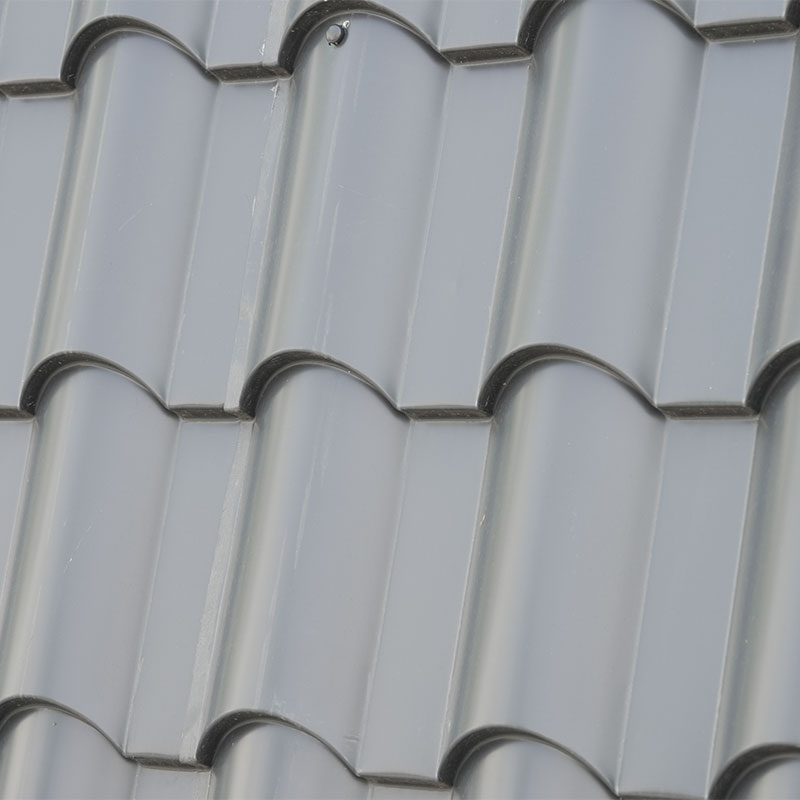
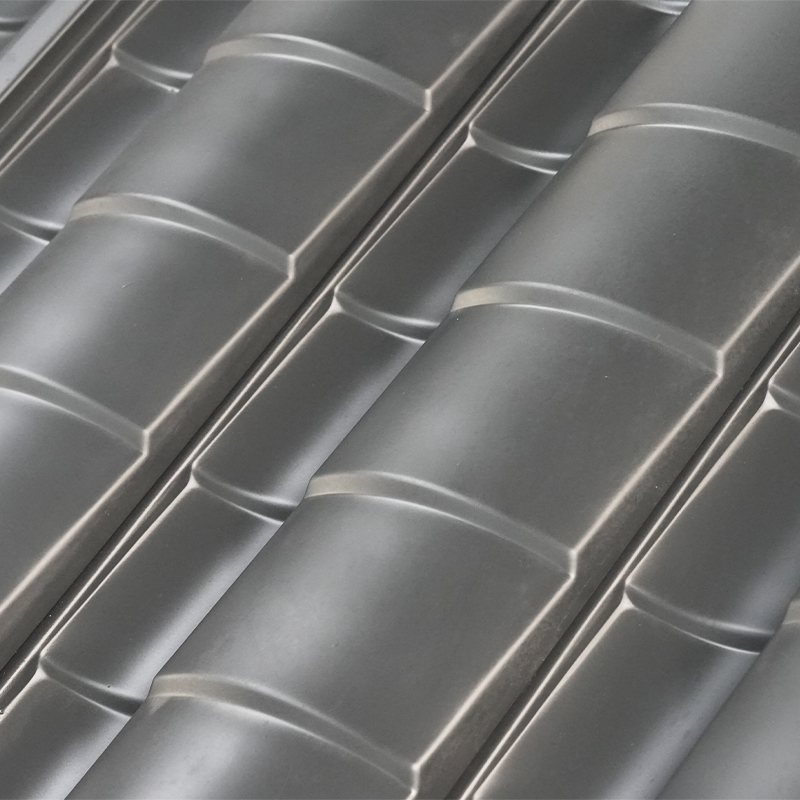
A Composite Metal Roofing Tile is an advanced roofing material engineered by bonding a 3003 series aluminum-manganese alloy sheet with a customized APP (Atactic Polypropylene) modified asphalt membrane under high temperature and high pressure. The result is a hybrid product that combines the structural strength and weather resistance of metal with the waterproofing reliability of modified asphalt — delivering performance that neither material could achieve alone. Unlike traditional single-layer metal panels or standard asphalt shingles, composite metal roofing tiles are purpose-built for decades of service without requiring frequent maintenance or replacement.
This construction method gives the tile a layered integrity that addresses the most common failures seen in conventional roofing: delamination, corrosion, UV degradation, and water infiltration. Each layer has a clearly defined function, and the combination produces a roofing system that performs across a wide range of climates — from desert heat to heavy snowfall regions.
The Aluminum-Manganese Alloy Core
The structural foundation of every Composite Metal Roofing Tile is a 0.45mm thick sheet of 3003 series aluminum-manganese alloy. This specific alloy grade is selected for its superior balance of formability, strength, and natural corrosion resistance. At only 0.45mm, the panel remains lightweight without sacrificing rigidity — a critical factor for reducing load on roof structures and simplifying installation on both new builds and retrofits.
One of the most notable properties of this aluminum alloy is its ability to form a protective oxide film (γ-Al₂O₃) naturally when exposed to the atmosphere at room temperature. This film measures between 2.5 and 3.0 nanometers in thickness and is exceptionally hard and dense. Crucially, this oxide layer possesses a self-repairing function: if the surface is scratched or abraded, the film regenerates spontaneously on exposure to air, continuously protecting the metal beneath without any intervention required.
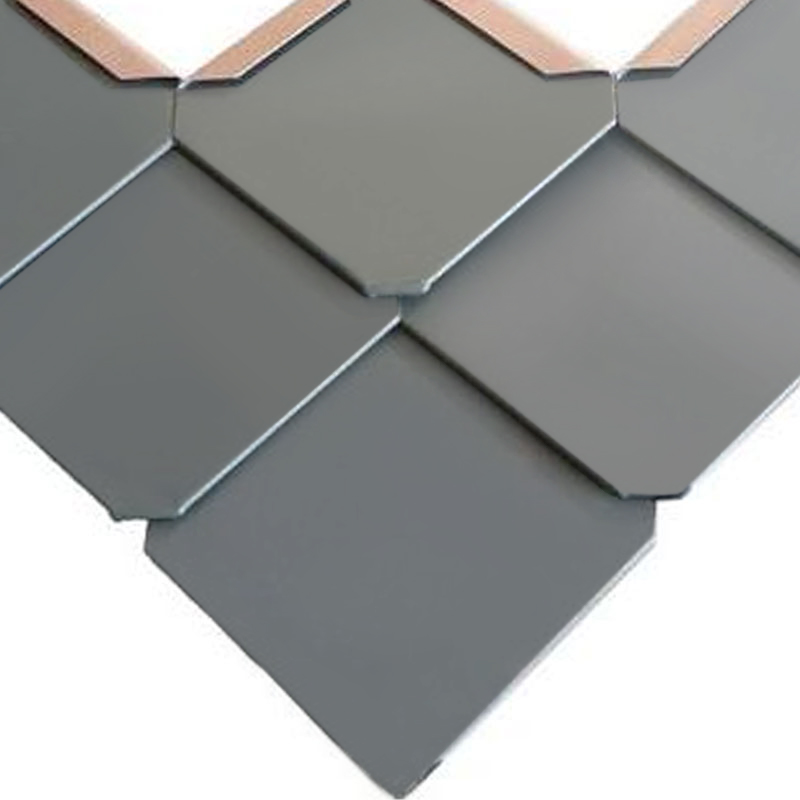
For projects requiring a premium aesthetic or enhanced corrosion resistance in aggressive environments, the aluminum sheet can be laminated with a 0.2mm layer of copper. Copper brings its own set of advantages — excellent ductility, long-term corrosion resistance, minimal maintenance requirements, and an attractive patina that develops over time. The copper lamination option makes composite metal roofing tiles suitable for high-end residential and heritage building applications where both performance and visual distinction matter.
PVDF Coated Metal Roofing: Surface Protection That Lasts
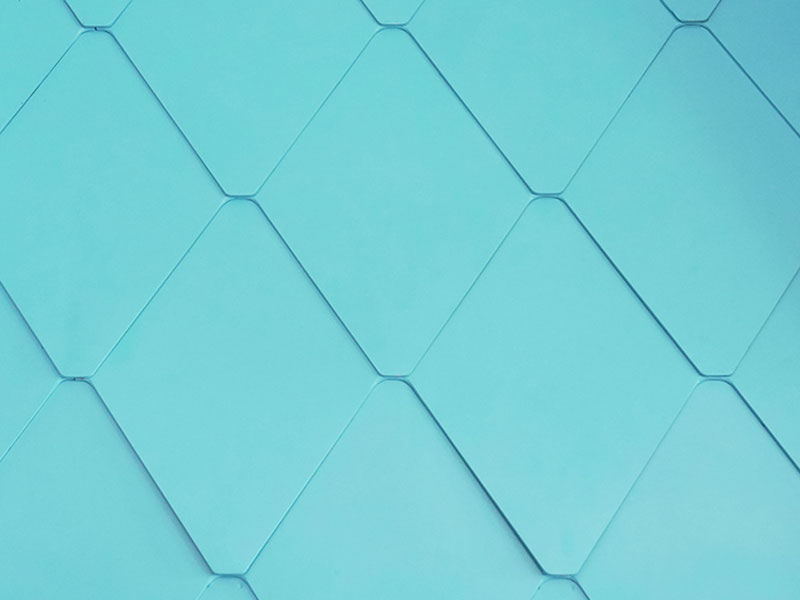
The exposed surface of the aluminum alloy receives a fluorocarbon (PVDF) coating applied via a roller coating process at a precisely controlled thickness of 25 micrometers. PVDF coated metal roofing is widely recognized as the industry benchmark for exterior color retention and resistance to environmental degradation, and this application is no exception.
The fluorocarbon coating delivers outstanding resistance to ultraviolet radiation, acid rain, industrial pollutants, and extreme temperature fluctuations. Under standard outdoor weather conditions, the coating maintains its color and surface integrity for a guaranteed minimum of 15 years without fading or chalking (pulverizing). More significantly, independent testing conducted in Germany over a 30-year period confirmed zero fading and zero pulverization — a result that demonstrates the real-world durability of this coating system far exceeds its formal warranty period.
PVDF vs. Standard Polyester Coating: Key Differences
| Feature | PVDF (Fluorocarbon) | Standard Polyester |
| UV Resistance | Excellent | Moderate |
| Color Retention | 30+ years (tested) | 10–15 years |
| Chalking Resistance | No chalking observed | Chalking after 10–12 years |
| Chemical Resistance | High | Low to moderate |
| Coating Thickness | 25 μm | 15–20 μm typical |
This comparison highlights why PVDF coated metal roofing is the preferred specification for commercial projects, coastal environments, and any application where long-term aesthetics and minimal repainting cycles are priorities.
The APP Asphalt Base: Waterproofing Built Into the Tile
The base layer of the Composite Metal Roofing Tile is a customized APP (Atactic Polypropylene) modified asphalt membrane — not a standard off-the-shelf product, but a membrane formulated specifically for this composite application. Its performance characteristics solve two of the most persistent problems in traditional asphalt roofing: heat deformation and UV degradation.
Critical Thermal and Weathering Properties
- No flowing or dripping at temperatures up to 90°C — preventing adhesive failure in hot climates or during summer heat build-up under the roof surface
- No slipping under thermal stress — the bond between the asphalt base and the aluminum alloy sheet remains stable across seasonal temperature cycles
- Non-exposed installation — the asphalt membrane is sandwiched between the metal tile above and the roof deck below, shielding it entirely from sunlight, rain, and snow
This non-exposed configuration is a fundamental design distinction. In conventional exposed APP membrane systems, the asphalt surface is subject to continuous UV bombardment, freeze-thaw cycling, and mechanical weathering that gradually degrades the material over 15–25 years. By positioning the asphalt base in a protected, inverted waterproof-type arrangement, the membrane is effectively isolated from all external environmental stressors. The practical outcome is a waterproofing layer whose service life is tied not to weathering cycles but to the structural lifespan of the building itself.
Why Composite Metal Roofing Tiles Deliver a Long-Lasting Metal Roof
The case for composite metal roofing tiles as a long-lasting metal roof solution rests on the interaction between all three layers working as a unified system rather than as separate components that merely coexist. Each layer reinforces the others:
- The PVDF coating blocks UV, chemical, and moisture attack at the outermost surface, protecting the aluminum alloy beneath
- The aluminum-manganese alloy provides structural rigidity, self-repairing corrosion resistance via the oxide film, and serves as a stable bonding substrate for both the coating above and the asphalt membrane below
- The APP asphalt membrane creates a continuous waterproof barrier and, because it is fully protected from exposure, retains its elasticity and adhesive properties indefinitely
No single failure mode — UV damage, corrosion, thermal expansion, or water infiltration — can compromise the overall system because each potential failure pathway is addressed by a different layer. This redundancy is what separates composite metal roofing from single-layer alternatives and explains why its expected service life aligns with the structural life of the building rather than with a fixed warranty term.
For building owners and developers evaluating total cost of ownership, this durability profile translates directly into reduced lifecycle costs: fewer replacement cycles, lower maintenance labor, no repainting expenditure for decades, and avoided disruption to building occupants. A roof that performs reliably for 50 or more years without significant intervention is not a premium product in terms of cost per year of service — it is often the most economical choice when the full building lifecycle is considered.
Applications and Ideal Use Cases
Composite Metal Roofing Tiles are well-suited to a broad range of construction types where durability, low maintenance, and weather resistance are priorities. Their lightweight nature — enabled by the 0.45mm aluminum alloy sheet — means they impose minimal additional load on existing roof structures, making them a practical option for renovation projects where heavier tile systems would require structural reinforcement.
- High-end residential roofing — particularly where PVDF color retention and the copper lamination option provide lasting curb appeal
- Commercial and mixed-use buildings — where long service cycles reduce ownership costs and minimize operational disruption
- Coastal and humid climates — the aluminum alloy's natural corrosion resistance and the sealed asphalt base together resist salt air and persistent moisture
- Hot climates and high-UV environments — the 90°C thermal stability of the asphalt base and the PVDF coating's UV resistance make these tiles reliable in regions where conventional materials degrade rapidly
- Heritage and architectural projects — the copper-laminated variant offers the aesthetic character of traditional copper roofing at a more manageable installation weight
Across all of these applications, the defining advantage remains consistent: a roofing system engineered so that its weakest component still outlasts the expectations of conventional alternatives, producing a genuinely long-lasting metal roof that delivers on its performance promises over the full life of the structure.