

 English
 русский
 Español
 عربى
عربى
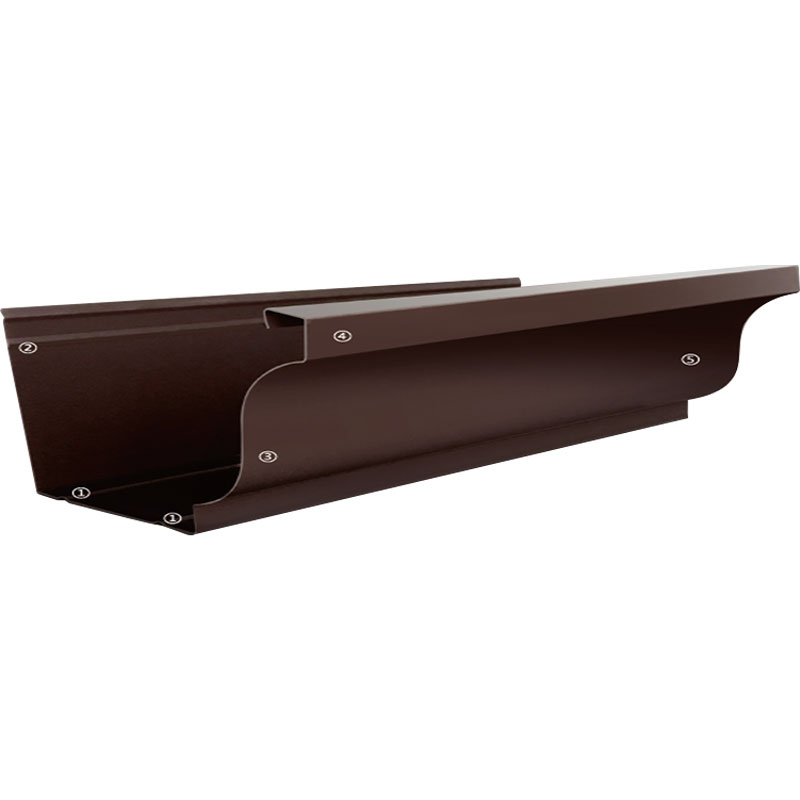
Most homeowners replacing a roof start in the same place: asphalt shingles. They are familiar, widely available, and cheaper to install upfront. But a roof is not a purchase most people make twice in a decade — and the material decision made today determines maintenance costs, replacement frequency, and structural protection for the next 20 to 50 years. That long timeline is exactly where the comparison between composite metal roofing tile and conventional asphalt shingles becomes interesting.
This guide explains what composite metal roofing tile actually is, how aluminum roofing tile differs from other metal options, and where each material wins and loses in a direct comparison with asphalt shingles — across cost, lifespan, performance, and aesthetics.
Content
What Is Composite Metal Roofing Tile?
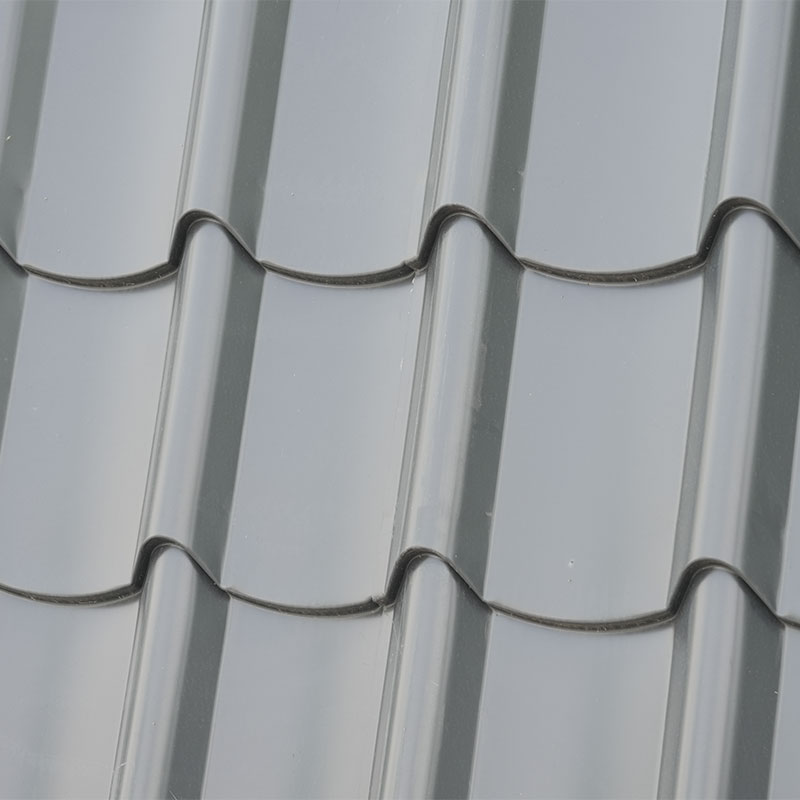
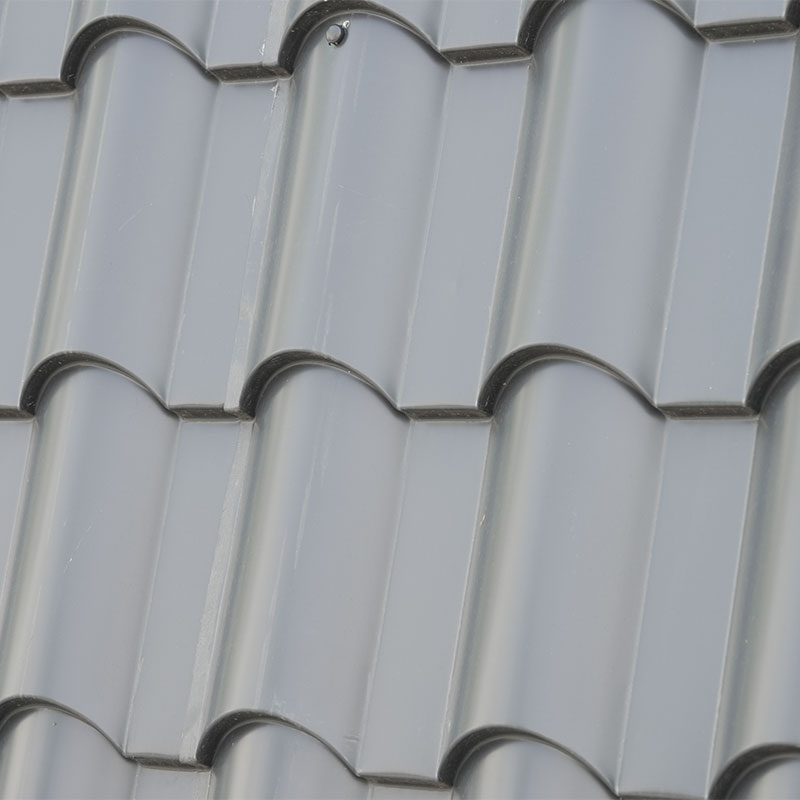
Composite metal roofing tile is a layered roofing product that bonds a structural metal face — typically an aluminum alloy sheet — to a modified asphalt membrane base under high temperature and high pressure. The result is a single tile that combines the weather resistance and structural rigidity of metal with the waterproofing and adhesion properties of a polymer-modified asphalt layer.
Meiningjia's composite metal roofing tile uses a 0.45 mm thick 3003 series aluminum-manganese alloy as the surface layer. This specific alloy grade is chosen for its natural oxide film formation: when exposed to air at room temperature, the aluminum surface generates a dense γ-Al₂O₃ layer 2.5–3.0 nm thick that acts as a self-repairing barrier against corrosion. Scratches and minor surface damage heal themselves as the oxide layer reforms — a behavior that bare steel or standard painted aluminum cannot replicate.
On top of the alloy, a 25 μm fluorocarbon (PVDF) coating is applied using a roller coating process. This coating is the same technology used on architectural curtain wall systems and has been tested to remain color-stable and non-powdering for 15 years under standard outdoor conditions — and for 30 years in German climate testing without fading or chalking.
The base of each tile is a customized APP (Atactic Polypropylene) modified asphalt membrane. Unlike standard asphalt shingles where the asphalt is the outermost weather-exposed layer, this membrane is entirely enclosed within the tile structure — an inverted waterproof configuration. Because the asphalt never contacts UV radiation, rain, snow, or thermal cycling, it does not degrade through the mechanisms that limit conventional shingle lifespan. Its functional life is effectively as long as the building it covers.
Aluminum Roofing Tile: Why Alloy Selection Matters
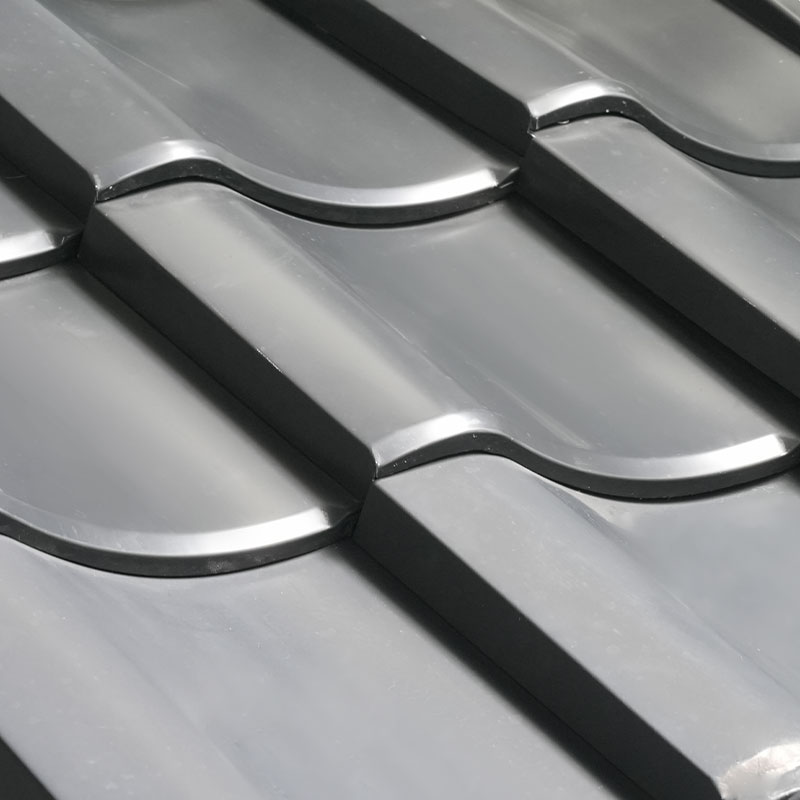
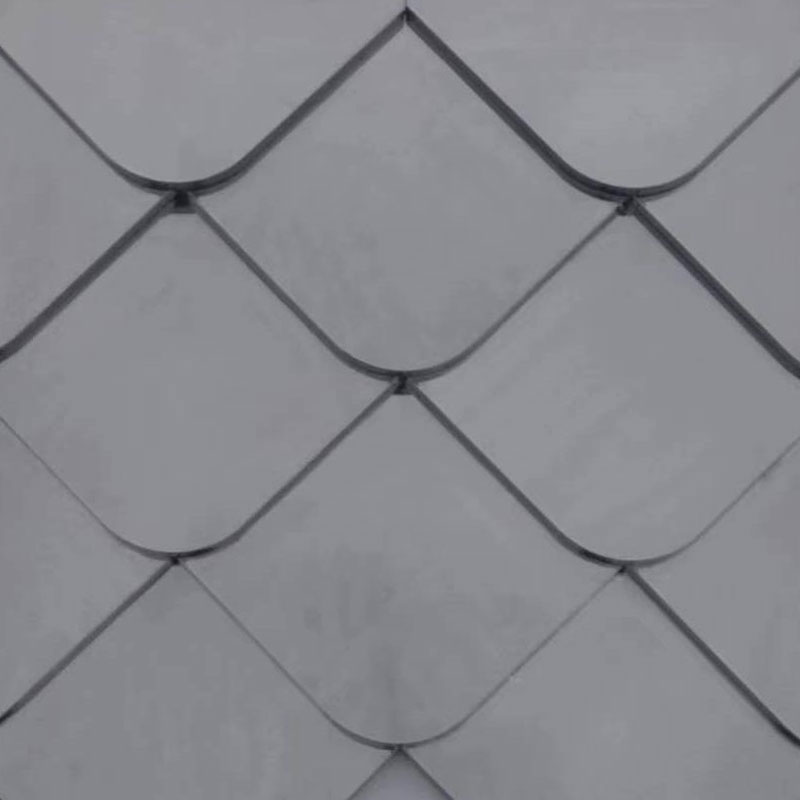
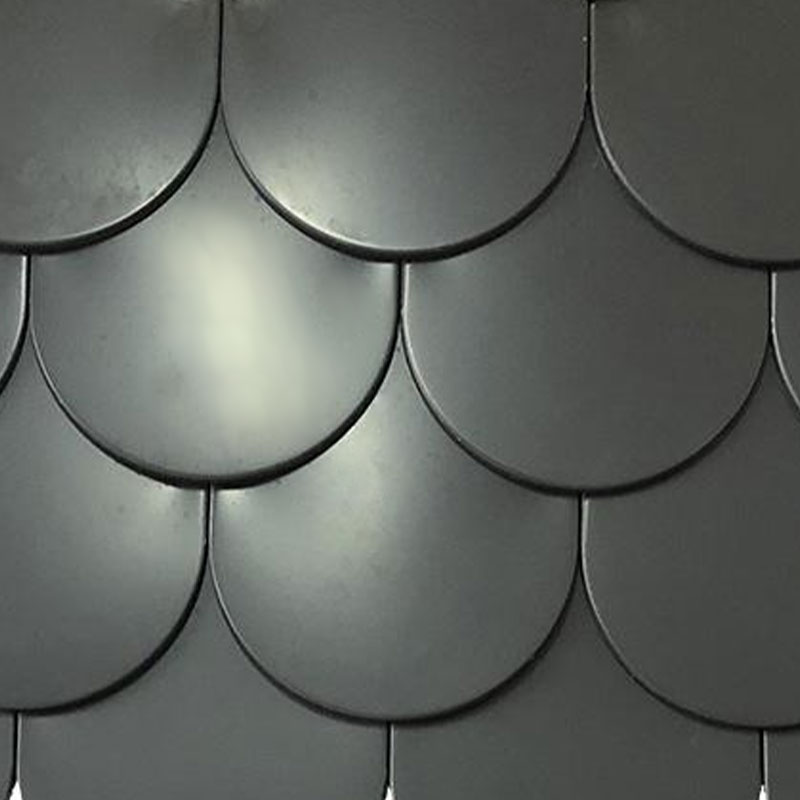
Not all metal roofing is the same, and not all aluminum roofing tile performs equally. The 3003 series aluminum-manganese alloy used in Meiningjia's tiles is specifically formulated for structural applications requiring corrosion resistance and formability. The manganese content — approximately 1.0–1.5% — increases tensile strength compared to pure aluminum while maintaining the ductility needed for precise stamping into fish scale, diamond, and rectangular tile profiles without cracking at the edges.
The self-repairing oxide film of this alloy grade is what separates it from painted steel panels, which depend entirely on their coating integrity. If a steel panel's paint layer is breached — by hail impact, installation fastener movement, or coastal salt air — rusting begins at the breach point and spreads laterally under the coating. The aluminum-manganese alloy surface does not rust; its oxide film reforms across any exposed area.
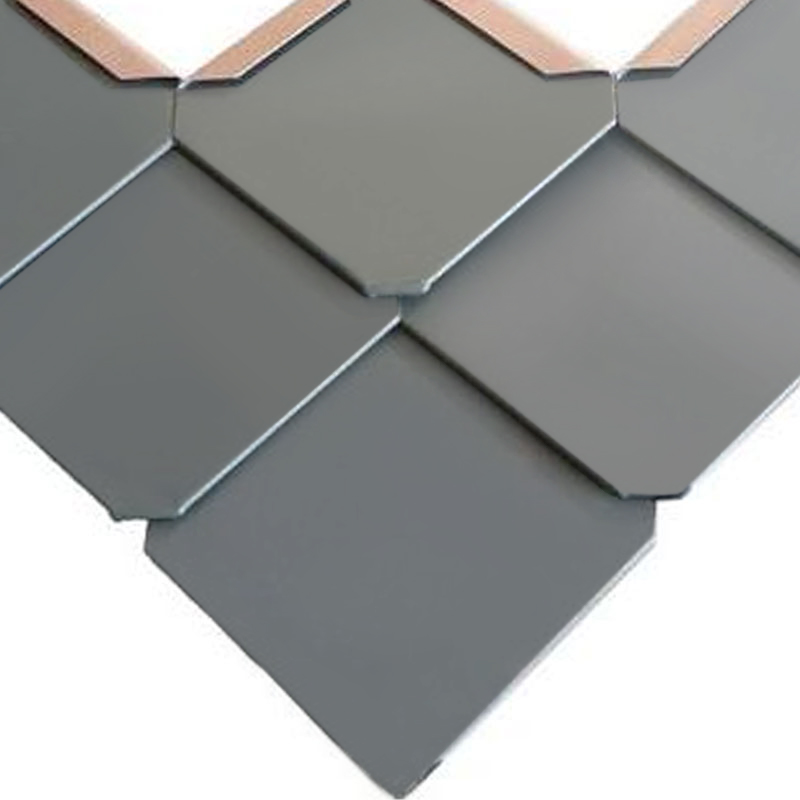
For buyers evaluating aluminum magnesium manganese metal roofing tile options, the key specification to confirm is alloy grade (3003 series), sheet thickness (0.45 mm minimum for tile applications), and coating type (PVDF fluorocarbon rather than polyester, which has significantly shorter outdoor durability). An optional copper lamination — 0.2 mm thick copper bonded to the aluminum face — is also available for projects where ornamental character, architectural patina development, or maximum corrosion resistance in aggressive environments is a priority.
Metal Composite Roofing vs Asphalt Shingles: A Direct Comparison
The decision between composite metal roofing tile and asphalt shingles comes down to how you weight upfront cost against total ownership cost over the life of the building. Here is how the two materials compare across the factors that matter most to buyers.
Lifespan
Standard asphalt shingles last 20–30 years under normal conditions, with accelerated degradation in hot, humid, or high-UV climates. Premium architectural shingles can extend this range somewhat, but UV exposure causes granule loss, the asphalt layer oxidizes and cracks, and the fiberglass mat weakens over time. Most roofing professionals plan for one to two full replacements over a 50-year building life when using asphalt.
Composite metal roofing tile with a fluorocarbon-coated aluminum face and enclosed APP base has a surface coating lifespan of 15–30 years without color degradation, and a structural lifespan that matches the building. A single installation is typically the final roofing decision for the structure.
Upfront Cost
Asphalt shingles are the lower-cost option at installation: installed costs typically run $3.50–$7.00 per square foot for standard and architectural grades. Metal roofing — including composite metal tile — costs more to produce and install, with premium aluminum tile systems typically running $10–$16+ per square foot installed depending on profile complexity and project scale.
However, factoring in the cost of one or two asphalt replacements over a 50-year period — each requiring tear-off, disposal, and reinstallation — the lifetime cost of asphalt often exceeds the single-installation cost of a quality metal tile system. Industry analysis consistently finds that metal roofing delivers better total cost of ownership for homeowners planning to remain in a property long-term.
Weather and Impact Resistance
Asphalt shingles are vulnerable to UV degradation, thermal cracking in temperature-extreme climates, wind uplift above 60–110 mph depending on product grade, and granule loss from hail. They are also susceptible to algae and moss growth in humid regions, requiring periodic cleaning or algae-resistant treatment.
The aluminum-manganese alloy face of a composite metal roofing tile does not absorb UV radiation, does not crack from thermal cycling, does not support biological growth, and offers substantially higher wind and impact resistance. The enclosed APP membrane cannot be reached by UV light, rain, or freeze-thaw cycles — the primary failure mechanisms for exposed asphalt.
Maintenance
Asphalt shingles require periodic inspection for lifted, cracked, or missing shingles, cleaning to prevent algae streaking, and spot repairs over their service life. Metal composite roofing tile requires inspection and minor fastener checks, but has no granule loss, no UV-driven asphalt degradation, and no biological growth vulnerability. Maintenance demands over a 20-year period are substantially lower.
Aesthetics and Profile Options
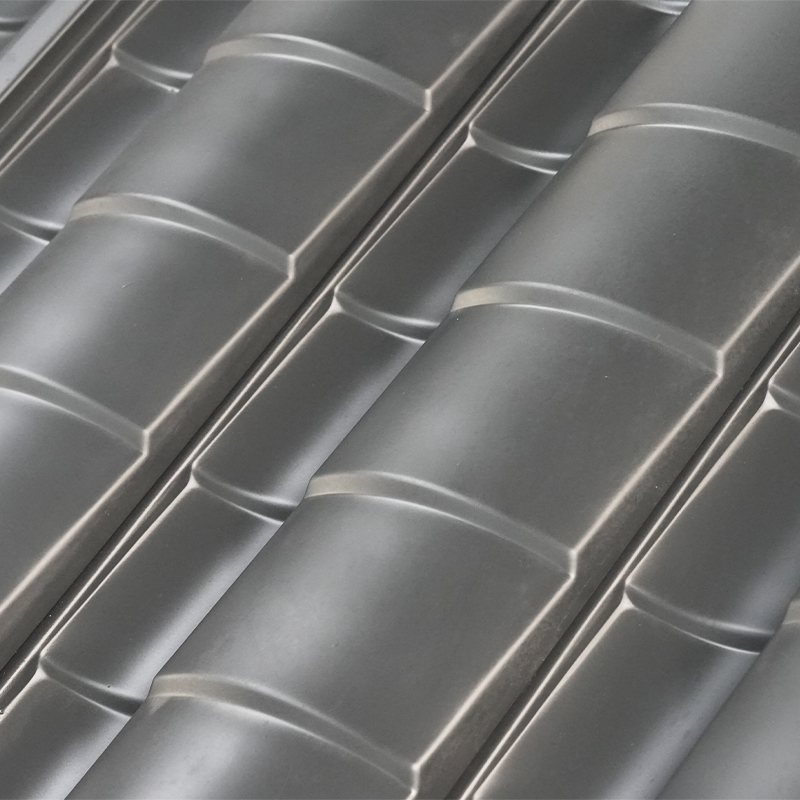
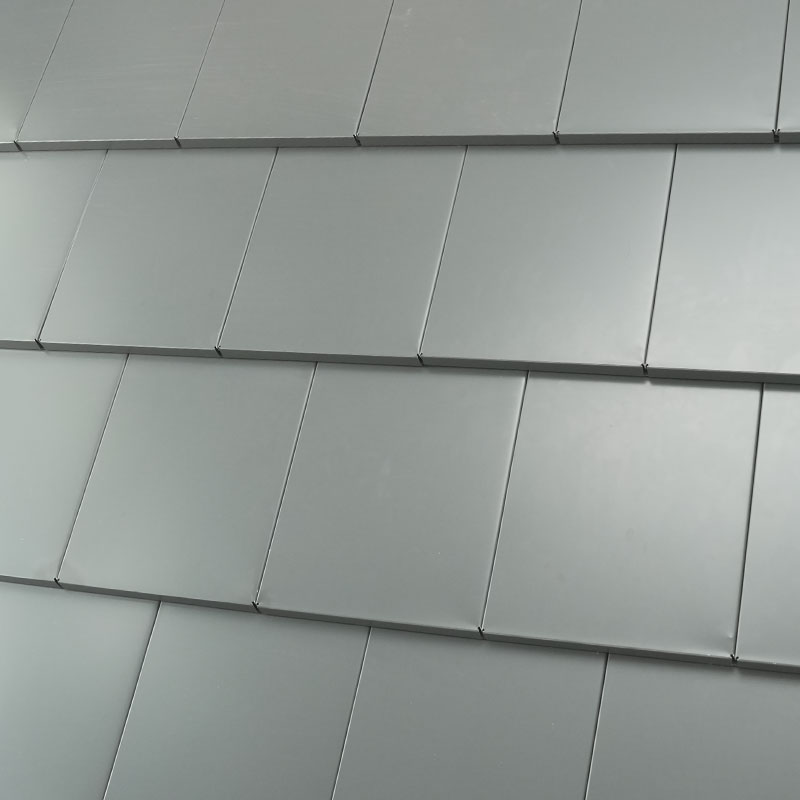
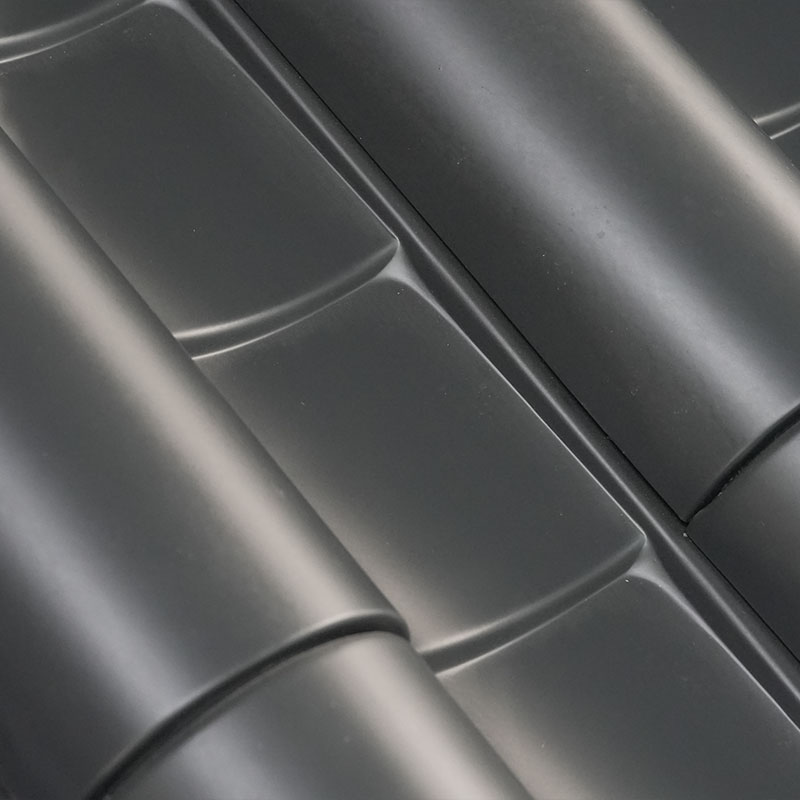
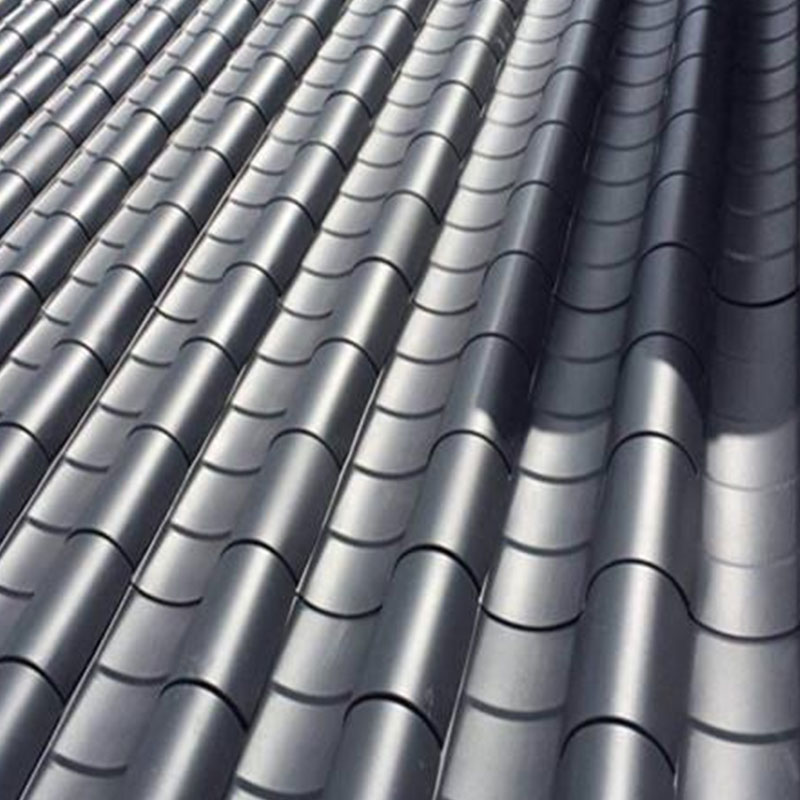
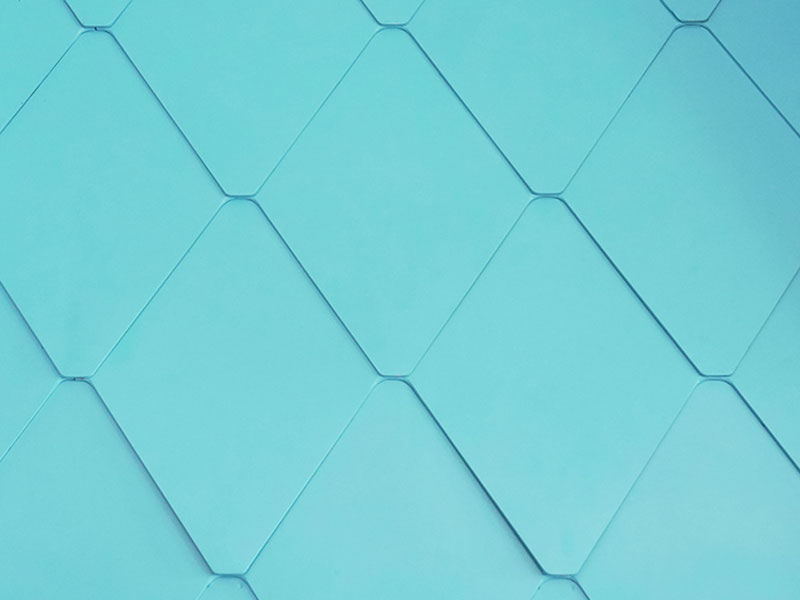
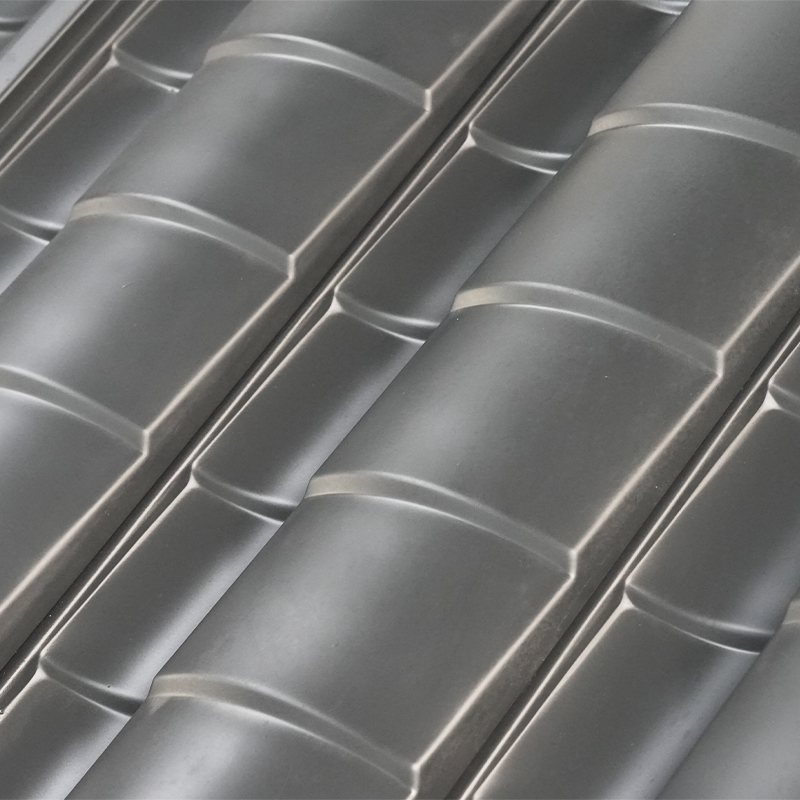
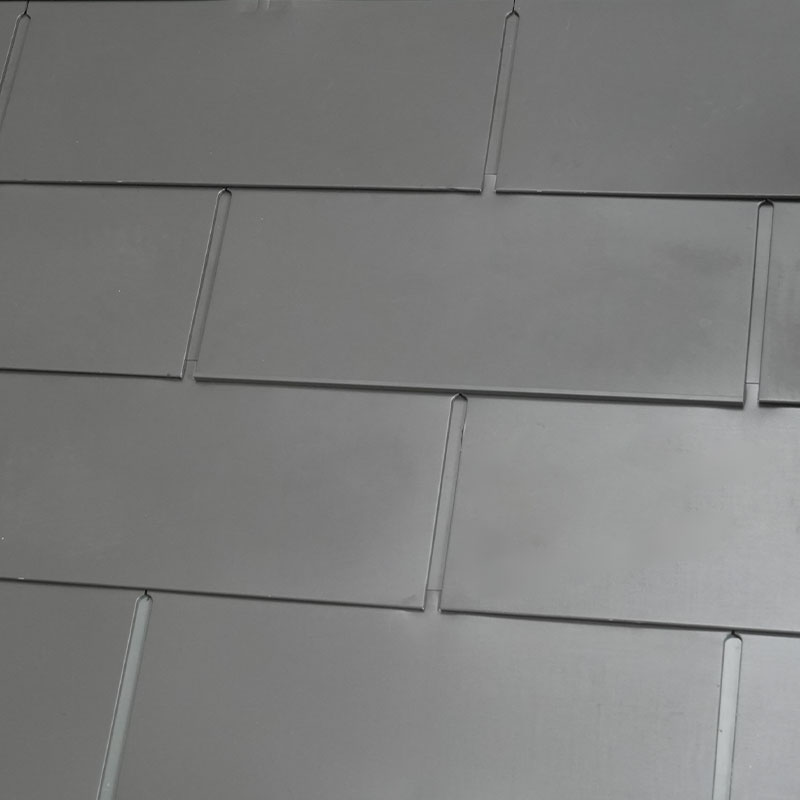
This is where composite metal roofing tile offers something asphalt shingles cannot match. Standard asphalt products are limited to flat or dimensional shingle profiles. Composite metal tile is produced in stamped profiles — fish scale, diamond, standard rectangular — that replicate traditional architectural tile forms with the durability of metal. The fluorocarbon coating maintains consistent color across decades, without the granule fading or streaking that affects asphalt over time.
Meiningjia's tile range covers fish scale composite metal tile, diamond-shaped composite tile, and standard rectangular composite tile — each available in custom colors through the fluorocarbon roller coating process.
Who Should Choose Composite Metal Roofing Tile
Composite metal roofing tile is the stronger choice when any of the following apply: the building will be occupied long-term and the owner wants to avoid a second roofing cycle; the climate is aggressive (high UV, high humidity, coastal salt air, or significant temperature cycling); the architectural profile calls for a tile aesthetic rather than a flat shingle look; or the project demands a material with verifiable 30-year color durability data rather than manufacturer warranty projections alone.
Asphalt shingles remain the appropriate choice where immediate upfront cost is the primary constraint, the building has a short ownership horizon, or local HOA or building code requirements favor conventional shingle installation.
For project specifications, product samples, and pricing inquiries, contact Meiningjia Roofing System Nantong Co., Ltd. at the company's contact page or by phone at +86-13817510596.