


 English
 русский
 Español
 عربى
عربى

Construction material roofing tiles are a core component of roof systems, providing weather protection, structural coverage, and long-term durability for buildings. Different roofing tile materials respond differently to environmental conditions, load requirements, and architectural design needs. Understanding how these materials perform in real construction scenarios helps ensure proper roof function and service life.
Content
- 1 Functional Role of Roofing Tiles in Construction Systems
- 2 Common Construction Materials Used for Roofing Tiles
- 3 Performance Factors That Influence Roofing Tile Selection
- 4 Installation Considerations for Different Roofing Tile Materials
- 5 Comparison of Roofing Tile Materials Used in Construction
- 6 Long-Term Maintenance and Material Durability
- 7 Key Factors for Selecting Roofing Tiles in Construction Projects
Functional Role of Roofing Tiles in Construction Systems
Roofing tiles act as the outer protective layer of a building envelope. Their primary function is to shield underlying structures from rain, wind, sunlight, and temperature changes. In construction projects, roofing tiles also influence roof drainage efficiency, thermal behavior, and overall structural load distribution.
The choice of roofing tile material directly affects how the roof responds to expansion, contraction, moisture exposure, and long-term environmental stress. Selecting suitable construction materials helps reduce maintenance frequency and supports stable roof performance over time.
Common Construction Materials Used for Roofing Tiles
Roofing tiles are manufactured from several construction materials, each offering different mechanical and environmental properties. Material selection is often based on climate conditions, roof structure design, and local building standards.
Clay and Ceramic Roofing Tiles
Clay and ceramic tiles are traditional roofing materials known for their dimensional stability and resistance to ultraviolet exposure. These tiles perform well in hot climates and maintain color consistency over extended periods. Their weight requires appropriate roof framing support during construction planning.
Concrete Roofing Tiles
Concrete roofing tiles are widely used in modern construction due to their structural strength and uniform manufacturing process. They offer reliable resistance to wind and impact forces. Surface coatings are often applied to improve water resistance and color retention.
Metal Roofing Tiles
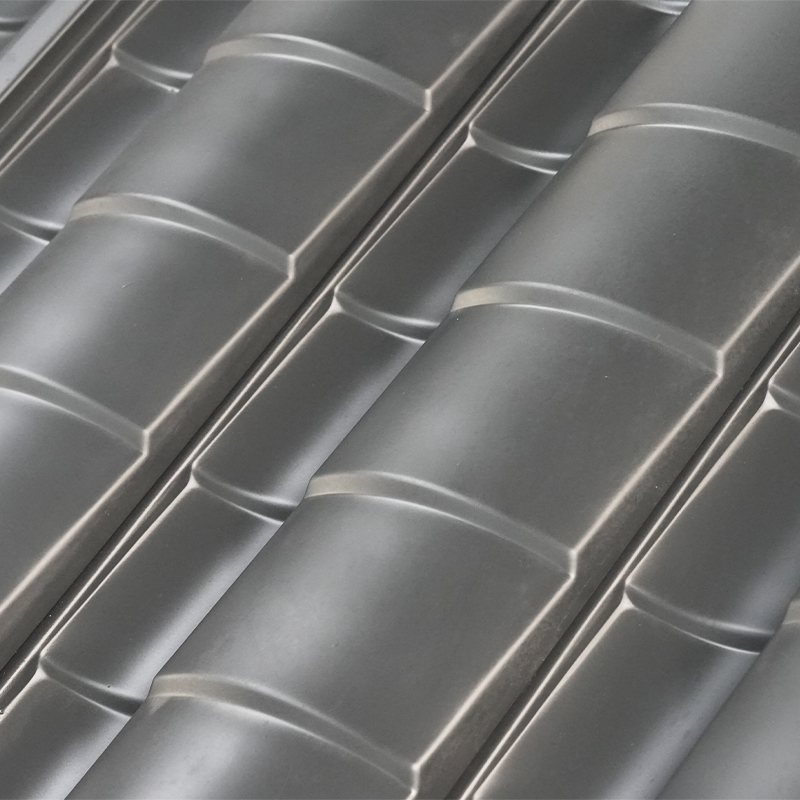
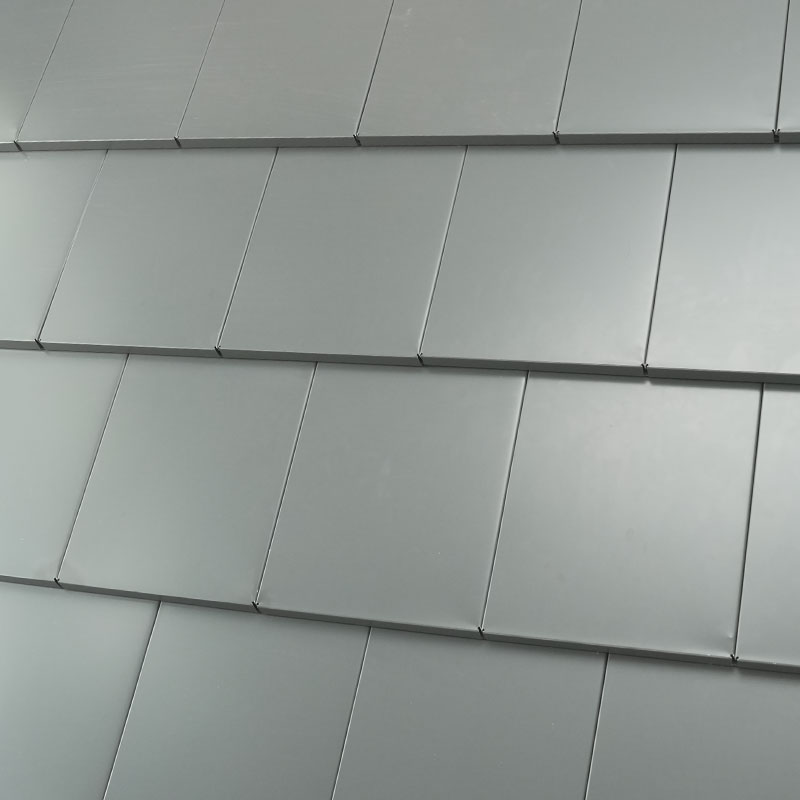
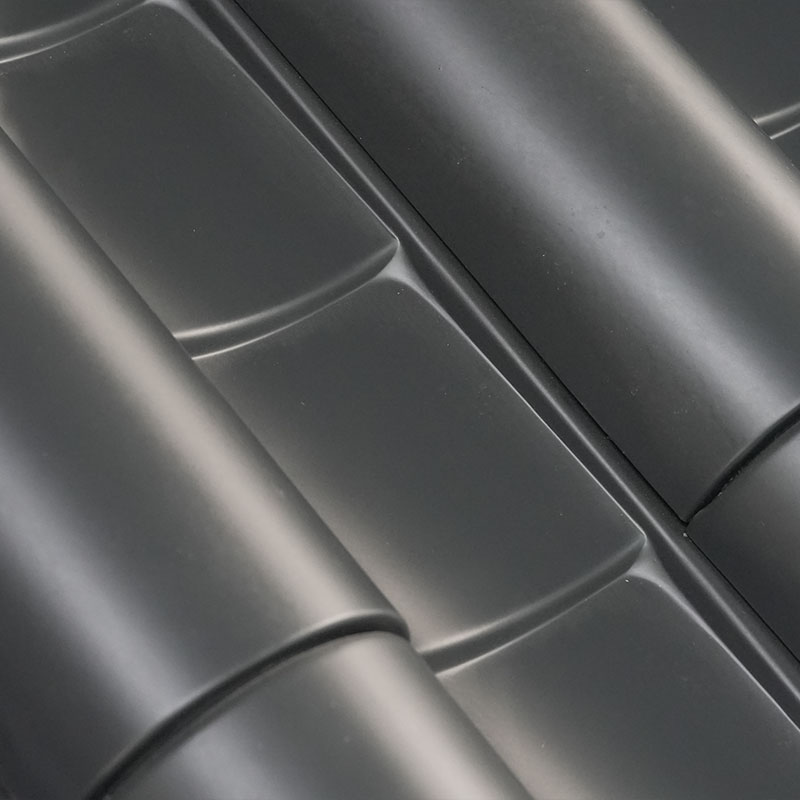
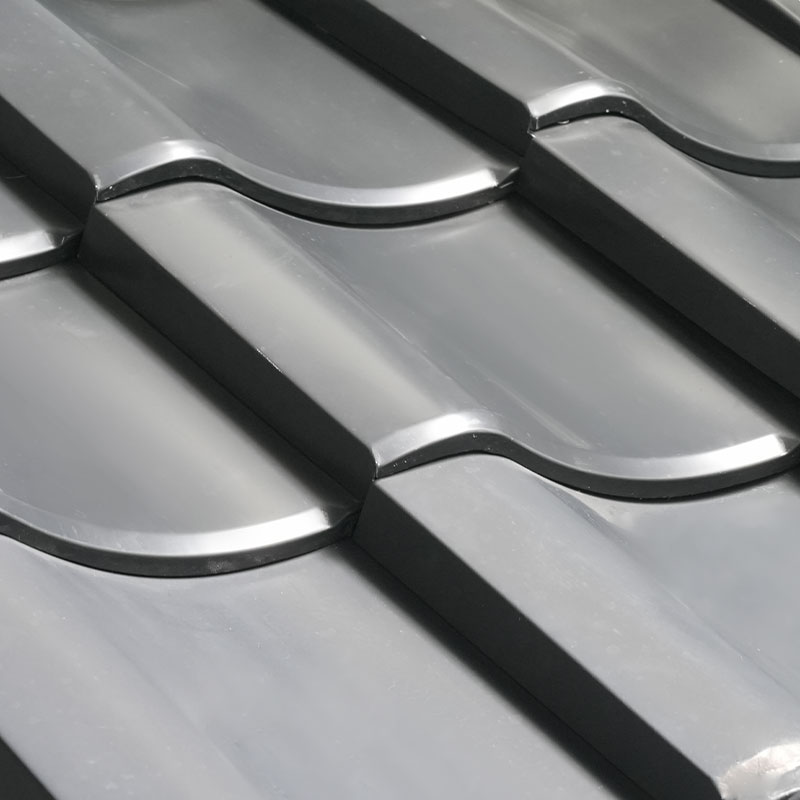
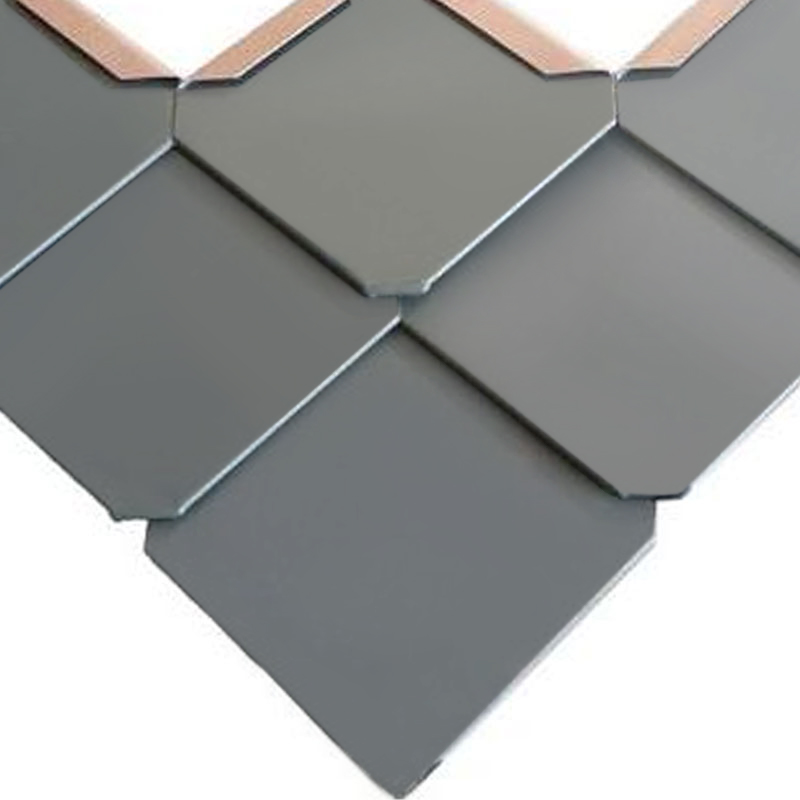
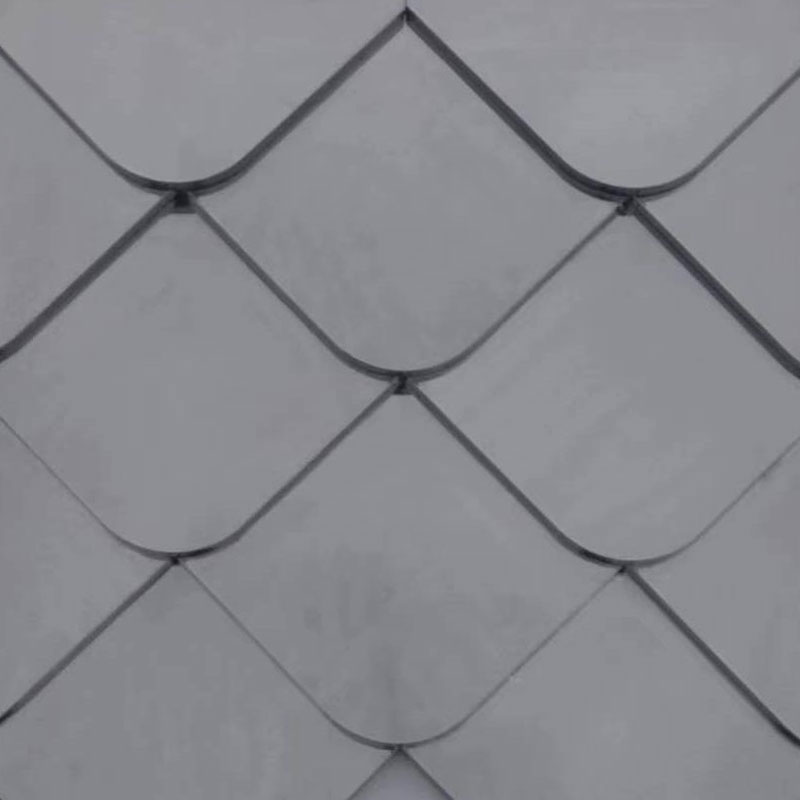
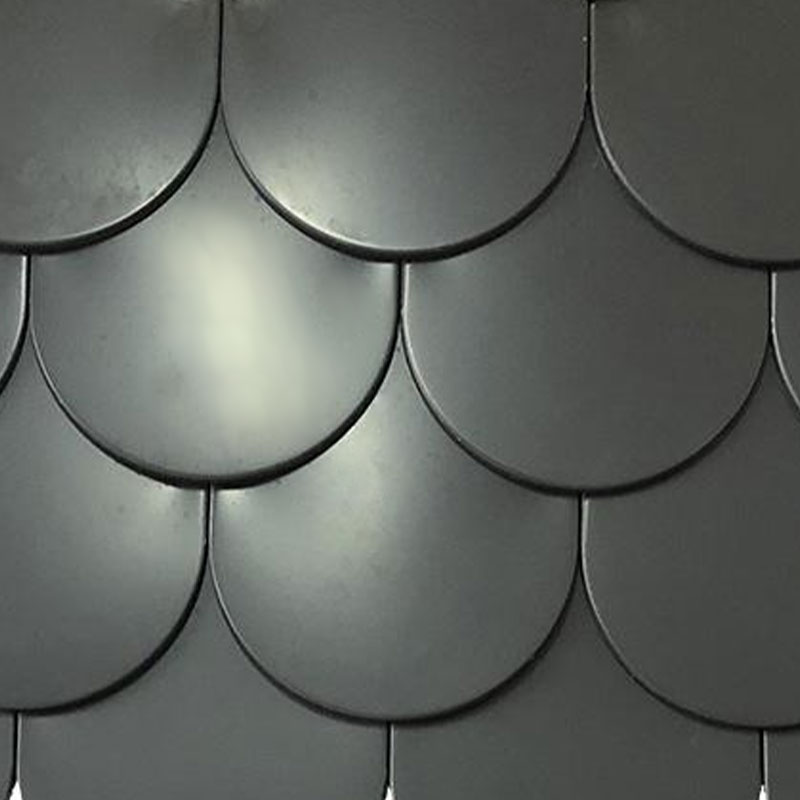
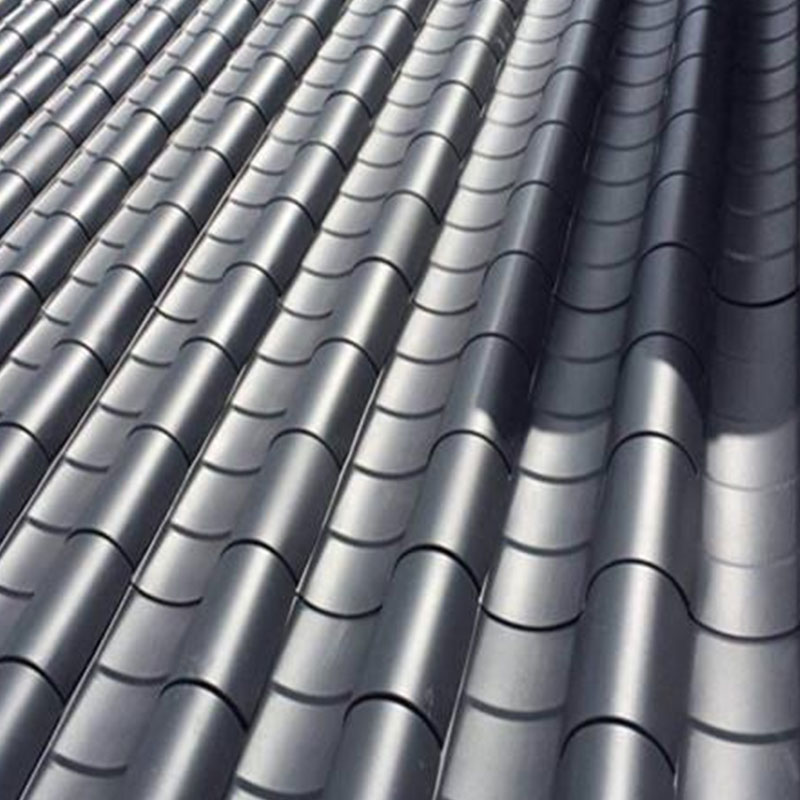
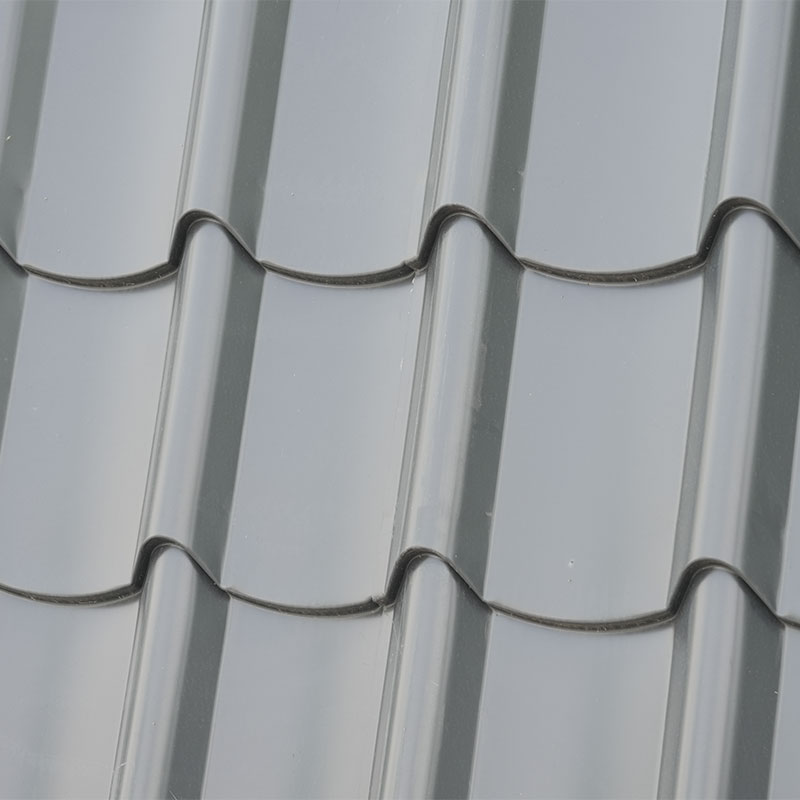
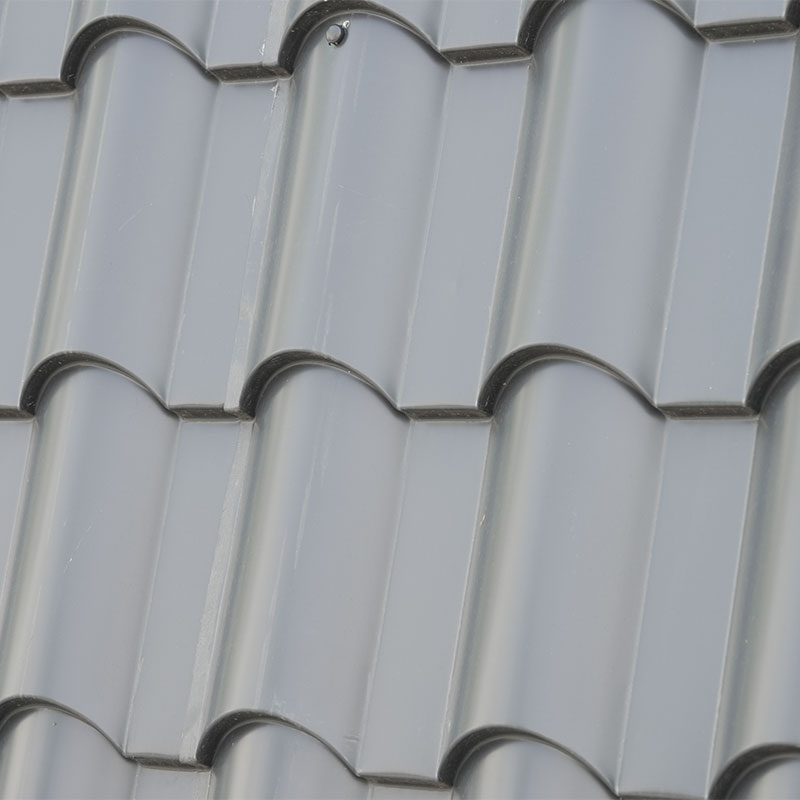
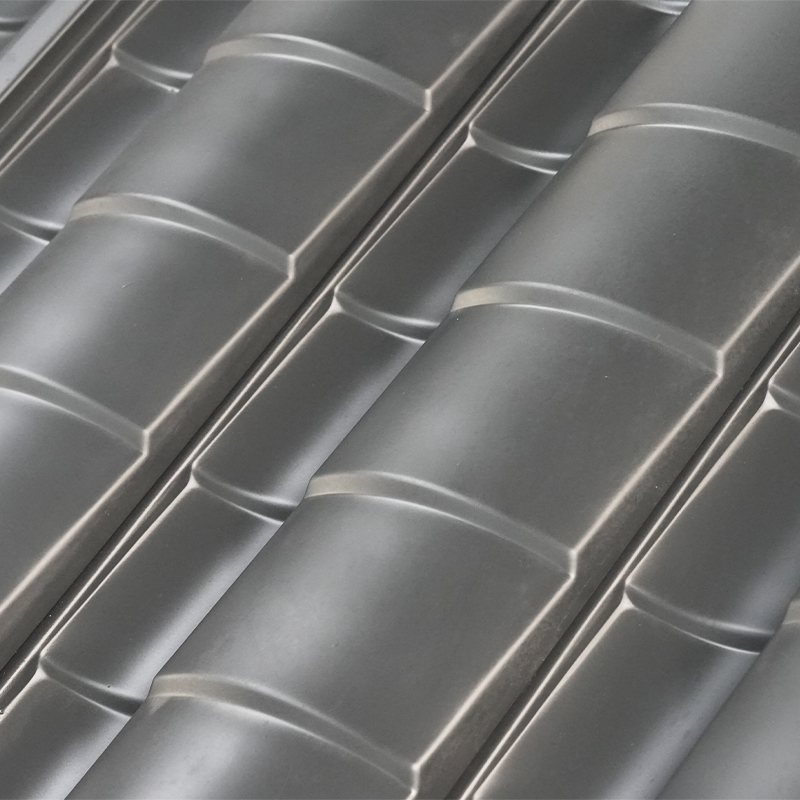
Metal roofing tiles are produced from construction materials such as aluminum or coated steel. These tiles provide lower weight compared to traditional materials and are suitable for projects where structural load limits are a concern. Their interlocking design supports effective water drainage.
Performance Factors That Influence Roofing Tile Selection
When selecting construction material roofing tiles, performance characteristics should be evaluated based on actual usage conditions rather than appearance alone. Roofing tiles must align with the expected environmental exposure and building function.
- Weather resistance against rain, wind, and temperature variation
- Structural weight and compatibility with roof framing
- Surface durability and resistance to aging or surface degradation
Installation Considerations for Different Roofing Tile Materials
Installation methods vary depending on the construction material used for roofing tiles. Tile size, weight, and fastening requirements influence installation speed and labor planning. Proper alignment and spacing are essential to ensure consistent water runoff and minimize leakage risk.
Material-specific installation guidelines should be followed to maintain performance integrity. Incompatible installation techniques may lead to premature damage or reduced roof service life.
Comparison of Roofing Tile Materials Used in Construction
| Material Type | Weight Level | Weather Resistance | Structural Impact |
| Clay / Ceramic | High | Strong | Requires reinforced support |
| Concrete | Medium to High | Stable | Moderate structural demand |
| Metal | Low | Consistent | Reduced load on structure |
Long-Term Maintenance and Material Durability
Construction material roofing tiles differ in long-term maintenance requirements. Some materials retain surface stability with minimal intervention, while others may require periodic inspection or surface treatment. Maintenance planning should consider accessibility, replacement availability, and compatibility with existing roof systems.
Key Factors for Selecting Roofing Tiles in Construction Projects
Selecting suitable roofing tiles involves balancing structural requirements, environmental exposure, and construction practicality. Material compatibility with roof design, installation conditions, and long-term performance expectations should guide the final decision to support reliable and consistent roof operation.