


 English
 русский
 Español
 عربى
عربى

Content
- 1 What Defines a Residential Standing Seam Metal Roof System
- 2 Material Options and Protective Coatings
- 3 Installation Methods and Structural Considerations
- 4 Weather Resistance and Energy Performance
- 5 Cost Factors and Long-Term Value
- 6 Design Flexibility for Modern Residential Architecture
- 7 Maintenance Practices for Long-Term Performance
What Defines a Residential Standing Seam Metal Roof System
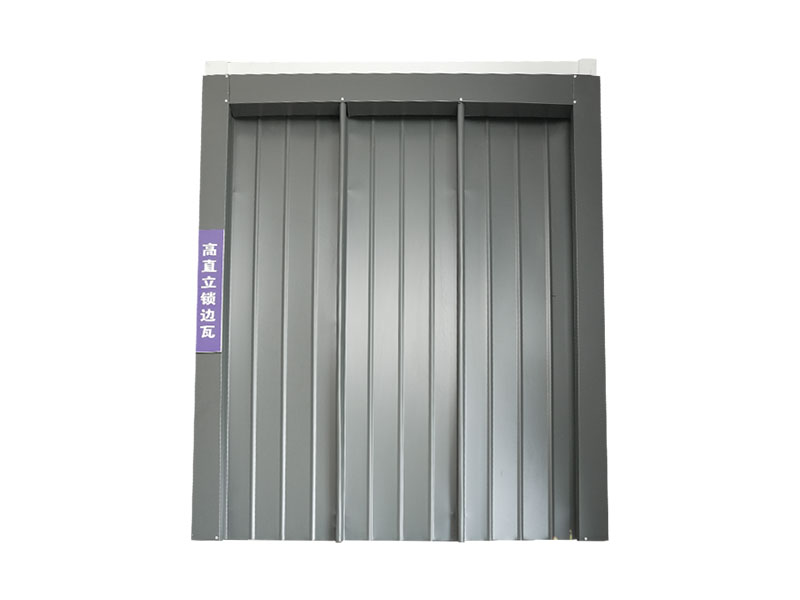
A residential standing seam metal roof is a concealed fastener roofing system characterized by raised vertical seams that interlock adjacent panels. Unlike exposed screw metal roofing, the fastening clips are hidden beneath the seams, reducing the risk of water penetration and thermal movement damage. Panels typically run continuously from ridge to eave, creating clean vertical lines and minimizing horizontal joints.
The raised seams, usually ranging from one to two inches in height, provide structural rigidity and channel water downward efficiently. This configuration makes the system particularly suitable for low-slope residential roofs where reliable drainage is critical.
Material Options and Protective Coatings
Residential standing seam metal roofs are commonly manufactured from galvanized steel, Galvalume steel, aluminum, zinc, or copper. The choice of metal influences durability, corrosion resistance, and cost. Protective coatings such as PVDF or SMP finishes are applied to enhance weather resistance and maintain color stability over long periods of sun exposure.
- Galvalume steel offers strong corrosion resistance and structural strength.
- Aluminum performs well in coastal environments due to natural oxidation resistance.
- Copper develops a protective patina over time and is often selected for premium homes.
- Zinc provides long service life and self-healing surface characteristics.
Panel thickness, measured in gauge, affects impact resistance and wind performance. Residential applications typically use 24-gauge or 26-gauge steel depending on regional climate conditions.
Installation Methods and Structural Considerations
Clip System and Thermal Movement
Standing seam panels are secured using fixed or sliding clips attached to the roof deck. Sliding clips allow panels to expand and contract with temperature changes, preventing oil canning or stress deformation. This feature is essential in areas with significant seasonal temperature variation.
Deck Preparation and Underlayment
Proper deck preparation ensures long-term performance. A solid plywood or OSB deck is commonly required for residential systems. High-temperature synthetic underlayment or self-adhered waterproof membrane is installed beneath the panels to provide secondary moisture protection, particularly around valleys and penetrations.
Weather Resistance and Energy Performance
Residential standing seam metal roofs are engineered to withstand high wind uplift and heavy rainfall. The interlocking seam design reduces exposed fastener points, which are common leak sources in traditional metal roofing. In hurricane-prone regions, mechanically seamed systems offer enhanced wind resistance compared to snap-lock profiles.
Reflective coatings and light-colored finishes contribute to solar reflectance, reducing attic heat gain during summer months. When combined with proper insulation and ventilation, this roofing system can improve overall residential energy efficiency.
Cost Factors and Long-Term Value
The initial investment for a residential standing seam metal roof is generally higher than asphalt shingles. However, lifecycle cost analysis often shows favorable long-term value due to durability and reduced maintenance needs.
| Cost Factor | Impact on Budget |
| Material Type | Steel is moderate, copper and zinc are premium |
| Panel Gauge | Thicker panels increase durability and cost |
| Roof Complexity | Valleys, dormers, and penetrations raise labor expense |
| Installation Expertise | Specialized crews improve performance but add cost |
With proper installation, service life can exceed several decades. Maintenance typically involves periodic inspection of seams, flashing, and sealant rather than frequent material replacement.
Design Flexibility for Modern Residential Architecture
Standing seam metal roofing supports various architectural styles, from contemporary minimalist homes to farmhouse-inspired designs. Panel widths, seam heights, and finish colors can be customized to match exterior cladding and trim details. Matte finishes are often selected for modern residences, while textured coatings can reduce visible oil canning on wide panels.
The system also integrates effectively with rooftop solar panels. The raised seams allow clamp-based solar mounting systems without penetrating the roof surface, preserving waterproof performance and simplifying future upgrades.
Maintenance Practices for Long-Term Performance
Routine inspection is essential to maintain the integrity of a residential standing seam metal roof. Homeowners or contractors should check for debris accumulation in valleys, verify flashing condition around chimneys and vents, and inspect sealant at penetrations. Cleaning with non-abrasive methods preserves the protective coating and prevents premature surface wear.
When installed correctly and maintained periodically, this roofing system provides structural reliability, weather resistance, and architectural consistency that supports long-term residential property value.