

 English
 русский
 Español
 عربى
عربى

Content
- 1 Understand the Building Type and Roof Structure
- 2 Select the Appropriate Metal Material
- 3 Evaluate Sheet Profile and Design
- 4 Determine the Right Thickness and Strength
- 5 Consider Coating and Surface Treatment
- 6 Match the Roofing Sheet to Climate Conditions
- 7 Review Installation and Maintenance Requirements
- 8 Balance Cost with Long-Term Performance
Understand the Building Type and Roof Structure
Before selecting a metal roofing sheet, it is important to clearly understand the building type and its roof structure. Industrial plants, warehouses, agricultural buildings, commercial facilities, and residential houses place different demands on roofing materials. Factors such as roof span, slope angle, load-bearing capacity, and supporting structure directly influence the suitable sheet profile and thickness.
For example, large-span steel structures usually require metal roofing sheets with higher strength and deeper profiles to improve load distribution, while residential buildings often focus more on appearance and noise control. Evaluating the roof framework at the early stage helps avoid mismatched specifications during installation.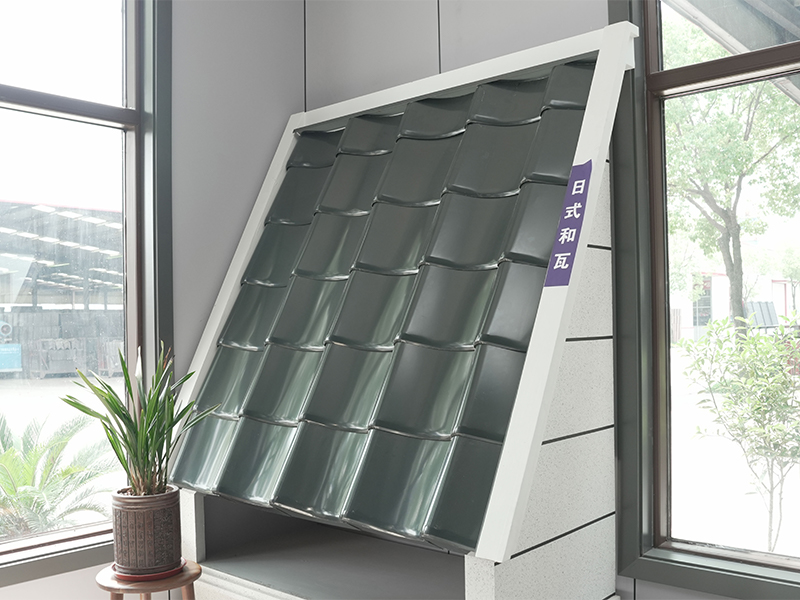
Select the Appropriate Metal Material
Metal roofing sheets are available in different base materials, each offering distinct performance characteristics. The choice of material affects durability, corrosion resistance, weight, and long-term maintenance requirements.
- Galvanized steel sheets provide basic corrosion resistance and are commonly used in general industrial buildings.
- Galvalume steel sheets offer improved resistance to oxidation and heat, making them suitable for hot or coastal environments.
- Aluminum roofing sheets are lightweight and naturally corrosion-resistant, often used in coastal or high-humidity areas.
- Copper or other specialty metals are typically chosen for architectural projects where appearance and longevity are priorities.
Evaluate Sheet Profile and Design
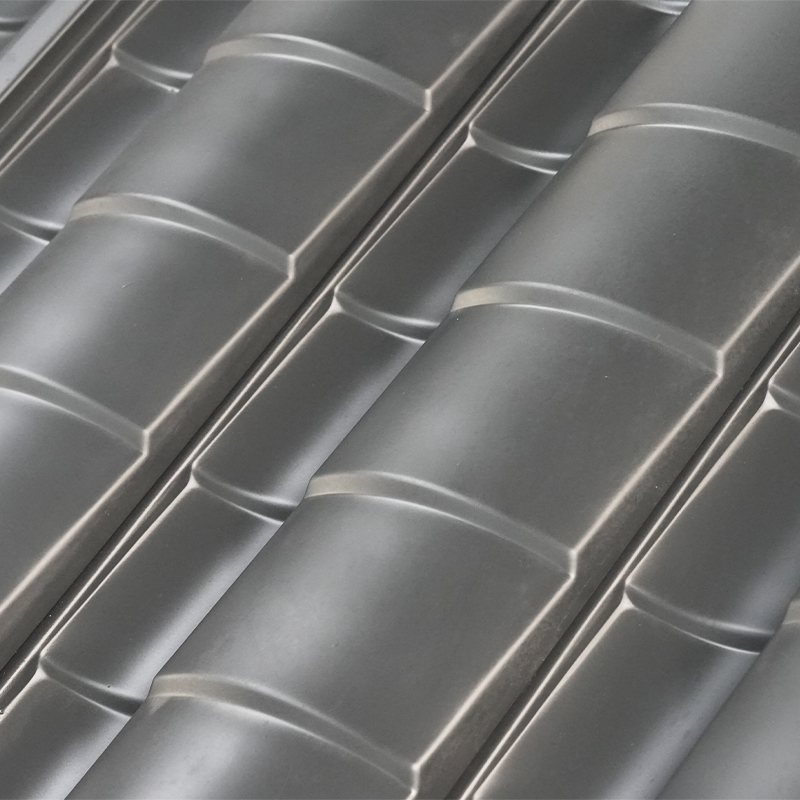
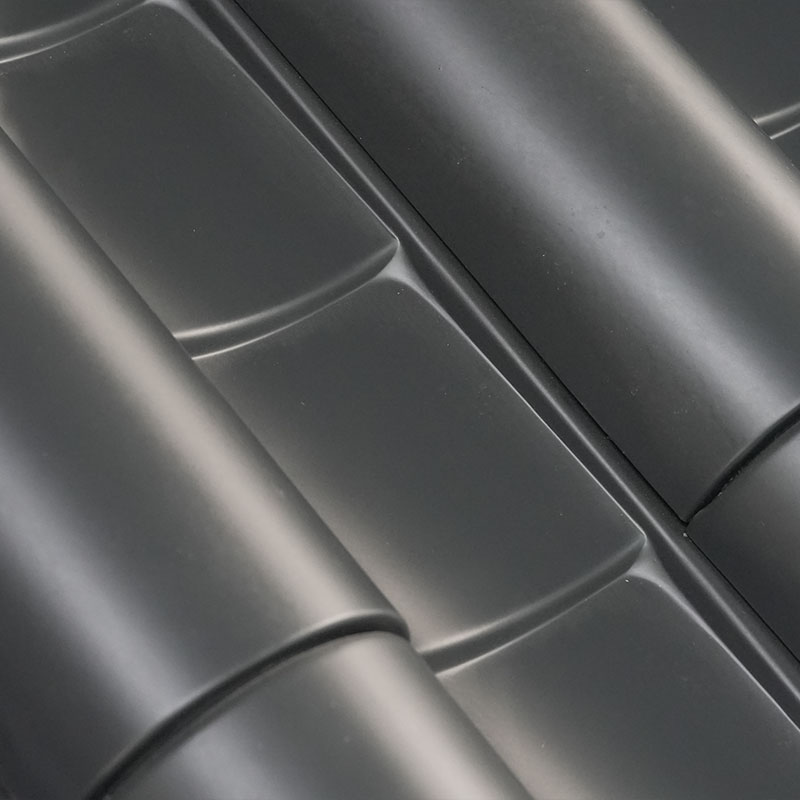
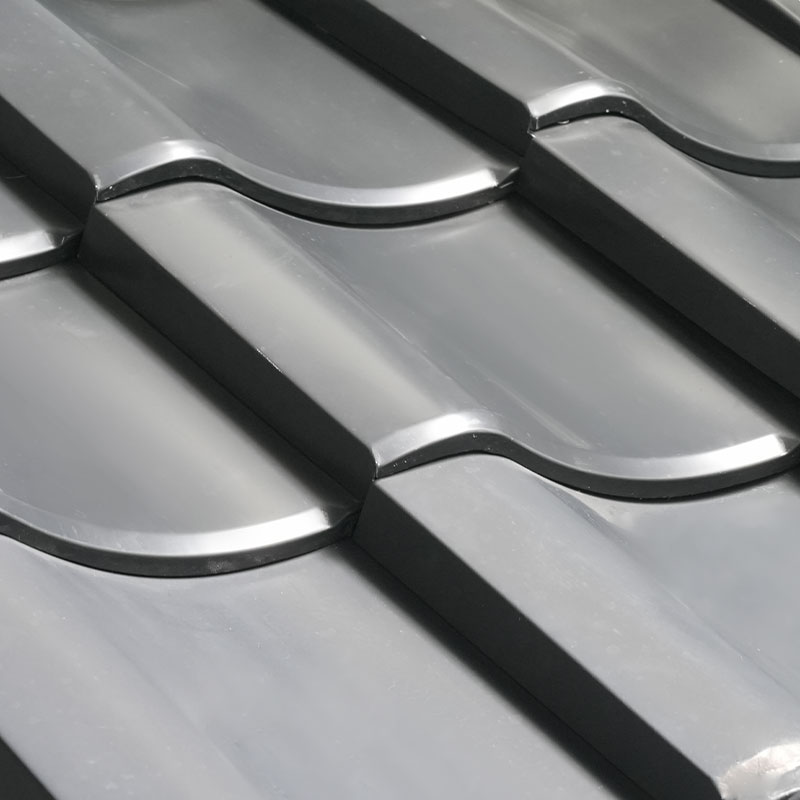
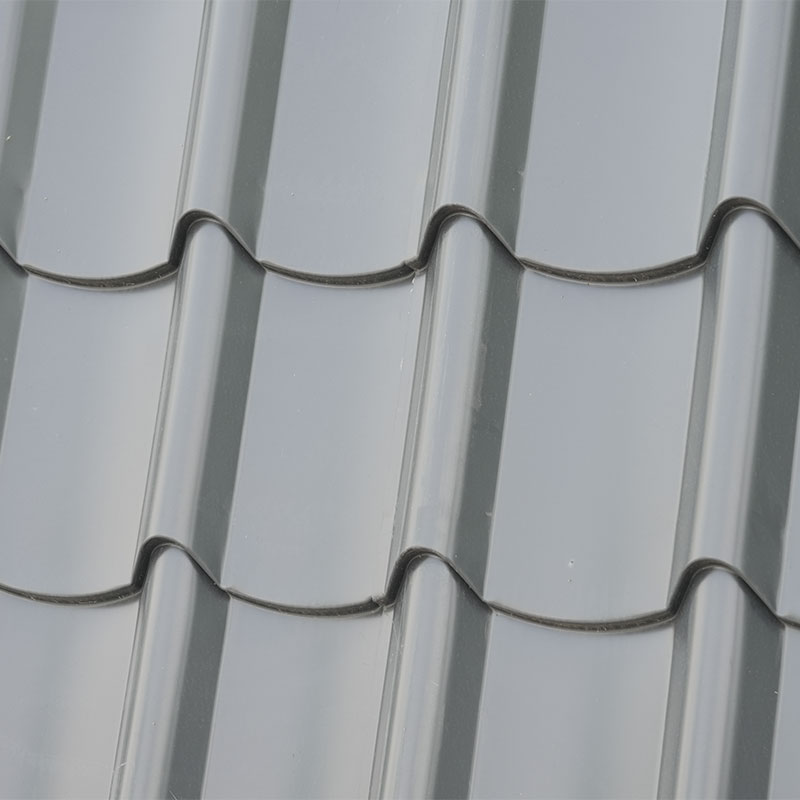
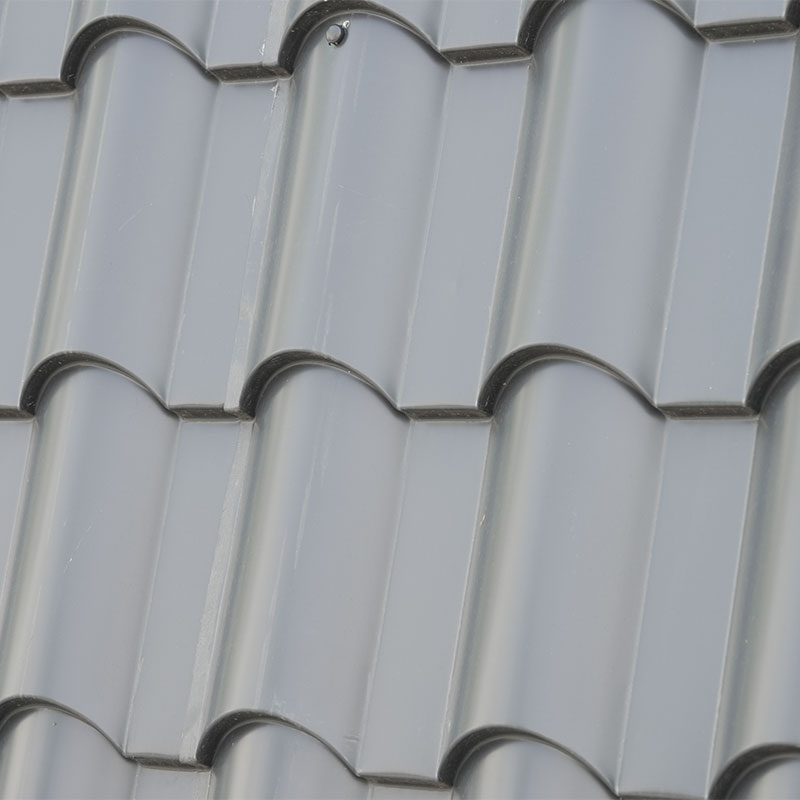
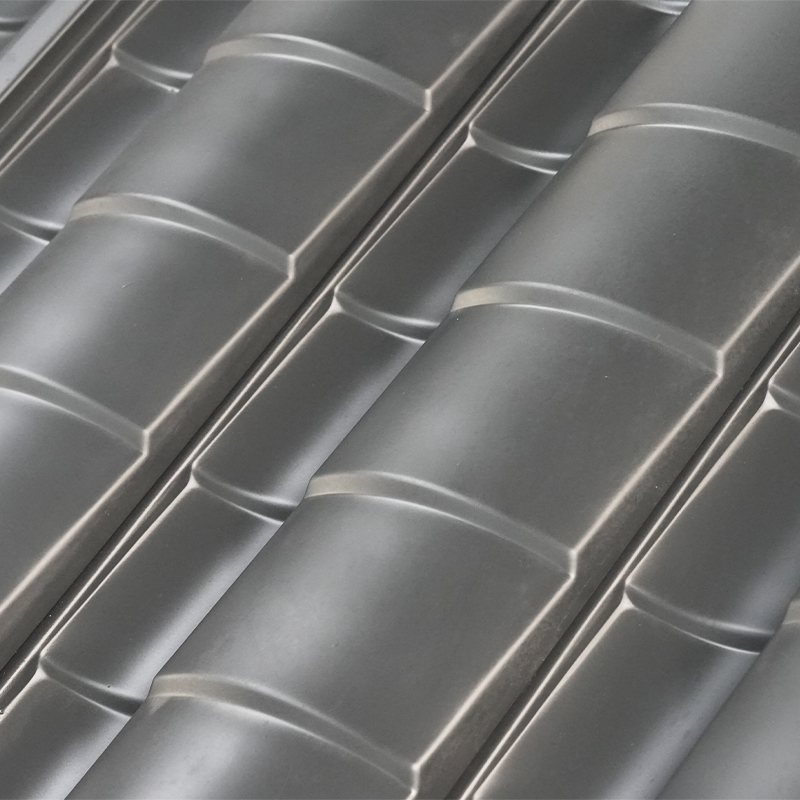
The profile of a metal roofing sheet plays a key role in structural performance and water drainage. Corrugation depth, rib spacing, and overall shape determine how well the sheet handles wind loads, rainfall, and thermal expansion.
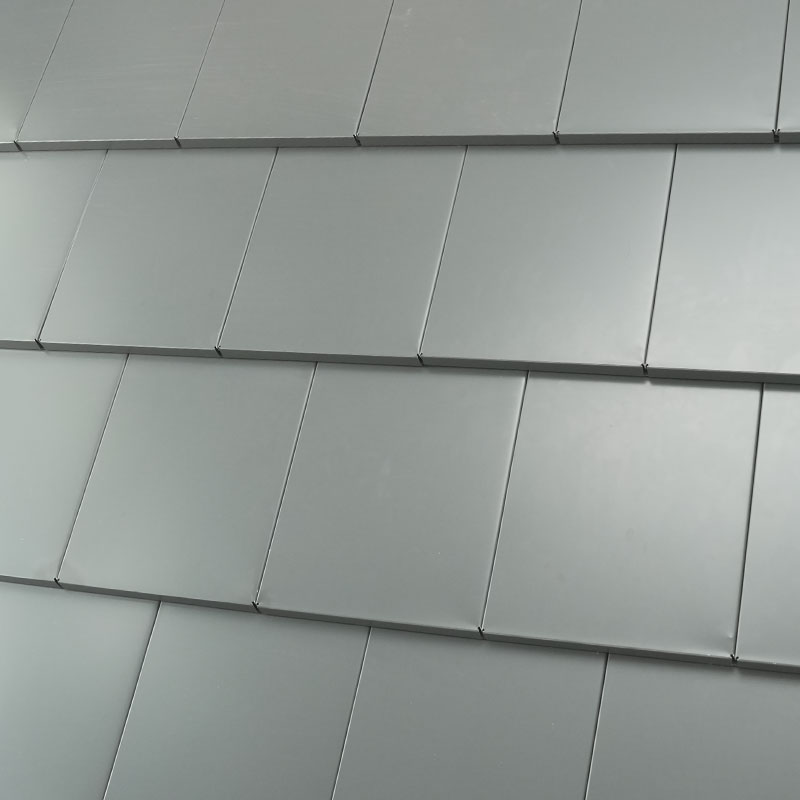
High-profile sheets are often preferred for industrial and agricultural buildings due to their strength and drainage capability, while low-profile or standing seam designs are commonly used for commercial and residential roofs where visual appearance is more important.
Common Profile Considerations
- Rib height and spacing for load-bearing performance
- Sheet overlap design to reduce leakage risk
- Compatibility with insulation and waterproof layers
Determine the Right Thickness and Strength
Metal roofing sheet thickness directly affects durability and resistance to deformation. Thicker sheets generally provide better wind resistance and longer service life but may increase material cost and structural load.
The appropriate thickness should be selected based on building size, local wind conditions, and roof spacing. For large industrial roofs with wider purlin spacing, thicker sheets help reduce deflection and vibration.
Consider Coating and Surface Treatment
Surface coatings are essential for extending the lifespan of metal roofing sheets. Coatings protect the base metal from corrosion, ultraviolet exposure, and environmental wear while also contributing to color stability.
| Coating Type | Key Function | Typical Application |
| Polyester | Basic weather protection | Standard industrial buildings |
| PVDF | Enhanced color and UV resistance | Commercial and architectural roofs |
| Plastisol | Thick protective layer | Harsh environments |
Match the Roofing Sheet to Climate Conditions
Local climate conditions should strongly influence metal roofing sheet selection. High wind areas require secure fixing systems and stronger profiles, while regions with heavy rainfall benefit from efficient drainage designs.
In hot climates, reflective coatings and lighter colors help reduce heat absorption, improving indoor comfort and lowering cooling demands. In cold regions, compatibility with insulation and snow load performance should be carefully assessed.
Review Installation and Maintenance Requirements
Choosing a metal roofing sheet that aligns with installation capabilities is just as important as material selection. Sheet length, weight, and fixing methods affect installation efficiency and labor costs.
Additionally, considering long-term maintenance needs helps reduce operational costs. Sheets with durable coatings and standardized profiles are generally easier to inspect, repair, or replace over time.
Balance Cost with Long-Term Performance
While initial material cost is an important factor, it should be evaluated alongside durability, maintenance frequency, and expected service life. A metal roofing sheet with higher upfront cost may offer better long-term value through reduced repairs and extended usability.
By carefully assessing building requirements, material options, and environmental conditions, it becomes easier to choose a metal roofing sheet that supports both structural performance and long-term project goals.