

 English
 русский
 Español
 عربى
عربى
Content
Introduction to Insulated Aluminium Roof Tiles
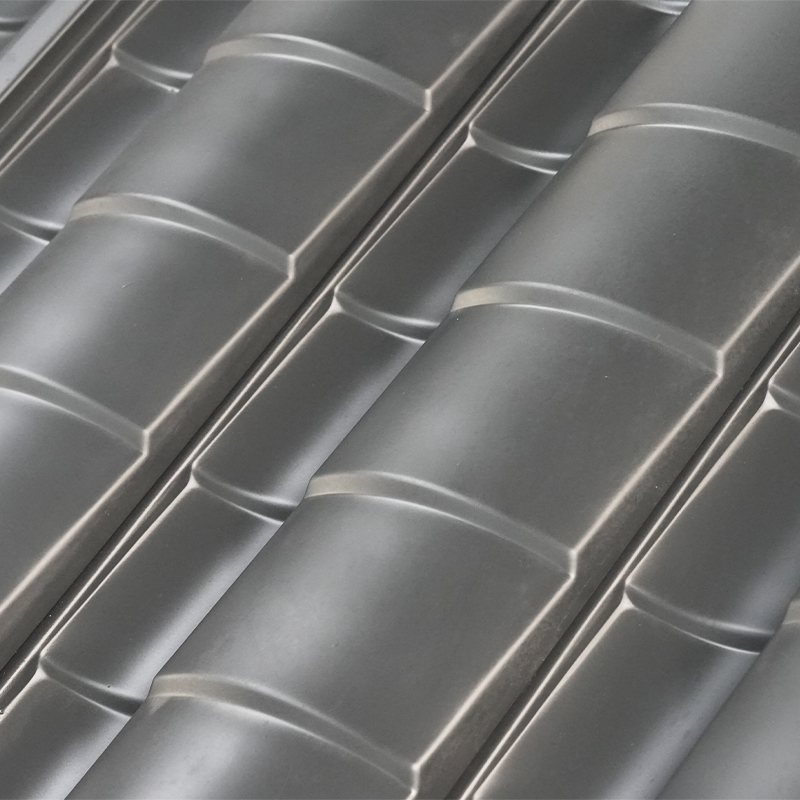
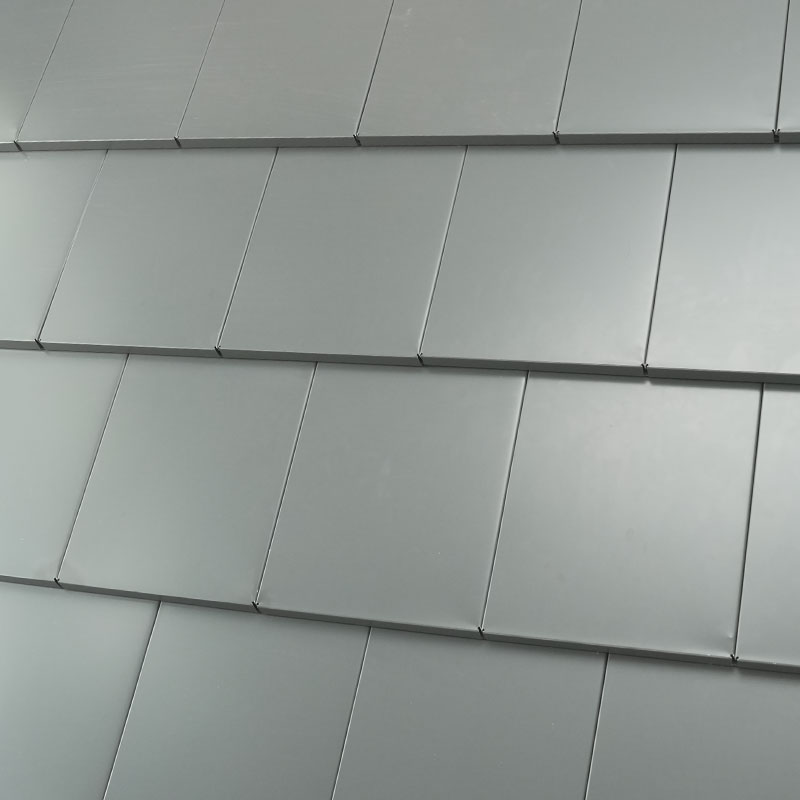
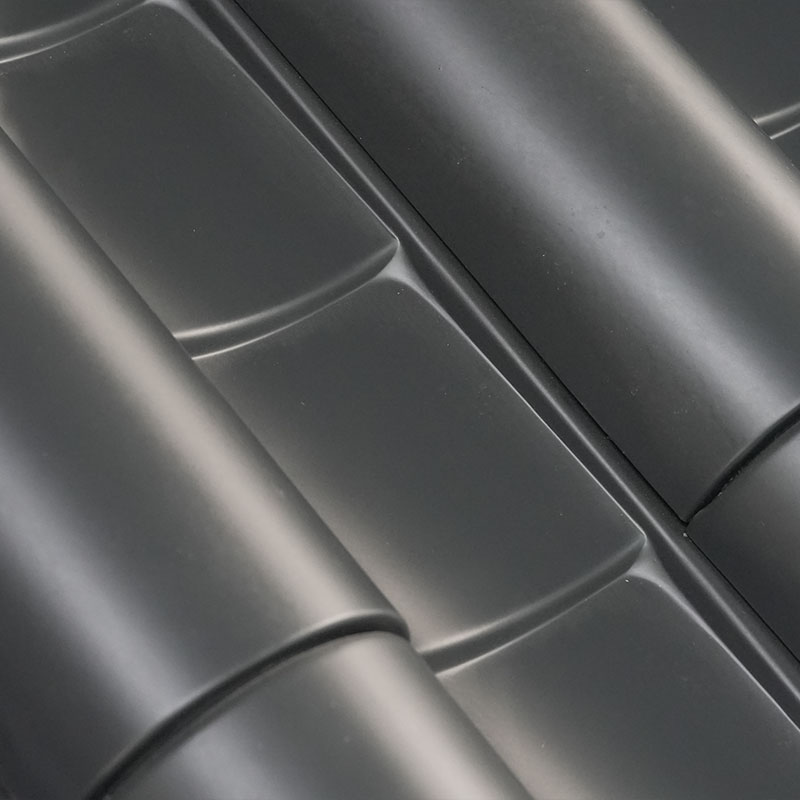
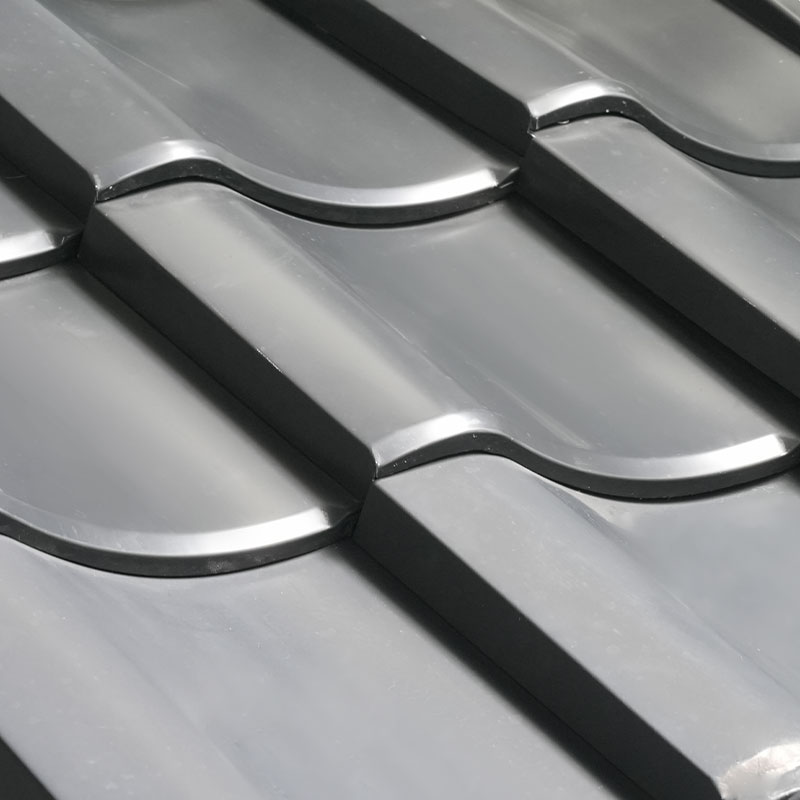
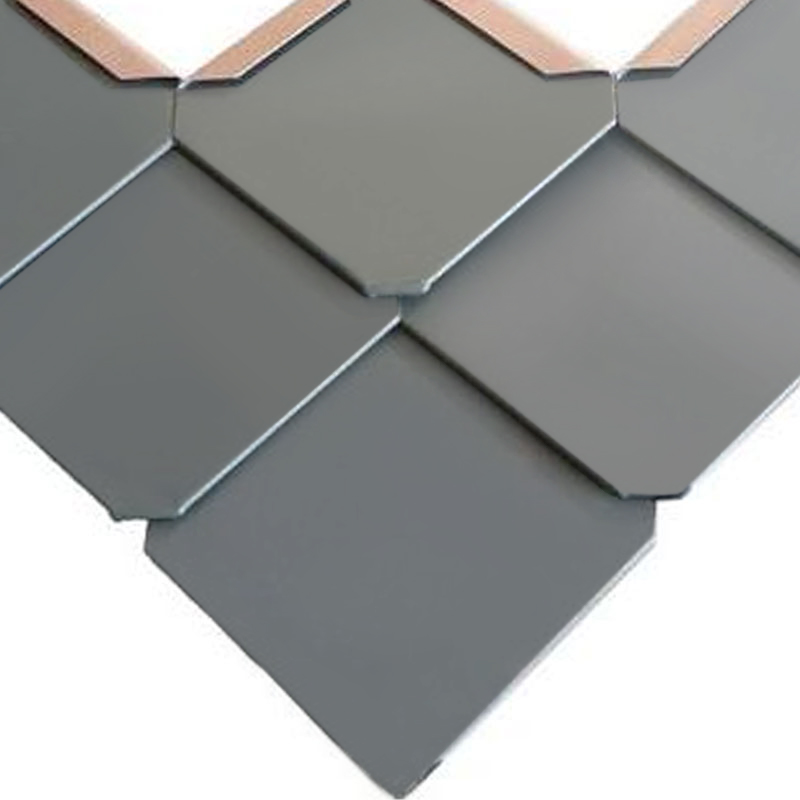
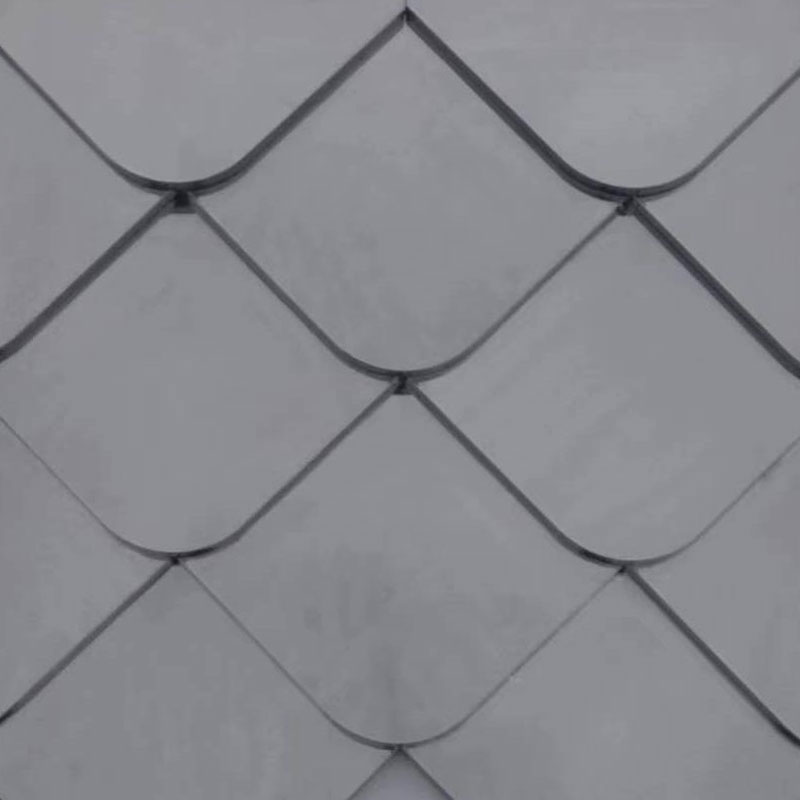
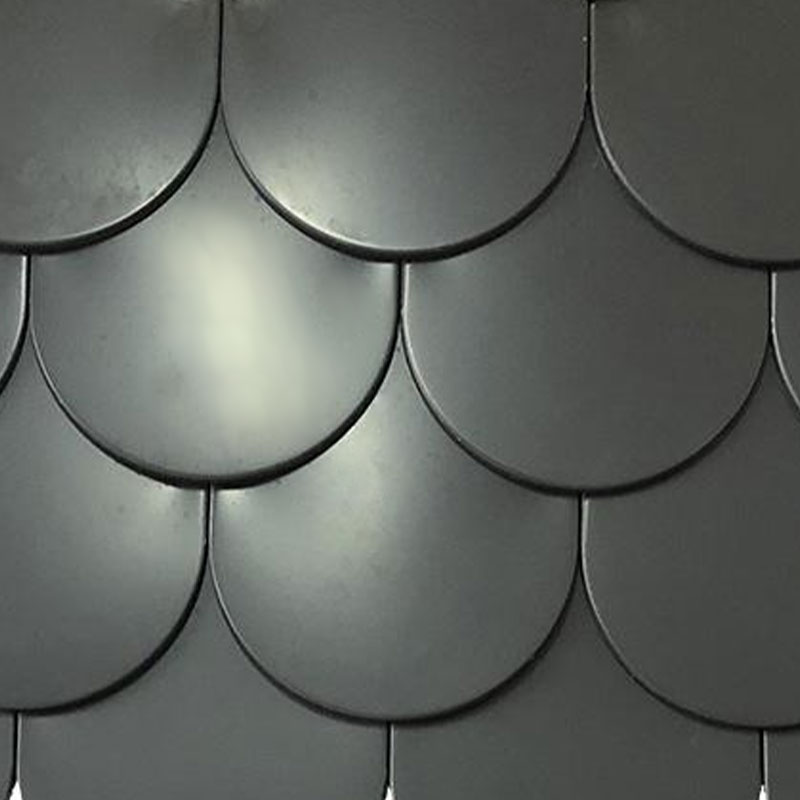
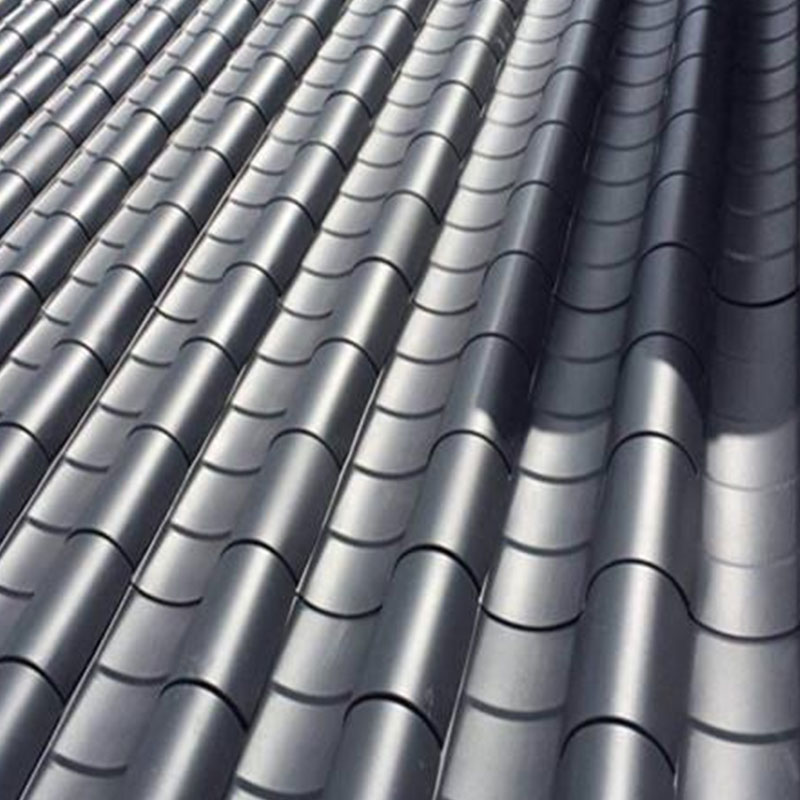
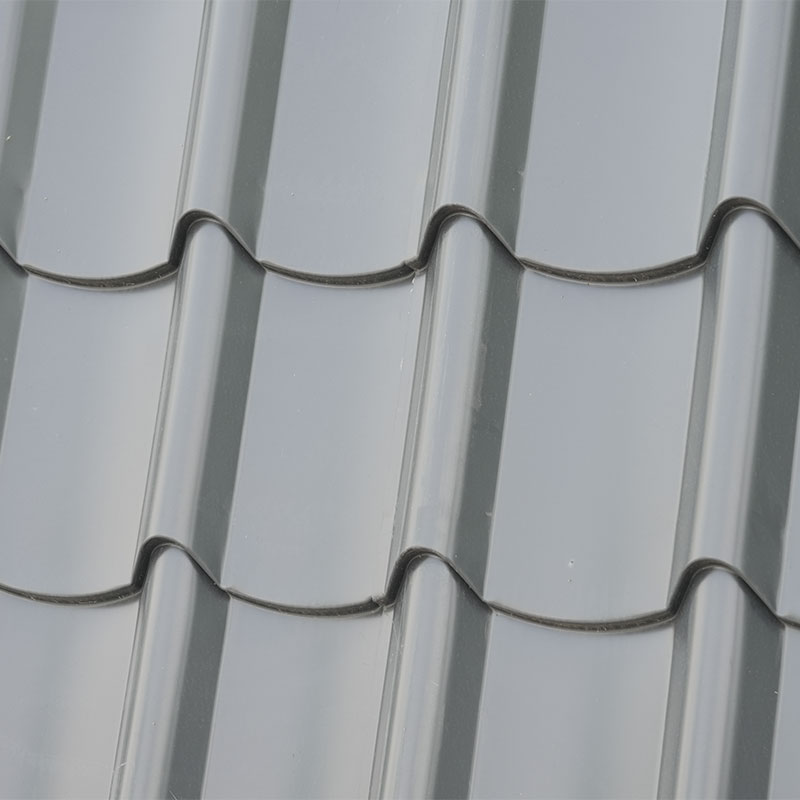
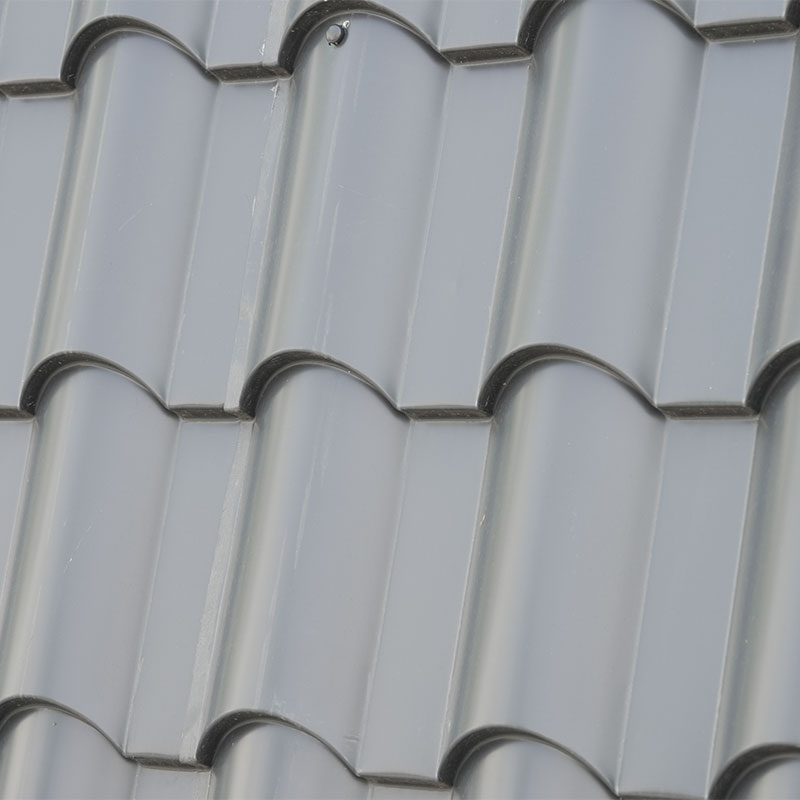
Insulated aluminium roof tiles are advanced roofing materials designed to combine the lightweight durability of aluminium with thermal insulation properties. These tiles are widely used in residential, commercial, and industrial construction due to their ability to improve energy efficiency, provide weather resistance, and enhance structural longevity. By integrating insulation layers directly into the roof tiles, buildings can maintain stable indoor temperatures while reducing energy consumption.
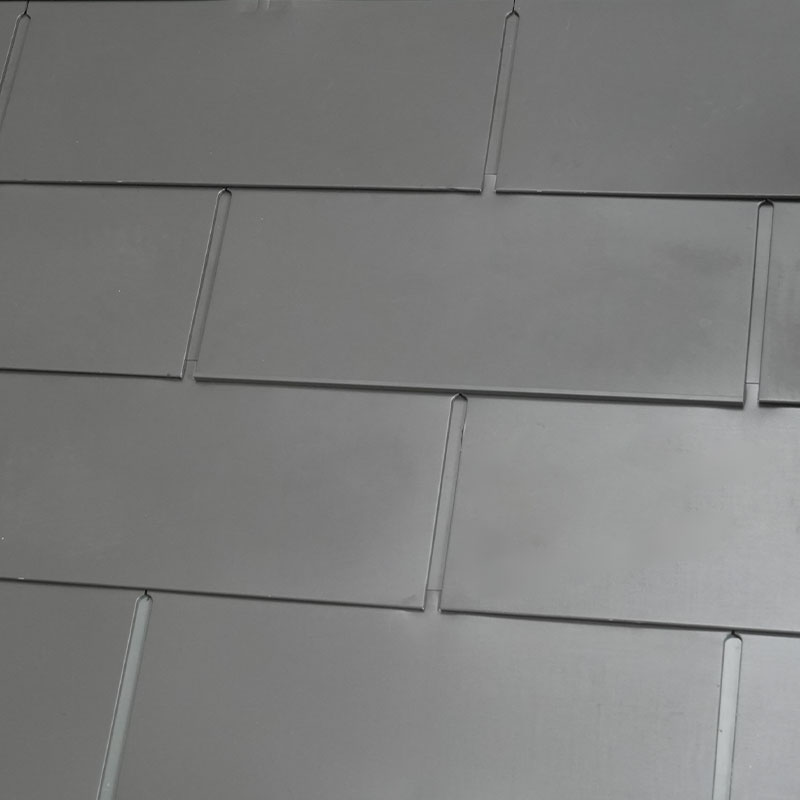
Structural Composition of Insulated Aluminium Roof Tiles
The effectiveness of insulated aluminium roof tiles comes from their multi-layer construction. Each layer serves a specific purpose, balancing strength, thermal performance, and weather protection.
Aluminium Outer Layer
The top aluminium layer provides durability, corrosion resistance, and a lightweight structure. Its reflective surface reduces heat absorption, which helps minimize roof surface temperature during hot weather and enhances energy efficiency.
Insulation Core
Beneath the aluminium surface, an insulation core made of polyurethane, polystyrene, or mineral wool enhances thermal resistance. This layer prevents heat transfer, maintains consistent indoor temperatures, and reduces the load on heating or cooling systems.
Protective Backing Layer
A backing layer, often made of aluminum or protective coating, ensures additional structural support, prevents moisture penetration, and maintains the integrity of the insulation layer. This combination enhances the roof tile's resistance to environmental stress, including rain, wind, and UV exposure.
How Insulated Aluminium Roof Tiles Work
The operation of insulated aluminium roof tiles relies on the synergy between the reflective aluminium surface and the insulating core. This combination reduces heat transfer, prevents condensation, and improves the overall thermal performance of the building envelope.
Thermal Insulation
The insulation core blocks heat from entering the building in summer and retains warmth during winter. This helps maintain comfortable indoor temperatures year-round and reduces energy consumption for HVAC systems.
Weather Resistance
The aluminium surface protects against corrosion, UV damage, and moisture infiltration, while the insulated core prevents internal condensation. This ensures the roof remains durable under harsh weather conditions, extending its service life compared to traditional roofing materials.
Sound Insulation
The insulation layer also provides sound absorption, reducing external noise from rain, hail, or traffic. This contributes to a quieter indoor environment, which is particularly beneficial for residential and commercial buildings located in urban areas.
Advantages of Insulated Aluminium Roof Tiles
Insulated aluminium roof tiles offer multiple benefits over conventional roofing materials, combining energy efficiency, durability, and aesthetic appeal.
- Energy Efficiency: Reduces heat transfer, lowering cooling and heating costs.
- Durability: Resistant to corrosion, UV exposure, and extreme weather conditions.
- Lightweight Construction: Easier to handle and install compared to traditional tiles or concrete roofing.
- Sound Insulation: Reduces noise from environmental sources, enhancing indoor comfort.
- Low Maintenance: Aluminium surfaces require minimal upkeep while maintaining appearance and performance.
Applications of Insulated Aluminium Roof Tiles
Insulated aluminium roof tiles are versatile and suitable for a range of building types, from residential homes to large-scale commercial and industrial facilities.
| Building Type | Key Benefits |
| Residential | Thermal insulation, sound reduction, lightweight installation |
| Commercial | Energy efficiency, low maintenance, long-term durability |
| Industrial | Weather resistance, fire protection, structural strength |
Installation Considerations
Proper installation of insulated aluminium roof tiles is essential to maximize performance. Factors such as slope, fastening methods, sealing between tiles, and compatibility with insulation systems must be carefully considered. Professional installation ensures optimal thermal performance, structural stability, and long-term durability.
Conclusion
Insulated aluminium roof tiles combine the strength and longevity of aluminium with the energy-saving benefits of integrated insulation. Their multi-layer construction enhances thermal performance, sound insulation, and weather resistance, making them a versatile choice for residential, commercial, and industrial buildings. By choosing insulated aluminium roof tiles, builders and property owners can improve energy efficiency, reduce maintenance, and enjoy a durable, aesthetically pleasing roofing solution.