

 English
 русский
 Español
 عربى
عربى
Content
- 1 What Are Composite Aluminum Roofing Tiles and How Are They Constructed
- 2 The Aluminum-Manganese Alloy Face Sheet: Material Properties and Self-Protection
- 3 Optional Copper Lamination: Premium Aesthetics and Extended Durability
- 4 The APP Asphalt Membrane Base: Waterproofing Performance and Lifespan
- 5 Performance Comparison: Composite Aluminum Roofing Tile vs. Conventional Options
- 6 Installation Advantages and Structural Load Reduction
- 7 Suitable Applications and Building Types
What Are Composite Aluminum Roofing Tiles and How Are They Constructed
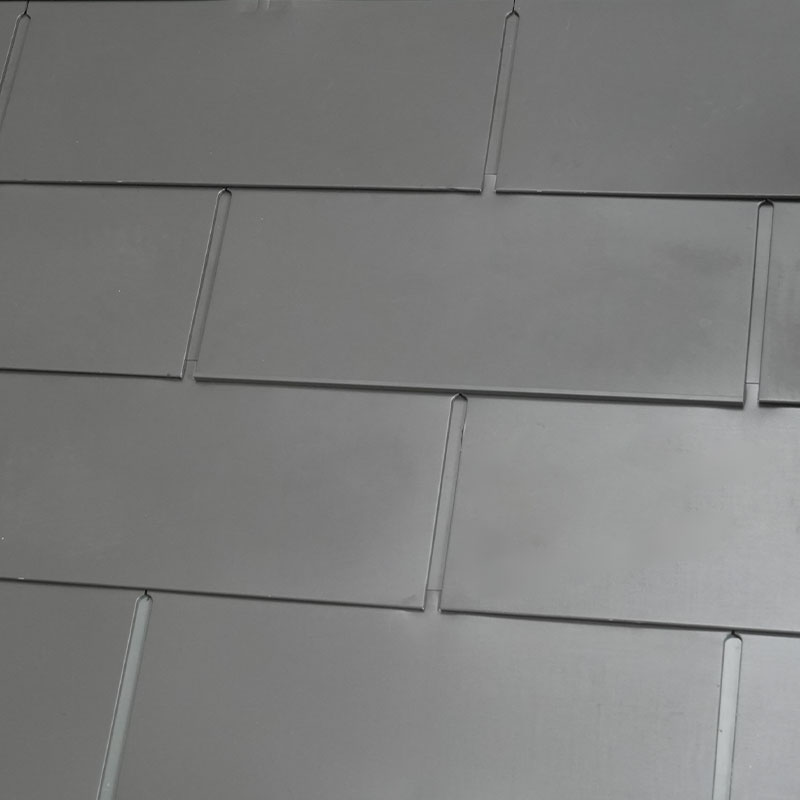
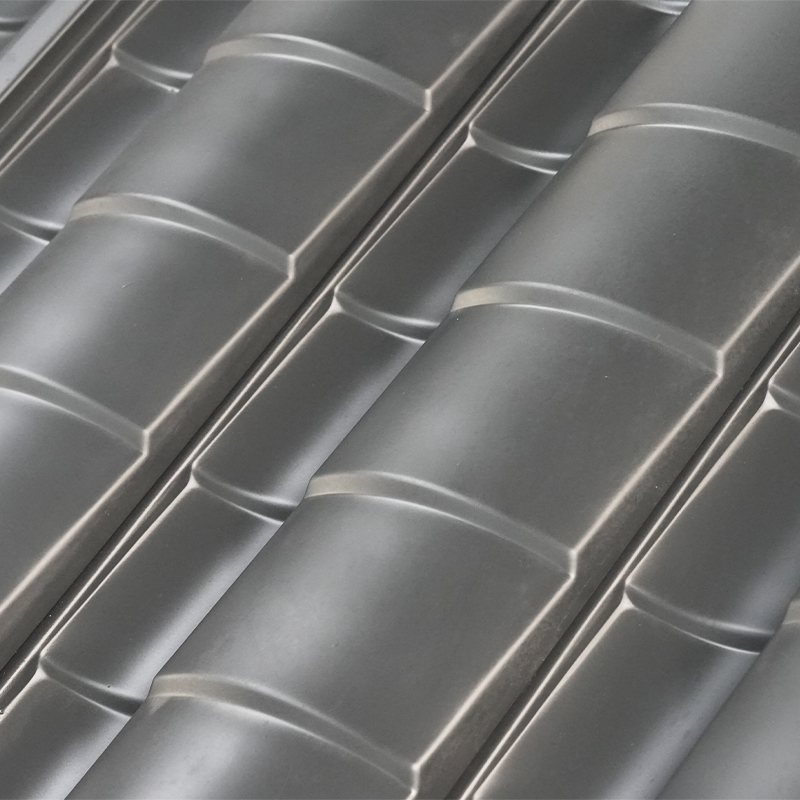
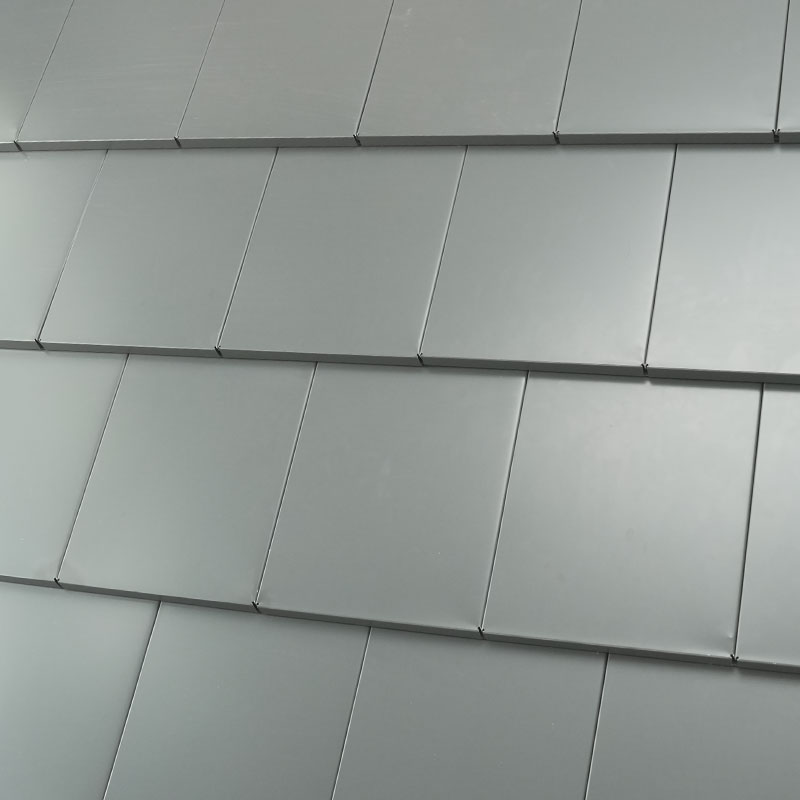
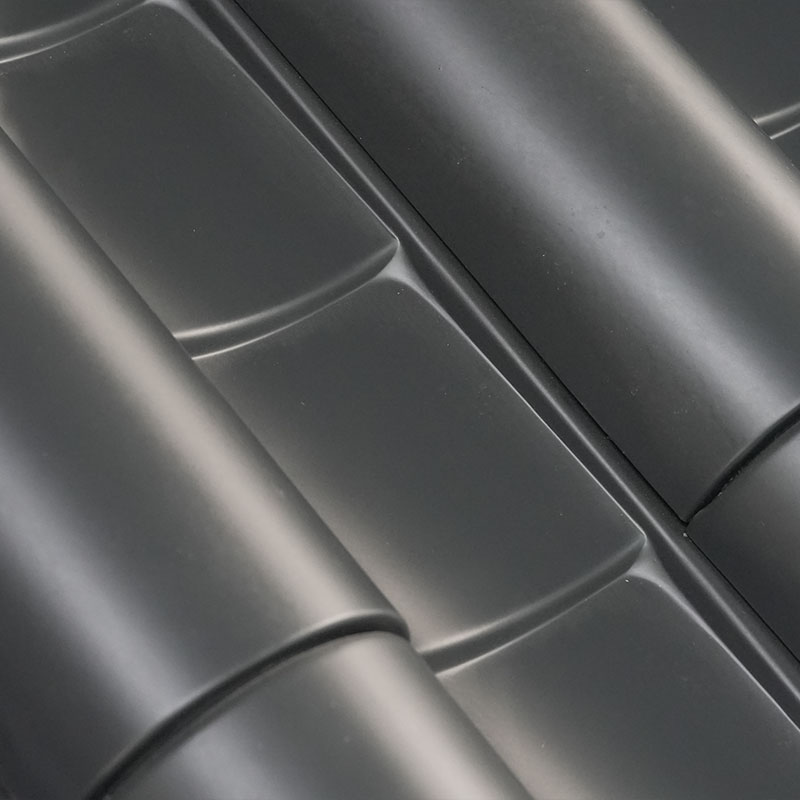
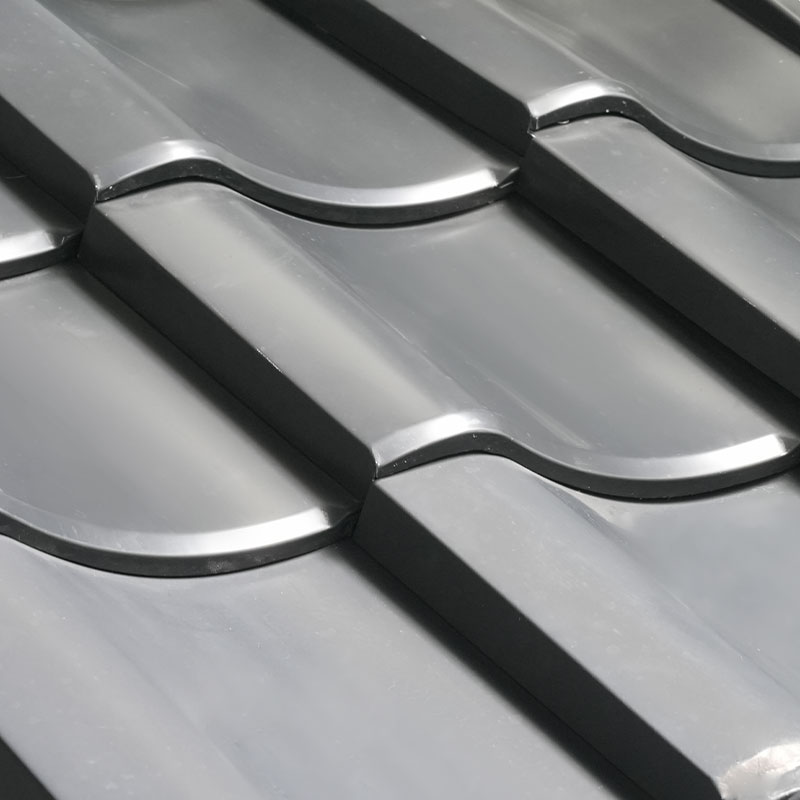
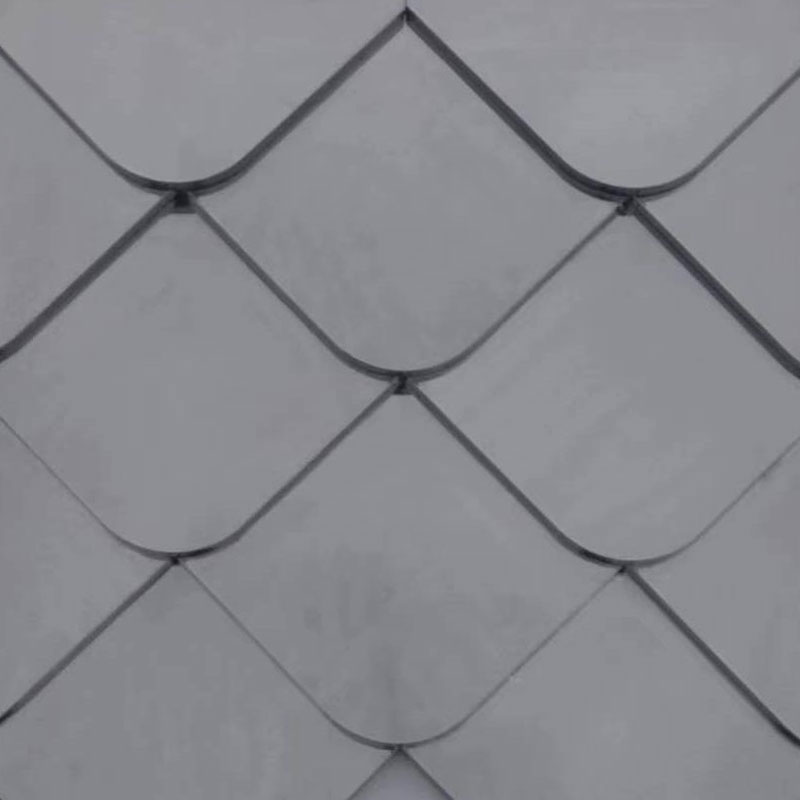
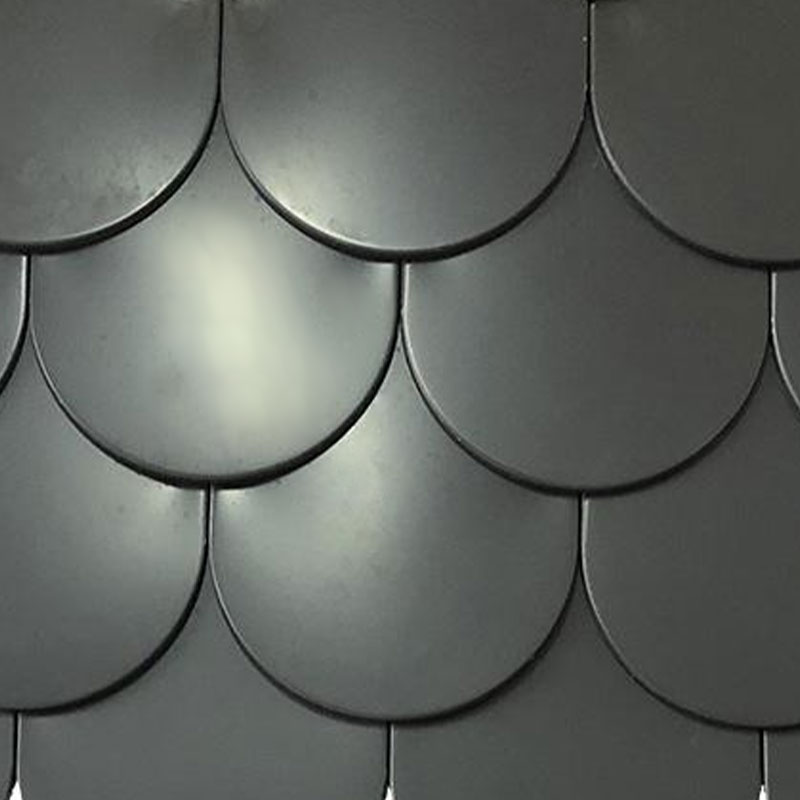
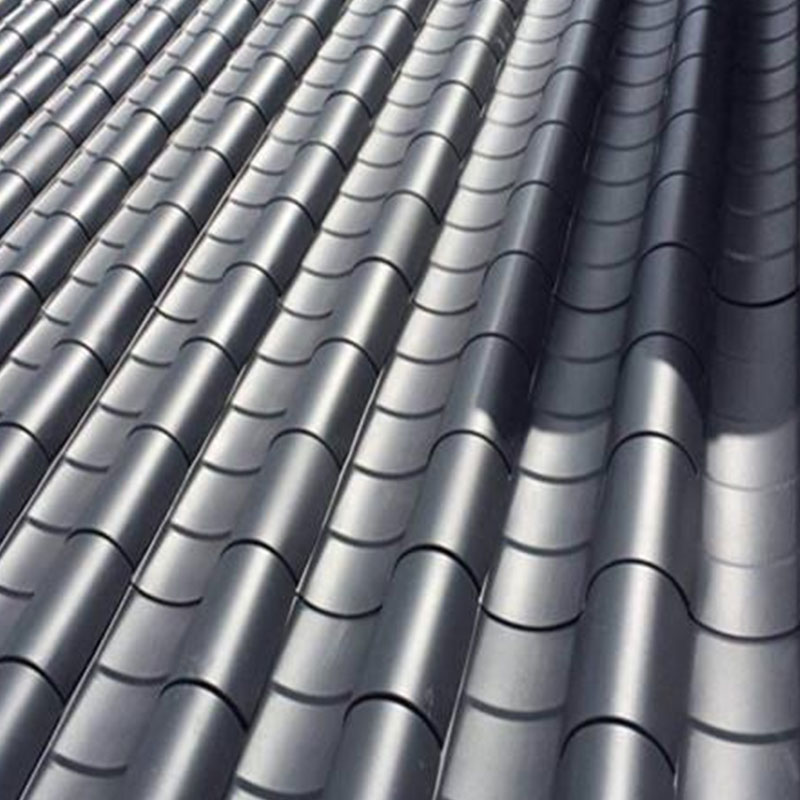
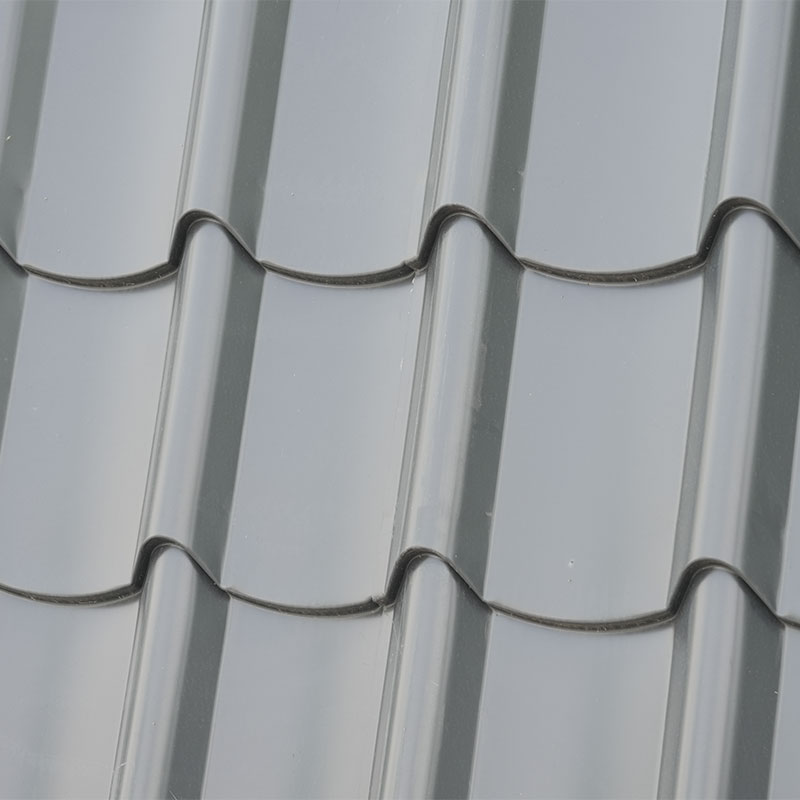
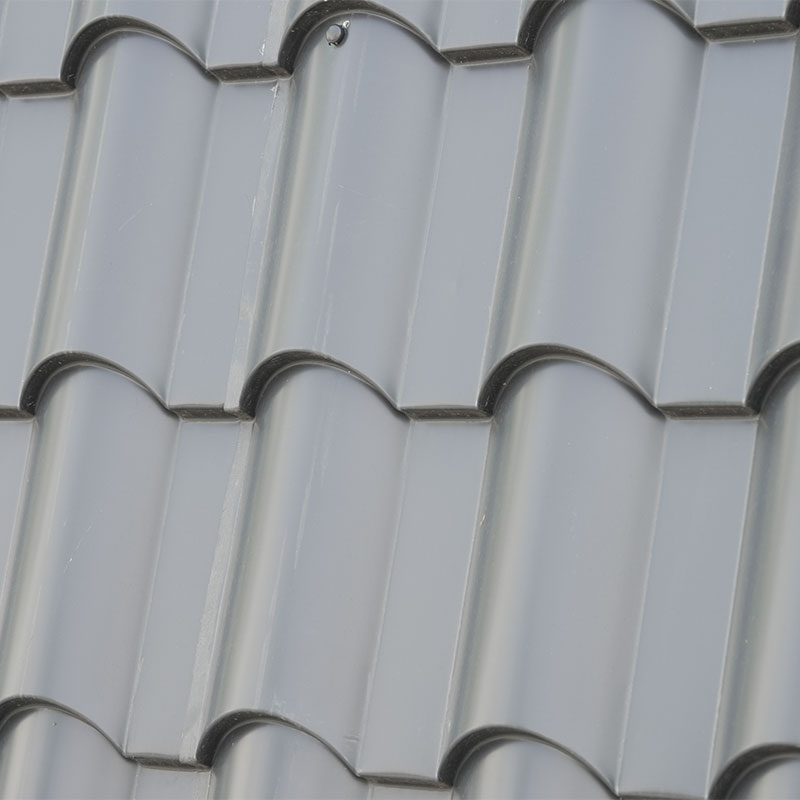
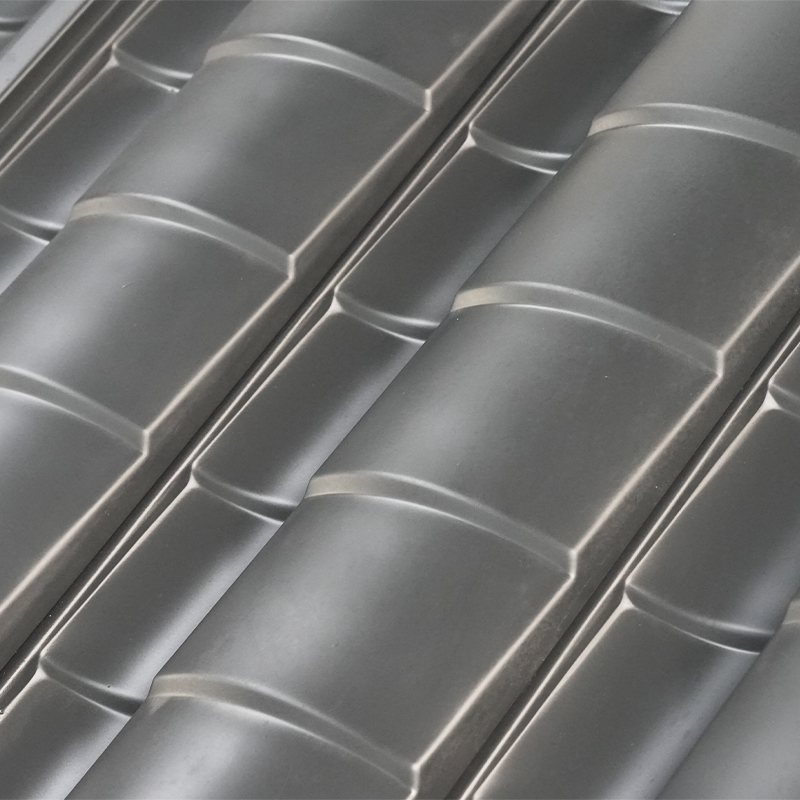
Composite aluminum roofing tile is a high-performance roofing material engineered through the combination of a 3003 series aluminum-manganese alloy face sheet and a modified asphalt base, bonded together under high temperature and high pressure to produce a unified composite panel with properties that neither material could deliver independently. This manufacturing process creates insulated aluminum roof panels that address the primary failure modes of conventional roofing materials — corrosion, thermal degradation, UV-induced surface breakdown, and waterproofing failure — through a layered material system where each component performs a specific protective or functional role.
The construction logic of composite aluminum roofing tile distinguishes it fundamentally from single-material roofing products. Where clay tiles offer durability but no insulation or waterproofing integration, and where standard metal roofing sheets provide structural span but require separate waterproofing and thermal management layers, insulated aluminum roof panels consolidate multiple building envelope functions into a single installed element. This integration reduces installation complexity, eliminates the compatibility and adhesion risks associated with multi-layer systems from different suppliers, and creates a roofing assembly whose performance can be confidently specified and verified as a complete system.
The Aluminum-Manganese Alloy Face Sheet: Material Properties and Self-Protection
The structural and protective face of the composite aluminum roofing tile is manufactured from 0.45mm thick 3003 series aluminum-manganese alloy — a material specification chosen for the specific combination of mechanical strength, formability, corrosion resistance, and long-term atmospheric stability it provides in roofing applications. The 3003 alloy designation indicates an aluminum base with approximately 1.0–1.5% manganese addition, which increases the alloy's yield strength by approximately 20% compared to commercially pure aluminum while maintaining the ductility required for profiling into tile shapes without cracking.
A particularly significant property of the 3003 aluminum-manganese alloy used in insulated aluminum roof panels is its natural self-protective oxide layer. The aluminum plate generates a very hard and dense oxide film (γ-Al₂O₃) in the atmosphere at room temperature, with a thickness of 2.5 to 3.0nm. This oxide layer forms spontaneously and continuously — critically, it possesses a natural repair function, meaning that if the surface is scratched or damaged, exposing fresh aluminum metal beneath, a new oxide film reforms immediately on contact with atmospheric oxygen. This self-healing corrosion protection mechanism operates without any applied coating, maintenance intervention, or chemical treatment, providing a baseline level of corrosion resistance that is intrinsic to the material rather than dependent on an external protective layer that can be compromised by damage or aging.
Fluorocarbon Surface Coating for Long-Term Weather Resistance
The surface of the aluminum alloy in composite aluminum roofing tile receives a fluorocarbon roller coating applied to a thickness of 25 μm. Fluorocarbon coatings — based on polyvinylidene fluoride (PVDF) resin — represent the highest performance category of architectural coating available for metal substrates, with outdoor weather resistance that enables a lifespan of 15 years without fading or pulverizing under standard climatic conditions. The performance credentials of this coating system extend beyond the 15-year standard specification: in German tests conducted over 30 years, no fading or pulverizing occurred, demonstrating that the actual service life of the fluorocarbon coating system substantially exceeds its formal warranty period under the UV radiation, temperature cycling, and precipitation conditions of a northern European climate.
The roller coating application process ensures uniform coating thickness across the full panel width with none of the edge thinning or holiday defects that can occur with spray application methods, providing consistent UV and chemical resistance across the entire exposed surface of the insulated aluminum roof panel. The fluorocarbon chemistry's inherent hydrophobicity causes water to bead and sheet off the surface rapidly, preventing the standing water and moisture retention that accelerates corrosion and biological growth on roofing surfaces with lower surface energy coatings.
Optional Copper Lamination: Premium Aesthetics and Extended Durability
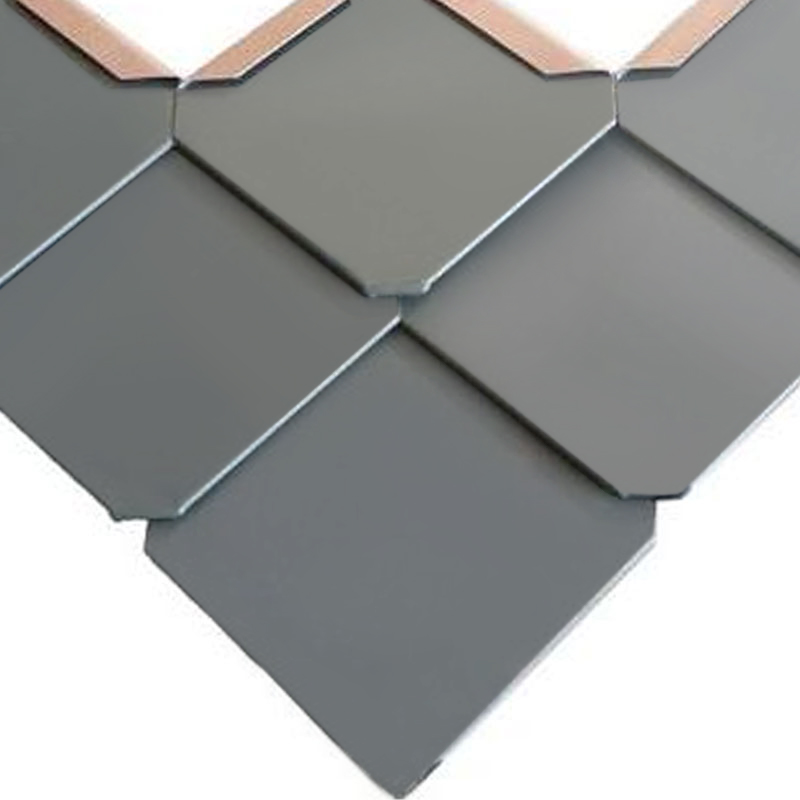
For projects where the highest level of material quality and aesthetic distinction is required, composite aluminum roofing tile can be laminated with 0.2mm thick copper sheet. Copper brings a distinct set of material properties that complement and extend the performance profile of the aluminum composite base. Copper has stable properties, good ductility, good corrosion resistance, is easier to maintain, and has ornamental properties that make it the preferred roofing material for landmark architecture, heritage restoration, and premium residential projects where the evolving patina of copper — progressing from bright bronze through brown and ultimately to the characteristic blue-green verdigris — is valued as an aesthetic feature rather than a degradation product.
The 0.2mm copper lamination applied to the composite aluminum roofing tile provides the visual and material character of solid copper roofing at a fraction of the weight and cost, while the composite panel's structural aluminum substrate and modified asphalt base provide mechanical rigidity, waterproofing performance, and thermal resistance that a thin copper sheet alone could not deliver. This combination makes copper-laminated insulated aluminum roof panels a technically superior alternative to both solid copper roofing and standard metal tiles for projects where copper's aesthetic qualities are the design requirement.
The APP Asphalt Membrane Base: Waterproofing Performance and Lifespan
The base material of the composite aluminum roofing tile is a customized APP (atactic polypropylene) modified asphalt membrane — a polymer-modified bitumen product that substantially outperforms traditional oxidized asphalt in thermal stability, flexibility at low temperatures, and long-term waterproofing reliability. The APP modification changes the molecular structure of the base bitumen, introducing polypropylene chains that raise the softening point and improve resistance to plastic deformation under sustained thermal load.
The thermal performance characteristics of this membrane are precisely specified: no flowing or dripping occurs at high temperatures of 90°C, and no slipping under the mechanical stresses of roof loading and thermal expansion at elevated service temperatures. These properties are critical for roofing applications in hot climates or on south-facing slopes where surface temperatures can exceed 70°C under direct solar radiation — conditions under which standard bitumen membranes would soften, flow, and lose their dimensional stability and waterproofing integrity.
Non-Exposed Asphalt Configuration: The Inverted Waterproofing Principle
The most technically significant aspect of the insulated aluminum roof panel's waterproofing design is that the asphalt base material adopts a non-exposed form, analogous to the inverted waterproof type used in high-performance flat roofing systems. Because the asphalt material is not exposed and cannot be eroded by light, rain, snow, or other atmospheric agents, its lifespan is essentially the same as that of the building itself — an extraordinary durability claim that is technically credible given that the principal degradation mechanisms of asphalt membranes (UV photochemical oxidation, thermal cycling fatigue, and freeze-thaw damage) are all eliminated when the membrane is protected beneath the aluminum face sheet.
This non-exposed configuration addresses the fundamental vulnerability of all conventional exposed waterproofing systems, in which the waterproofing membrane must simultaneously serve as the weather surface and perform its primary waterproofing function — two roles whose requirements are in direct conflict. By placing the waterproofing layer beneath the protective aluminum face, composite aluminum roofing tile separates these functions, allowing each layer to be optimized for its specific role and eliminating the progressive UV and thermal degradation that limits the service life of exposed membrane roofing systems to 15–25 years before replacement is required.
Performance Comparison: Composite Aluminum Roofing Tile vs. Conventional Options
Evaluating insulated aluminum roof panels against the conventional roofing materials they compete with in new construction and retrofit applications reveals the specific performance advantages that justify their specification in demanding projects.
| Property | Composite Aluminum Roofing Tile | Clay / Concrete Tile | Standard Metal Sheet |
| Weight (kg/m²) | 4–6 | 40–60 | 3–5 |
| Integrated waterproofing | Yes — APP membrane base | No — separate layer required | No — separate layer required |
| Coating lifespan | 15+ years (30yr tested) | N/A — surface degrades | 10–15 years typical |
| Self-repairing corrosion protection | Yes — γ-Al₂O₃ oxide film | No | Depends on coating integrity |
| High-temp stability (90°C) | No flow or slip | N/A | Thermal expansion concern |
Installation Advantages and Structural Load Reduction
The low weight of insulated aluminum roof panels — typically 4 to 6 kg per square meter — delivers structural benefits that extend beyond simply reducing the dead load on the roof structure. For retrofit applications on existing buildings, lightweight composite aluminum roofing tiles can frequently be installed over existing worn roofing without removing the old material, eliminating the cost, waste, and structural disruption of a full strip-and-replace operation. The reduced dead load also allows the use of lighter secondary structural members — purlins, rafters, and trusses — in new construction, generating material cost savings that partially offset the premium cost of the composite roofing tile product.
The composite construction of insulated aluminum roof panels also simplifies installation by eliminating the need for separate waterproofing membrane installation below the tile layer — a step that adds time, material cost, and interface risk to conventional tiling projects. The integrated APP asphalt membrane base means that once the panel is correctly fixed to the roof structure, the waterproofing function is complete without additional trades or materials. This single-trade installation capability reduces project management complexity and the risk of interface defects between separately installed waterproofing and cladding layers — one of the most frequent sources of roofing failure in conventional multi-layer systems.
Suitable Applications and Building Types
Insulated aluminum roof panels and composite aluminum roofing tile are suitable across a broad range of building types and climatic environments, with their specific performance characteristics making them particularly well-matched to applications where conventional roofing materials face limitations.
- Residential new build — The lightweight construction of composite aluminum roofing tile reduces structural loading requirements and installation time on new residential projects, while the 30-year-tested coating performance and lifetime waterproofing integrity align with the service life expectations of quality residential construction.
- Roof renovation and re-roofing — The low weight of insulated aluminum roof panels makes them the preferred choice for re-roofing applications where structural capacity cannot support the additional dead load of new clay or concrete tiles, or where avoiding full structural replacement is a project cost objective.
- Commercial and industrial buildings — Large-area commercial roofs benefit from the rapid installation, long maintenance-free service life, and thermal performance of composite aluminum roofing tile, with the non-exposed asphalt base eliminating the periodic membrane replacement that conventional exposed waterproofing systems require.
- Heritage and high-value architecture — Copper-laminated composite aluminum roofing tile provides the aesthetic character of traditional copper roofing on landmark and heritage-adjacent projects, with the technical performance advantages of the composite panel system unavailable in solid copper or traditional tile alternatives.
- Hot climate and high UV environments — The 90°C no-flow asphalt specification and fluorocarbon coating's proven UV resistance make composite aluminum roofing tile particularly well-suited to tropical, subtropical, and high-altitude environments where solar intensity and surface temperatures challenge the thermal stability of conventional roofing materials.