


 English
 русский
 Español
 عربى
عربى
Content
- 1 What Are Insulated Aluminum Roof Panels?
- 2 The Role of Composite Aluminum Panels in Modern Roofing
- 3 Surface Coating Technology and Weather Resistance
- 4 Key Performance Advantages
- 5
- 6 Thermal Insulation and Energy Efficiency
- 7 Installation Considerations and Best Practices
- 8 Applications Across Building Types
- 9 Long-Term Value and Sustainability
What Are Insulated Aluminum Roof Panels?
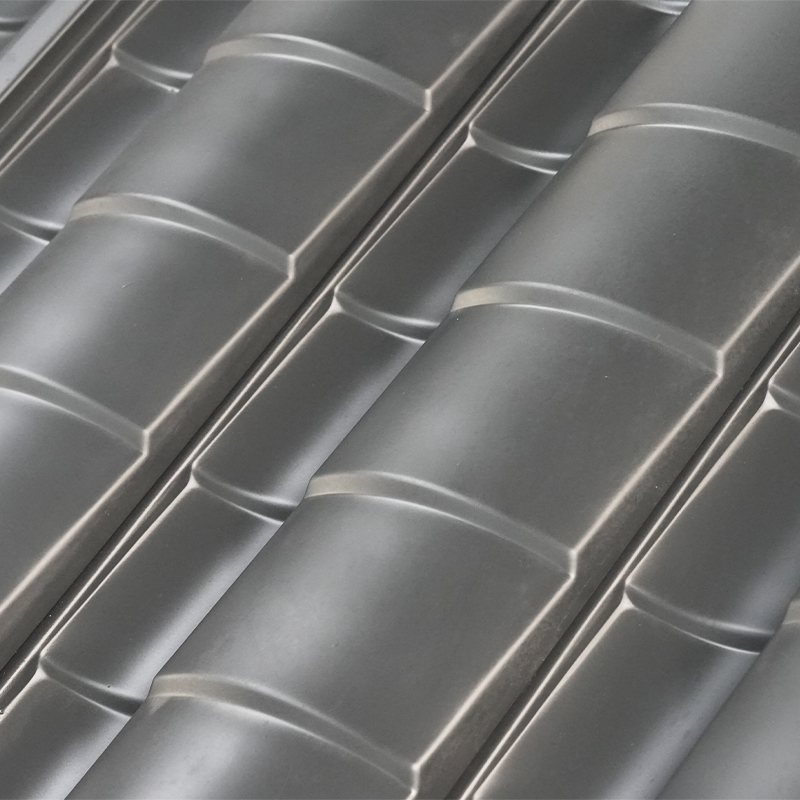
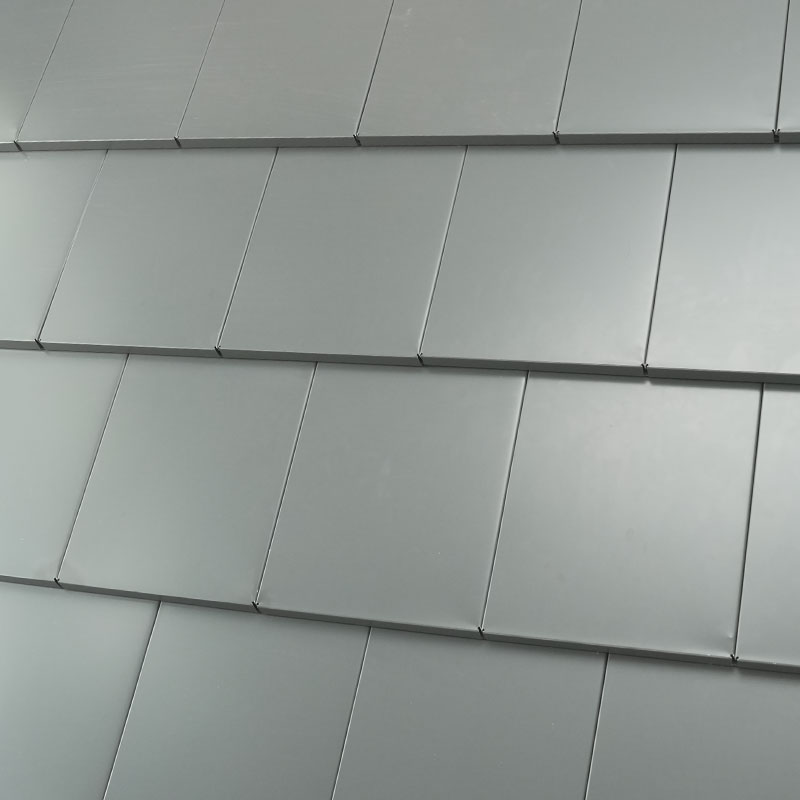
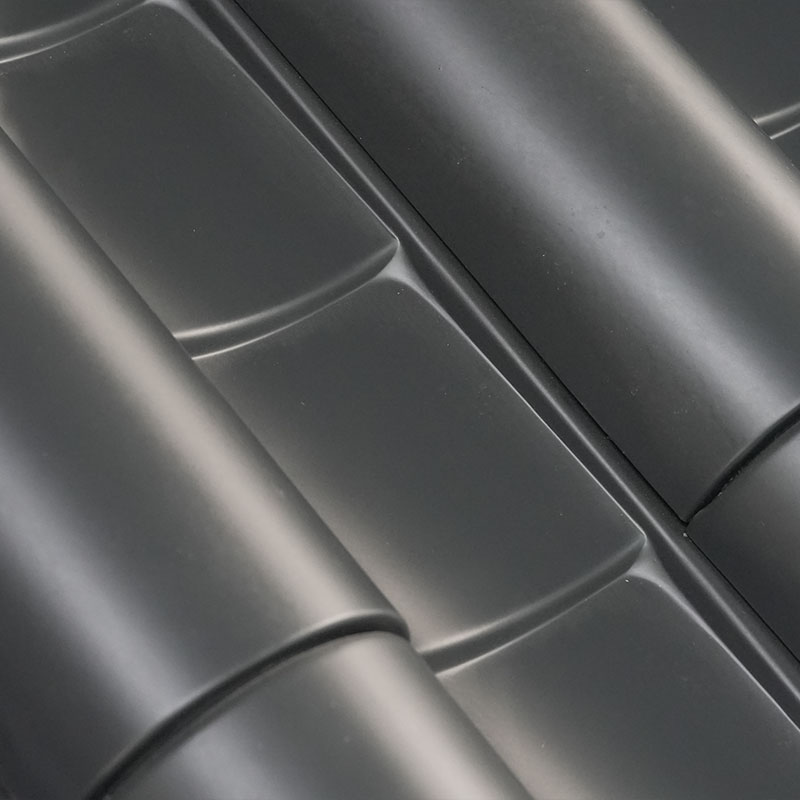
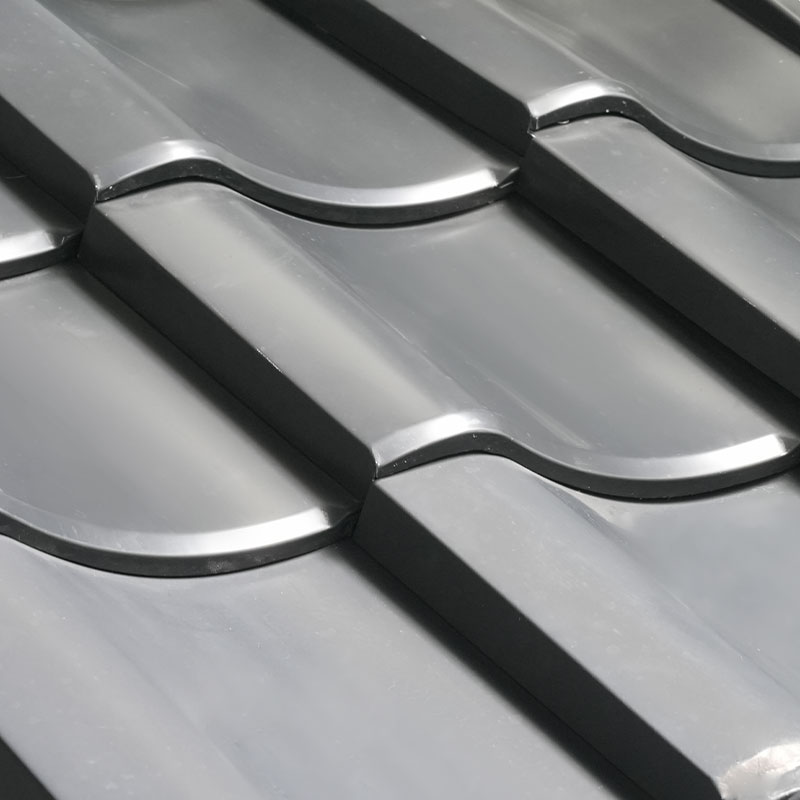
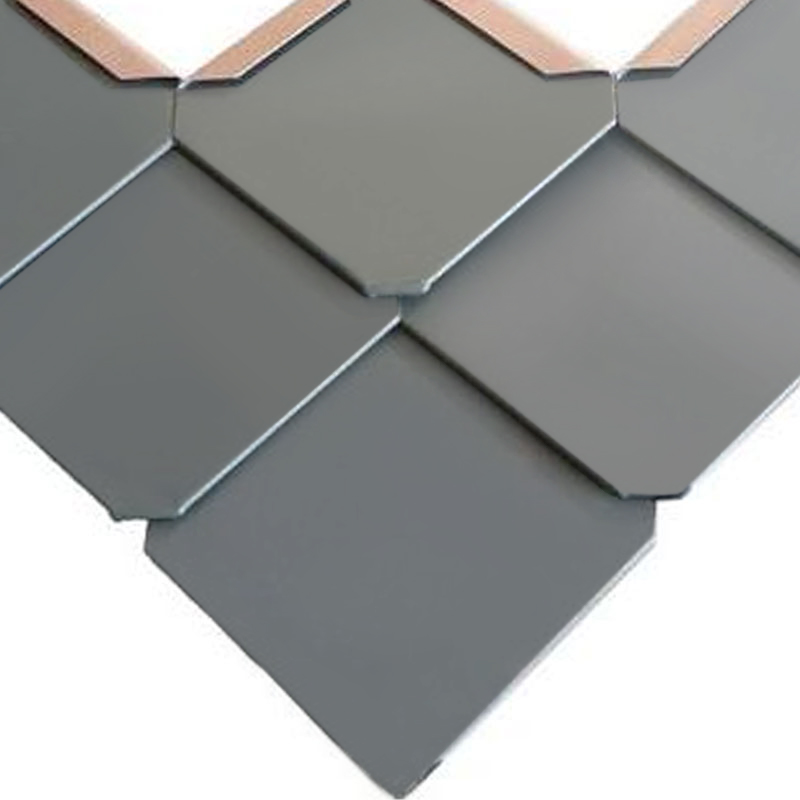
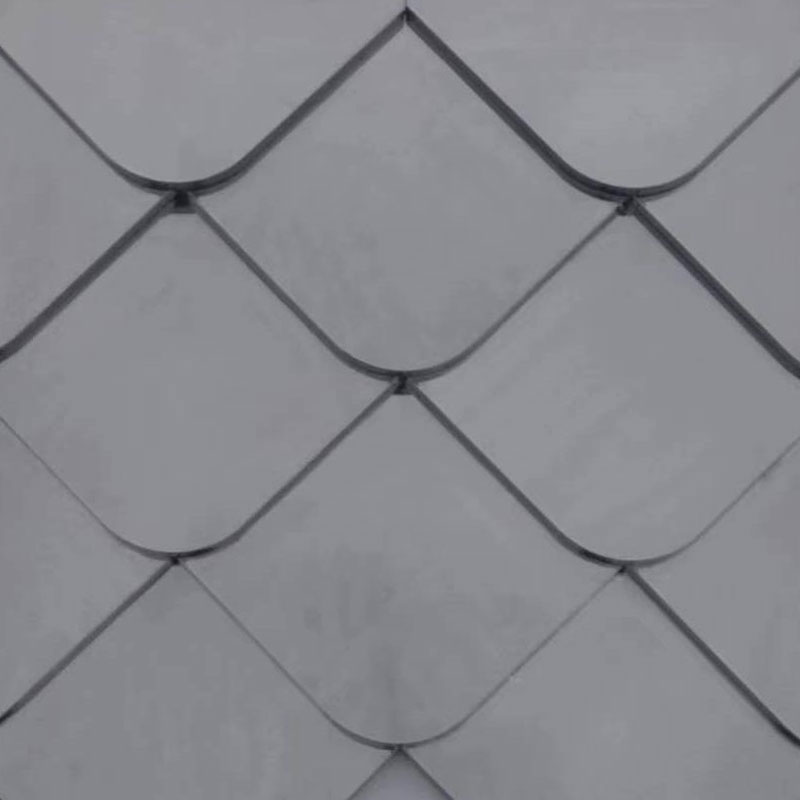
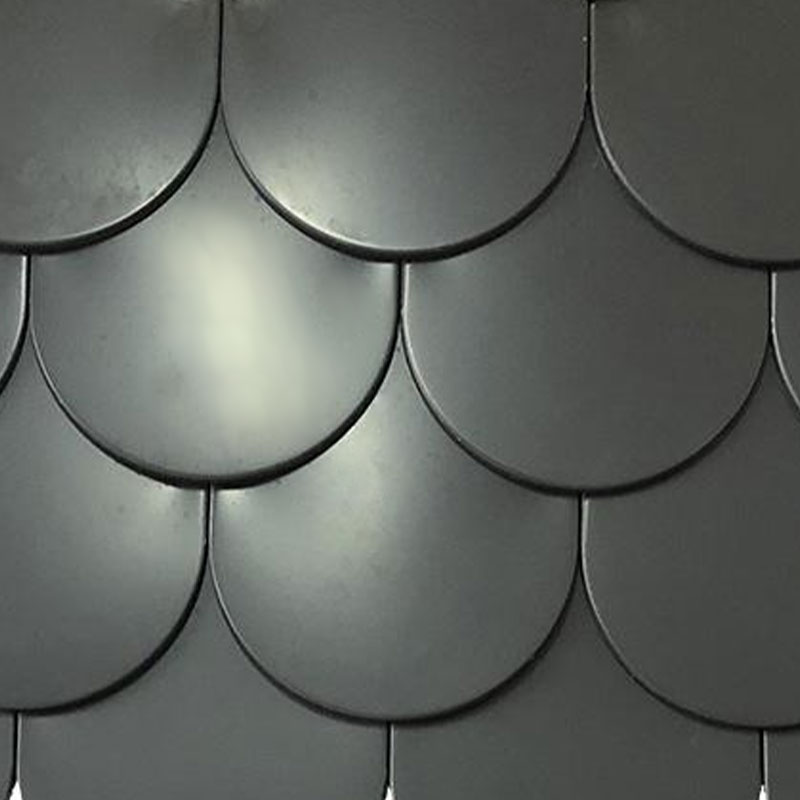
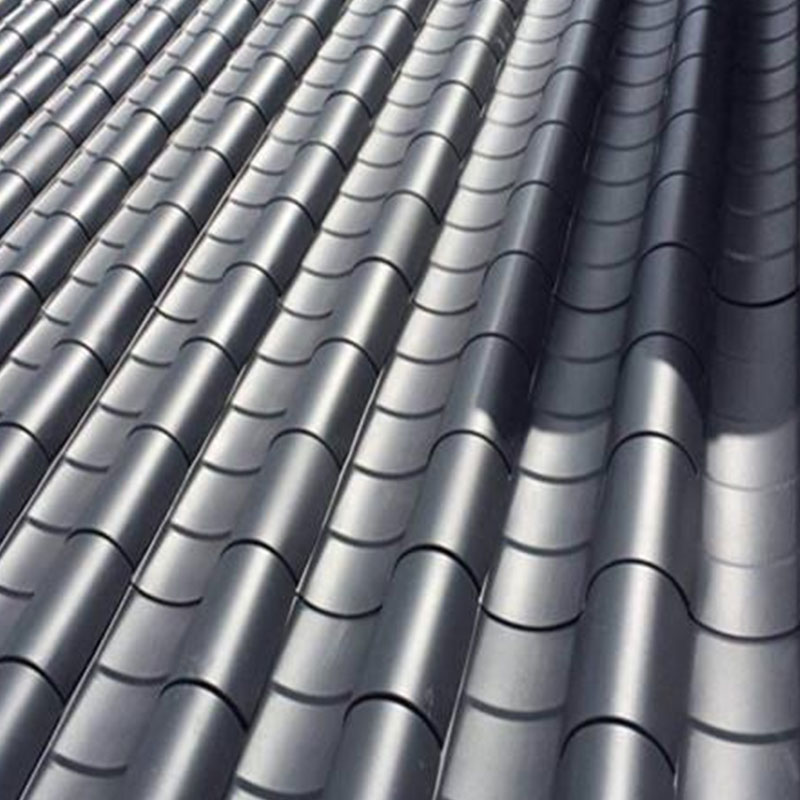
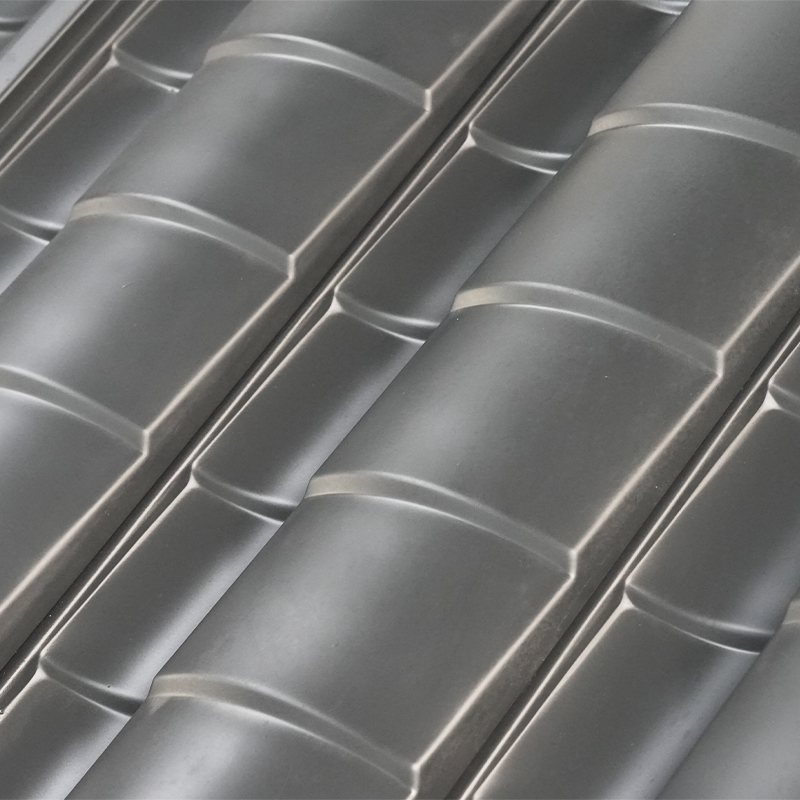
Insulated aluminum roof panels represent one of the most advanced roofing solutions available in modern construction. These panels combine structural aluminum with integrated insulation layers to deliver superior thermal performance, weather resistance, and long-term durability. At the core of many premium products in this category is the use of 3003 series aluminum-manganese alloy — a material engineered for both strength and corrosion resistance. When manufactured under high temperature and high pressure with a modified asphalt base, the result is a Composite Metal Roofing Tile that performs exceptionally well across a wide range of climatic conditions, from humid coastal environments to regions with extreme temperature swings.
The 3003 aluminum-manganese alloy used in these panels is 0.45mm thick, striking an ideal balance between lightweight handling and structural integrity. This alloy is particularly valued because aluminum naturally forms a highly protective oxide film (γ-Al2O3) when exposed to air at room temperature. At just 2.5 to 3.0 nanometers thick, this oxide layer acts as a self-repairing barrier — meaning that if the surface is scratched or abraded, the film regenerates spontaneously, providing continuous protection without any maintenance intervention.
The Role of Composite Aluminum Panels in Modern Roofing
Composite aluminum panels are engineered by bonding two or more dissimilar materials into a unified panel system that outperforms any single material alone. In roofing applications, this typically means combining a rigid or semi-rigid aluminum skin with a functional core — such as modified asphalt, polyurethane foam, or mineral fiber — that adds insulation, sound dampening, or fire resistance. The term "composite" reflects this multi-layer philosophy: each layer is selected for a specific contribution to overall panel performance.
In the context of Composite Metal Roofing Tiles, the composite structure allows the product to combine the weather-shedding capability of metal with the waterproofing and adhesion properties of modified asphalt. This fusion produces a tile that is simultaneously rigid and flexible enough to accommodate thermal expansion, making it suitable for both residential sloped roofs and commercial low-pitch applications. Composite aluminum panels are also significantly lighter than traditional concrete or clay tiles, which reduces the structural load on buildings and simplifies the installation process.
Surface Coating Technology and Weather Resistance
One of the defining features of high-quality insulated aluminum roof panels is the surface coating system. The fluorocarbon roller coating process applied to Composite Metal Roofing Tiles produces a 25-micron-thick finish that is chemically bonded to the aluminum substrate. Fluorocarbon (PVDF) coatings are widely recognized as the gold standard in architectural metal finishes due to their outstanding UV resistance, color stability, and resistance to chemical attack.
This coating technology enables the panels to maintain their appearance for a minimum of 15 years without fading or chalking — a significant advantage over painted steel panels or uncoated alternatives that may begin to degrade within five to eight years under harsh outdoor conditions. The fluorocarbon finish also repels dirt and pollutants, helping the roof maintain a clean appearance with minimal maintenance. For building owners and contractors, this translates directly into lower lifecycle costs and fewer service interruptions.
Key Performance Advantages
Choosing insulated aluminum roof panels over conventional roofing materials offers a range of measurable benefits. The following table summarizes how Composite Metal Roofing Tiles compare against common alternatives across critical performance categories:
| Performance Category | Composite Aluminum Panels | Concrete Tiles | Asphalt Shingles |
| Weight (per m²) | 4–6 kg | 40–50 kg | 10–14 kg |
| Corrosion Resistance | Excellent (self-repairing oxide layer) | Moderate | Low |
| Lifespan | 30–50 years | 20–30 years | 15–20 years |
| Color Retention | 15+ years (PVDF coating) | 5–10 years | 5–8 years |
| Thermal Insulation | High (integrated layers) | Moderate | Low–Moderate |
Thermal Insulation and Energy Efficiency
The insulation performance of insulated aluminum roof panels is one of their most commercially significant attributes. By incorporating a modified asphalt or foam core between the aluminum skins, these panels create a thermal break that significantly reduces heat transfer between the exterior and interior of a building. This is especially valuable in climates with extreme summer heat or cold winters, where roofing accounts for a substantial portion of a building's total heat gain or loss.
Buildings fitted with composite aluminum panels as their primary roofing material often report measurable reductions in HVAC energy consumption. The insulating core prevents thermal bridging, which is a common weakness in uninsulated metal roofing systems. When combined with proper ventilation design and reflective surface coatings, these panels can contribute meaningfully to green building certifications such as LEED or BREEAM.
Installation Considerations and Best Practices
Proper installation is critical to realizing the full performance potential of insulated aluminum roof panels. Because these panels are lightweight relative to traditional materials, they place fewer demands on structural framing — but their interlocking or overlapping joint systems must be installed with precision to prevent water infiltration and panel movement under wind loading.
Key installation guidelines include:
- Always install panels over a clean, structurally sound deck or batten system to ensure uniform support and prevent point loading.
- Use manufacturer-specified fasteners and sealants to maintain the integrity of the fluorocarbon coating at penetration points.
- Allow for thermal expansion gaps as specified in the product data sheet, particularly in regions with large diurnal temperature variations.
- Inspect all panel edges and cut sections for burrs or exposed raw aluminum, and treat these areas with compatible edge sealant to prevent premature oxidation at uncoated surfaces.
- Ensure all flashings and ridge caps are made from compatible materials — ideally the same aluminum alloy — to avoid galvanic corrosion where dissimilar metals make contact.
Applications Across Building Types
The versatility of composite aluminum panels and insulated aluminum roof panels makes them appropriate for a broad spectrum of construction projects. Their light weight and design flexibility allow architects and builders to apply them in contexts where heavier traditional materials would be impractical.
Common application scenarios include:
- Residential homes: Particularly suited for pitched roofs where aesthetic appeal, low maintenance, and long-term color retention are priorities for homeowners.
- Commercial and industrial buildings: Large-span roof systems benefit from the panels' structural efficiency and fast installation, reducing labor costs on expansive roof areas.
- Agricultural structures: Barns, storage facilities, and greenhouses gain weather protection without overloading older structural frames.
- Renovation and re-roofing projects: The low weight of insulated aluminum roof panels allows them to be installed directly over existing roofing in many cases, avoiding costly tear-off and disposal of old materials.
Long-Term Value and Sustainability
From a lifecycle perspective, insulated aluminum roof panels offer compelling sustainability credentials. Aluminum is one of the most recyclable materials on earth — at the end of a roof's service life, the aluminum content can be recovered and reprocessed with only a fraction of the energy required to produce virgin metal. The extended service life of Composite Metal Roofing Tiles, supported by the self-healing oxide film and durable fluorocarbon coating, means fewer replacement cycles over a building's lifetime, which in turn reduces the total material and energy consumption associated with roofing maintenance.
When evaluating the true cost of composite aluminum panels, building owners should consider not just the upfront material and installation expense but the full lifecycle cost — factoring in energy savings from insulation performance, reduced maintenance and recoating cycles, and the residual value of recyclable aluminum at end of life. Across all these dimensions, insulated aluminum roof panels consistently deliver a strong return on investment compared to conventional roofing alternatives.