

 English
 русский
 Español
 عربى
عربى
A procurement manager comparing two aluminum roof panel quotations often sees the same base metal on both pages. One lists a total solar reflectance of 0.72, the other 0.78, and the price difference is small. That number almost never comes from the aluminum itself. It comes from the coating stack, the surface texture, the profile geometry, and the way the panel behaves after five rainy seasons.
Bare polished aluminum reflects roughly 85 to 92 percent of visible light and up to 98 percent in the thermal infrared. A finished architectural panel can land anywhere between 20 and 75 percent total solar reflectance depending on pigment, gloss and soiling. Those two facts explain most of the confusion around aluminum reflectance.
Core conclusion: reflectance belongs to a surface system, not to a metal. Specify total solar reflectance together with thermal emittance and SRI, name the test method, and agree on a cleaning regime before the order is placed. Any single reflectance figure presented without those three companions is an indication, not a guarantee.
Content
- 1 What Reflectance of Aluminum Actually Measures
- 2 Spectral Reflectance of Aluminum, Band by Band
- 3 Why an Installed Roof Rarely Matches the Lab Number
- 4 Beyond Reflectance: Emissivity, SRI and Where the Metric Matters
- 5 Selection Guide: Matching Reflectance to the Project
- 6 Maintenance and Compliance: Keeping Reflectance Predictable
What Reflectance of Aluminum Actually Measures
The first question to settle is which reflectance the specification means, because the same polished aluminum sample can be quoted as 90 percent or 60 percent depending on the measurement geometry and the wavelength range behind the number.
Total (hemispherical) versus specular reflectance
Total reflectance collects every reflected ray, including the diffuse portion scattered by a brushed, embossed or etched surface. Specular reflectance counts only the ray leaving at the same angle as the incoming beam. Optical components live on specular values. Building envelopes live on hemispherical values, because a roof and a facade receive light from every direction, not from a single lamp.
Broadband versus spectral values
A spectral curve describes reflectance wavelength by wavelength. A solar-weighted value averages that curve against the solar spectrum from roughly 300 to 2500 nm, following ASTM E903. Aluminum has a characteristic dip near 800 nm, so a single reading taken at 550 nm will overstate the solar performance of a bright panel by several points.
Total reflectance
Direct plus scattered reflection. The relevant number for roofing, cladding and daylight studies.
Specular reflectance
Mirror-like reflection only. Sensitive to oxidation, etching and micro-roughness before total reflectance moves.
Solar-weighted reflectance
A single figure spanning ultraviolet, visible and near-infrared. This is what cool-roof programmes recognise.
Thermal emittance
Not a reflectance term, but it decides how fast an absorbing surface releases heat. Never request one without the other.
Spectral Reflectance of Aluminum, Band by Band
Silver mirrors still beat aluminum in the visible band, reaching 95 to 99 percent, but they cost more, tarnish faster and perform worse in the ultraviolet and far infrared. Aluminum wins in architectural and industrial work because its reflectance curve is broad, stable and affordable across the whole solar spectrum.
Why an Installed Roof Rarely Matches the Lab Number
Five effects separate a polished coupon from a finished roof, and only one of them is controlled by the owner after handover.
Typical visible reflectance after real-world losses
about 90%
about 80%
about 68%
about 60%
about 25%
- Oxidation. Aluminum forms a 2 to 4 nm native oxide within minutes of exposure. In coastal or acidic environments that layer thickens and roughens, cutting specular reflectance first and total reflectance later.
- Soiling. Even a thin dust film removes several points from a visible reading, and biological growth on shaded slopes does considerably more.
- Pigment loading. Colour comes from pigments and fillers, and every pigment absorbs part of the spectrum it is meant to reflect.
- Profile self-shading. Fish-scale, diamond and overlapping profiles shade their own lower courses, so the sky-facing area is smaller than the installed panel area.
- Cleaning interval. This is the only variable an owner can still influence once the roof is complete.
Beyond Reflectance: Emissivity, SRI and Where the Metric Matters
Reflectance alone does not predict heat gain. Thermal emittance describes how efficiently a surface radiates absorbed energy back as longwave infrared. Bare, uncoated aluminum sits near 0.05 to 0.10, meaning it reflects strongly but sheds heat poorly once it does absorb. The Solar Reflectance Index combines both figures, which is why coated aluminum roofing is normally specified by SRI rather than by reflectance. Widely used programme thresholds sit at SRI 78 for low-slope roofs and SRI 29 for steep-slope roofs, so always confirm against the edition and credit your project is registered under.
Where reflectance is written into a purchase document
- Roofing and facade cladding, about 42%
- Optical coatings and mirrors, about 23%
- Lighting reflectors, about 15%
- HVAC, appliances and insulation, about 12%
- Automotive and other uses, about 8%
The split is an indicative view of engineering attention rather than a market-size estimate, but it shows why building products dominate the conversation.
Selection Guide: Matching Reflectance to the Project
Name the metric and the test. Request total solar reflectance measured to ASTM E903 in a laboratory, or ASTM C1549 with a portable reflectometer for field checks, and require the emittance value beside it. ASTM E1980 converts both into SRI.
Match the finish to the heat load. A light grey or white finish keeps near-infrared reflectance high; a dark bronze in the same coating system can lose half of the total solar reflectance. Infrared-reflective pigments narrow that gap but do not erase it.
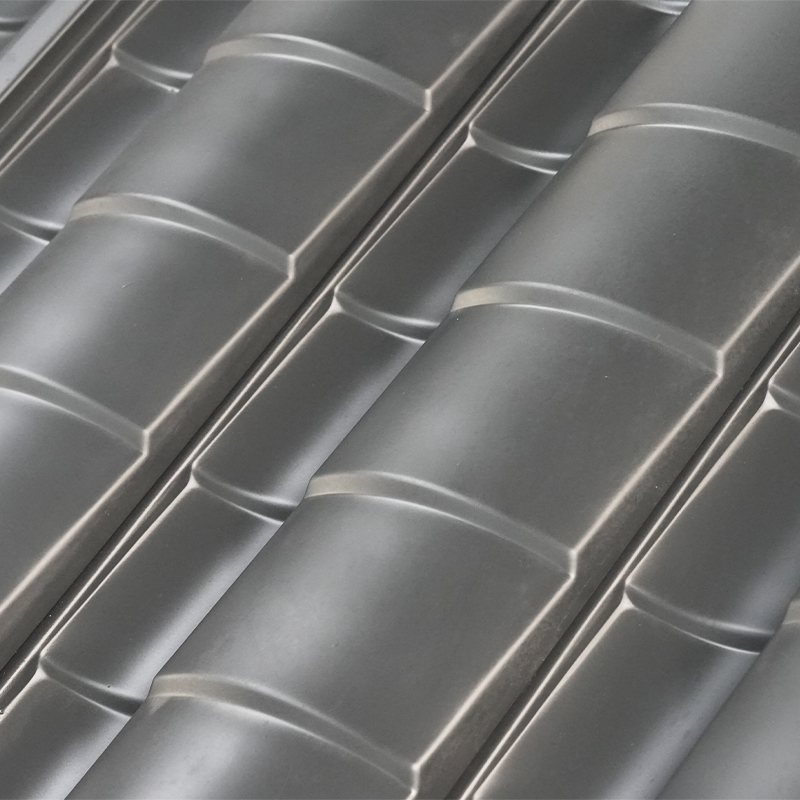
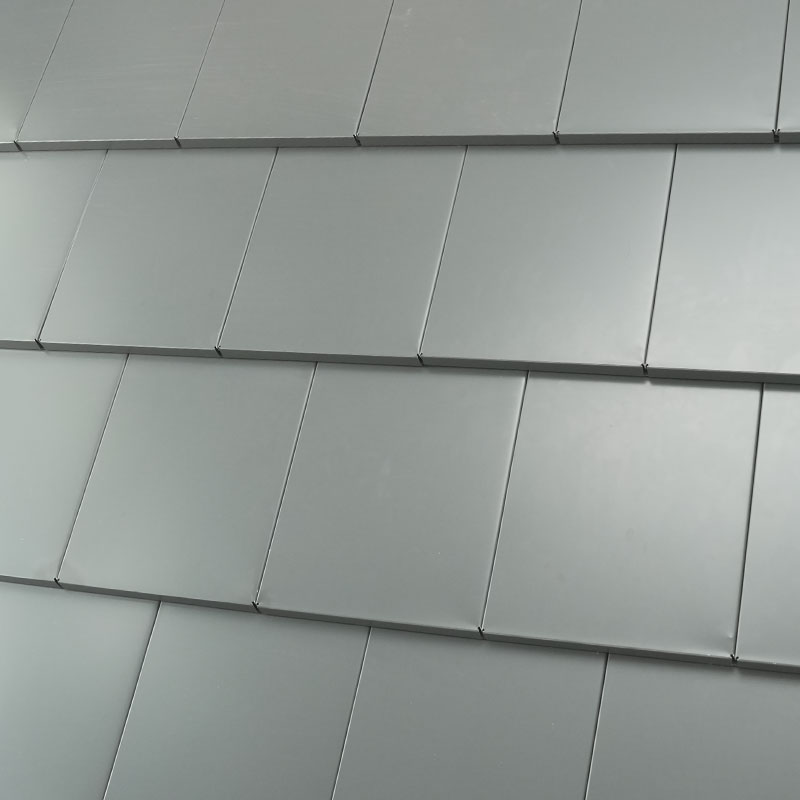
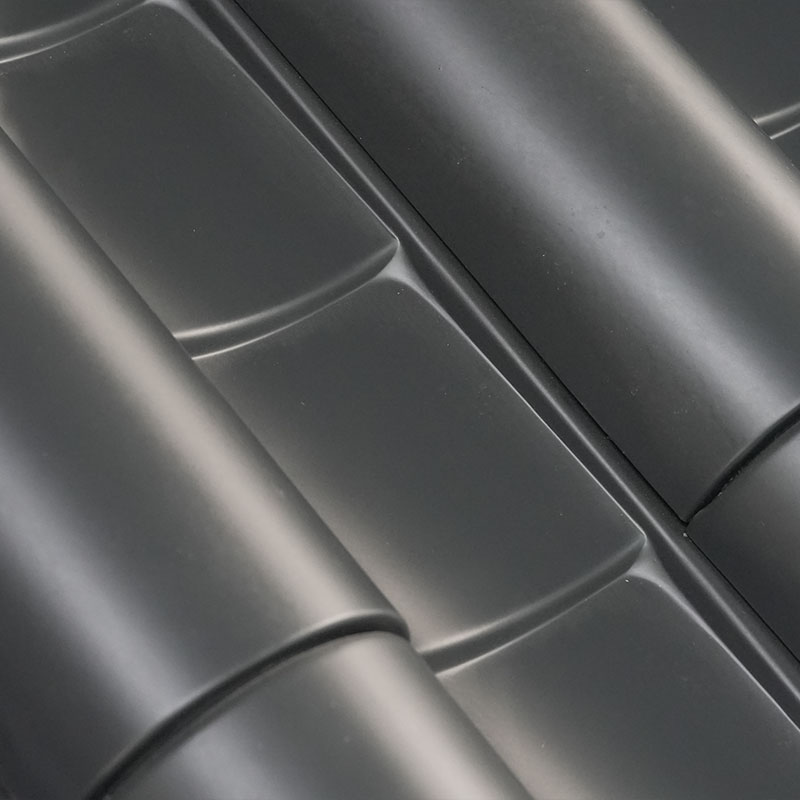
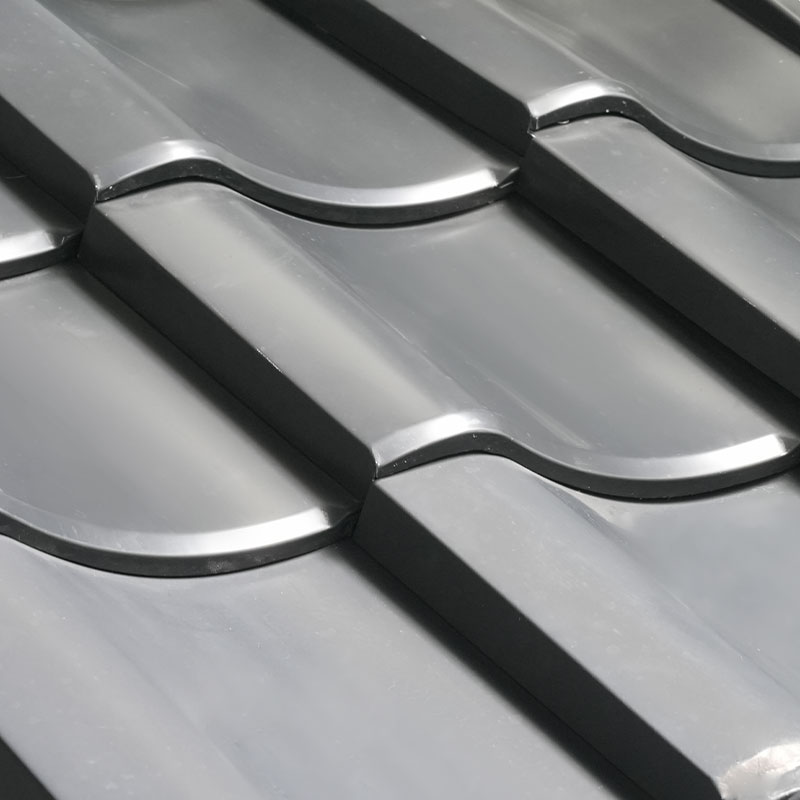
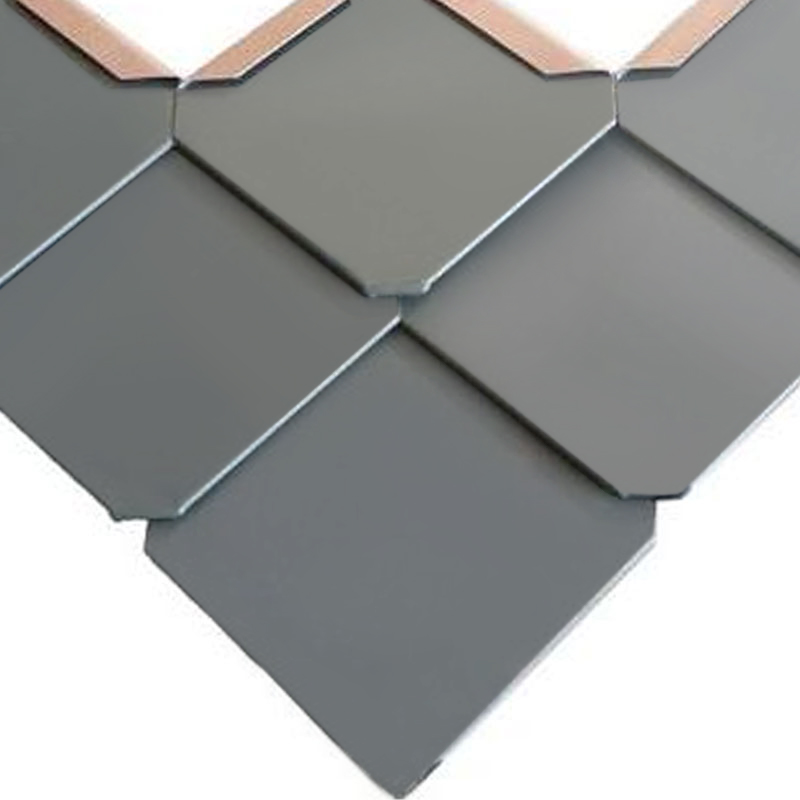
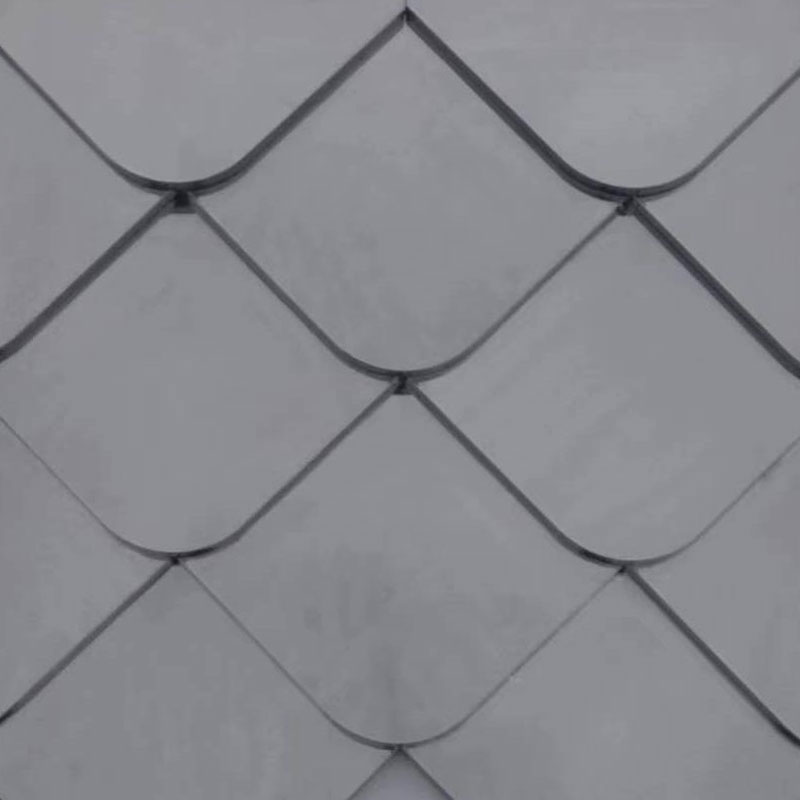
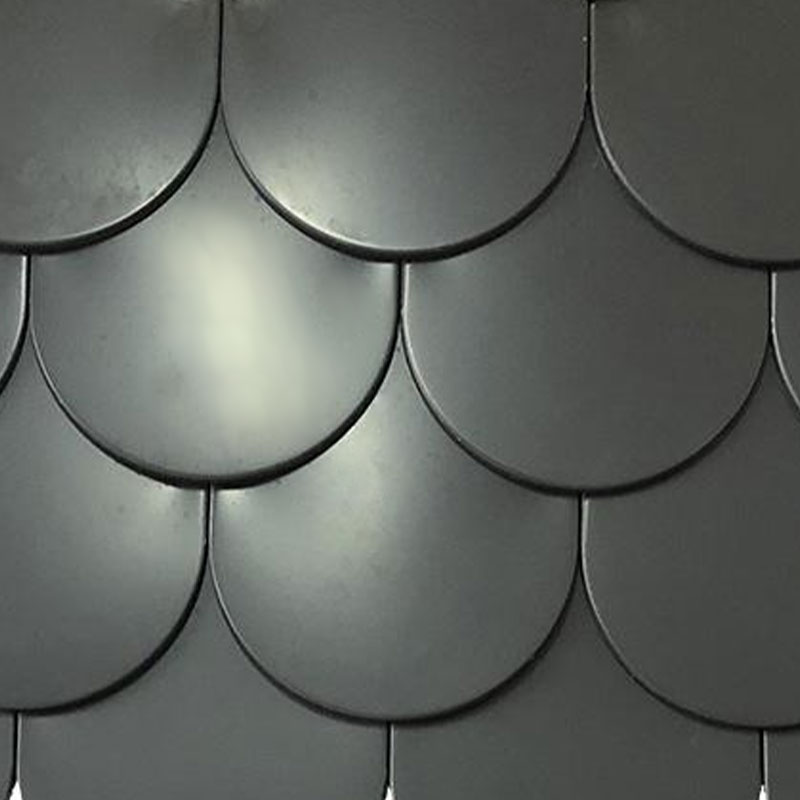
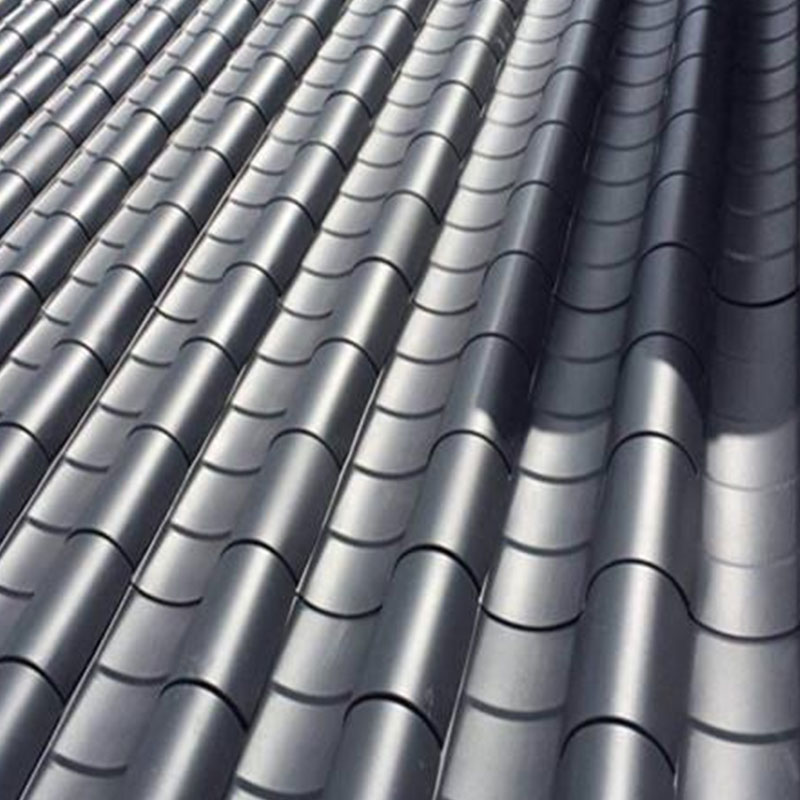
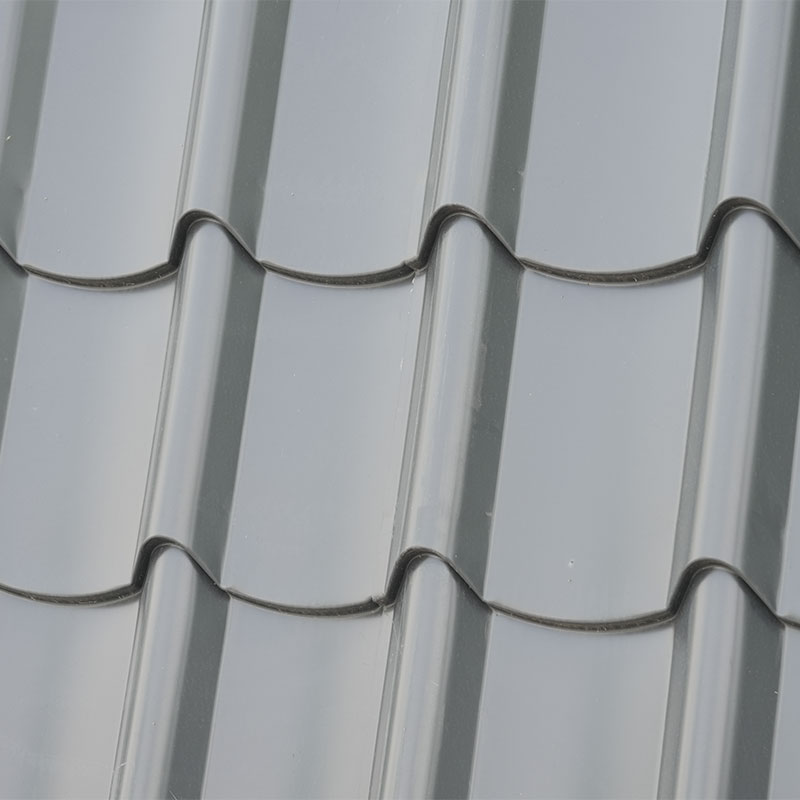
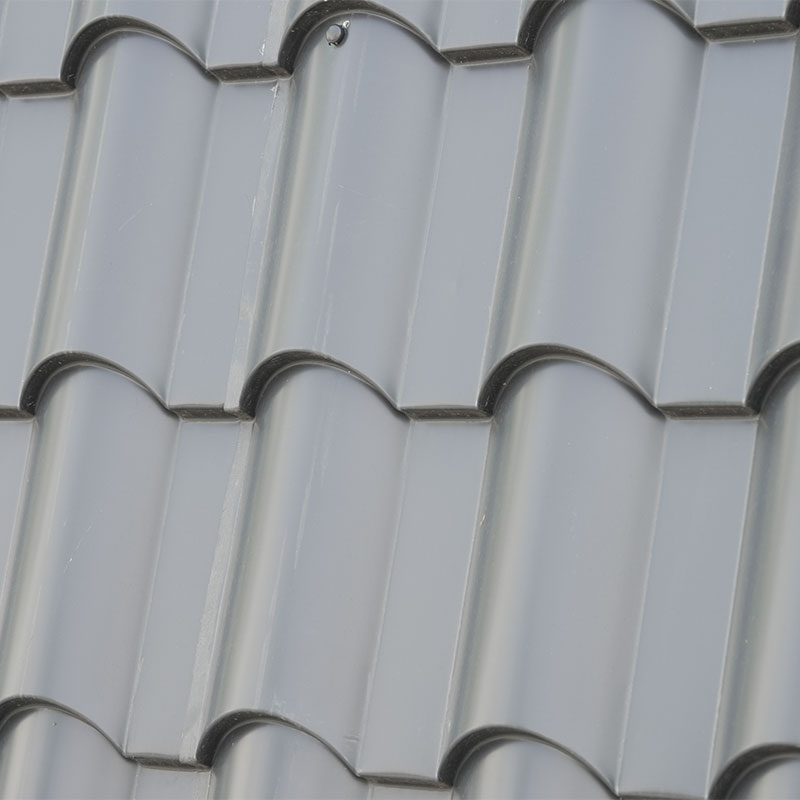
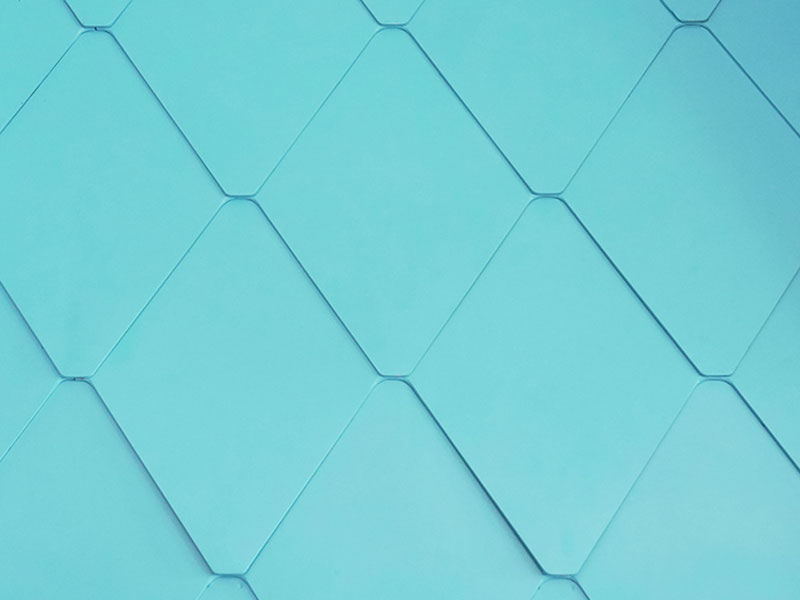
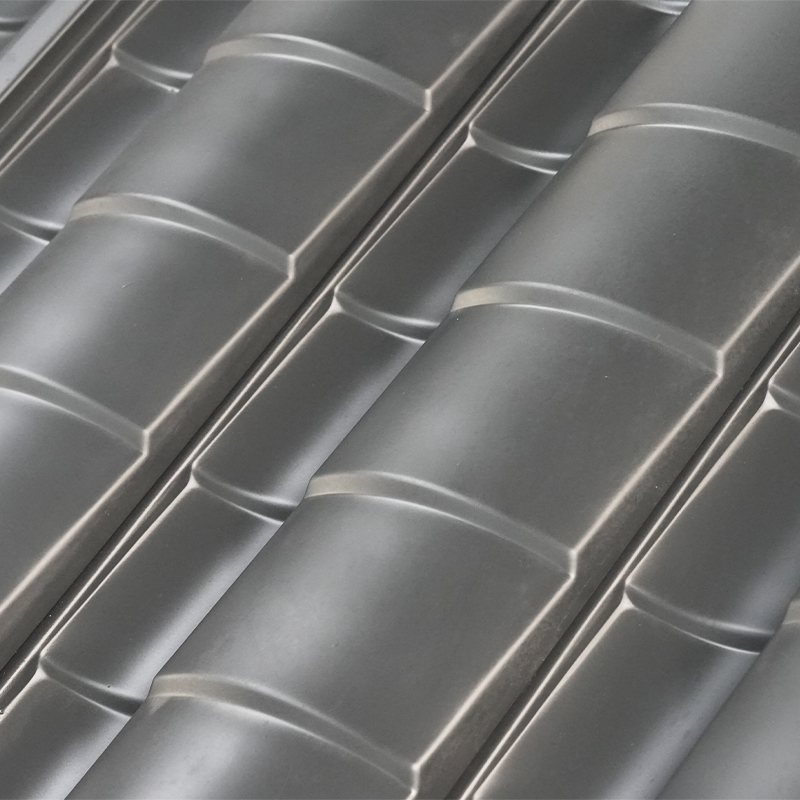
Read the profile as a shading device. Flat and standing-seam panels present a continuous surface to the sky. Fish-scale, diamond and cylindrical profiles trade a few points of effective reflectance for texture and heritage appearance, which is often the right choice on a restoration project but needs to be priced in on a heat-driven one.
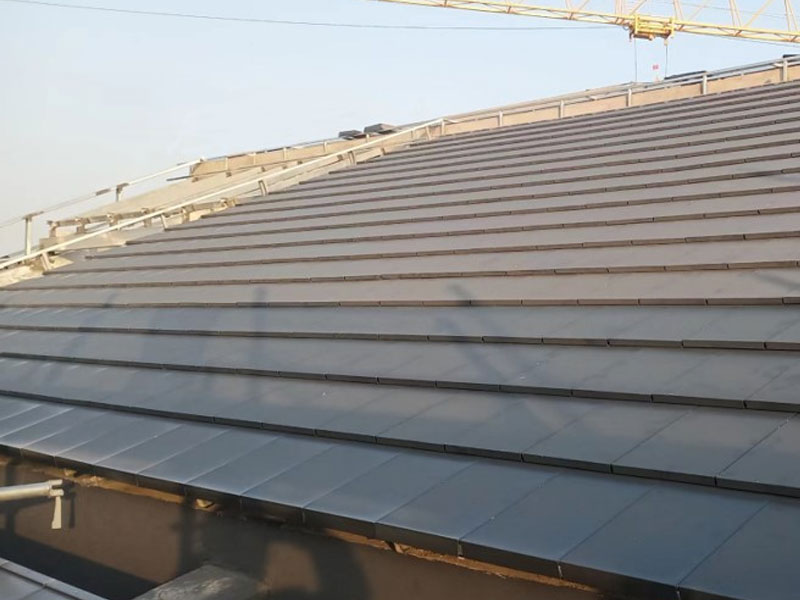 Flat Aluminum Magnesium Manganese Roofing Tile with Fluorocarbon CoatingThis flat Al-Mg-Mn tile offers a uniform appearance and multi-layer fluorocarbon finish; review its coating system details for long-term color and gloss retention.View Product →
Interrogate the coating, not the alloy. For architectural aluminum, fluorocarbon coating systems are the default for colour and gloss retention. Ask for resin content, dry film thickness and adhesion results, because a 70 percent PVDF system behaves very differently from a polyester finish after ten years of ultraviolet exposure.
Confirm the assumption behind the warranty. Most reflectance warranties assume a cleaning frequency and an ordinary urban site. Near a highway, a quarry or a salt line, ask which cleaning interval keeps the warranted value valid, and put that interval in the handover manual.
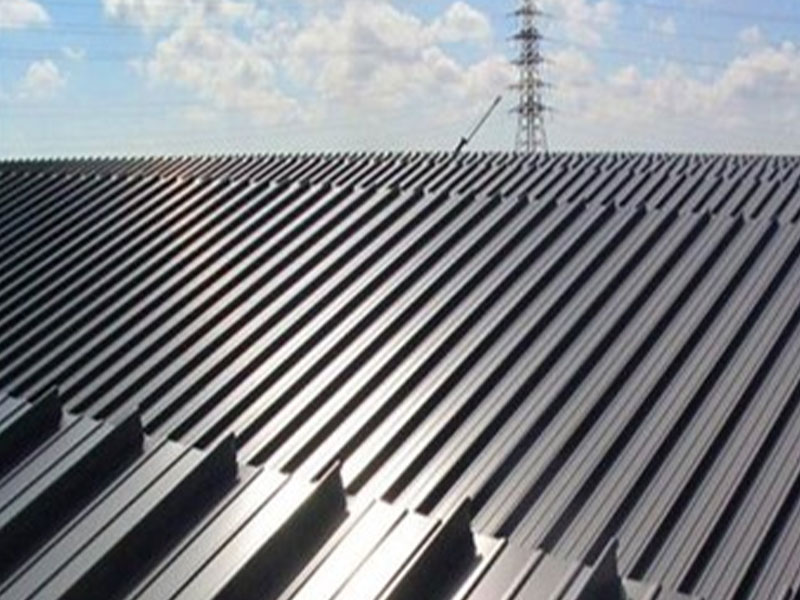 Aluminum Magnesium Manganese Standing Seam Metal Roof TileStanding seam Al-Mg-Mn roofing tile with oxide film and coatings; check cleaning intervals to manage reflectance drift and warranty compliance.View Product →
Maintenance and Compliance: Keeping Reflectance Predictable
Oxide growth and surface deposits are what make reflectance drift, so maintenance belongs in the specification rather than in a janitorial schedule written after handover.
- Clean with pH-neutral detergents and soft brushes. Alkaline masonry cleaners attack both the oxide layer and the fluorocarbon film, while abrasive pads polish away the pigment that provides the colour.
- Wash within the first 12 months after handover, then annually in ordinary urban conditions. Coastal, industrial and highway-edge sites usually need two passes per year.
- Inspect gutters and downpipes during the same visit. Standing water and copper runoff leave deposits that stain panels and pull reflectance down long before the coating fails, and copper above aluminum creates a galvanic staining risk that is cheaper to design out than to clean off.
- Keep the submittal pack complete: solar reflectance and emittance declarations with test methods, coating system data, and the material classification needed for the fire strategy of the building.
- Record the finish and the fixing system in the maintenance log. Aluminum is highly recyclable, and a documented finish history supports end-of-life recovery and future refurbishment decisions.
Keeping the panels, trims and drainage inside one verified roof system source makes those checks far easier to enforce, because a single supplier owns the finish compatibility of the whole assembly.
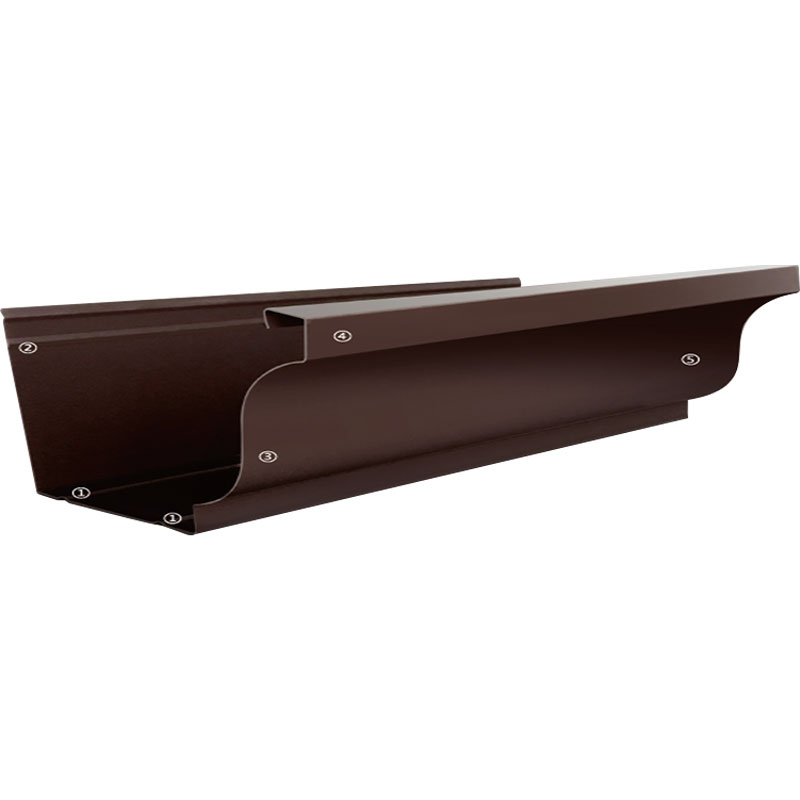
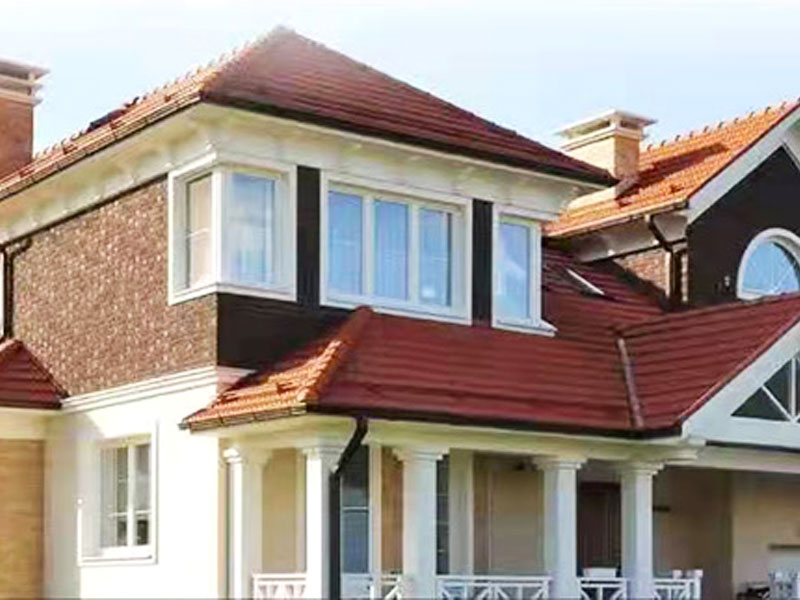 Manganese Aluminum Alloy Roof Gutter with Double Water StopRoof gutter in manganese-aluminum alloy with double water stop and oxide coating; view it for coordinated finish and corrosion resistance in roof drainage systems.View Product →
Aluminum reflectance is a strong starting point, not a finished promise. Polished metal sets the ceiling at roughly 90 percent in the visible band and close to 98 percent in the thermal infrared, and the surface system installed on a building sets the real working value somewhere beneath it.
For any upcoming project, request four items together: total solar reflectance with the test method named, thermal emittance, the resulting SRI, and the cleaning interval the warranty depends on. Reviewed side by side, those four numbers turn a vague claim about shiny metal into a specification a contractor can actually be held to.