

 English
 русский
 Español
 عربى
عربى

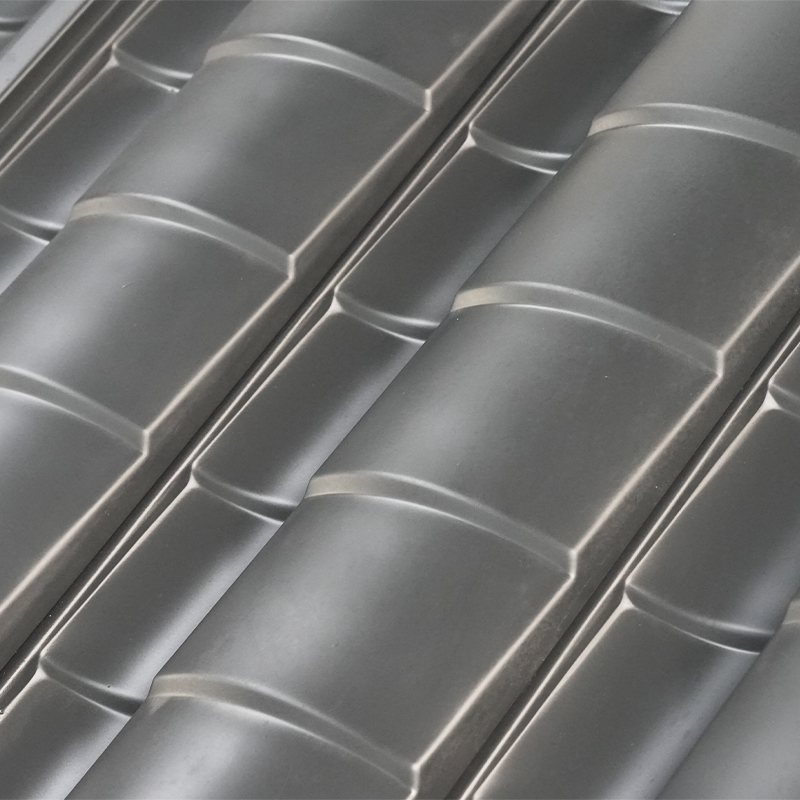
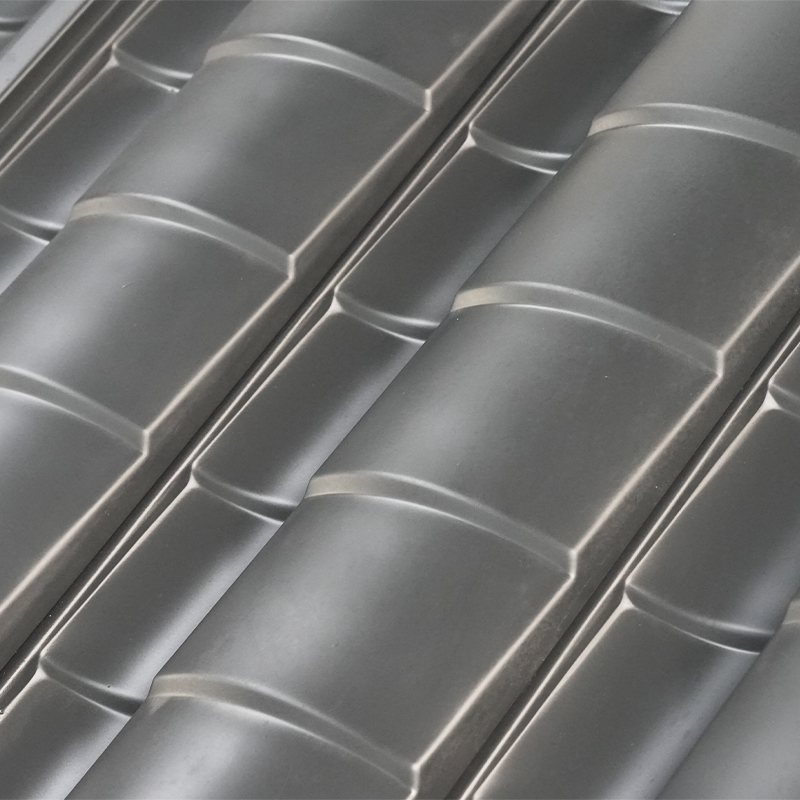
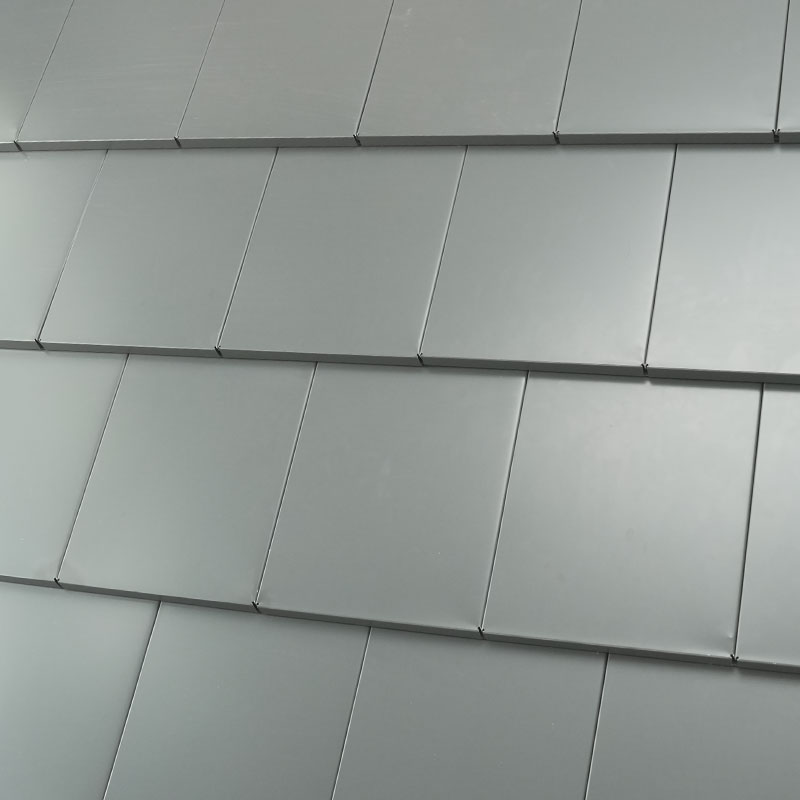
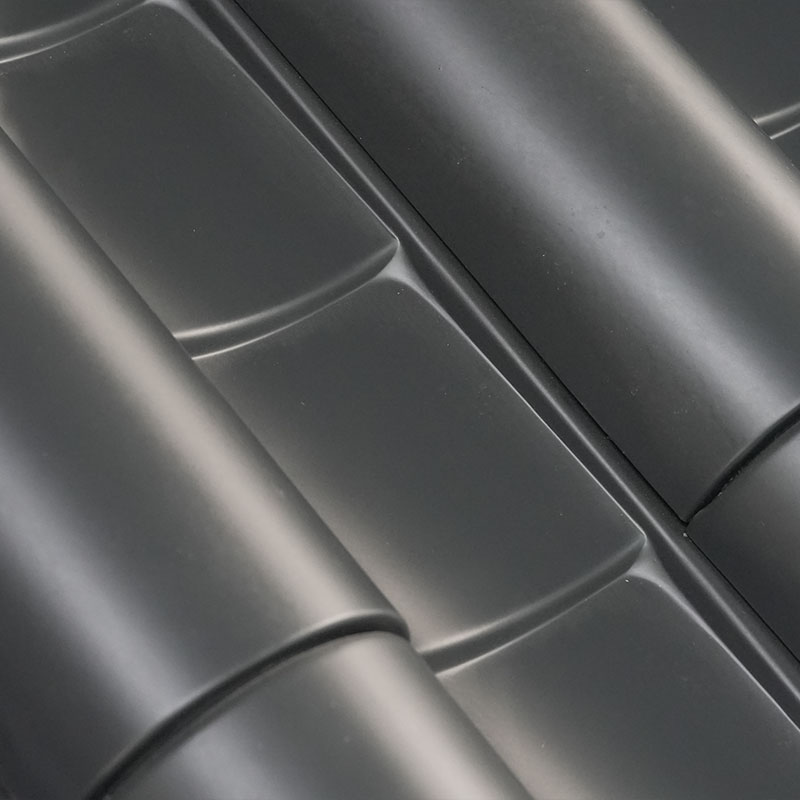
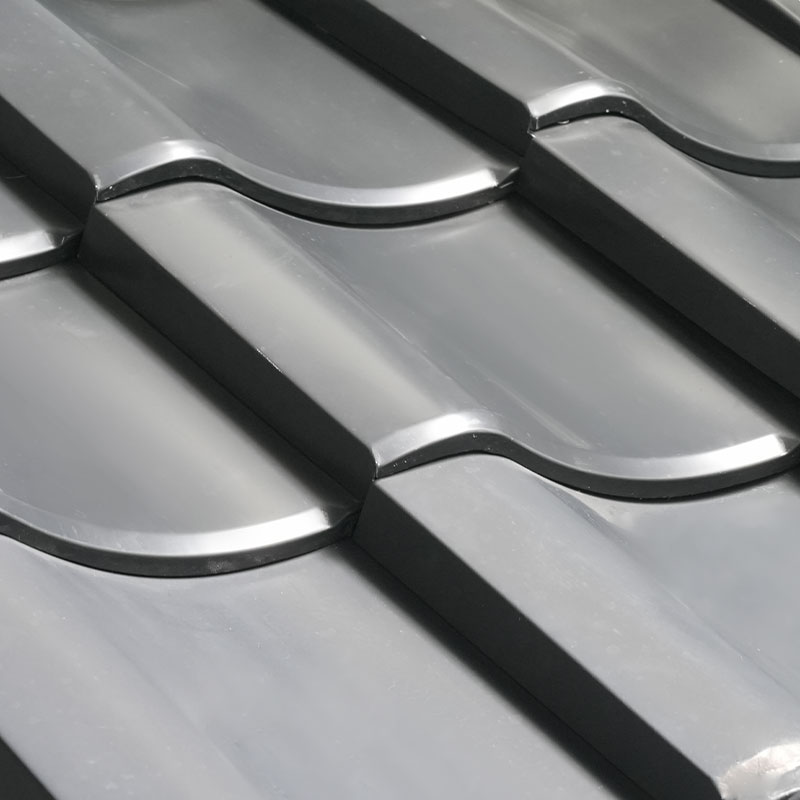
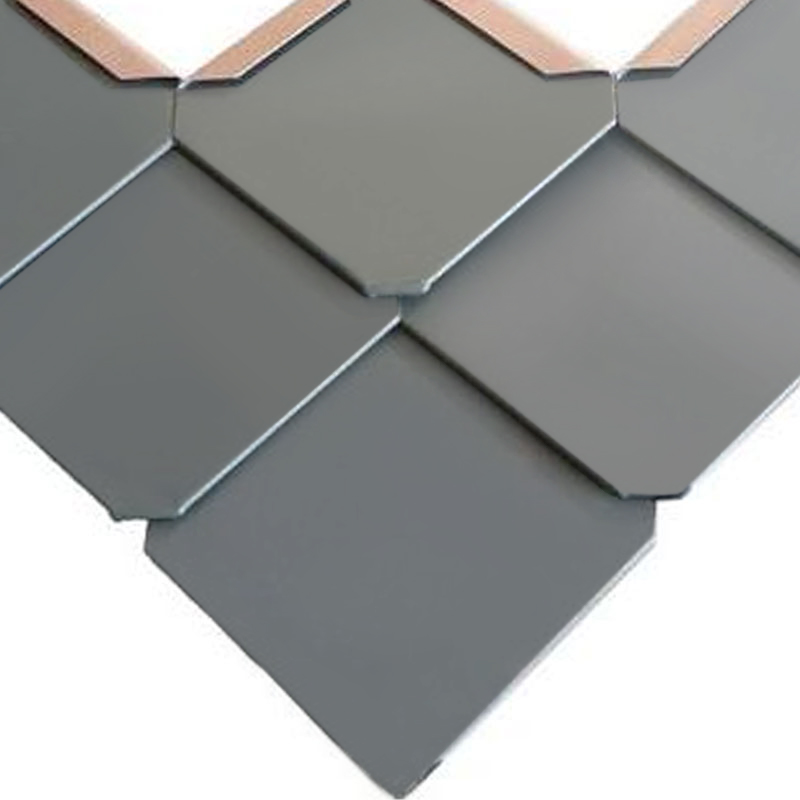
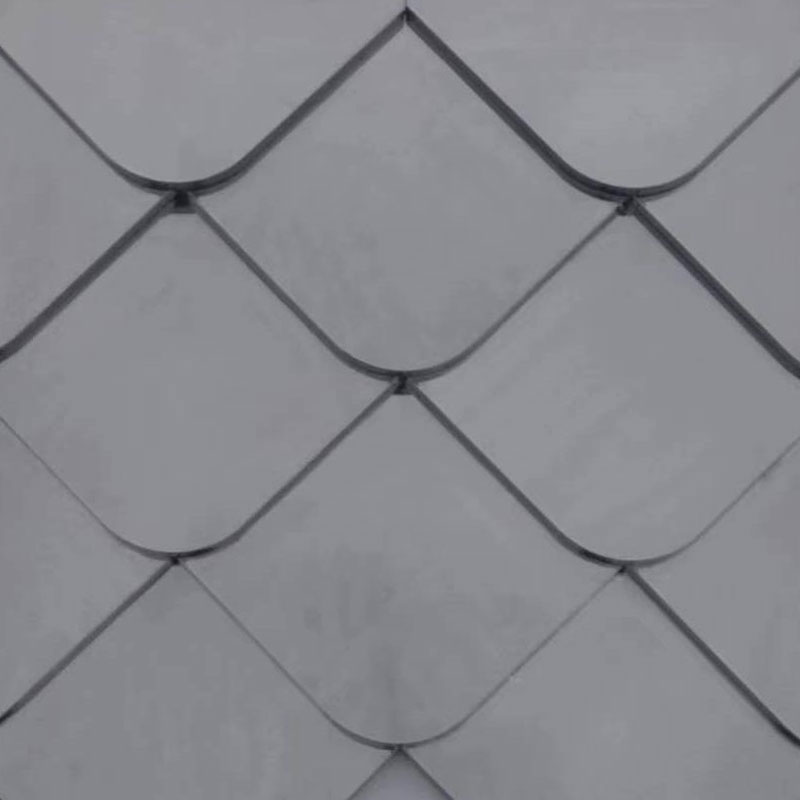
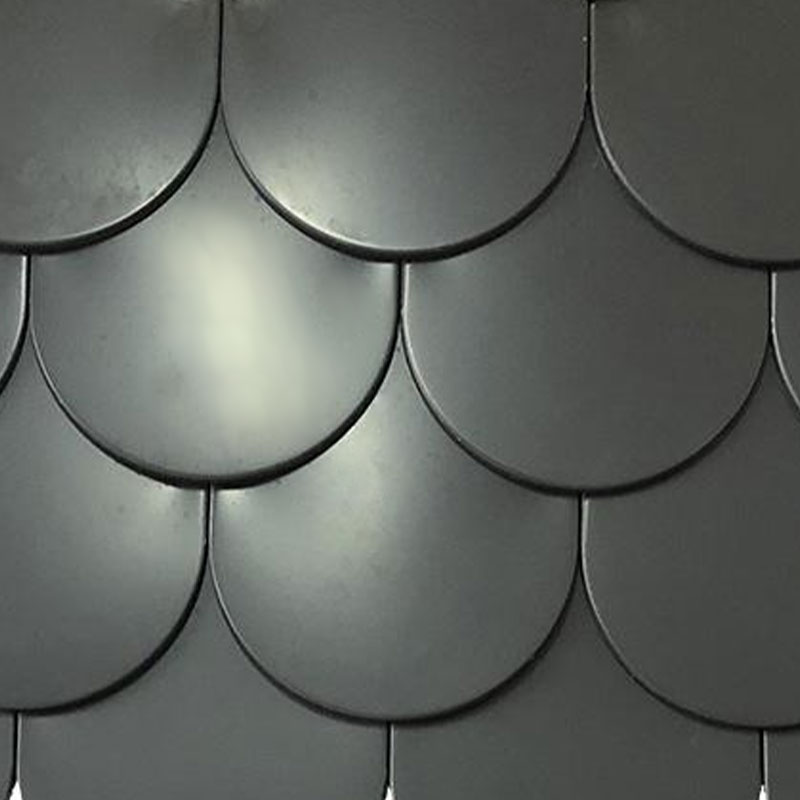
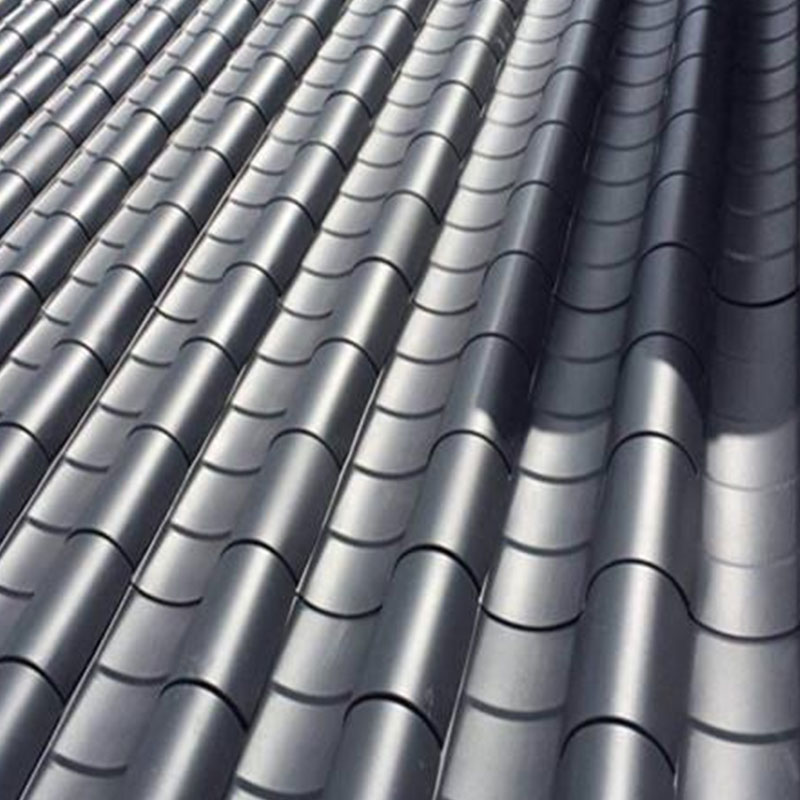
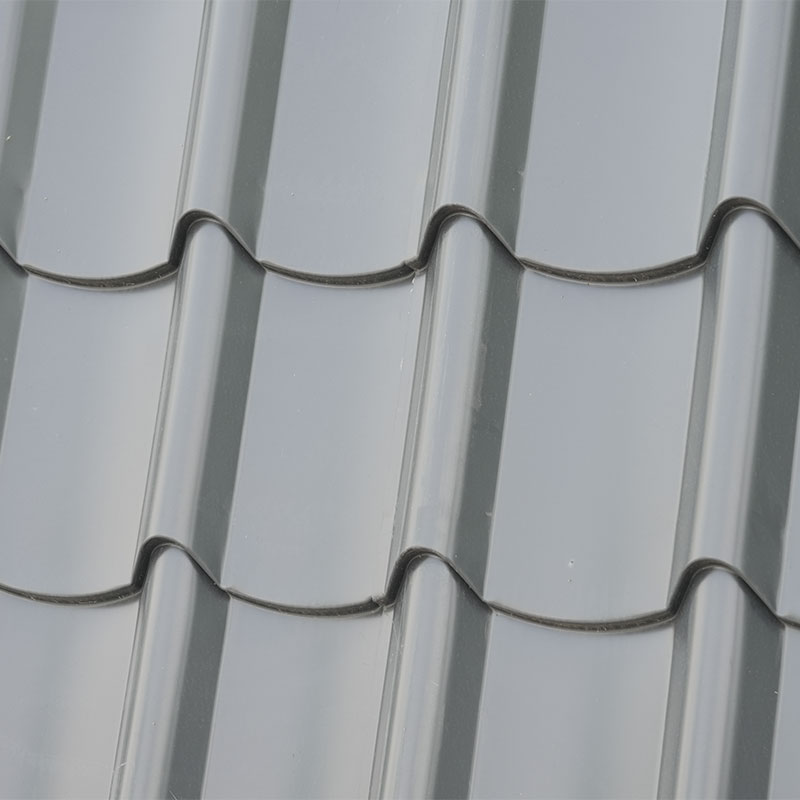
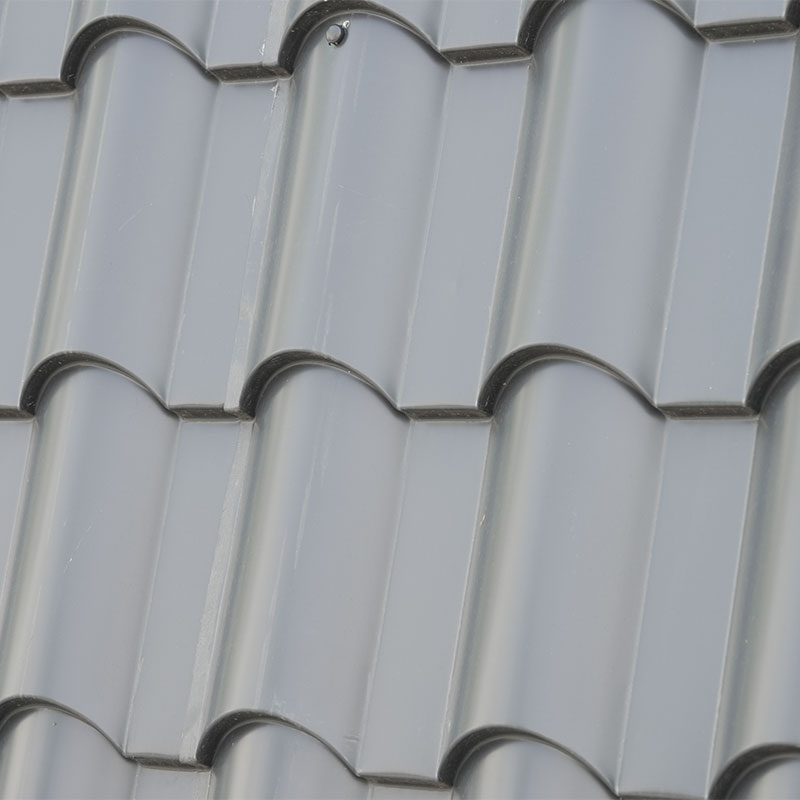
Shaped metal roofing tiles achieve the aesthetic of traditional clay tile, slate, or wood shake while providing the structural performance of a fully interlocking metal panel system. The core advantage over their traditional counterparts is weight reduction: a stone-coated steel tile assembly weighs approximately 6.5 to 8.5 kg/m² (1.3 to 1.7 psf), compared to 45 to 75 kg/m² for clay tile and 55 to 90 kg/m² for slate. This weight differential allows installation over existing asphalt shingle roofs without structural reinforcement and reduces the seismic mass of the building by roughly 85% at the roof plane.

Content
- 1 Material substrates and the stone-coating process
- 2 Profile families and their visual analogs
- 3 Wind uplift resistance and interlock engineering
- 4 Underlayment and the secondary water barrier
- 5 Fastening systems and corrosion compatibility
- 6 Thermal movement and the clip system approach
- 7 Hail impact resistance and testing standards
- 8 Valley, ridge, and penetration flashing details
- 9 Lifecycle cost and the warranty structure
Material substrates and the stone-coating process
Shaped metal roofing tiles begin as flat coil stock, most commonly Galvalume-coated steel conforming to ASTM A792 with an AZ50 or AZ55 aluminum-zinc alloy coating. The base steel thickness ranges from 0.35 mm to 0.55 mm (28 gauge to 24 gauge), with 0.42 mm being the industry standard for residential roofing in moderate wind zones. The coil is first stamped or roll-formed into a profile that replicates the visual character of a specific traditional roofing material: barrel tile, flat slate, S-tile, or hand-split shake. The stamping process creates a three-dimensional relief pattern, including false joints, water channels, and nail flanges, in a single press stroke.
After forming, the steel tile receives its defining feature: an acrylic-based stone granule coating bonded to the surface with a high-temperature ceramic binder. The granules, crushed and screened natural stone or ceramic-coated quartz, range in size from 0.5 mm to 2.5 mm and are applied electrostatically to ensure complete coverage. The coated tile is then oven-cured at 150°C to 200°C, cross-linking the polymer binder and mechanically locking the granules to the steel substrate. The result is a textured surface that absorbs impact energy from hailstones, suppresses the visual gloss of bare metal, and provides a walking surface with a coefficient of friction above 0.7, comparable to asphalt shingles.
Aluminum and copper tiles, while a smaller market segment, are specified for coastal installations where the chloride deposition rate exceeds 50 mg/m² per day. Aluminum tiles in 0.7 mm to 0.9 mm thickness carry a mill finish or a PVDF (polyvinylidene fluoride) coil coating in a range of colors. Copper tiles, supplied in 0.55 mm to 0.7 mm thickness, are left uncoated and develop a protective patina over the first five to eight years of exposure. Neither aluminum nor copper tiles are stone-coated; their aesthetics rely on the natural metallic finish and the development of an oxide layer that arrests further corrosion.
Profile families and their visual analogs
The market categorizes shaped metal roofing tiles by the traditional material they emulate. The following table summarizes the principal profile families, their dimensional characteristics, and the roof slopes for which they are rated.
| Profile Family | Visual Analog | Typical Tile Size (mm) | Minimum Roof Slope | Interlocking Mechanism |
|---|---|---|---|---|
| Roman / Barrel | Mediterranean clay barrel tile | 1,320 x 420 | 3:12 (14°) | Side-lap and end-lap stepped ribs |
| Slate / Flat | Natural quarried slate | 1,250 x 370 | 4:12 (18°) | Concealed nail flange with drip edge |
| Shake / Shingle | Cedar shake or hand-split wood | 1,350 x 480 | 4:12 (18°) | Back-flange lock with top clip |
| S-Tile / Spanish | Spanish S-curve clay tile | 1,320 x 420 | 2.5:12 (12°) | Nesting side lap with water channel |
Wind uplift resistance and interlock engineering
The wind uplift performance of a shaped metal tile roof is determined not by the weight of the tiles, as is the case with ballasted clay or concrete tile, but by the mechanical engagement of the interlocking side and end laps. Each tile is secured to the roof deck through a nail flange or clip that is concealed by the overlapping tile above it, so that no fastener head is exposed to weather. The tile's formed edges incorporate a series of ribs, return bends, and anti-capillary grooves that create a tortuous path for wind-driven water attempting to penetrate the side lap.
The standard test protocol is ASTM E1592, which evaluates the structural performance of a representative roof panel assembly under a uniform static pressure differential. A properly installed stone-coated steel tile system with tiles mechanically interlocked and fastened to a minimum 15 mm plywood or OSB deck achieves a design wind uplift rating of 2.4 kPa (50 psf), corresponding to a basic wind speed of approximately 160 km/h (100 mph) in Exposure Category B. For high-velocity hurricane zones (HVHZ) such as Miami-Dade County, Florida, the tile profile, fastening pattern, and underlayment assembly must be tested as a complete system to an uplift pressure of 7.2 kPa (150 psf) with no tile disengagement or fastener pullout. Meeting this standard typically requires six fasteners per tile instead of the standard four, and the fasteners must be ring-shank nails or screws with a minimum pullout resistance of 220 N (50 lbf) in the specific deck material.
Underlayment and the secondary water barrier
The metal tile itself is the primary rain screen, but the underlayment is the secondary water barrier that must function for the full service life of the roof, even if a tile is dislodged by impact or extreme wind. Building codes in most jurisdictions require a minimum of a single layer of ASTM D226 Type II asphalt-saturated organic felt, but this material has a service life of 20 to 25 years before embrittlement, while the metal tile above it is warranted for 50 years or more. The resulting mismatch in service life is the most common cause of water intrusion on aging metal tile roofs.
The current best practice, codified in the manufacturer's installation instructions for premium stone-coated steel systems, is a self-adhering polymer-modified bitumen membrane such as an SBS-modified product complying with ASTM D1970, installed over the entire roof deck, not merely at the eaves and valleys. This membrane, typically 1.0 mm to 1.5 mm thick with a high-density polyethylene facer, provides a fully adhered waterproof layer that self-seals around fastener penetrations and remains flexible at temperatures down to -30°C. On a roof with a slope below 4:12, a secondary drainage mat of entangled polymer filaments is placed between the underlayment and the tiles to create a 6 mm drainage cavity that prevents hydrostatic pressure buildup behind the side laps under wind-driven rain conditions.
Fastening systems and corrosion compatibility
Fastener selection for shaped metal roofing tiles must address three distinct corrosion mechanisms: atmospheric corrosion on the exposed head, galvanic corrosion at the interface with the tile substrate, and crevice corrosion within the fastener shank beneath the tile. The minimum specified fastener for stone-coated steel tiles is a Type 304 stainless steel ring-shank nail or a carbon steel screw with a Class C hot-dip galvanized coating (45 μm minimum zinc thickness). In coastal installations within 3 km of salt water, the fastener must be upgraded to Type 316 stainless steel, which contains 2% to 3% molybdenum for pitting resistance in chloride environments.
For aluminum tiles, the fasteners must be aluminum or Type 305 stainless steel, because carbon steel fasteners, even galvanized, are cathodic to aluminum and will accelerate pitting of the tile around the fastener hole. For copper tiles, copper or silicon bronze fasteners are mandatory, as stainless steel fasteners in contact with copper create a galvanic couple that rapidly corrodes the steel component while leaving the copper unaffected. The fastener manufacturer's published galvanic compatibility chart, cross-referenced against the tile material, must be included in the project submittal package and approved by the specifier before any material is delivered to the site.
Thermal movement and the clip system approach
Steel expands at a rate of approximately 12 x 10⁻⁶ m/m per °C, meaning a 1,300 mm steel tile subjected to a 60°C seasonal temperature swing (from -10°C on a winter night to +50°C on a summer afternoon) will expand and contract by approximately 0.94 mm. This movement, though small in absolute terms, is sufficient to elongate nail holes and loosen fasteners over 20 to 30 years of thermal cycling if the tiles are rigidly nailed down at every fastener point without allowance for differential movement.
Premium shaped metal tile systems address this by incorporating a clip-based fastening system. A stainless steel or galvanized steel clip is screwed to the deck, and the tile is hooked onto the clip such that the tile can slide relative to the clip in the longitudinal direction while being restrained in the vertical direction. The clip slot is elongated by ±1.5 mm relative to the fastener diameter, providing the necessary thermal movement accommodation without over-stressing the fastener or elongating the clearance hole. The clip material is selected to be anodic to the tile material, so that any incidental corrosion occurs on the replaceable clip rather than on the permanent tile.
Hail impact resistance and testing standards
The stone granule coating on a steel tile provides not only aesthetic texture but also a sacrificial impact-absorbing layer. Under the FM 4473 hail impact test, a steel tile assembly is subjected to a 51 mm (2-inch) diameter ice ball propelled at a velocity calibrated to simulate free-fall hail impact energy. The acceptance criterion is that the tile must show no visible cracking, perforation, or granule loss exceeding 10% of the impacted area. Stone-coated steel tiles with a steel substrate of 0.42 mm or thicker typically achieve a Class 4 impact resistance rating under UL 2218, the highest classification, which is required for insurance premium discounts in hail-prone regions of the United States and Australia.
Uncoated aluminum and copper tiles dent under hail impact rather than cracking. A dent exceeding 3 mm in depth or 25 mm in diameter is considered a functional failure under the terms of most manufacturers' hail warranties, not because the dent compromises weather-tightness, but because it is visually objectionable from the ground. The dent resistance of an aluminum tile is a function of the alloy temper and the sheet thickness. An H14 temper aluminum tile at 0.8 mm thickness resists hailstones up to 38 mm (1.5 inches) without visible denting; increasing the thickness to 1.0 mm extends that threshold to approximately 45 mm (1.75 inches).
Valley, ridge, and penetration flashing details
The shaped metal tile system is only as watertight as its flashings. The valley flashing, where two roof planes intersect and concentrate the flow of the entire catchment area above the intersection, is the most critical detail. The standard detail is a W-shaped valley metal fabricated from 0.55 mm minimum thickness Galvalume steel or 0.7 mm aluminum, with a standing seam at the centerline that splits the water flow to either side without turbulence. The valley metal must extend a minimum of 200 mm (8 inches) under the cut edge of the metal tiles on each side, and the tile cut edge must be turned up by 15 mm to create a capillary break that prevents water from wrapping around the tile edge and entering the side lap.
The ridge and hip caps are normally formed from the same material as the field tiles and are secured to a continuous metal closure strip that conforms to the tile profile. The cap is fixed with exposed fasteners through pre-punched grommeted holes, with a neoprene or EPDM washer compressed to 30% to 40% of its original thickness under the screw head to provide a weather seal. Exposed fasteners on ridge caps are the first maintenance item on a metal tile roof; the washer should be inspected at five-year intervals and replaced if the rubber shows surface cracking or compression set that prevents rebound when probed with a fingernail.
Pipe penetrations, attic vents, and skylights are flashed with pre-manufactured EPDM or silicone pipe boots that incorporate a flexible collar sized to the penetration diameter. The boot base flange, which is integrated into the tile coursing, is notched and sealed to the underlayment with butyl tape, and the flange upper edge is lapped under the upslope tile course. The flexible collar must accommodate a thermal expansion differential of ±2 mm between the pipe and the roof deck without tearing or losing its compression seal against the pipe wall.
Lifecycle cost and the warranty structure
The installed cost of a stone-coated steel tile roof ranges from $11 to $18 per square foot ($118 to $194 per square meter) including underlayment, flashings, and labor, depending on the profile complexity and the roof geometry. This positions metal tile between premium asphalt architectural shingles at $5 to $8 per square foot and natural slate at $25 to $40 per square foot. The economic justification rests on the warranty duration and the avoided re-roofing costs over the building's service life.
The standard manufacturer's warranty for stone-coated steel tiles covers the following components on a pro-rated basis: 50 years on the structural integrity of the steel substrate against perforation from atmospheric corrosion, 25 years on the stone granule adhesion against delamination exceeding 5% of the tile surface area, and 10 years on the color stability of the acrylic overglaze against fading beyond 5 Delta E units as measured by a spectrophotometer. The warranty is transferable once to a subsequent owner and requires documented installation by a manufacturer-certified contractor. The most common warranty claim is granule loss at the cut edges of field-trimmed tiles, where the factory-applied edge seal has been breached; for this reason, all field-cut edges must be touched up with the manufacturer's supplied edge paint within 24 hours of cutting.