

 English
 русский
 Español
 عربى
عربى
Content
- 1 Why Aluminum Alloy Is the Preferred Material for Modern Rain Gutter Systems
- 2 Electrostatic Powder Coating: The Technology Behind Lasting Color and Surface Durability
- 3 Personalized Color Customization for Architectural Harmony
- 4 System Design That Eliminates Leaks and Simplifies Installation
- 5 Gutter Accessories Wholesale: What Buyers Should Evaluate
Why Aluminum Alloy Is the Preferred Material for Modern Rain Gutter Systems
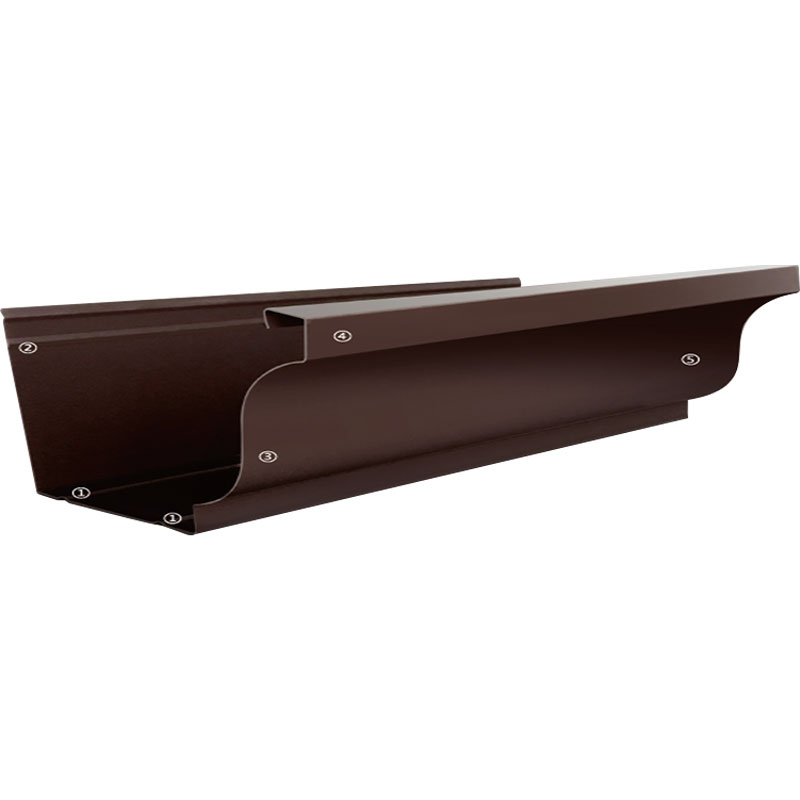
The choice of material is the single most consequential decision in any rain gutter system specification. Among all available options — galvanized steel, copper, vinyl, and various alloy formulations — manganese aluminum alloy roof gutter systems have emerged as the professional standard for commercial construction, architectural projects, and residential installations that demand long-term performance. The reason comes down to a combination of material science and practical engineering that no competing material can fully replicate.
Metallic aluminum has a specific gravity of just 2.7 g/cm³ — roughly one-third that of steel — which means a complete aluminum gutter system adds minimal structural load to the eaves and fascia of a building. This low dead weight is particularly valuable on large commercial rooftops and heritage buildings where load calculations are critical, and it significantly improves the safety of stress distribution across the mounting points. Despite being lightweight, the manganese content in the alloy increases tensile strength and hardness compared to pure aluminum, creating a material that resists deformation under the mechanical stress of wind load, snow accumulation, and the thermal expansion cycles that occur across seasons.
A defining characteristic of aluminum as a gutter material is its natural corrosion resistance mechanism. When aluminum is exposed to oxygen — which happens immediately upon contact with air — a layer of aluminum oxide forms on the surface. This oxide film, invisible to the naked eye, acts as a continuous self-repairing barrier against moisture, acid rain, and atmospheric pollutants. Unlike galvanized steel, which can rust once the zinc coating is compromised, aluminum's oxide layer regenerates whenever the surface is scratched or abraded, providing passive corrosion protection for the entire service life of the product without any maintenance intervention.
Electrostatic Powder Coating: The Technology Behind Lasting Color and Surface Durability
The surface finish of a gutter system determines both its visual longevity and its resistance to environmental degradation. Standard liquid paint applied to metal gutters tends to chip, crack, and fade within a few years of outdoor exposure — particularly in climates with intense UV radiation, heavy rainfall, or temperature extremes. The aluminum rain gutter accessories in a professionally engineered system are instead finished using electrostatic powder spraying technology, which produces a fundamentally different — and superior — result.
In the electrostatic powder coating process, dry thermoplastic or thermoset powder particles are given an electrostatic charge and sprayed onto the grounded aluminum substrate. The electrostatic attraction causes the powder to adhere uniformly across the entire surface — including edges, corners, and recessed profiles — before the coated part is passed through a curing oven at approximately 180–200°C. The heat causes the powder to melt, flow, and chemically crosslink into a dense, continuous film that bonds directly to the aluminum surface at the molecular level.
The practical advantages of this process over conventional liquid painting are significant and measurable:
- Strong adhesion: The electrostatically applied coating bonds to the aluminum surface with a cross-hatch adhesion rating of 0 (zero loss) per ASTM D3359, meaning the finish will not peel or flake under normal conditions of thermal cycling and mechanical impact.
- Uniform coating thickness: The electrostatic process ensures consistent film thickness across the entire part — typically 60–80 microns — eliminating the thin spots and runs that are common in brush or spray liquid paint application.
- High gloss retention: Powder-coated surfaces maintain their gloss and color richness significantly longer than liquid-painted surfaces, with quality formulations retaining over 80% of their initial gloss value after 10 years of outdoor exposure.
- Temperature resistance: The cured powder coating remains stable and intact across a wide temperature range, from severe cold at -40°C to high-temperature environments exceeding 120°C, making it suitable for both arctic climates and equatorial regions without cracking, blistering, or color shift.
- Environmental compliance: Powder coating produces no volatile organic compounds (VOCs) during application or curing, making it compliant with increasingly strict environmental regulations in major export markets including the EU, US, and Australia.
Personalized Color Customization for Architectural Harmony
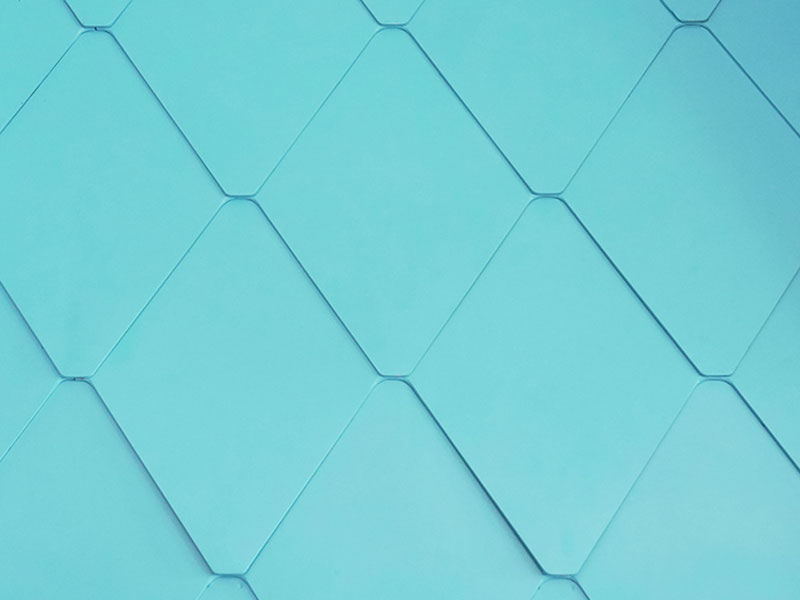
One of the most commercially significant advantages of the powder-coated manganese aluminum alloy roof gutter system is the breadth of color customization available. Gutters are a prominent exterior element — they run the full perimeter of the roofline and are visible from street level — and their color has a measurable impact on the overall architectural impression of a building. Personalized color customization allows the gutter system to complement or precisely match the color of the building's eaves, roof cladding, exterior wall finishes, and window frames, creating a cohesive exterior aesthetic rather than the mismatched appearance that results from selecting gutters from a limited standard palette.
Custom color matching is typically executed using RAL, Pantone, or NCS color standards. A client or architect submits the target color reference, and the manufacturer formulates a powder coating blend to achieve a confirmed match. For large-scale projects — commercial developments, hotel facades, residential subdivisions, or government infrastructure — this capability ensures that every section of gutter and every accessory component is finished in exactly the same color, even when orders are fulfilled across multiple production runs.
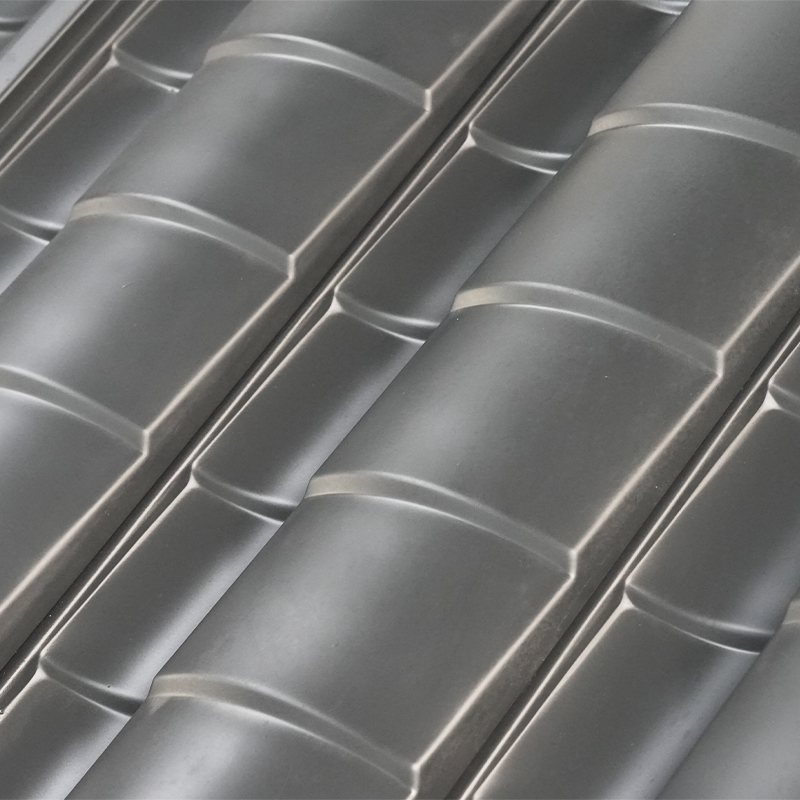
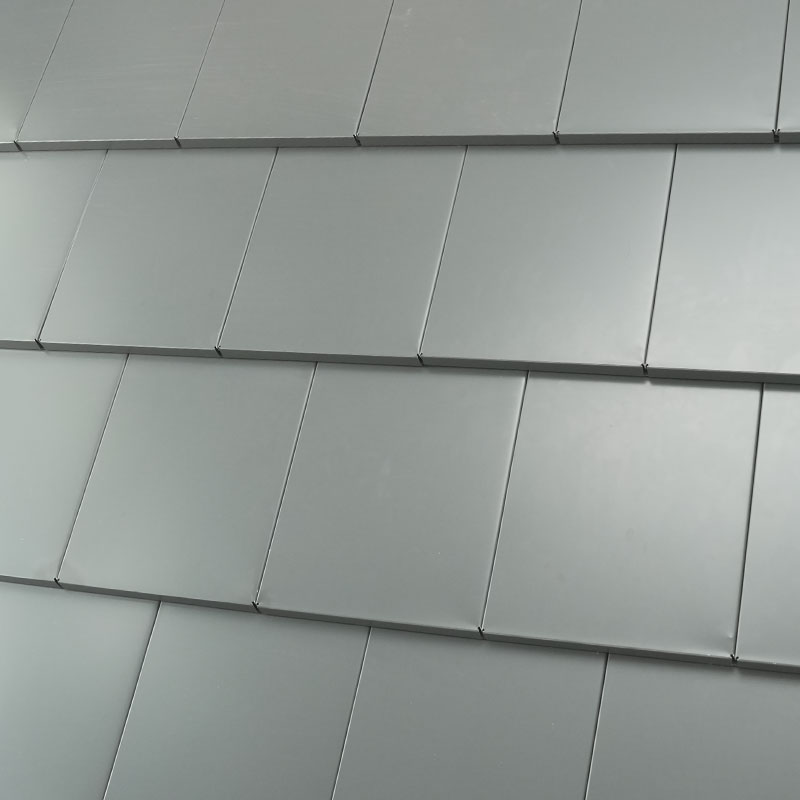
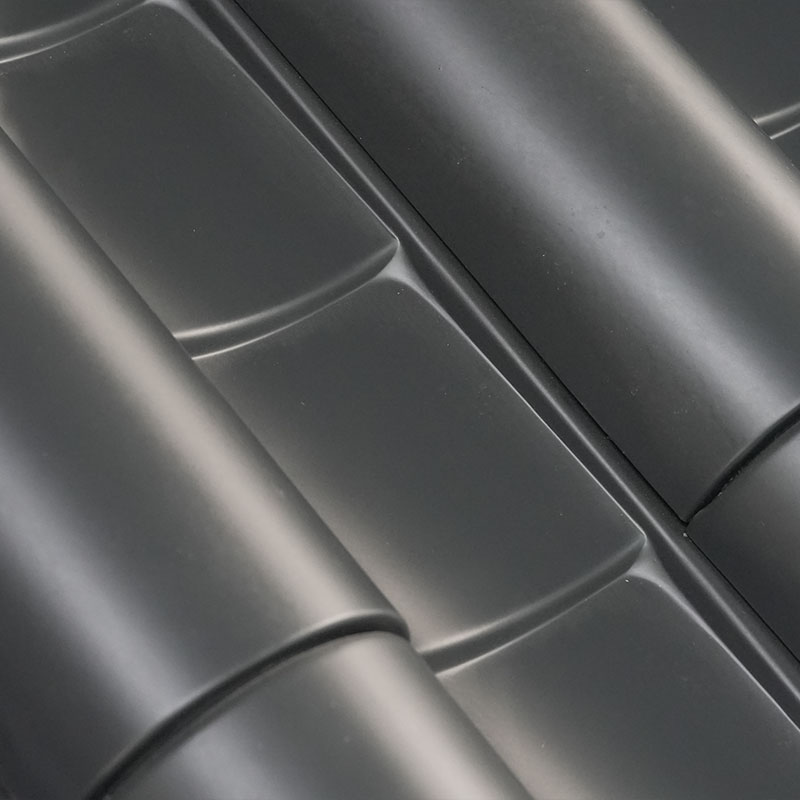
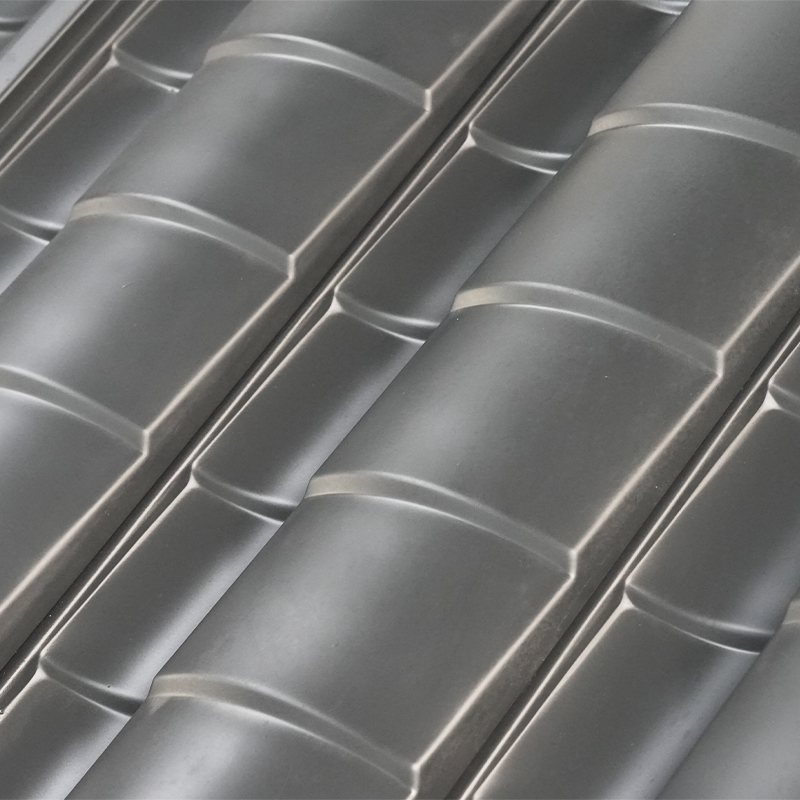
Beyond standard solid colors, textured finishes — including matte, satin, metallic, and wood-grain effects — are available through specialized powder formulations, allowing designers to specify gutter systems that align with high-end architectural concepts such as Japandi minimalism, Scandinavian naturalism, or contemporary industrial aesthetics. This level of design flexibility is impossible to achieve with vinyl or galvanized steel gutter systems, where color options are limited to a manufacturer's fixed catalogue.
System Design That Eliminates Leaks and Simplifies Installation
The most technically demanding requirement of any gutter system is watertight performance under sustained rainfall — the very condition in which gutter failures are most consequential and most visible. A professional aluminum rain gutter accessories system addresses this challenge through systematic design engineering rather than relying on site-applied sealants or the skill of individual installers. Every component in the system — gutters, downspouts, elbows, end caps, miters, outlets, and hangers — is precision-formed to consistent dimensional tolerances, ensuring that joints fit correctly the first time and hold their seal under the mechanical movement caused by thermal expansion.
The systematic approach eliminates the two most common failure points in conventional sectional gutter systems: water leakage at joints and water overshoot at the eaves. Leakage is prevented by factory-applied sealant compounds at slip-joint connections, reinforced by the precision fit of the components themselves. Overshoot — where water driven by roof pitch or wind velocity misses the gutter channel entirely — is addressed through correct gutter sizing calculations and, where necessary, the use of splash guards or internal baffles integrated into the system design.
Key Components in a Complete Aluminum Gutter System
| Component | Function | Common Sizes |
|---|---|---|
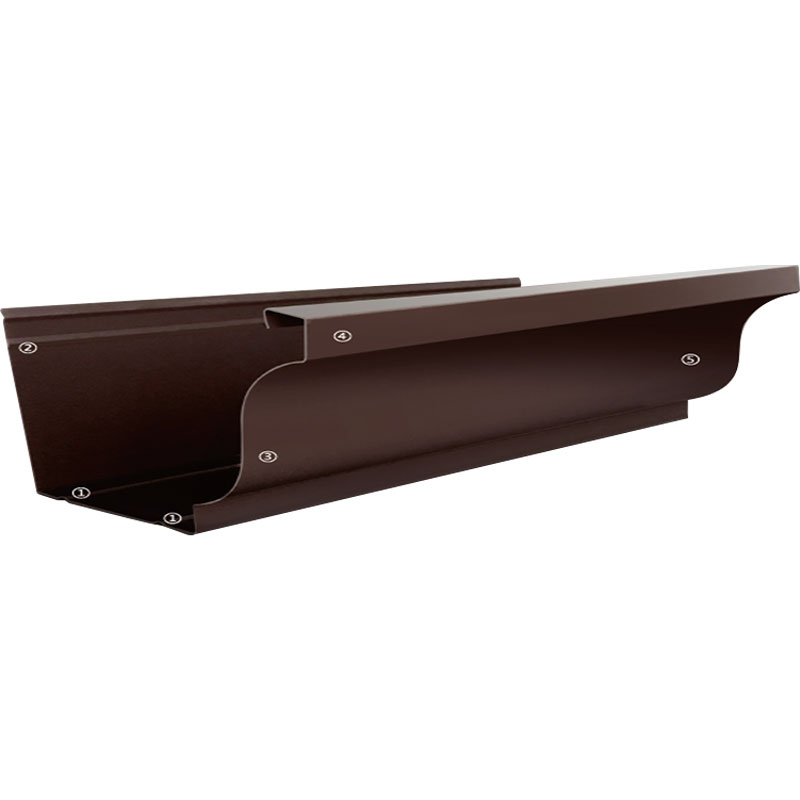
| Gutter Profile (K-Style / Half-Round) | Collects and channels rainwater from roof | 100mm, 125mm, 150mm |
| Downspout / Rainwater Pipe | Directs water from gutter to ground level | 60×80mm, 76×100mm |
| Elbow / Offset Bend | Changes downspout direction at wall offset | 45°, 72°, 90° |
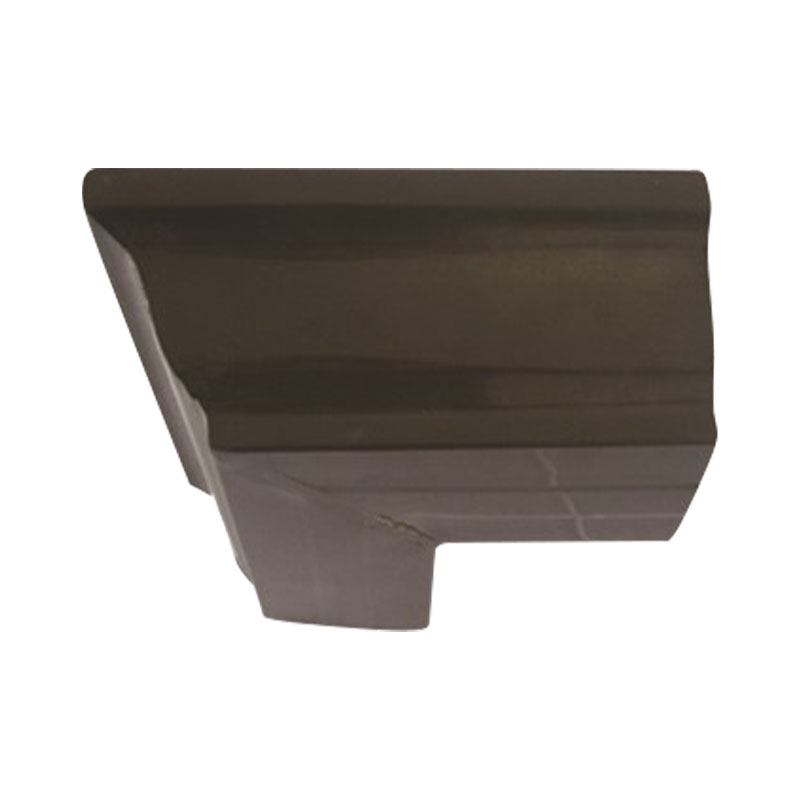
| End Cap (Left / Right) | Seals the open ends of gutter runs | Matched to gutter profile |
| Hidden Hanger / Bracket | Mounts gutter to fascia, controls pitch | Spaced at 500–600mm intervals |
| Inside / Outside Miter | Creates watertight corners at building angles | 90° standard, custom angles available |
| Drop Outlet | Connects gutter channel to downspout | Round, rectangular, oval |
Beyond eliminating failure points, the systematic design philosophy dramatically reduces installation time on site. Because components are dimensionally consistent and pre-engineered to connect without modification, an experienced installation crew can complete a full residential perimeter in a single day. The reduction in construction period compared to site-fabricated or poorly toleranced systems lowers labor costs, reduces weather exposure risk during installation, and allows projects to progress to subsequent trades faster — a significant commercial advantage on new construction timelines.
Gutter Accessories Wholesale: What Buyers Should Evaluate
For distributors, contractors, and building materials importers sourcing gutter accessories wholesale, the evaluation of a supplier goes well beyond unit price. The total cost of ownership — factoring in product consistency, finish quality, dimensional accuracy, packaging integrity, and after-sales support — determines whether a wholesale relationship is genuinely profitable over time. The following criteria are the most critical to assess before committing to a supplier for gutter accessories at volume:
- Alloy specification consistency: Confirm that the manufacturer uses a consistent, documented alloy grade — such as 3003-H14 or 3105-H14 manganese aluminum — across all production runs. Inconsistent alloy sourcing leads to variable hardness and corrosion resistance between batches, creating warranty and quality liability for the distributor.
- Powder coating certification: Request salt spray test results (ASTM B117) for the finished coating. A minimum of 1,000 hours of salt spray resistance without corrosion creep at the scribe line is the benchmark for quality exterior architectural coatings.
- Dimensional tolerance documentation: Verify that the manufacturer provides dimensional tolerance specifications for all profiles and that these are enforced through in-process quality control. Tight tolerances — typically ±0.2 mm on critical dimensions — are essential for field installability and watertight joint performance.
- Color matching capability and MOQ: For custom color orders, confirm the minimum order quantity (MOQ) per color, the color approval process (physical sample vs. digital), and the batch-to-batch color consistency standard (typically ΔE ≤ 1.0 per CIE L*a*b* measurement).
- Packaging for export: Gutter profiles are long, thin, and susceptible to scratching and bending in transit. Evaluate the supplier's export packaging — whether profiles are individually wrapped, bundled with protective foam, and secured in reinforced cartons or wooden crates — before placing a container order.
- Product range completeness: A reliable wholesale supplier should offer the complete accessory set — gutters, downspouts, elbows, end caps, miters, outlets, hangers, and guards — all in matching finishes and dimensions. Sourcing a mismatched system from multiple suppliers creates color and dimensional inconsistencies that generate costly site problems and customer complaints.
The global demand for premium aluminum rain gutter systems continues to grow as construction standards rise and building owners prioritize long-term maintenance reduction. For wholesale buyers, partnering with a manufacturer that combines proven material engineering — manganese aluminum alloy roof gutter construction, electrostatic powder coating, and systematic component design — with reliable production capacity and responsive export logistics represents a genuinely defensible position in a competitive market. The right supplier relationship is not simply a price transaction; it is the foundation of a product offering that installers trust and end users recommend.