

 English
 русский
 Español
 عربى
عربى
Content
Advanced Material Composition and Weather Resistance
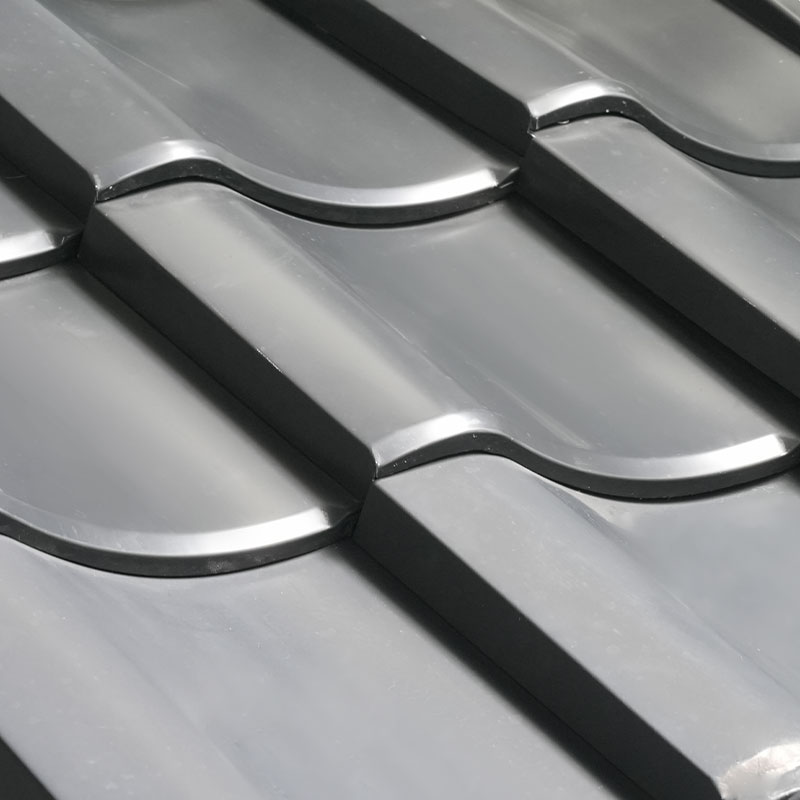
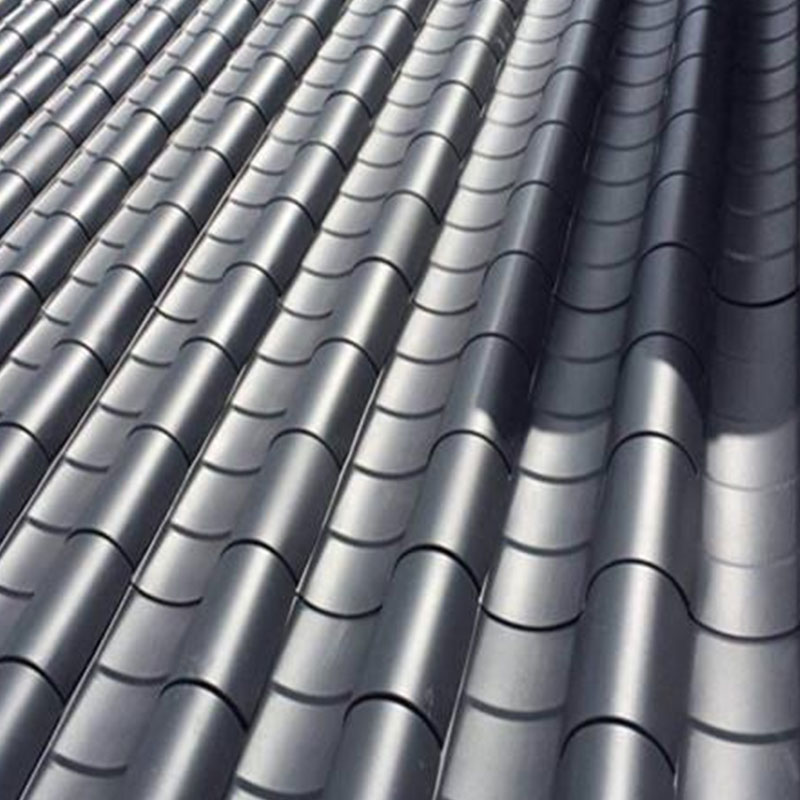
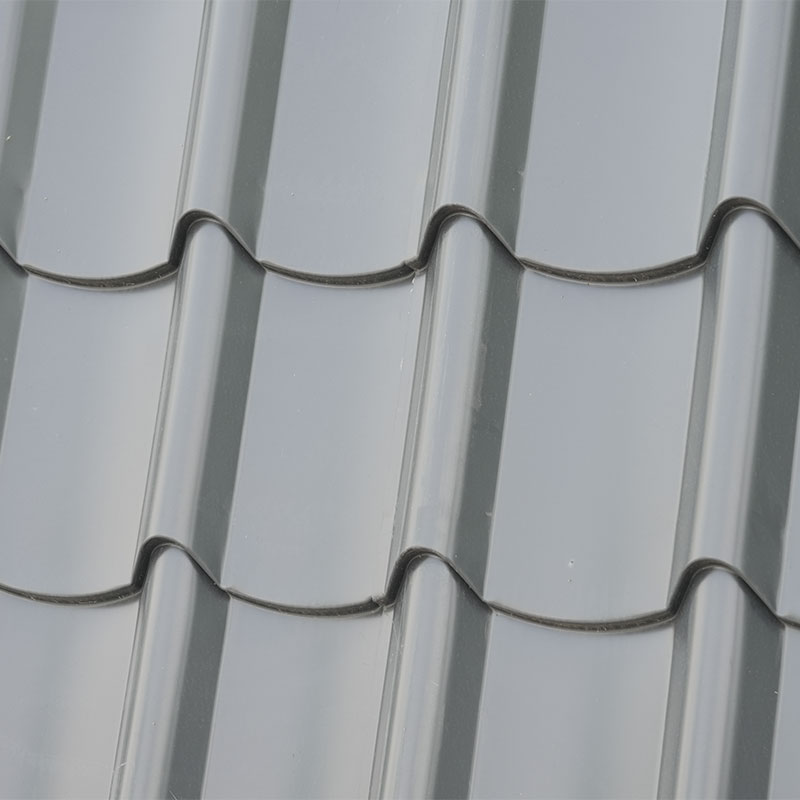
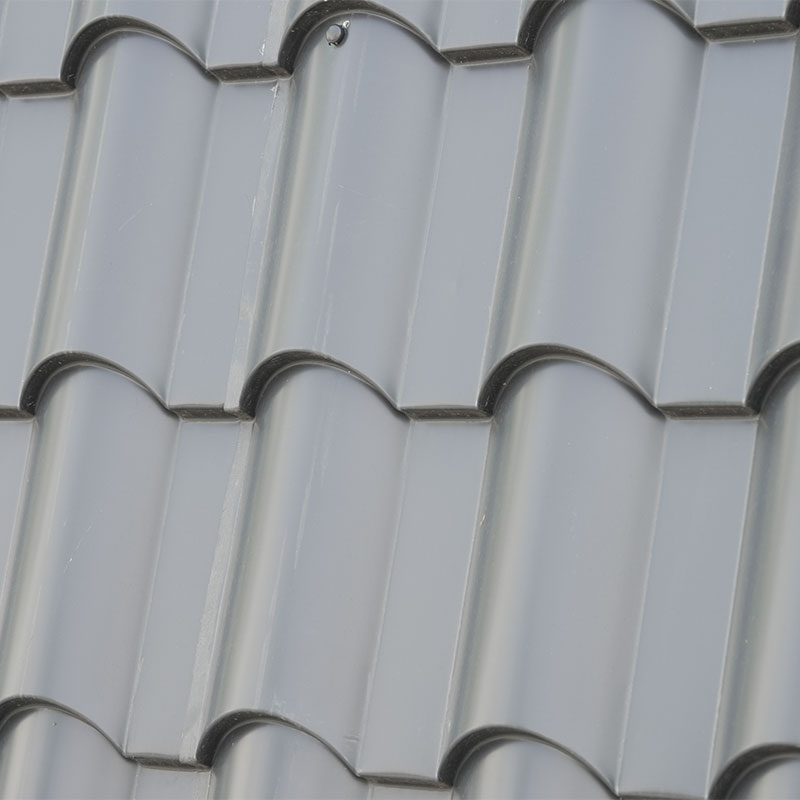
Modern building envelopes require materials that balance structural resilience with long-term environmental performance. The Composite Metal Roofing Tile addresses this engineering challenge by fusing a precision-milled metallic exterior with a high-performance waterproof substrate. At the core of the system lies a 0.45mm thick 3003 series aluminum-manganese alloy. This specific metallurgical grade is selected for its optimal yield strength, fatigue resistance, and compatibility with standard framing dimensions. Unlike thinner gauge alternatives that buckle under thermal stress, this alloy maintains dimensional stability across wide temperature ranges, ensuring that panel seams remain tightly engaged throughout decades of service.
When the aluminum surface encounters ambient oxygen at standard room temperature, it spontaneously forms a dense crystalline oxide film composed of γ-Al2O3. Measuring between 2.5 and 3.0 nanometers in thickness, this passive layer acts as an impenetrable barrier against moisture ingress and electrochemical corrosion. The film exhibits a remarkable natural repair function; should mechanical abrasion occur during handling or hail impact, exposed aluminum immediately reacts with atmospheric oxygen to regenerate the protective layer. This self-healing capability drastically reduces the need for field-applied rust inhibitors or localized patch repairs, streamlining long-term asset management for facility owners.
Fluorocarbon Coating and Long-Term Durability
To further enhance surface resilience, the alloy undergoes a fluorocarbon roller coating process that deposits a uniform 25-micron polymer matrix across the entire panel. This advanced finish is engineered to resist ultraviolet photodegradation, chemical exposure, and abrasive wind-blown particulates. Industry-standard warranties typically guarantee fifteen years of color retention and zero chalking under normal exposure conditions. However, independent accelerated weathering tests conducted in Germany have verified that the coating maintains its original gloss level and chromatic integrity for over thirty years without fading or pulverizing. This empirical performance data makes the material ideal for coastal developments, industrial zones with airborne contaminants, and high-altitude installations where UV intensity is significantly elevated.
Modified Asphalt Base and Inverted Waterproof Design
Beneath the metallic cladding lies a customized APP (Atactic Polypropylene) asphalt membrane that serves as the primary hydrostatic barrier. Traditional roofing systems often rely on separate underlayment and flashing components that introduce multiple potential failure points at seams and penetrations. By contrast, this integrated base layer is thermally bonded to the metal panel during manufacturing, creating a monolithic waterproofing assembly that eliminates delamination risks and simplifies load path calculations. The APP modification introduces a flexible polymer network into the bitumen matrix, significantly improving tensile strength and crack resistance while maintaining a lightweight profile.
APP Membrane Performance at Extreme Temperatures
Thermal stability remains a critical metric for roofing substrates operating in regions with intense seasonal heat. The customized APP asphalt base demonstrates exceptional performance by exhibiting zero flow, softening, or dripping at sustained ambient temperatures reaching 90°C. This characteristic prevents the adhesive breakdown and surface deformation that commonly plague standard bituminous membranes during prolonged summer exposure. Additionally, the engineered surface texture provides consistent friction coefficients, ensuring secure footing for maintenance personnel during routine inspections or snow removal operations. The non-slip property enhances jobsite safety and complies with modern occupational health standards without requiring supplemental anti-fall coatings.
Non-Exposed Architecture for Extended Lifespan
The installation methodology deliberately shields the asphalt layer from direct environmental contact, adopting a non-exposed configuration that mirrors inverted waterproofing principles. In conventional exposed systems, ultraviolet radiation, freeze-thaw cycling, and acid rain gradually degrade the organic binder within the membrane, leading to premature embrittlement and leakage. By concealing the substrate beneath the reflective metal shell, the system eliminates the primary degradation pathways that limit service life. Since the bituminous core remains temperature-moderated and isolated from weathering agents, its operational longevity fundamentally matches the structural design life of the building. This architectural alignment reduces lifecycle replacement costs and minimizes disruption to interior operations.
Optional Copper Lamination for Aesthetic and Functional Value
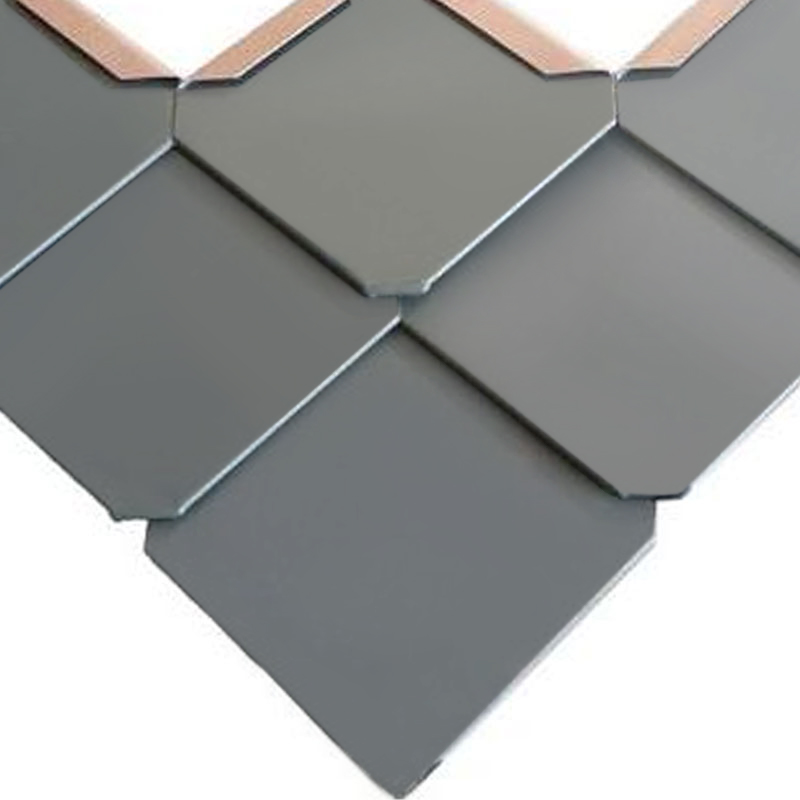
For projects requiring distinctive architectural expression or superior corrosion resistance in aggressive marine environments, the panel system can be factory-laminated with a 0.2mm thick copper veneer. Copper is renowned for its stable electrochemical potential, high ductility, and natural antimicrobial properties. The thin gauge ensures that the composite assembly retains its lightweight handling characteristics while gaining the timeless visual profile associated with premium heritage roofing. As the copper surface oxidizes, it develops a protective green patina that further enhances atmospheric resistance and virtually eliminates the need for chemical cleaning or periodic sealing treatments. This material choice allows architects to meet strict aesthetic guidelines while maintaining the practical benefits of a modern waterproofing assembly.
Streamlined Installation and Project Efficiency
Contemporary construction schedules demand materials that accelerate on-site progress without compromising weatherproofing integrity. The unified design of the Composite Metal Roofing Tile significantly compresses the installation timeline by consolidating multiple traditional roofing phases into a single coordinated operation. Contractors can deploy pre-engineered panels directly over prepared structural decking, utilizing interlocking side seams that engage mechanically without requiring field welding or wet sealant applications. Pre-punched fastening zones ensure precise alignment and consistent torque distribution, reducing the likelihood of human error during placement. The lightweight composition also minimizes crane usage, simplifies material hoisting, and allows smaller crews to cover larger surface areas within standard working hours.
How the System Effectively Saves Construction Time
The efficiency advantages become most pronounced when comparing conventional multi-component assemblies to this integrated composite approach. Traditional methods mandate sequential installation of insulation boards, vapor barriers, bituminous membranes, flashings, and exterior cladding. Each phase requires separate weather windows, distinct material deliveries, and specialized labor trades. By consolidating the waterproofing and weather-resistant layers into a single factory-laminated product, project teams bypass these sequential dependencies. The interlocking profile enables rapid engagement, and the standardized dimensions eliminate extensive field cutting or custom fitting. Consequently, the system effectively saves construction time, allowing subsequent trades to access interior spaces ahead of schedule, reducing equipment rental durations, and lowering overall project financing overhead.
| Workflow Phase | Conventional Multi-Layer System | Composite Integrated System |
| Material Delivery | Multiple shipments across phases | Single consolidated delivery |
| Waterproofing Layer | Field-applied with torches | Factory-laminated APP base |
| Seam Execution | Manual sealing required | Interlocking mechanical fit |
- Pre-engineered fastening zones reduce field measurement errors by eliminating guesswork during panel alignment.
- Factory-laminated membranes remove weather-dependent installation windows that typically delay traditional bitumen applications.
- Lightweight alloy construction minimizes structural reinforcement requirements and accelerates material staging logistics.
By integrating advanced metallurgy, self-healing oxide chemistry, and inverted waterproofing architecture, this roofing solution delivers predictable long-term performance alongside measurable schedule acceleration. Contractors benefit from reduced labor complexity, while building owners gain a durable envelope that aligns with modern sustainability targets and lifecycle cost objectives.