

 English
 русский
 Español
 عربى
عربى
Content
Structural Composition of Composite Aluminum Roofing Tile
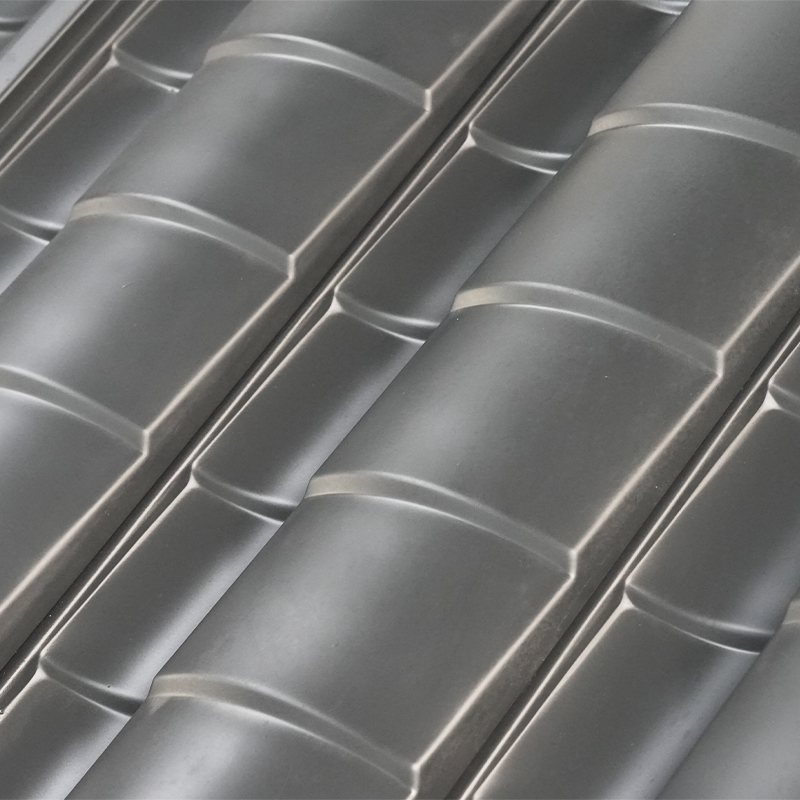
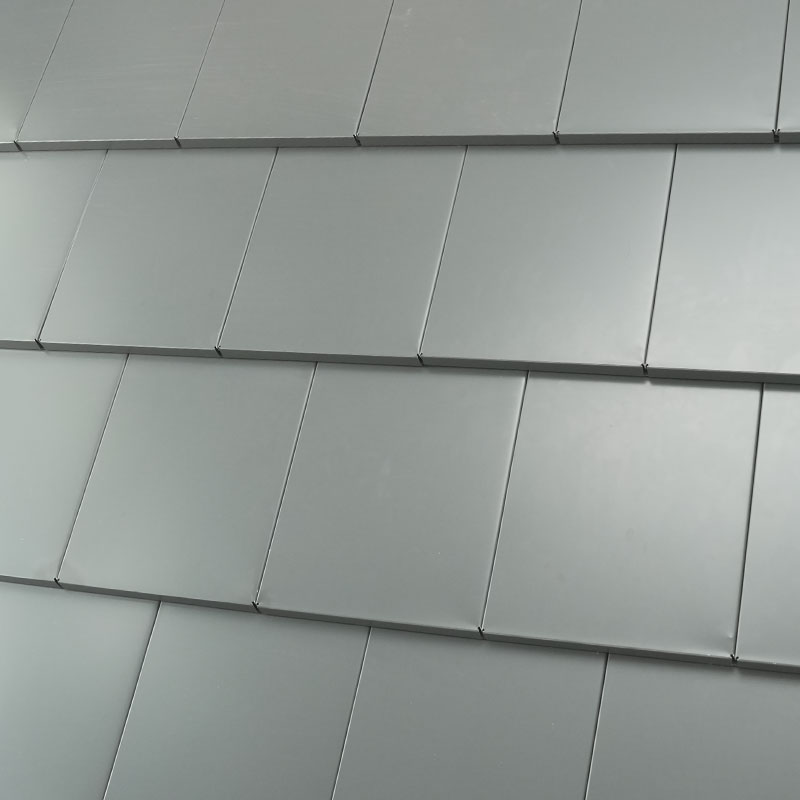
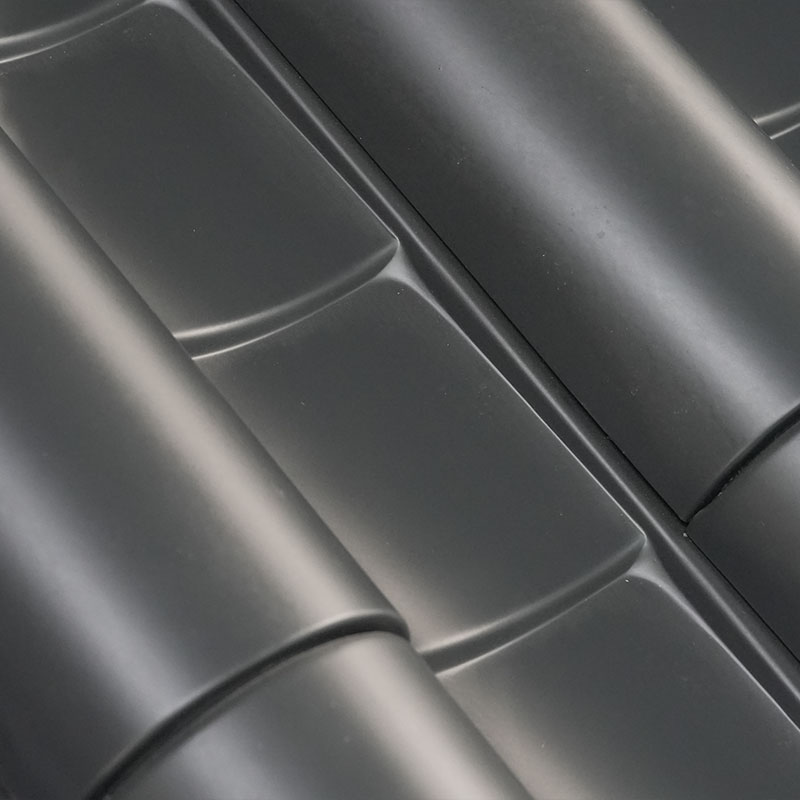
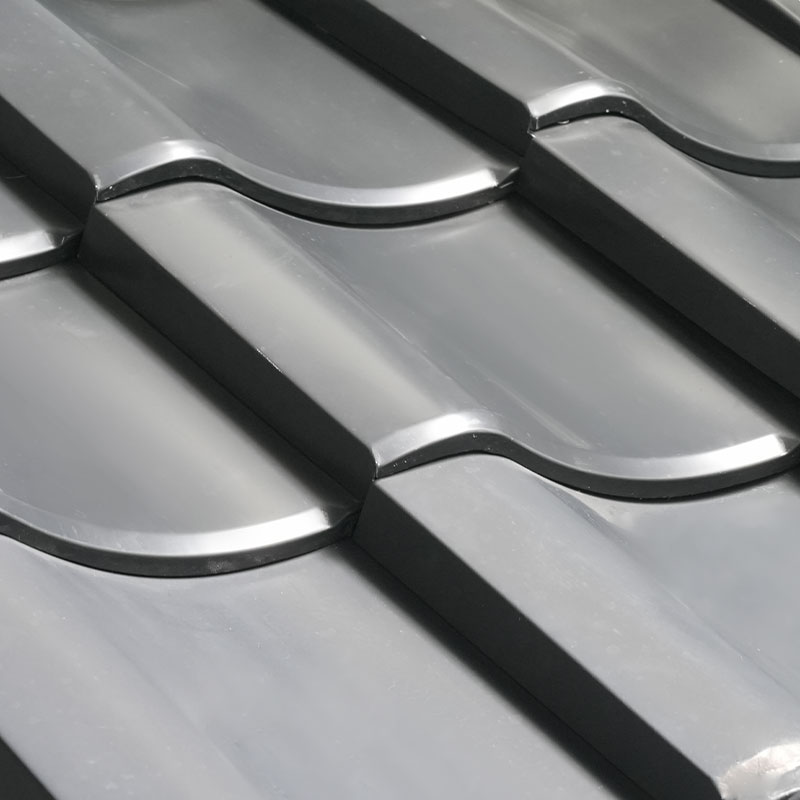
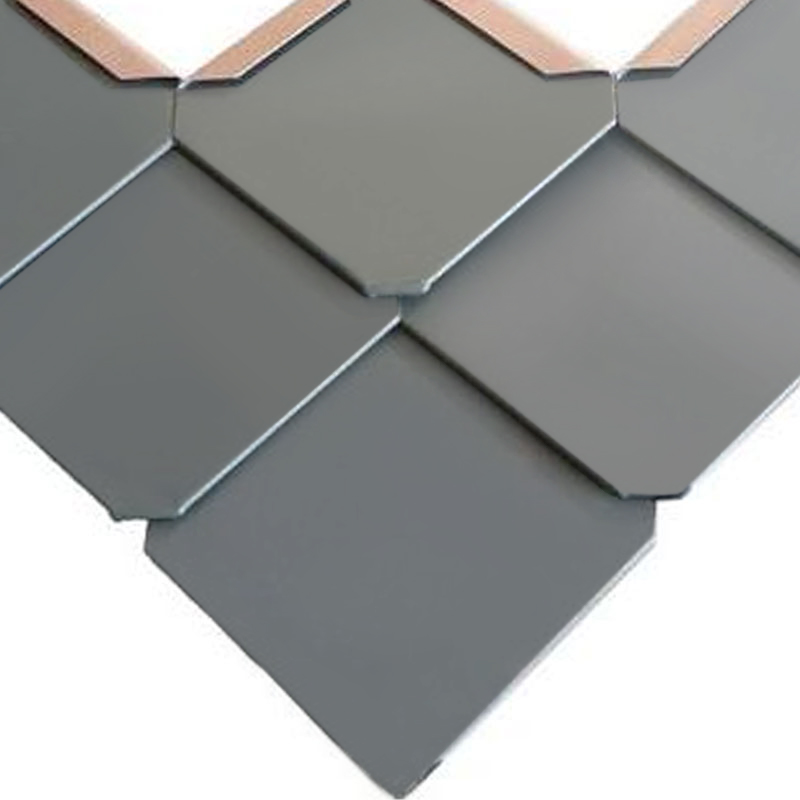
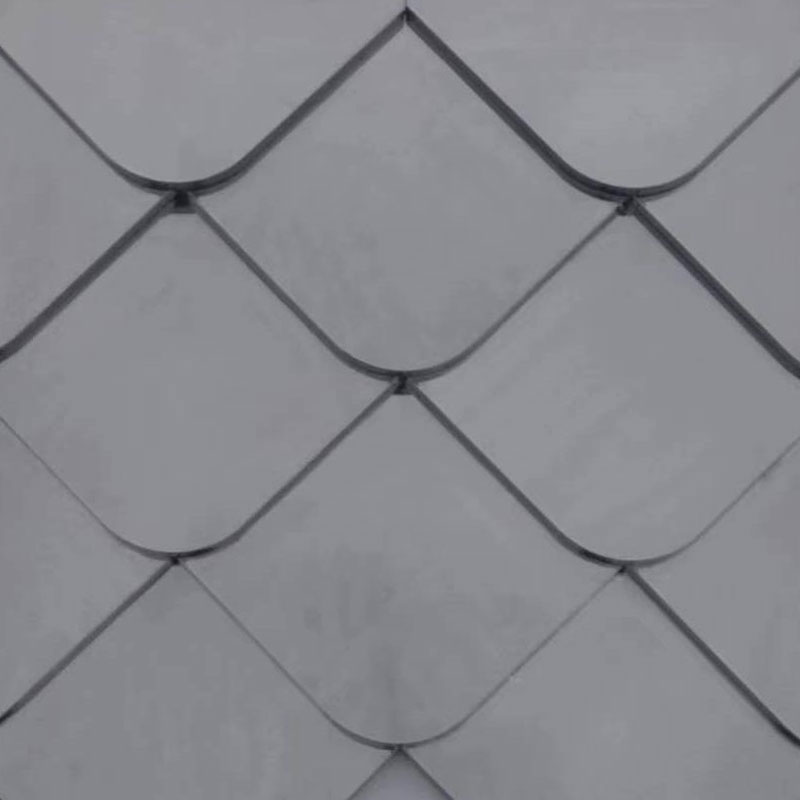
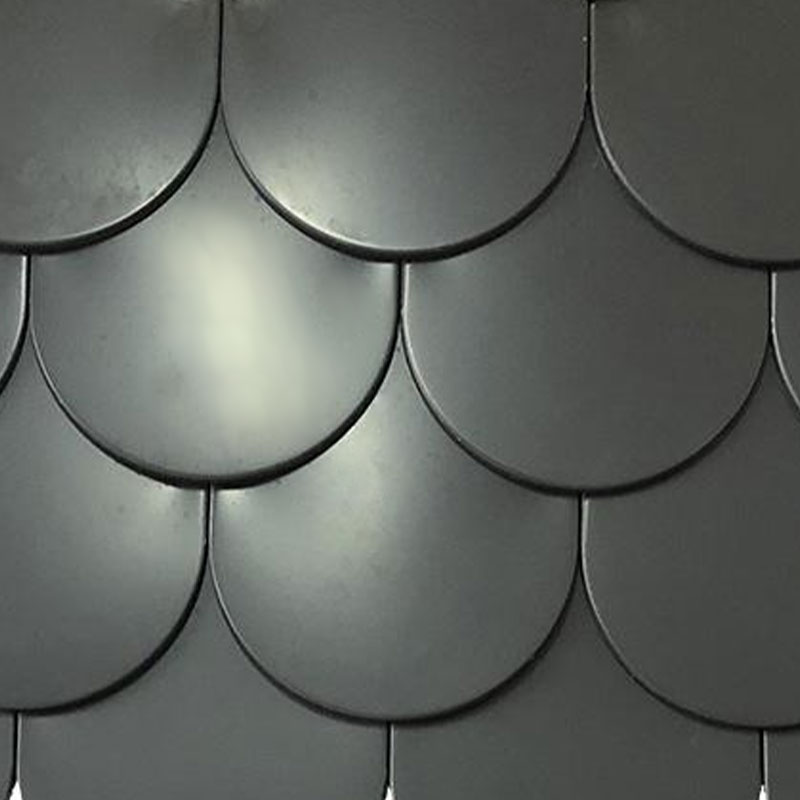
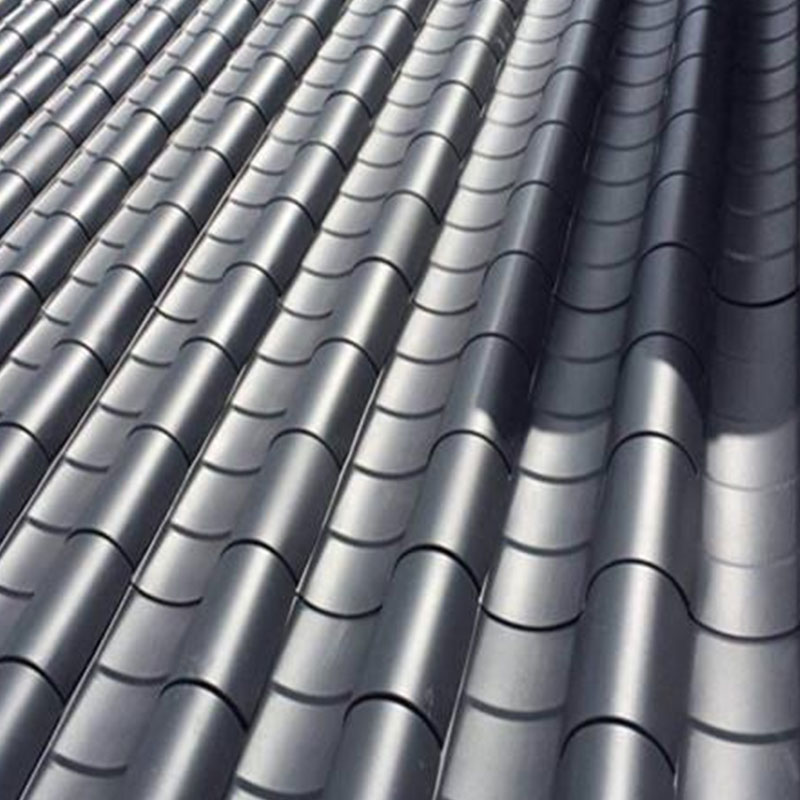
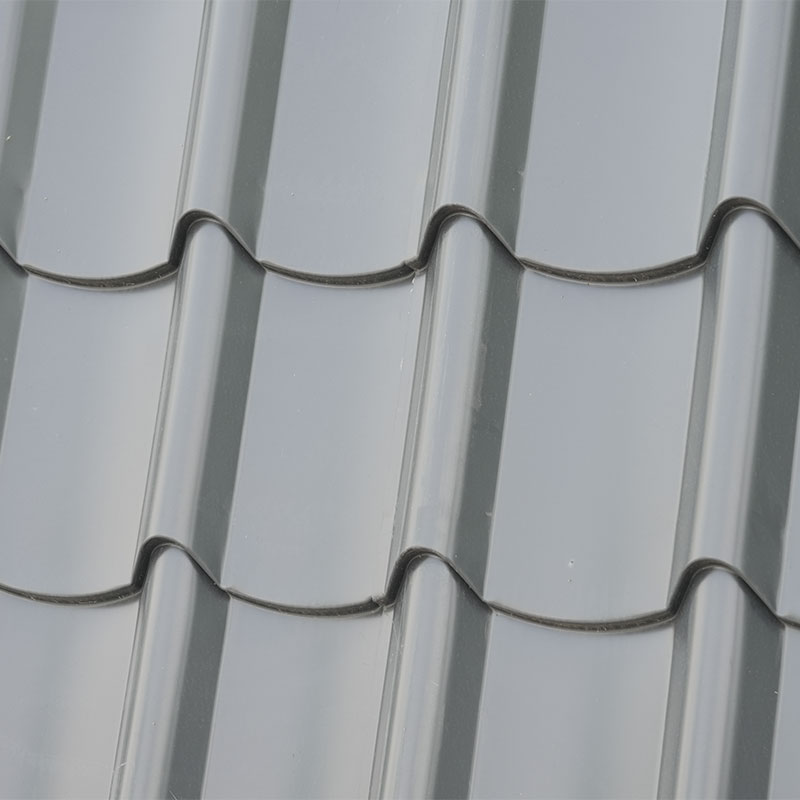
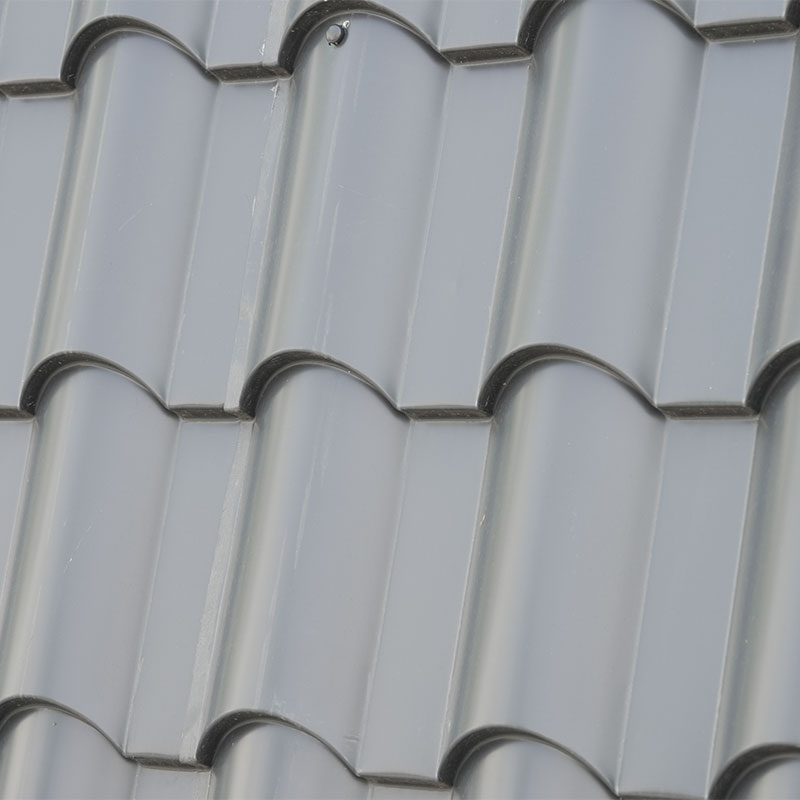
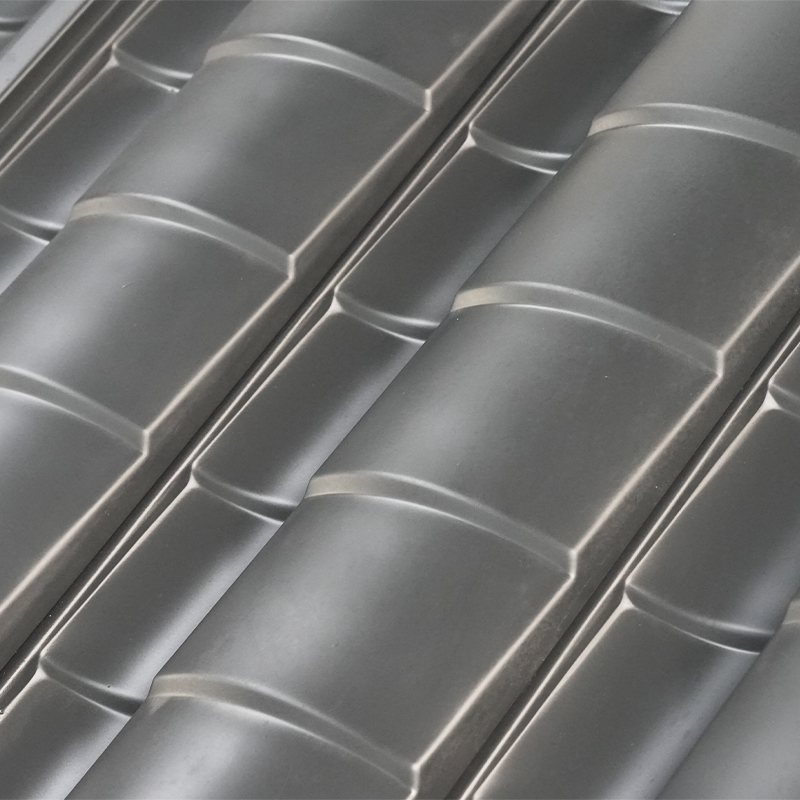
Composite aluminum roofing tile is engineered using multiple bonded layers to achieve structural strength, corrosion resistance, and aesthetic durability. The typical configuration includes an aluminum surface layer, a core material for rigidity or insulation, and a protective backing layer. This layered construction enhances impact resistance while maintaining low overall weight compared to traditional clay or concrete tiles.
The aluminum surface is often coated with weather-resistant finishes such as polyester or fluorocarbon systems to improve UV stability and color retention. The composite structure allows roofing systems to withstand wind uplift, thermal expansion, and long-term exposure to moisture without cracking or deformation.
Core Material Options and Functional Impact
- Mineral-filled cores increase fire resistance and structural rigidity.
- Polymer cores reduce weight and improve thermal insulation performance.
- Honeycomb aluminum cores enhance stiffness while minimizing material consumption.
Selecting the appropriate core configuration depends on project load requirements, climate conditions, and fire safety regulations.
Performance Advantages in Roofing Applications
Composite aluminum roofing tiles offer high resistance to corrosion, making them suitable for coastal, humid, or industrial environments. Unlike steel roofing, aluminum naturally forms an oxide layer that protects against rust. This property significantly extends service life with minimal maintenance.
Thermal expansion behavior must be considered during installation. Proper fastening systems and expansion allowances prevent stress concentration. Lightweight construction reduces structural load on building frameworks, enabling easier retrofitting in renovation projects.
| Performance Factor | Composite Aluminum Roofing Tile | Traditional Clay Tile |
| Weight | Lightweight | Heavy |
| Corrosion Resistance | High | Moderate |
| Installation Efficiency | Fast | Labor Intensive |
These advantages support use in residential housing, commercial complexes, and modular construction systems.
Engineering Characteristics of Composite Aluminum Panels
Composite aluminum panels are widely used for façade cladding, curtain walls, interior partitions, and signage structures. They consist of two aluminum sheets bonded to a non-aluminum core. The bonding process ensures flatness and dimensional stability across large panel surfaces.
Panel thickness, aluminum sheet gauge, and core density determine structural capacity and wind resistance. Fire-rated cores are available for high-rise applications where compliance with building codes is mandatory.
Surface Finishing Technologies
- PVDF coatings improve UV durability and long-term gloss retention.
- Anodized finishes provide metallic aesthetics and enhanced surface hardness.
- Powder coatings support customized color matching for architectural projects.
Surface finish selection affects weather resistance, maintenance requirements, and visual consistency across building elevations.
Installation and Structural Integration
Both composite aluminum roofing tile and composite aluminum panels require precise installation systems. For roofing tiles, interlocking profiles and concealed fasteners improve wind resistance and reduce water infiltration. Proper underlayment and ventilation layers enhance moisture control and thermal efficiency.
Composite aluminum panels are installed using framing systems such as cassette mounting, rail fixing, or direct mechanical anchoring. Expansion joints must be incorporated to accommodate thermal movement. Structural calculations ensure compliance with wind load and seismic requirements.
Professional installation reduces panel distortion and ensures alignment accuracy across large façades.
Application-Specific Selection Criteria
Selecting between composite aluminum roofing tiles and composite aluminum panels depends on architectural intent and functional demand. Roofing tiles prioritize water shedding, impact resistance, and weather durability. Panels focus on façade aesthetics, flatness, and modular integration.
- Climate conditions determine corrosion protection requirements.
- Building height influences fire resistance and wind load specifications.
- Structural support capacity defines acceptable weight limits.
- Design objectives guide surface finish and texture selection.
Through careful evaluation of material structure, coating technology, and installation methods, composite aluminum roofing tiles and composite aluminum panels provide durable and adaptable solutions for modern construction projects requiring lightweight performance and long-term environmental resistance.